Small Animal Breeding Guide | How to Breed Rabbits, Hamsters, and Guinea Pigs
Detailed explanation of breeding methods for rabbits, hamsters, and guinea pigs. Covers identifying estrus, pairing considerations, gestation periods, and post-natal care—everything you need to know for healthy breeding. Also introduces tips for finding adoptive homes to avoid unplanned breeding.
Key Takeaways
Detailed explanation of breeding methods for rabbits, hamsters, and guinea pigs. Covers identifying estrus, pairing considerations, gestation periods, and post-natal care—everything you need to know for healthy breeding. Also introduces tips for finding adoptive homes to avoid unplanned breeding.
Related Species
Breeding small animals is a serious responsibility involving the care of living beings. Before breeding, consider not just the desire to have more cute animals, but also plan ahead for where the offspring will go. Here, we explain the basic knowledge about breeding common small animals.
What to Confirm Before Breeding
Be sure to confirm the following points before attempting to breed.
- Can you secure homes for the offspring?: Small animals often give birth to multiple offspring at once, so you need to find adoptive homes for all of them in advance
- Parent health status: Confirm with a veterinarian that there are no genetic disorders and that the parents are at appropriate weight
- Adequate space and budget: Additional cages and feed will be needed from pregnancy through weaning
- Is there an exotic animal veterinary hospital nearby?: To prepare for birth complications
Breeding Data by Species
Rabbits
- Sexual maturity: Males 3–4 months, females 4–6 months
- Breeding age range: Females ideally 6 months to 3 years old
- Estrus: Rabbits have no distinct estrous cycle; they ovulate in response to mating stimulus (coitus-induced ovulation)
- Gestation period: Approximately 30–32 days
- Litter size: Approximately 4–8 offspring
- Weaning age: 4–6 weeks after birth
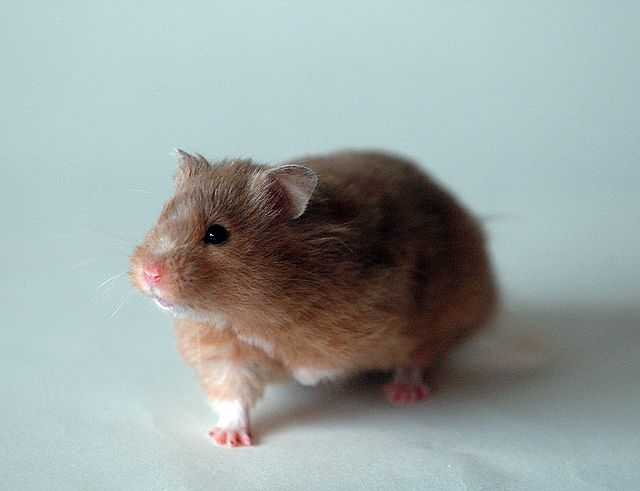
Hamsters
- Sexual maturity: 4–6 weeks after birth
- Breeding age range: Ideally 3 months to 1 year of age
- Estrous cycle: Females approximately every 4 days
- Gestation period: Syrian hamsters approximately 16 days, dwarf species approximately 18–21 days
- Litter size: Syrian hamsters 6–12 offspring, dwarf species 3–6 offspring
- Weaning age: 3–4 weeks after birth
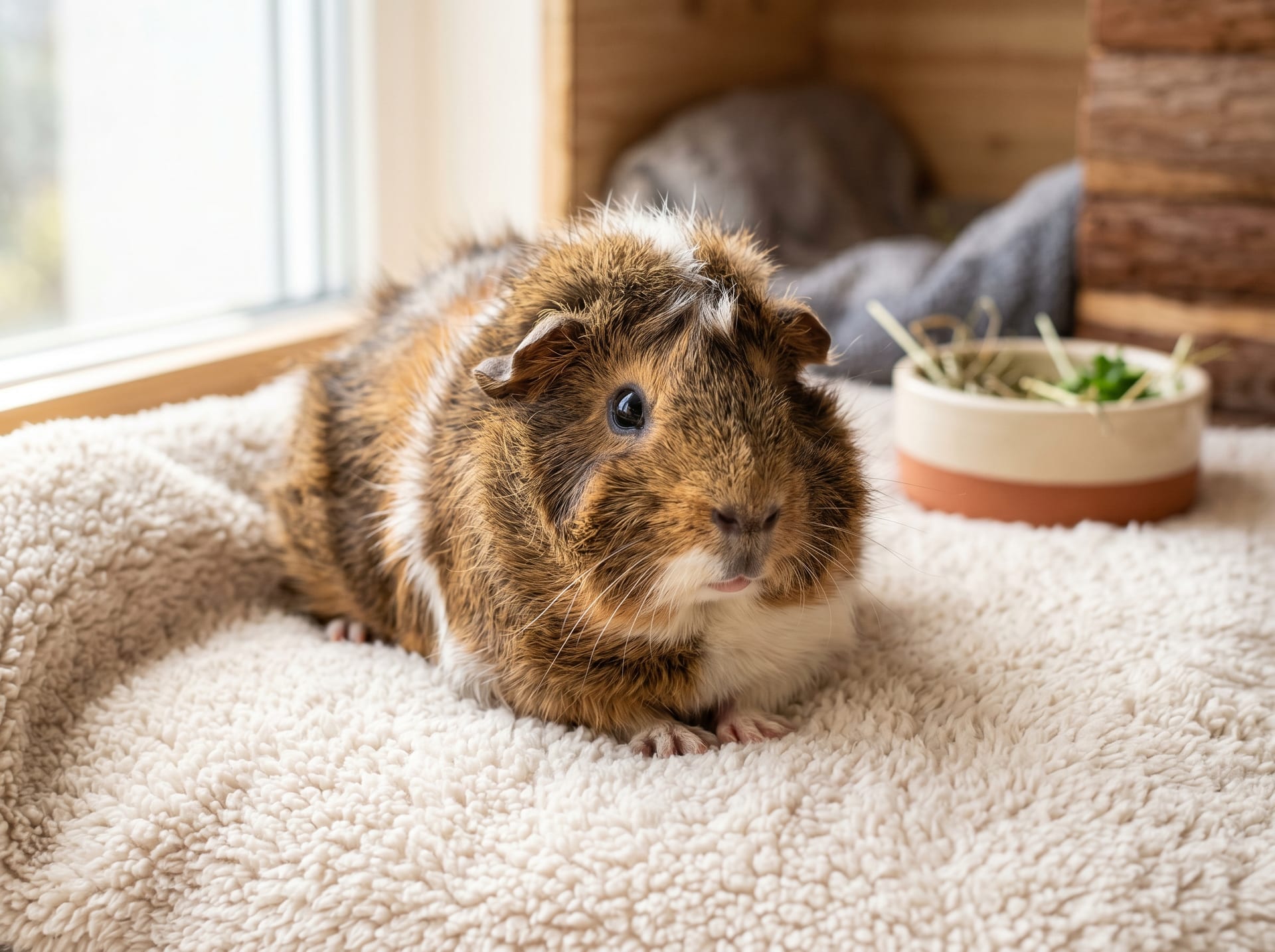
Guinea Pigs
- Sexual maturity: Males 3–5 weeks, females 4–6 weeks
- Breeding age range: Ideally first pregnancy at 4–7 months of age
- Estrous cycle: Approximately every 16 days
- Gestation period: Approximately 59–72 days (long for a small animal)
- Litter size: Approximately 1–4 offspring
- Weaning age: Approximately 3 weeks after birth (they are born precocial)
Important: Female guinea pigs that have their first pregnancy after 7–8 months of age face a significantly increased risk of dystocia as the pubic symphysis fuses. If breeding is planned, it is critically important to adhere to the appropriate breeding age.
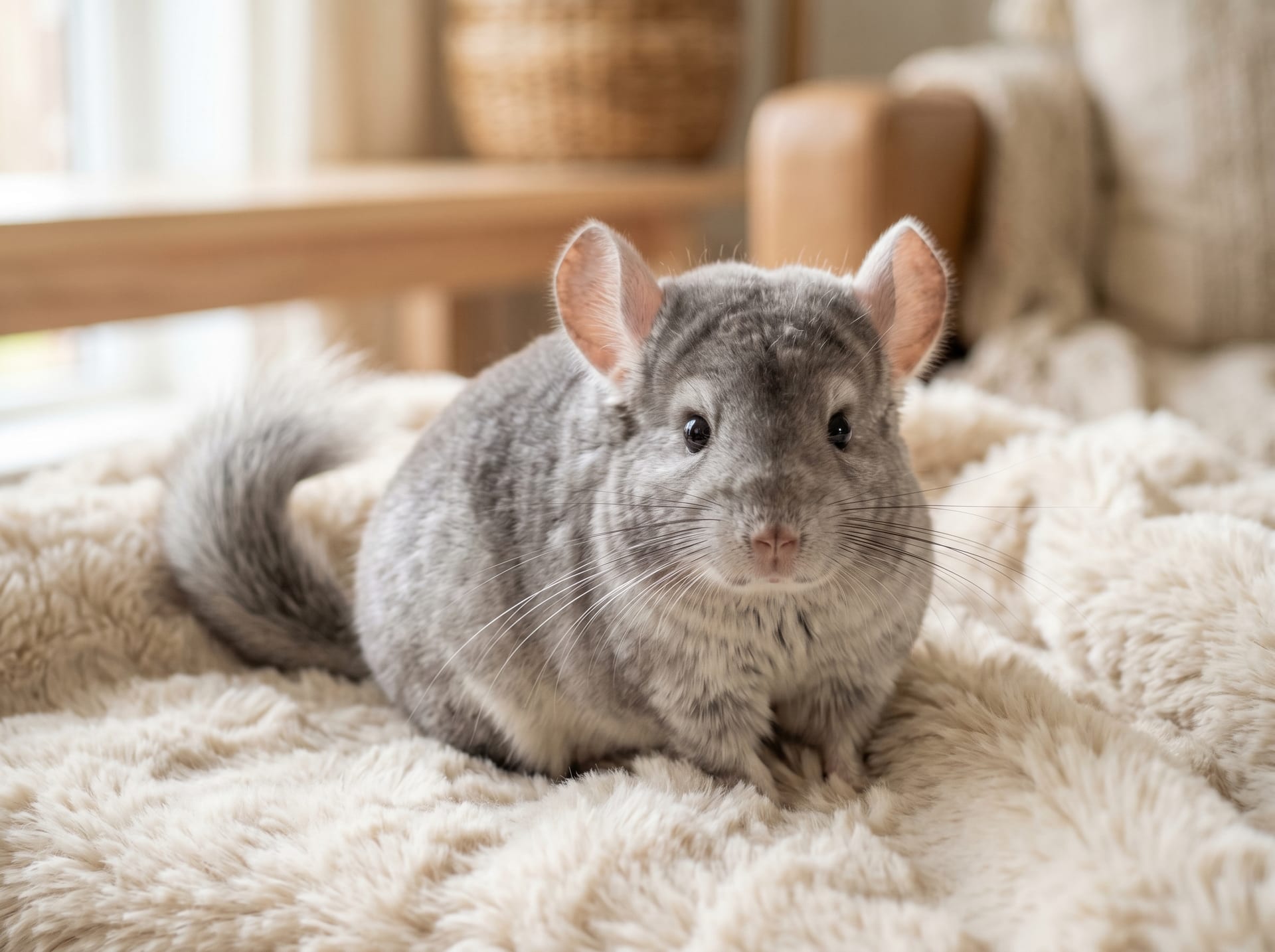
Chinchillas
- Sexual maturity: 4–5 months after birth
- Breeding age range: 8 months of age and older
- Estrous cycle: Approximately every 30–50 days
- Gestation period: Approximately 111 days (about 3.5 months—very long)
- Litter size: Approximately 1–3 offspring
- Weaning age: 6–8 weeks after birth
Pairing Considerations
- Checking compatibility: Do not put them in the same cage immediately; first allow them to interact through the cage to observe their behavior
- Hamsters are essentially solitary: Keep them together only during breeding, then separate immediately after. Females may attack males
- Avoid mismatched pairs: Pairing a much larger male with a significantly smaller female increases the risk of dystocia
Care During Pregnancy and After Birth
Pregnancy Management
- Increase food quantity and quality (add high-protein pellets and fresh vegetables)
- Avoid stress (refrain from deep cleaning or rearranging the cage)
- One week before the expected birth date, add plenty of nesting material (such as soft hay)
Post-Birth Care
- Leave the mother and offspring alone immediately after birth (do not peek unnecessarily)
- Hamsters especially may eat their young under stress, so refrain from cleaning for one week after birth
- Keep the mother's food and water readily available
- Once the offspring open their eyes and begin eating on their own, prepare for weaning
Finding Adoptive Homes
Ideally, secure homes for offspring before breeding.
- Ask acquaintances and friends
- Recruit on social media and pet communities
- Consult with breeders
When handing over to adoptive parents, explain care methods and precautions, and choose someone who will raise the animals properly.
Precautions for Small Animal Breeding
Hamster Breeding
- Breeding age range: 3–12 months after birth. Birth risk increases beyond one year of age
- Gestation period: Syrian hamsters approximately 16 days, dwarf hamsters approximately 18–21 days
- Litter size: Approximately 4–12 offspring
- Notes: After birth, move the cage to a quiet place to avoid stressing the mother hamster. There is risk of pup cannibalism (the mother eating young due to stress)
Rabbit Breeding
- Extremely high fertility: Females ovulate in response to mating stimulus (coitus-induced ovulation), so pregnancy is nearly certain when paired with a male
- Gestation period: Approximately 30–32 days
- Litter size: Approximately 4–8 offspring
- Notes: Casual breeding can lead to unwanted litters without homes. Neutering and spaying are recommended except for planned breeding
Things to Consider Before Breeding
- Can you secure homes for the offspring?
- Do you understand the health risks to the mother during and after birth?
- Is there an exotic animal veterinary hospital nearby?
- Can you afford the additional costs of breeding (cage, feed, veterinary care)?
Unplanned breeding is not recommended from an animal welfare perspective. If breeding, proceed with sufficient knowledge and preparation.
Checklist Before Considering Breeding
- Are homes secured for all offspring?
- Is the mother's health good? (Has a veterinarian confirmed this?)
- Is there an exotic animal veterinary hospital nearby that can handle birth emergencies?
- Can you afford additional costs for cages, feed, and bedding?
- Have you confirmed the absence of genetic diseases?
- Do you have sufficient knowledge about breeding?
The Reality of Finding Adoptive Homes
Finding adoptive homes for small animals is harder than for dogs and cats. Hamsters can produce over 10 offspring in a single litter. Even when recruiting adoptive homes on social media and pet forums, it is not guaranteed that all young will find homes. Avoid unplanned breeding at all costs.
Health Risks to the Mother During Breeding
Birth in small animals can carry higher risks compared to dogs and cats.
- Dystocia (difficult birth): Rabbits and guinea pigs can have difficult births due to narrow pelvises. In particular, female guinea pigs that have their first pregnancy after 7 months of age face the risk of pelvic fusion preventing natural birth
- Pup cannibalism: Hamster mothers may eat their young due to stress or malnutrition. Do not handle the nest for one week after birth
- Postpartum exhaustion: In large litters, the mother's nutritional reserves become severely depleted. Supplementing with high-nutrient feed is essential
- Mastitis: Mammary gland infection can occur during nursing. Seek veterinary care immediately if swelling or fever is observed
To use healthy animals for breeding, it is important to first understand how to select small animals properly. For details, see Small Animal Buying Guide.
Consult About Breeding on BreederDirect
On BreederDirect, you can purchase small animals from breeders with extensive breeding experience. If you are considering breeding, consult with the breeder about pedigree and breeding advice when making a purchase. An experienced breeder's knowledge is invaluable.