Small Animal Pet Insurance Guide | Target Species, Coverage Details, and Selection Tips
A detailed explanation of how pet insurance for small animals works, including hamsters, rabbits, ferrets, and birds; coverage comparison; target species; and criteria for choosing insurance.
Key Takeaways
A detailed explanation of how pet insurance for small animals works, including hamsters, rabbits, ferrets, and birds; coverage comparison; target species; and criteria for choosing insurance.
Related Species
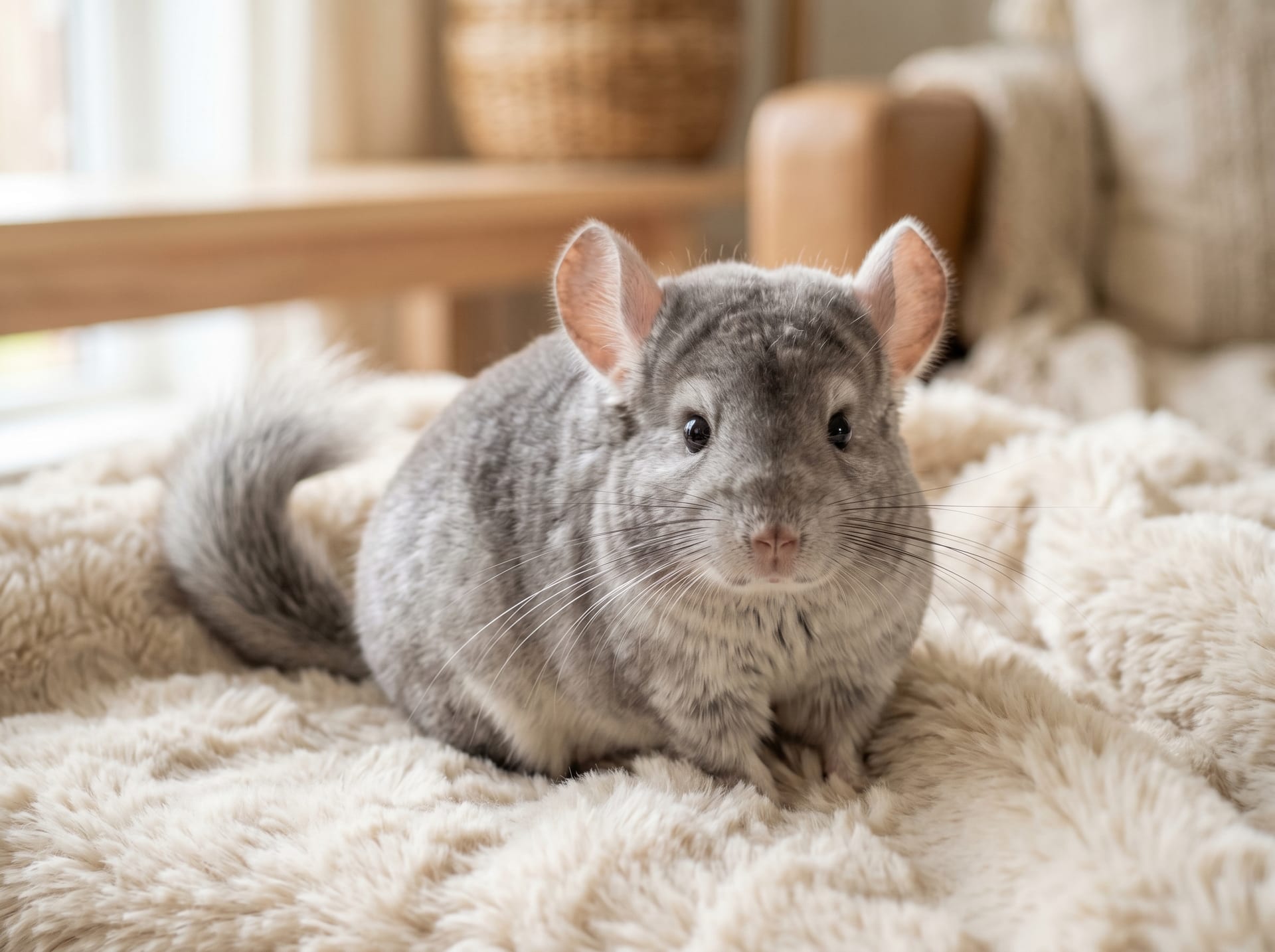
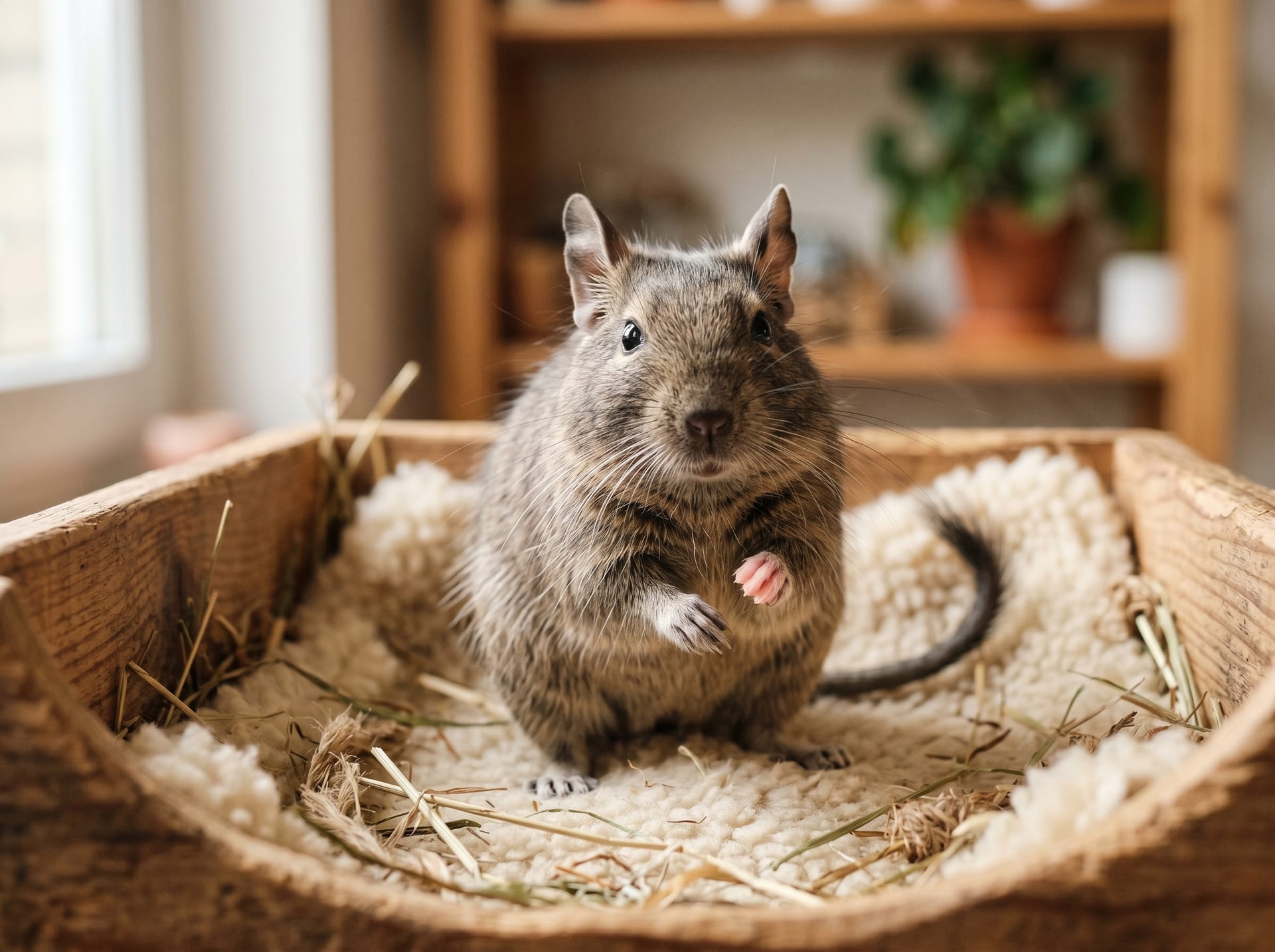
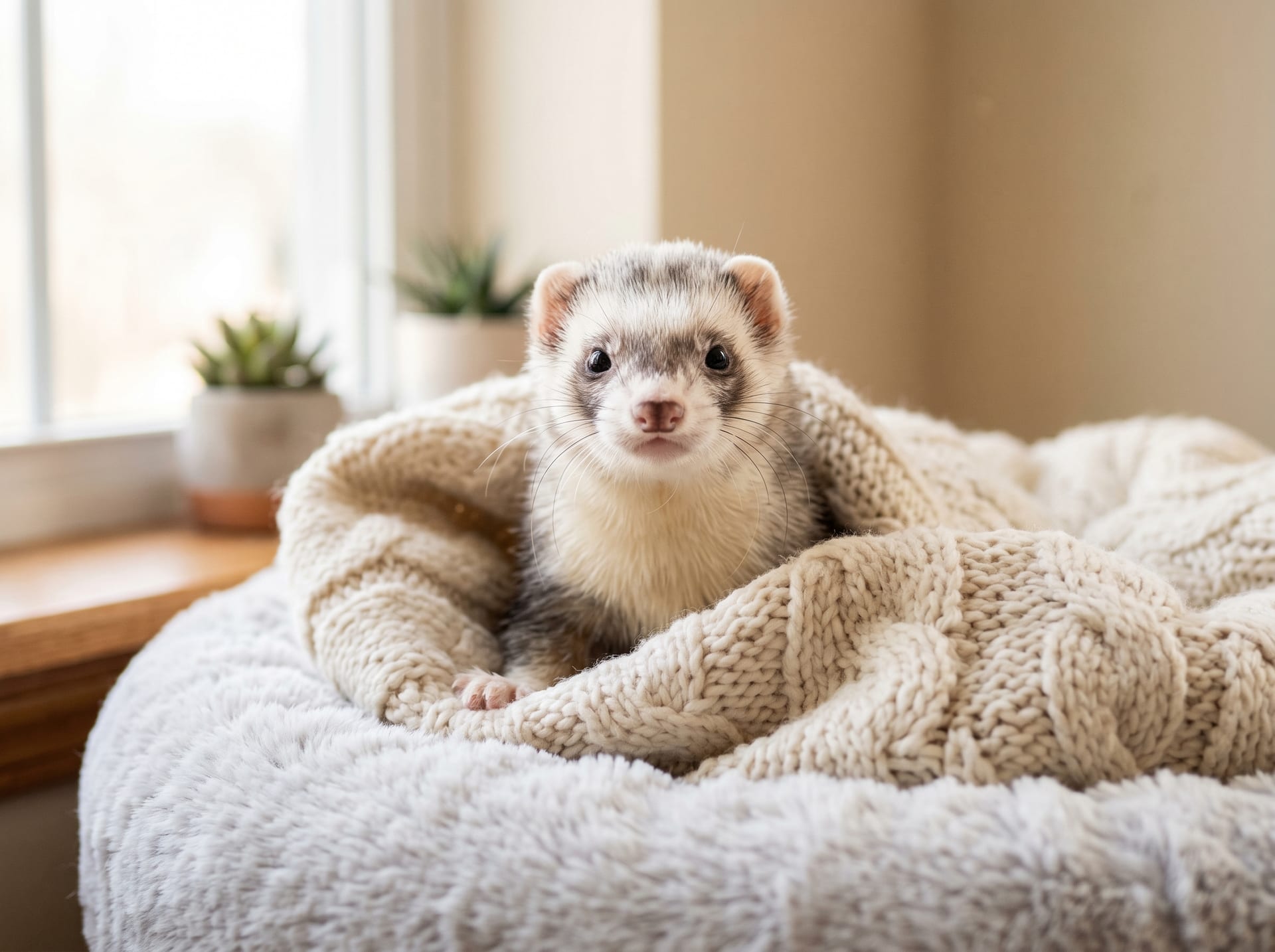
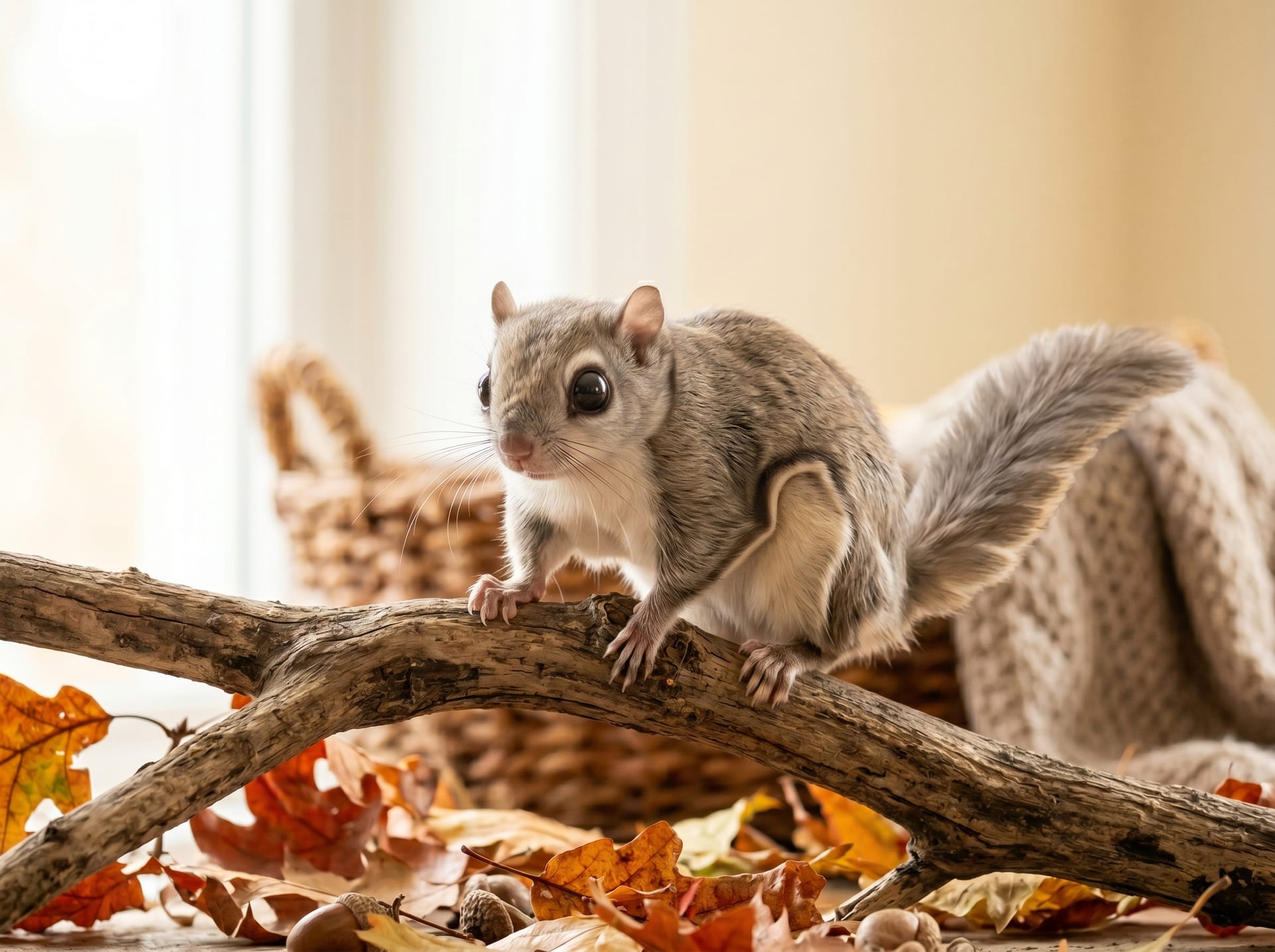
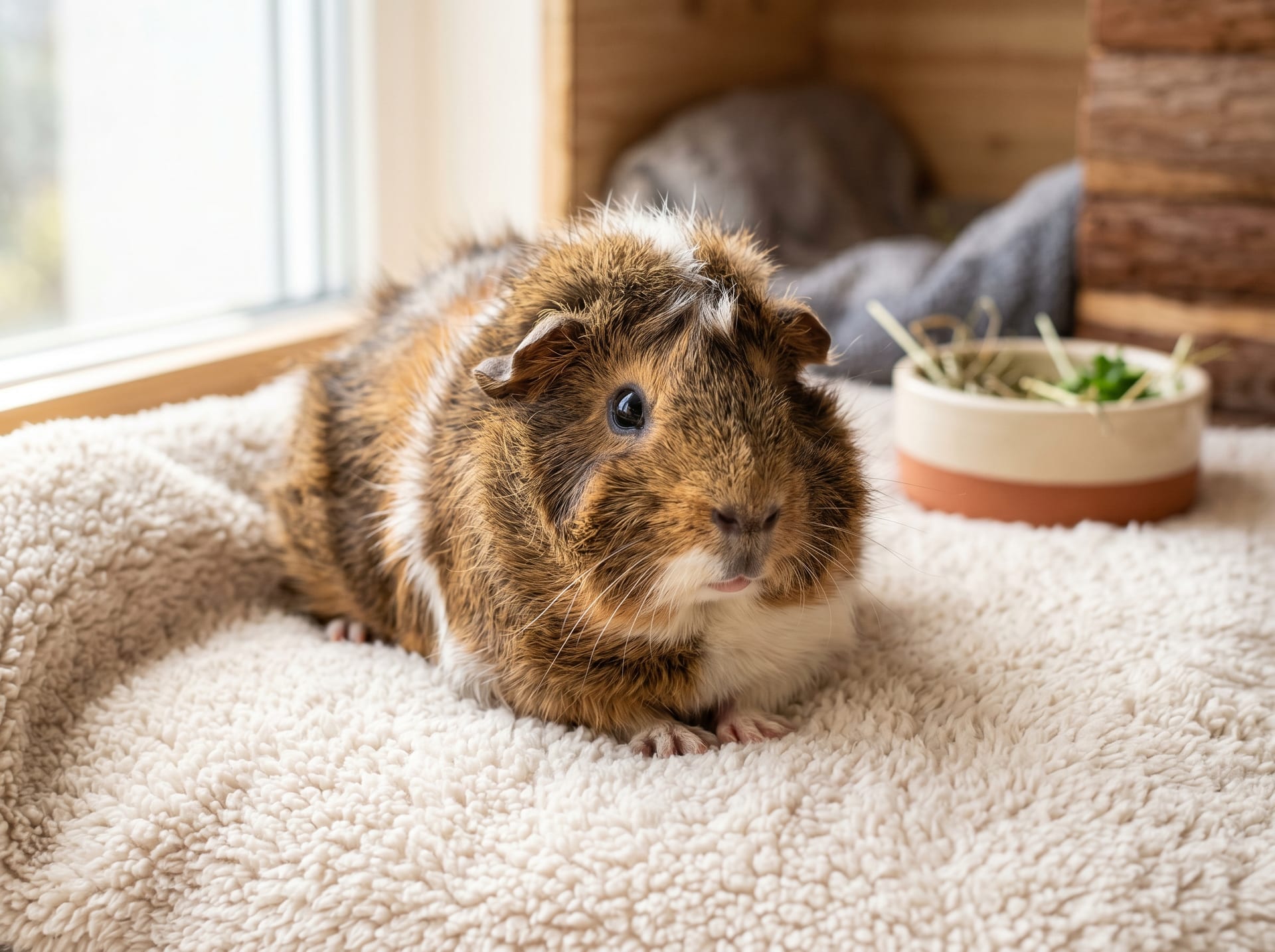

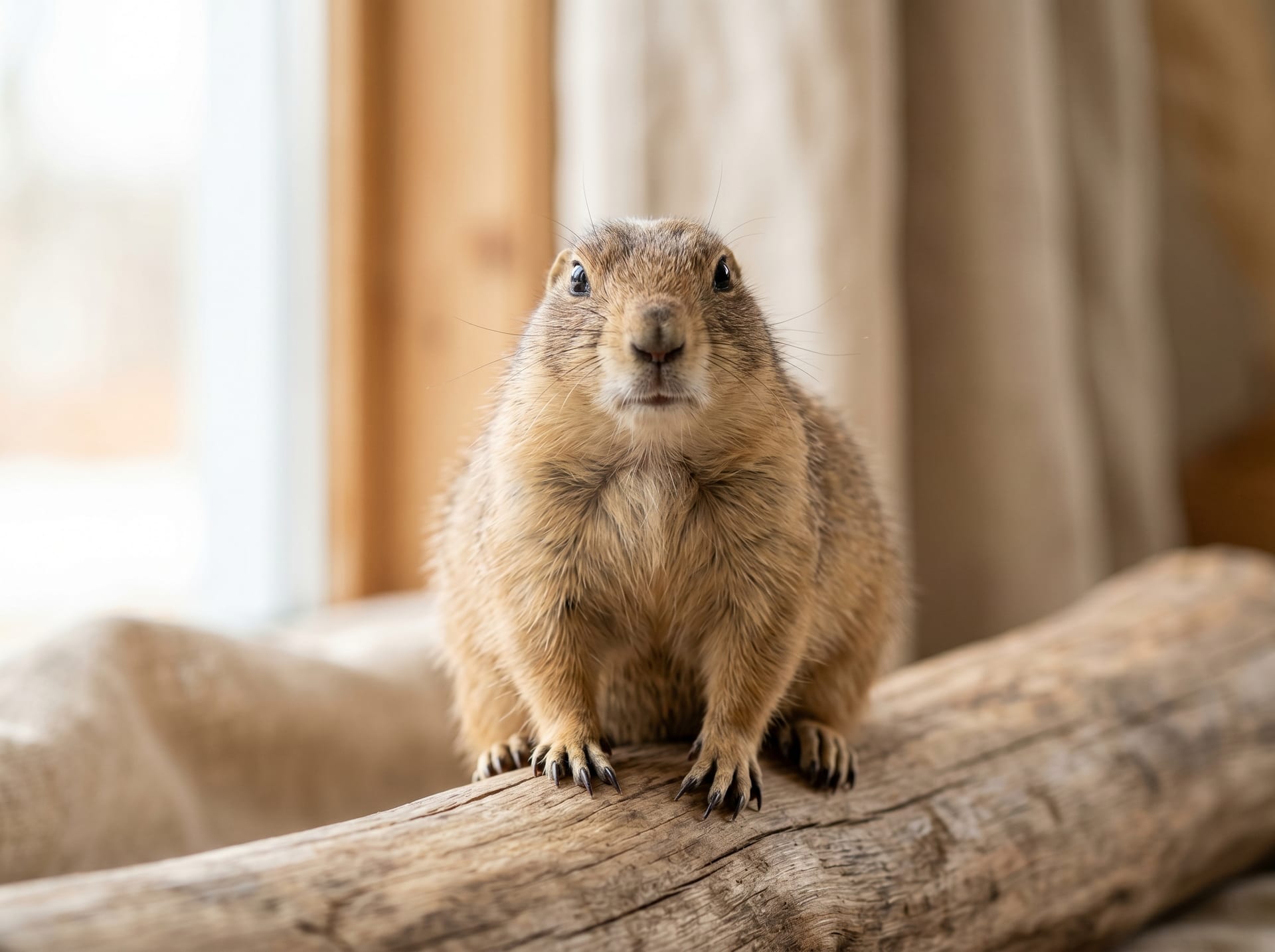
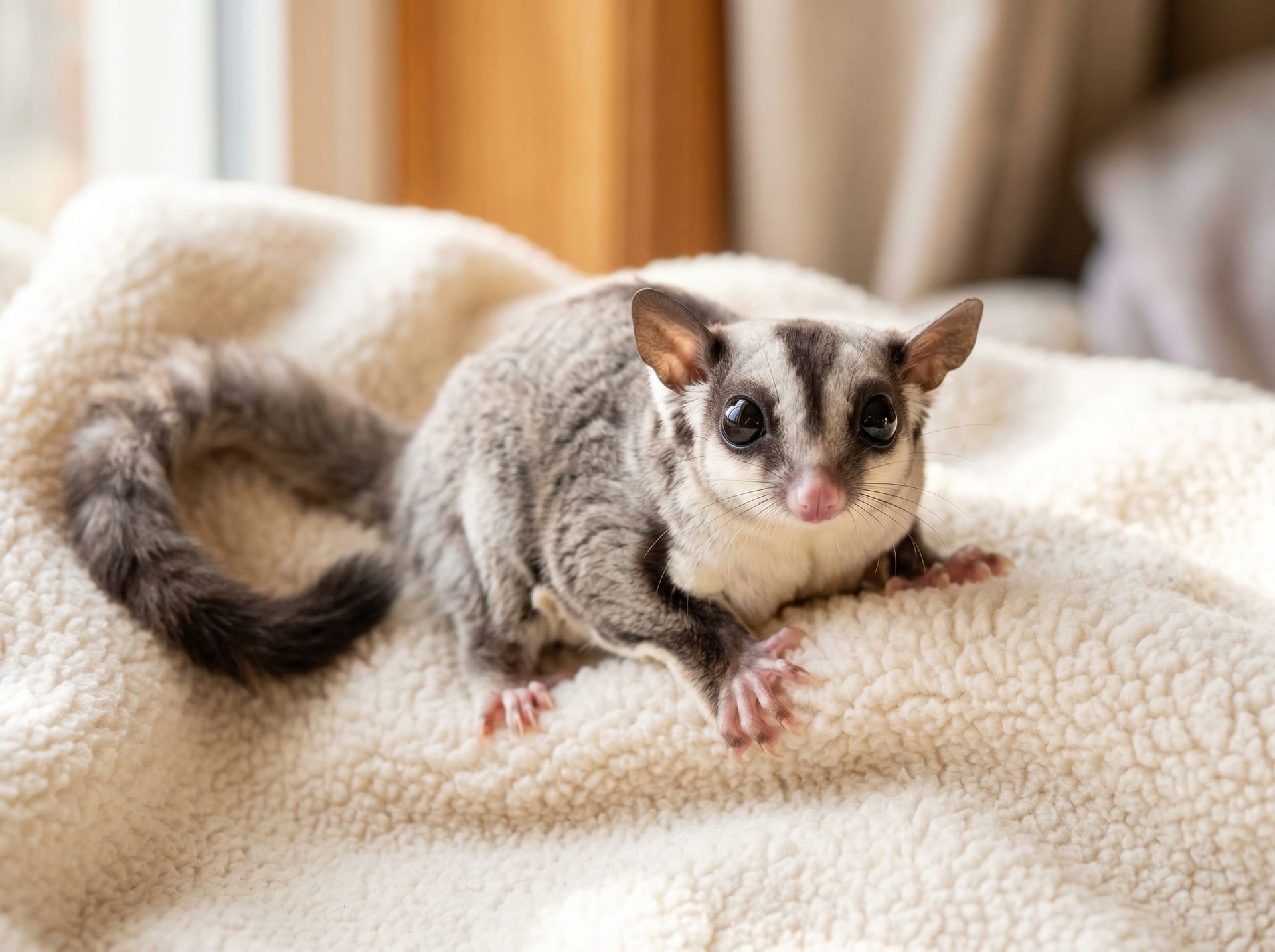
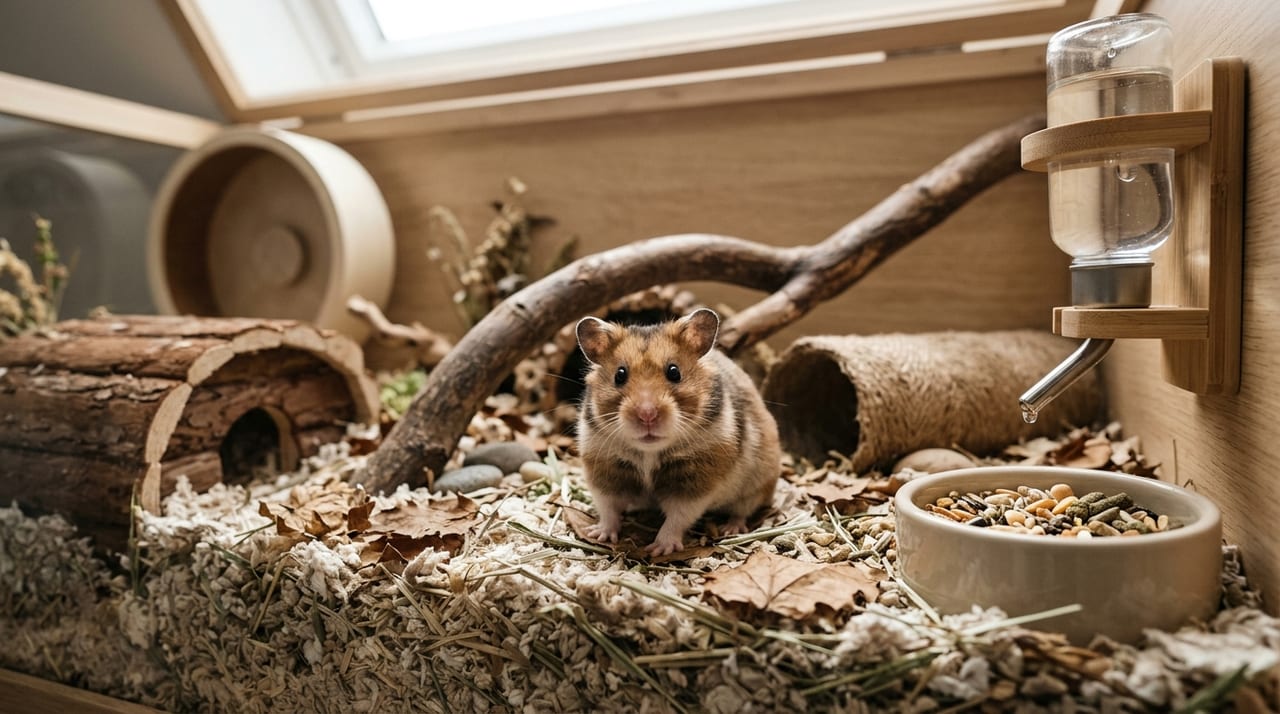
One of the most significant expenses when keeping small animals is veterinary medical costs. Since there is less information available compared to dogs and cats, many people wonder, "Does pet insurance even exist for small animals?" In recent years, insurance products tailored to small animals have gradually become more abundant, and with proper use, they can serve as a safeguard against unexpected expenses. This article provides detailed explanations of practical information about small animal pet insurance, from the basics to tips for selecting the right plan.
Why Is Insurance Necessary for Small Animals?
Small Animal Veterinary Costs Are Higher Than Expected
Small animal veterinary care is classified as exotic animal medicine, and tends to have higher consultation fees compared to general veterinary practice for dogs and cats. There are three main reasons for this:
- High specialization: There are limited veterinarians who can handle small animal care
- Small body size requires delicate procedures: Anesthesia management and surgical difficulty are high
- Fewer case studies: Many diseases lack established treatment methods
Typical Treatment Costs
| Animal Species | Representative Condition | Estimated Treatment Cost |
|---|---|---|
| Hamster | Tumor removal surgery | ¥20,000–¥50,000 |
| Rabbit | Gastrointestinal stasis (hospitalization/IV therapy) | ¥30,000–¥80,000 |
| Rabbit | Malocclusion (dental treatment) | ¥5,000–¥15,000/procedure |
| Rabbit | Uterine disease surgery | ¥50,000–¥120,000 |
| Ferret | Adrenal disease surgery | ¥80,000–¥200,000 |
| Ferret | Insulinoma treatment | ¥50,000–¥150,000 |
| Chinchilla | Malocclusion treatment | ¥10,000–¥30,000/procedure |
| Guinea pig | Skin disease treatment | ¥5,000–¥20,000 |
| Birds | Crop inflammation treatment | ¥10,000–¥30,000 |
Rabbits and ferrets in particular often require expensive treatments and are the animal species most likely to benefit from insurance. On the other hand, for animals with shorter lifespans such as hamsters, it is necessary to weigh the total insurance premiums against potential treatment costs when making a decision.
How Small Animal Pet Insurance Works
Types of Coverage
Small animal pet insurance generally provides the following types of coverage:
Outpatient Care Coverage
This covers same-day veterinary consultations and treatment. Since small animals tend to require frequent veterinary visits, whether outpatient coverage is comprehensive is an important consideration.
Hospitalization Coverage
This covers treatment requiring hospitalization. It is useful for cases requiring several days of hospitalization, such as for rabbit gastrointestinal stasis or post-surgical ferret care.
Surgical Coverage
This covers surgical costs, including tumor removal, spaying/neutering (though some policies exclude this), and surgical treatment of fractures.
Coverage Percentage and Limits
- Coverage percentage: 50% or 70% is typical. Choose based on how much you want to minimize your out-of-pocket expenses
- Annual limit: Approximately ¥200,000–¥700,000. Varies significantly by plan
- Daily limit: Typically ¥5,000–¥14,000 per outpatient visit, ¥10,000–¥14,000 per hospitalization day
- Frequency limits: Typically 20–30 outpatient visits per year, 20–30 hospitalization days per year, and 2–3 surgeries per year
Regarding Deductibles
Some insurance policies include a deductible. This is the minimum amount of out-of-pocket expense per claim. For example, with a ¥5,000 deductible, insurance will not pay for a ¥4,000 veterinary bill. Plans without deductibles have higher monthly premiums but offer the benefit of coverage for smaller veterinary visits.
Types of Small Animals Covered by Insurance
Coverage Status of Major Insurance Companies
Not all small animal species are eligible for insurance coverage. Coverage varies by insurance company.
Species Covered by Most Insurance Companies
- Rabbits
- Ferrets
- Chinchillas
- Hedgehogs (some companies)
Species Covered by Some Insurance Companies Only
- Guinea pigs
- Degus
- Squirrels
- Sugar gliders
- Hamsters
- Birds (parakeets, parrots, Java sparrows, etc.)
Species With Limited or No Coverage
- Prairie dogs
- Flying squirrels (other than sugar gliders)
- Specialized small animals such as meerkats
Hamsters have a short lifespan of 2–3 years, so many insurance companies do not offer coverage due to age restrictions on enrollment and the short insurance period.
Age Restrictions for Enrollment
Most insurance companies set age limits at the time of enrollment.
| Animal Species | Enrollment Age Range |
|---|---|
| Rabbit | 30 days to under 11 years old |
| Ferret | 30 days to under 4 years old |
| Chinchilla | 30 days to under 6 years old |
| Hedgehog | 30 days to under 3 years old |
| Birds | 30 days to under 9 years old |
Since insurance premiums increase with age, it is economical to consider enrollment early in the animal's life.
Five Tips for Choosing the Right Insurance
1. Network of Participating Veterinary Clinics
Some insurance plans have a limited network of veterinary clinics that offer point-of-service settlement, or may not include clinics that treat small animals. Before enrolling, confirm that your preferred veterinary clinic participates in the insurance network.
If point-of-service settlement is not available, you will need to pay the full amount upfront and be reimbursed later through "post-payment settlement." With post-payment settlement, it can take 1–2 months from submitting the required documents to receiving reimbursement, so consider your financial flexibility during this period.
2. Treatment of Pre-existing and Congenital Conditions
Illnesses discovered before enrollment and congenital conditions are excluded from coverage by virtually all insurance plans. Additionally, even illnesses that develop after enrollment may be excluded from coverage in the following year as a "specific condition exclusion."
It is especially important to verify how specific diseases are handled—such as malocclusion in rabbits or adrenal disease in ferrets—which are common in certain species.
3. Waiting Periods
Some insurance policies include a "waiting period" between the contract start date and when coverage actually begins.
- Illness: A 30-day waiting period is standard
- Cancer: A 60–90 day waiting period may be set
- Injury: Most policies have no waiting period
Illnesses that develop during the waiting period are not covered, so it is best to enroll while your animal is healthy.
4. Changes to Terms Upon Renewal
Pet insurance is typically renewed annually. Changes to terms may occur at the time of renewal:
- Premium increases: Rates increase progressively with age
- Specific condition exclusions: Conditions claimed in the previous year may be excluded from coverage in the following year
- Renewal denial: Coverage may be refused if claims have been consistently high
Even policies that claim "lifelong renewal" may include changes to terms, so be sure to carefully review the policy details.
5. Balance Between Premiums and Coverage
Monthly premiums for small animal pet insurance vary significantly depending on the species, age, and plan.
| Animal Species | Est. Monthly Premium (50% coverage) | Est. Monthly Premium (70% coverage) |
|---|---|---|
| Rabbit | ¥1,500–¥3,000 | ¥2,000–¥4,500 |
| Ferret | ¥2,000–¥4,000 | ¥3,000–¥6,000 |
| Chinchilla | ¥1,500–¥3,500 | ¥2,500–¥5,000 |
| Hedgehog | ¥1,000–¥2,500 | ¥1,500–¥3,500 |
| Birds | ¥1,000–¥2,500 | ¥1,500–¥3,500 |
Compare the total annual premium with typical treatment costs for your species' common diseases. Rather than thinking in terms of "profit or loss," decide whether the insurance provides peace of mind as a safeguard against unexpected medical expenses.
How to Prepare If You Don't Purchase Insurance
Choosing not to purchase pet insurance is also a reasonable decision. If you do so, prepare for medical costs using the following methods:
Recommended: Pet Savings Account
Set aside a fixed amount each month specifically for pet medical expenses.
- Hamsters and small animals: ¥2,000–¥3,000 per month
- Rabbits and chinchillas: ¥3,000–¥5,000 per month
- Ferrets: ¥5,000–¥8,000 per month
By setting aside money for savings instead of paying for insurance, any unused funds remain with you. However, this approach carries the risk that if expensive treatment is needed soon after bringing your animal home, your savings may be insufficient.
Using Credit Card Credit Limits for Medical Expenses
Make sure you are aware of your credit card's available credit in case of emergency expenses. Keep in mind that installment and revolving payments incur interest, so consider them only as temporary emergency measures.
The Best Time to Enroll in Insurance
In short, immediately after bringing your animal home is ideal. Here's why:
- Younger animals have lower premiums: Insurance rates increase with age
- You can enroll before pre-existing conditions develop: Once an animal develops a disease, that condition is excluded from coverage
- You complete the waiting period sooner: While there is some risk that health issues from environmental changes at the start may overlap with the waiting period, you will have coverage for the subsequent long term
Early enrollment is especially recommended for ferrets, as they commonly develop serious conditions such as adrenal disease and insulinoma after age 3–4. The same is true for rabbits, whose risk of uterine disease increases after age 3.
How to File an Insurance Claim
It's helpful to understand the general process for submitting insurance claims.
Point-of-Service Settlement
- Present your insurance card at the veterinary clinic
- Pay only your out-of-pocket portion
- The insurance company and veterinary clinic handle the settlement
Post-Payment Settlement
- Pay the full treatment cost at the veterinary clinic
- Keep your itemized receipt and invoice
- Complete the insurance claim form and submit documents by mail (or online)
- After review, the insurance payout is deposited into your account (typically 1–2 months)
Required documents vary by insurance company, but always keep your itemized receipt and invoice. Some clinics cannot reissue these documents later.
Frequently Asked Questions
"Are vaccinations covered?"
Basically no. Preventive procedures such as vaccinations, heartworm prevention, and spaying/neutering are excluded from coverage by virtually all insurance policies. However, some policies do offer optional riders for spaying/neutering.
"Is there a discount for multiple animals?"
Some insurance companies offer "multi-pet discounts." It is common for the second and subsequent animals to receive a 5–10% discount on premiums. If you have multiple animals, prioritize insurance companies that offer such discounts.
"Can I switch insurance mid-term?"
You can switch insurance plans, but there are important considerations. With a new policy, a new waiting period begins during which there is no coverage. Additionally, conditions that developed during your previous policy period may be classified as "pre-existing conditions" and excluded from the new policy.
"Can I not get insurance if my animal is elderly?"
While most insurance companies have age limits for new enrollment, some policies offer lifelong renewal once you are enrolled. However, premiums increase with age.
Conclusion
While small animal pet insurance offers fewer options compared to coverage for dogs and cats, options continue to expand. For animal species that commonly incur high medical costs, such as rabbits and ferrets, insurance can provide significant benefits.
Whether to purchase insurance depends on your animal's species and age, your household budget, and your attitude toward risk. What matters is whether you have sufficient financial preparation to afford treatment when needed. Whether you choose to purchase insurance or build a pet savings fund, not neglecting to prepare for medical costs will lead to a secure life with your small animal. At the start of pet ownership, give the matter careful consideration and choose a preparation method that works for you and your animal.