Complete Chinchilla Care Guide | Temperature Management, Sand Bathing, Socialization, and Longevity Tips
Chinchillas are long-lived exotic animals native to the high mountains of the Andes in South America, with lifespans reaching 15–20 years. They have become increasingly popular due to their soft, dense fur and calm temperament, but chinchillas have unique care requirements that differ significantly from dogs and cats. Failures in temperature management or inappropriate living conditions can lead to serious health problems. This article provides detailed explanations of chinchilla biology, daily care, and health maintenance strategies.
Basic Knowledge and Characteristics of Chinchillas
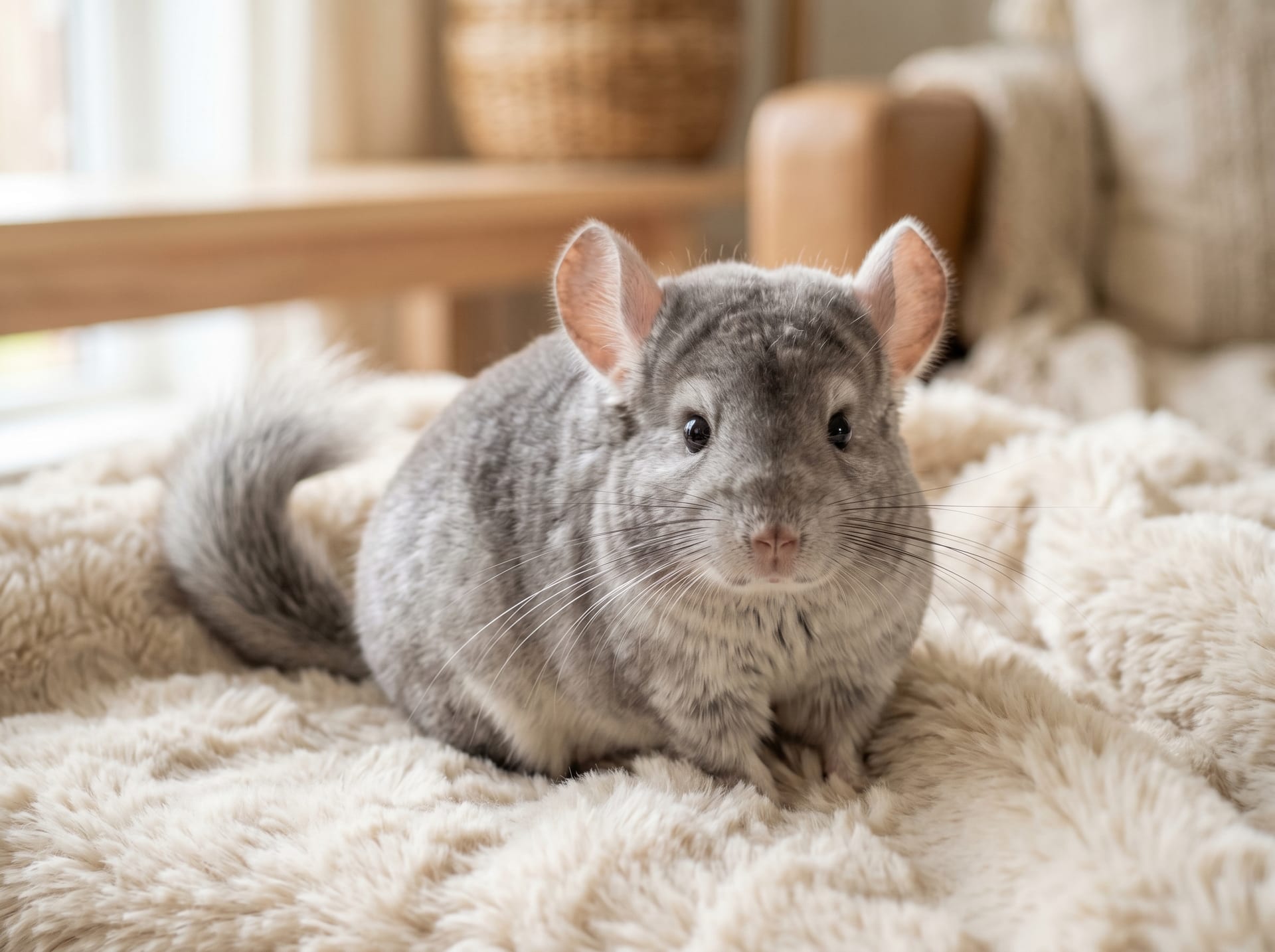
Chinchillas (Chinchilla lanigera) are rodents belonging to the Chinchillidae family, naturally inhabiting rocky terrain at altitudes of 3,000–5,000 meters in the wild. Through adaptation to this harsh natural environment, chinchillas have developed unique physical and physiological characteristics.
Main Features of Chinchillas
- Fur: 60–80 hairs grow from a single hair follicle, giving chinchillas the densest fur among mammals
- Lifespan: 15–20 years in captivity (longer than dogs and cats)
- Thermoregulation: Almost no sweat glands; poor temperature regulation ability. Heat stroke risk increases sharply above 25°C
- Continuously Growing Teeth: Teeth grow throughout their lives. Dental problems (malocclusion) are among the most common diseases
- Activity Time: Crepuscular (most active in the evening, night, and early morning)
- Stress Sensitivity: Sensitive to environmental changes and noise; stress easily leads to diarrhea and fur chewing
Temperature Management: The Most Critical Aspect of Chinchilla Care
The most important consideration in chinchilla care is temperature management. Adapted to the cool climate of the Andes highlands, chinchillas are extremely heat-sensitive animals.
Appropriate Temperature and Humidity
| Item | Ideal Range | Danger Zone |
|---|
| Temperature | 15–22°C | 25°C or above (heat stroke risk) |
| Humidity | 40–60% | 70% or above (skin disease and mold risk) |
Signs of Heat Stroke and Response
- Symptoms: Lethargy, mouth breathing, red ears, drooling
- Emergency Care: Move to a cool location and cool the ears with a damp towel (avoid rapid full-body cooling)
- Prevention: Run air conditioning 24 hours during summer. Place the cage away from direct sunlight and windows
Japan's summer is a life-threatening season for chinchillas. Prioritize the animal's life over electricity costs and ensure rigorous air conditioning management.
Cage Setup and Living Environment
Chinchillas enjoy vertical movement, so a cage with substantial height is ideal.
Cage Selection Criteria
- Minimum Size: 60×45×90cm (height) or larger recommended. Larger is better
- Material: Metal construction (wood can be chewed and develop mold)
- Flooring: Hard floors cause bumblefoot; use wood boards or cloth bird hammocks
- Shelving: Install multiple shelves (for vertical movement)
- Cage Placement: In a room with air conditioning, away from direct sunlight and air conditioning vents
Essential Cage Items
- Water Bottle (nipple-type; water bowls get dirty easily)
- Hay Feeder (for timothy hay)
- Sand Bath Container (dedicated case)
- Hideaway (House): A secure private space
- Chew Wood: For proper tooth wear
Food Management: Timothy Hay-Based Diet
Chinchilla digestive systems, like rabbits', are designed to process high-fiber grass as their primary food.
Basic Diet
| Food | Percentage | Amount |
|---|
| Timothy Hay (1st cutting) | 70–80% | Available at all times |
| Chinchilla Pellets | 15–20% | ~5g daily per 100g of body weight |
| Vegetables/Leafy Greens | Minimal | 2–3 times weekly, small amounts |
| Treats (dried fruit, etc.) | Nearly none | 1–2 times monthly, tiny portions |
Forbidden Foods
Chinchilla digestive systems are sensitive; avoid these foods:
- High-Sugar Foods: Large fruit servings, sweet treats (digestive upset, obesity)
- High-Fat Foods: Sunflower seeds, nuts (fatty liver)
- High-Water Vegetables: Excessive lettuce (diarrhea)
- Legumes and Tubers: Digestive upset
- Caffeine, Chocolate, Alcohol: Toxic
Importance of Hay
Timothy hay is essential for chinchilla tooth wear, digestive motility, and fiber intake. Animals that don't eat hay are at increased risk of overgrown teeth (malocclusion). Provide high-quality first-cutting timothy hay constantly available.
Sand Bathing: Chinchilla-Specific Grooming
Chinchillas do not take water baths. Instead, they perform sand bathing with specialized sand (volcanic ash) to remove dirt and excess skin oils from their fur.
Sand Bathing Method
- Fill a container with chinchilla-specific sand bath sand (bath sand) to 5–7cm depth
- Prepare a container large enough for the chinchilla with a secure lid (to contain sand)
- Provide sand bathing time 3–5 times weekly, 10–15 minutes per session
- Change sand regularly (approximately weekly)
Important Notes:
- Excessive sand bathing overdries the skin (3–5 times weekly is appropriate)
- Wetting the body is strictly prohibited (water penetrates the fur layers, takes extremely long to dry, and can cause mold)
- Avoid cat litter and sandbox sand (coarse particles can damage eyes and respiratory system)
Socialization and Behavioral Enrichment
In the wild, chinchillas live in groups and are highly social animals. While single-housed chinchillas can partially meet social needs through human interaction, keeping them with others is also an option.
Building Trust With Humans
When first bringing a chinchilla home, avoid forcing handling until it adjusts to its environment:
- First 1–2 Weeks: Speak gently while observing quietly. Wait until it stops fleeing when you approach the cage
- Once Comfortable: Offer favorite foods (one pellet) from your hand
- Gradually: Practice having it stand on your hand. Don't grab it; wait for it to come voluntarily
- Handling: Support from below rather than grabbing the back
Out-of-Cage Exercise (Playtime) Importance
Chinchillas need exercise outside their cage. Allow 30 minutes to 1 hour daily of free movement in a safe room.
Out-of-Cage Precautions:
- Remove hazards (power cords, sharp furniture edges) beforehand
- Block escape routes (furniture gaps)
- Never take your eyes off it (chinchillas are curious and slip into tight spaces)
- Always confirm the room temperature is appropriate
Health Management and Common Diseases
Chinchillas hide illness easily. Daily observation enables early detection.
Common Conditions and Prevention
Malocclusion (Overgrown Teeth)
- One of the most common chinchilla diseases
- Symptoms: Drooling, loss of appetite, weight loss, wet area around mouth
- Cause: Insufficient hay, genetic factors
- Treatment: Veterinary tooth treatment required (regular checks needed)
Fur Chewing (Fur Chewing Behavior)
- Eating its own fur or cage mates' fur
- Cause: Stress, boredom, nutritional deficiency, insufficient fiber
- Treatment: Increase hay, enrich environment, remove stress sources
Heat Stroke
- Maximum summer risk. Risk increases sharply above 25°C
- Prevention: Rigorous air conditioning management
Gastrointestinal Upset (Bloat, Stasis)
- Symptoms: Loss of appetite, no bowel movements, distended abdomen
- Treatment: Seek veterinary care immediately (exotic animal veterinarian)
Regular Checkups Recommended
- Annual to bi-annual health exams (exotic animal veterinarian)
- Weigh weekly and keep records (early detection of changes)
Summary
When properly managed, chinchillas are wonderful companions that can live with you for 15–20 years. However, temperature management failure, inappropriate diet, and insufficient sand bathing cause serious health problems.
Japan's hot, humid summers are the greatest challenge for chinchillas. 24-hour air conditioning is a non-negotiable requirement.
To achieve a long and healthy life with your chinchilla, prioritize daily observation, proper diet, regular sand bathing, and working with a veterinarian experienced with exotic animals.