Complete Guide to Choosing Small Animal Cages | Hamsters, Rabbits, Chinchillas
A species-by-species guide to selecting cages for small animals. Learn about the appropriate sizes, materials, layouts, and comfortable living environments for hamsters, rabbits, chinchillas, and degus.
Key Takeaways
A species-by-species guide to selecting cages for small animals. Learn about the appropriate sizes, materials, layouts, and comfortable living environments for hamsters, rabbits, chinchillas, and degus.
Complete Guide to Choosing Small Animal Cages | In-Depth Breakdown by Hamsters, Rabbits, Chinchillas, and Degus
Before bringing home a small animal, the first challenge you'll face is choosing the right cage. A cage isn't just a "container"—it's the "home" where your small animal will spend its entire life. An inappropriately sized cage can cause stress and illness, while a poorly designed structure can lead to escape attempts and injuries.
✍️
BreederDirect Editorial
The BreederDirect editorial team specializes in care information for animals, covering veterinary care and breeding to deliver beginner-friendly guides.
Find Small Animals on BreederDirect
Buy directly from verified breeders
Browse Related Listings
Find Small Animals listings related to this article on BreederDirect. Buy directly from verified breeders.
Related Tools
Related Articles
Browse by Category
🪸Coral
🐠Marine Fish
🐟Tropical Fish
🐡Goldfish
🐟Medaka
🦎Reptiles
Share
In this article, we'll provide detailed guidance on cage selection for four types of small animals: hamsters, rabbits, chinchillas, and degus. Whether you're a first-time small animal owner or an experienced one, this guide will help you make confident choices.
---
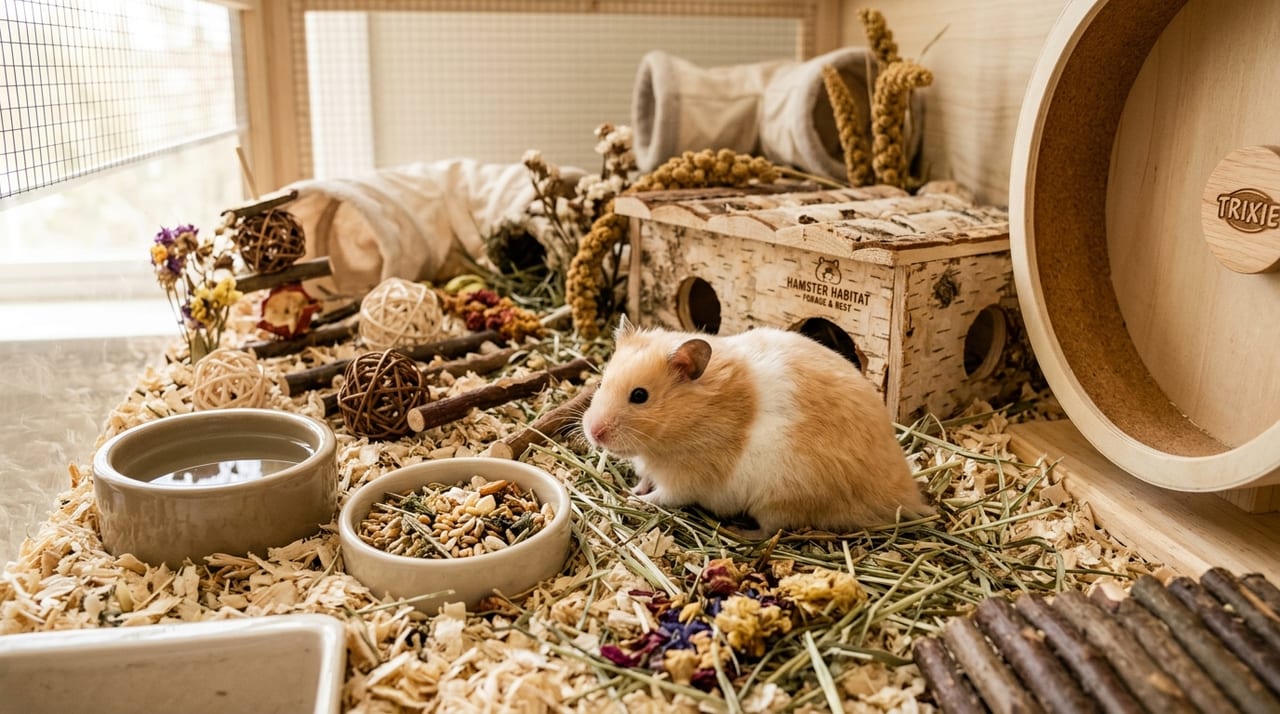
Hamster Cage Selection
Recommended Size
Though hamsters appear small, they are active animals that naturally run several kilometers in a single night. A cage that's too small causes stress, leading to hair loss and "stereotypic behavior"—repetitive, stress-related actions.
Golden Hamsters: Width 60cm × Depth 40cm × Height 30cm or larger
Dwarf Species (Djungarian, Campbell, etc.): Width 45cm × Depth 30cm × Height 25cm or larger
In recent years, the "bigger is better" philosophy has become mainstream, with many hamster keepers now recommending cages wider than 90cm for Golden Hamsters.
Cage Types and Characteristics
Type
Advantages
Disadvantages
Tank-style (Acrylic/Glass)
Minimal bedding scatter, excellent heat retention
Heavy, requires careful ventilation planning
Wire Cage
Excellent ventilation, easy to attach accessories
Escape risk, may develop bar-chewing habits
Plastic Cage
Lightweight and easy to handle
Prone to being chewed through, slightly lower ventilation
Essential Items and Placement
Exercise Wheel: 17–21cm diameter (Golden), 12–17cm (Dwarf). The wheel must prevent spinal curvature.
Nesting Box: Large enough for the entire body, with a dark, calming interior structure.
Water Bottle: Sipper-bottle type is most hygienic. Change water daily.
Bedding: Ideally 5cm or deeper. Use safe materials like paper-based or wooden bedding.
Sand Bath Container: Not essential for Golden Hamsters, but Dwarf species use sand baths to maintain coat health.
---
Rabbit Cage Selection
Recommended Size
Like dogs and cats, rabbits require far more space than many people realize. Use the cage as a "sleep area and secure base," while allowing your rabbit to roam freely indoors during the day.
Small Breeds (Netherland Dwarf, etc.): Width 60cm × Depth 50cm × Height 50cm or larger
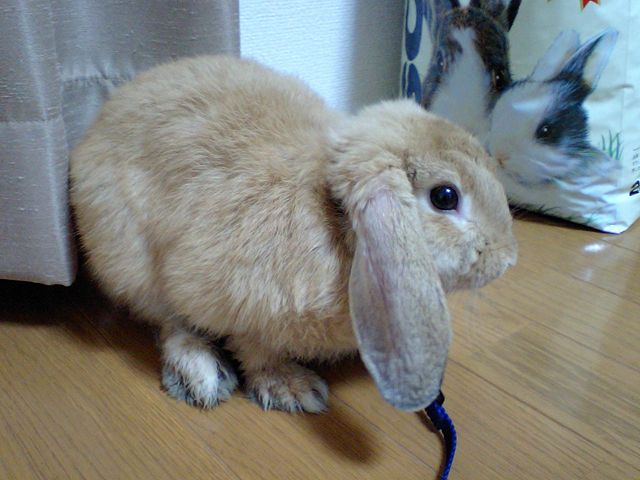
Medium Breeds (Mini Rex, Holland Lop, etc.): Width 80cm × Depth 50cm × Height 50cm or larger
Large Breeds (Rex, etc.): Width 100cm × Depth 60cm × Height 60cm or larger
Important Considerations for Cage Structure
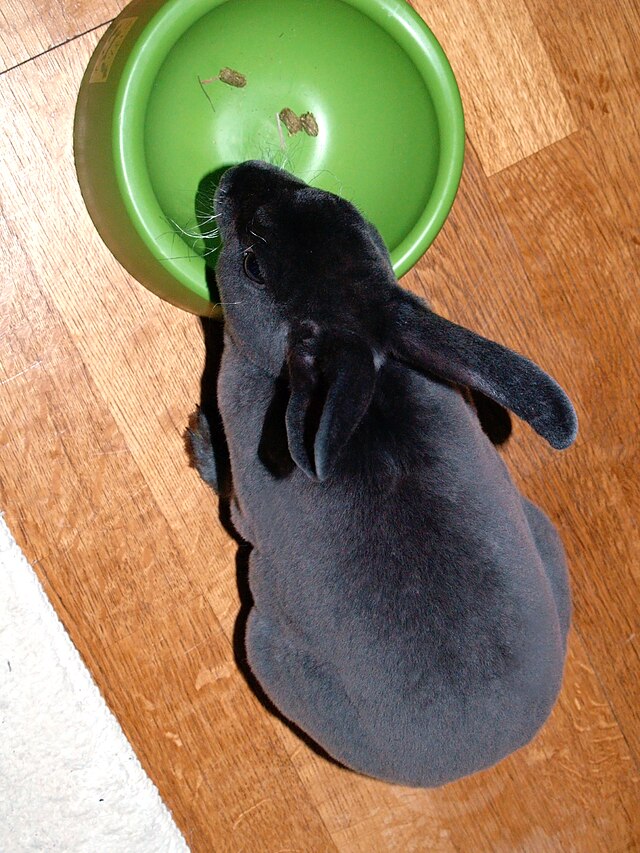
Flooring material is critical. Prolonged exposure to metal or mesh flooring can cause hair loss on the paw pads, leading to "sore hock" (pododermatitis). If choosing a slat-floored cage, select one with soft wood or plastic slats, or place a mat over part of the floor for comfort.
Litter box placement is also important. Rabbits can be litter-trained, so install a rabbit-specific litter box in a corner of the cage. Successful litter training significantly reduces accidents during free-roaming time.
Ensuring Adequate Free-Roaming Space
Rabbits shouldn't spend the entire day confined to a cage; it's detrimental to their physical and mental health. Provide at least 1–2 hours daily in a safe room where your rabbit can move freely. Prevent electrical cord-chewing accidents by using cords guards or setting up play pens in the free-roaming area.
---
Chinchilla Cage Selection
Recommended Size and Critical Considerations
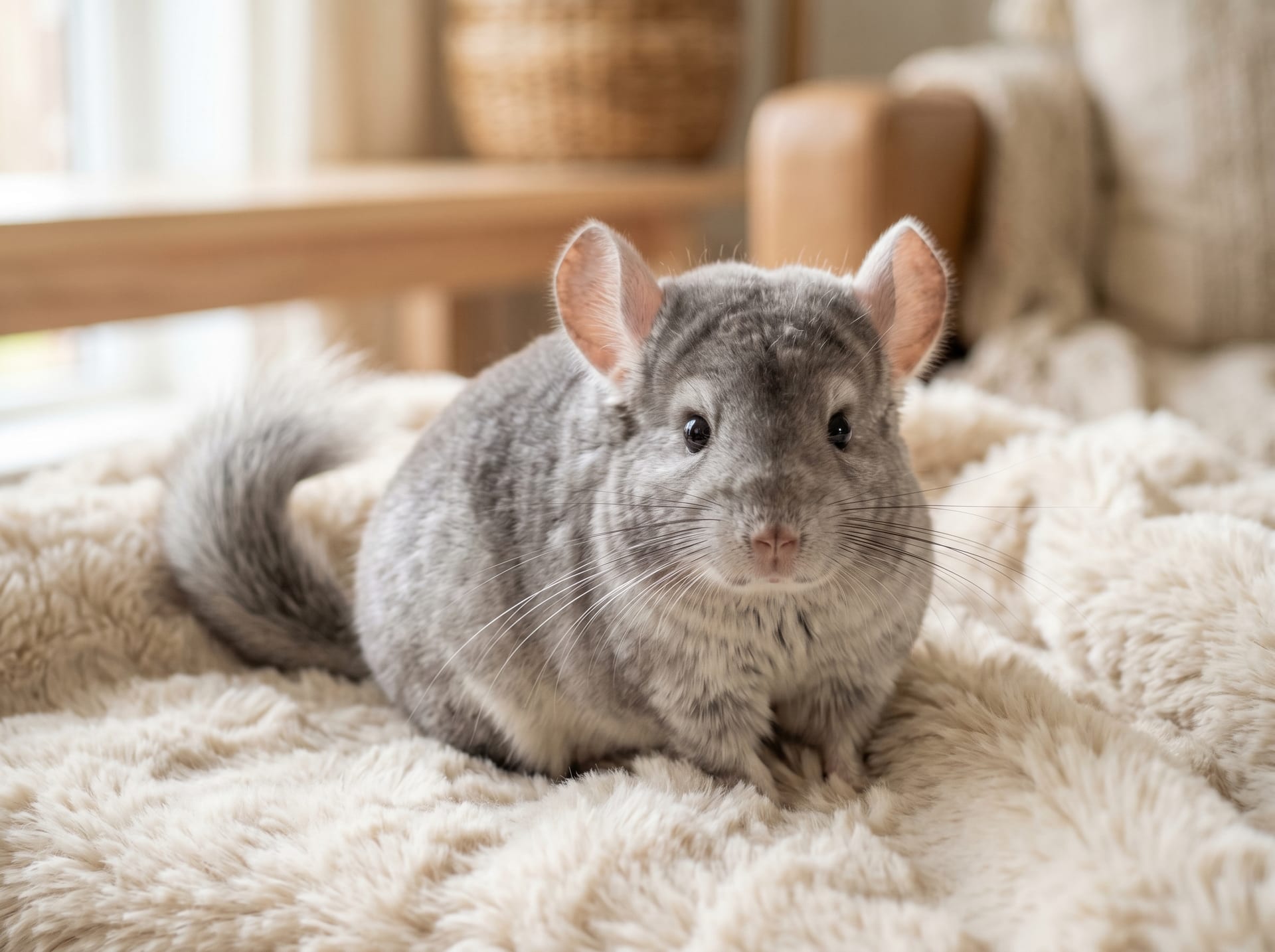
The most important aspect of chinchilla cage selection is height. Chinchillas are highly active animals that jump vertically, and confining them to a cramped space causes stress that can result in "fur chewing," a serious behavioral problem.
Once you've secured height, install multiple shelves or levels inside the cage to create a three-dimensional environment. Chinchillas thrive in spaces with elevation and vertical complexity.
Essential Chinchilla Items
Sand Bath Container: Sand bathing is essential for maintaining chinchilla coat health. Provide chinchilla-specific sand several times weekly.
Chew Wood: Since chinchilla teeth grow continuously, provide safe wood types (apple wood, poplar, etc.) at all times.
Hammocks and Shelters: Combine fabric hammocks with wooden shelters to create comfortable resting spots.
Chinchillas struggle with temperature regulation, and the risk of heatstroke increases dramatically above 25°C. Summer air conditioning is essential.
---
Degu Cage Selection
Recommended Size
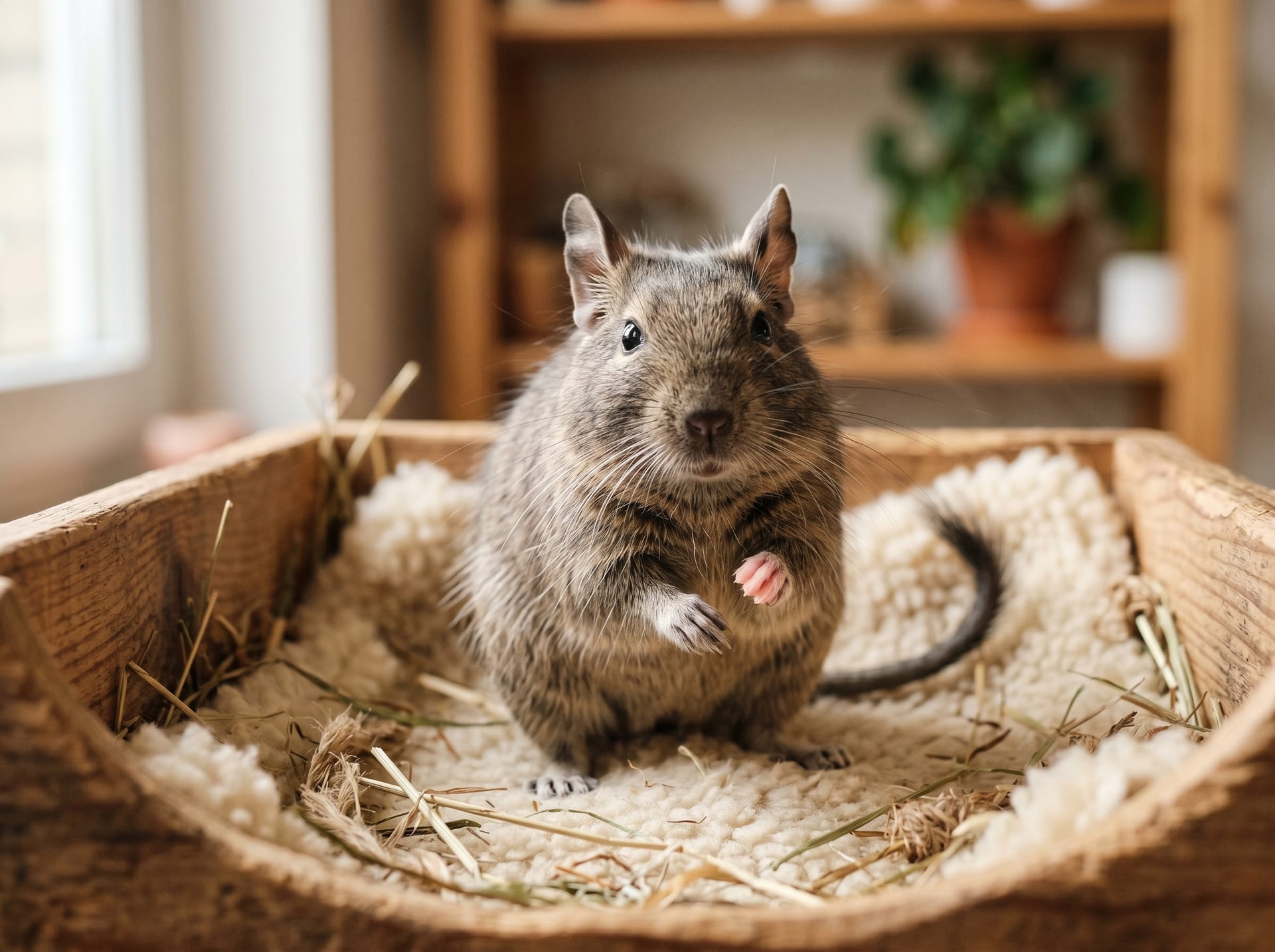
Degus are intelligent, highly social animals. Pair or group housing is recommended over solitary keeping. Increase cage size accordingly for multiple degus.
3 or More: Provide even more spacious accommodations
Equipment to Consider
Exercise Wheel: Essential. A 25cm or larger metal wheel is ideal to prevent spinal strain.
Chew-Proofing: Degus have extremely powerful chewing abilities, so avoid cages with many plastic components. Metal or wood construction is safer.
Sand Baths: Like chinchillas, degus use sand baths to maintain coat health.
Degus are prone to diabetes, so strictly avoid sugary foods and fruits. Ensure nothing containing sweet ingredients is placed in the cage.
---
Common Cage Placement Guidelines
Regardless of which animal you keep, cage location directly impacts health. Following these guidelines prevents illness and stress.
Avoid direct sunlight: Prevents heatstroke and temperature-related stress.
Avoid direct air conditioning airflow: Sudden temperature changes cause illness.
Choose a quiet, calm location: Avoid areas near televisions or front doors.
Elevate the cage slightly off the ground: Reduces exposure to ground-level cold air and makes cleaning easier.
For multi-species housing: If keeping different species together, arrange cages so they can't see each other to minimize stress.
---
br-choku's Safe and Reliable System
Once your cage is ready, it's time to select the individual animal to bring home. br-choku allows you to purchase small animals directly from breeders who have carefully raised them in their homes, without middlemen.
br-choku's Key Features
Direct Breeder Sales: Confirm the animal's rearing environment and parental information directly.
Health Transparency: Breeders provide detailed descriptions of each animal's characteristics and special care needs.
After-Sales Support: Build an ongoing relationship with the breeder for post-purchase advice.
Fair Pricing: Bypass distribution costs for transparent, equitable pricing.
Information difficult to obtain from pet shops—such as "what environment the animal was raised in" or "the parent's temperament and physique"—is directly available from breeders on br-choku. Once your cage is prepared and your home is ready, explore br-choku to find a trustworthy breeder for your new companion.