Hamster Breed Comparison Guide | Golden, Dwarf, and Roborovski
Compare popular hamster breeds by personality, size, lifespan, and ease of care. This guide explains the characteristics and selection tips for each breed, including Golden, Dwarf, Roborovski, Campbell, and more.
Key Takeaways
Compare popular hamster breeds by personality, size, lifespan, and ease of care. This guide explains the characteristics and selection tips for each breed, including Golden, Dwarf, Roborovski, Campbell, and more.
Related Species
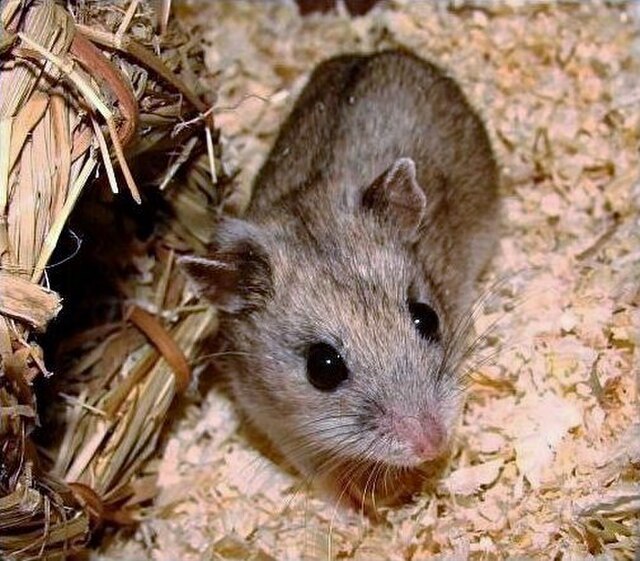
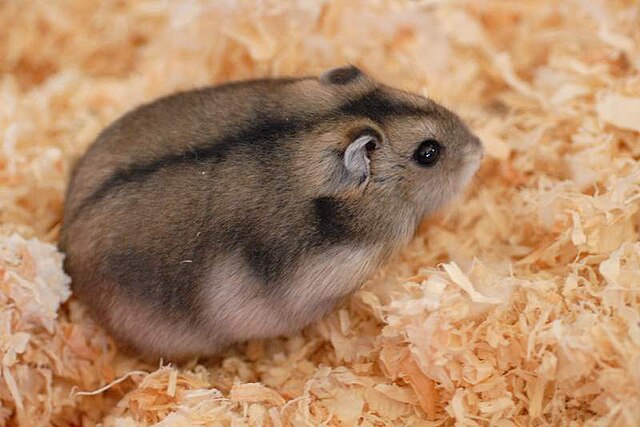
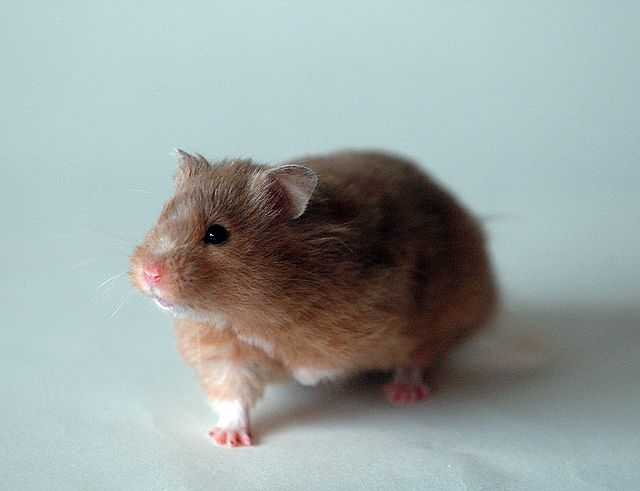
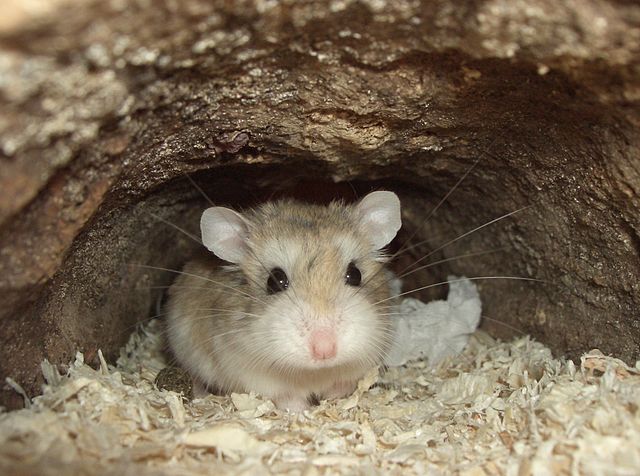
Hamsters are popular small animals in Japan, but even though they're all called "hamsters," their size, personality, and ease of care vary greatly depending on the breed. When first-time hamster owners visit pet shops, they often feel overwhelmed by the many different breeds available.
This article provides detailed explanations of five representative breeds and offers tips for selecting a breed that fits your lifestyle. Finding the breed that's right for you is the first step toward a long and happy life caring for your pet.
Basic Specifications Comparison of Five Major Breeds
Let's first review the major breeds in a quick reference table.
| Breed | Body Length | Lifespan | Temperament Tendency | Beginner Suitability |
|---|---|---|---|---|
| Golden | 15–20cm | 2–3 years | Friendly, Docile | ◎ |
| Dwarf | 7–12cm | 2–2.5 years | Active, Somewhat Timid | ○ |
| Roborovski | 5–7cm | 3–3.5 years | Timid, Best for Observation | △ |
| Campbell | 7–10cm | 2–2.5 years | May Bite More Easily | △ |
| Chinese | 9–13cm | 2–3 years | Slender, Quick | ○ |
All hamster breeds have relatively short lifespans of around 2–3 years, which is why daily observation and proper care are essential. With appropriate care, you can maximize your hamster's healthy lifespan.
Detailed Breakdown of Each Breed
Golden Hamster (Syrian Hamster)
The largest of the five breeds, Golden hamsters grow to 15–20cm in body length. Because of their size, their movements are gentle and deliberate, making them the most beginner-friendly breed. Many individuals naturally become comfortable with human handling, and with regular gentle interaction, they can easily be tamed to sit in your hand.
Another appeal is the variety of coat colors. There are warm orange-toned "Cinnamon," darker "Black," and patterned "Panda" varieties, so you can enjoy choosing based on appearance as well.
Care Considerations: Golden hamsters are extremely territorial. Once fully grown, they cannot be housed together; they must each have their own separate cage. Provide a spacious cage (at least 60cm wide) and equip it with an exercise wheel that matches their activity level.
Dwarf Hamster (Djungarian Hamster)
The most popular small hamster breed, you'll often spot these in pet shops. At 7–12cm in body length, they're compact, yet they're energetic and active, running around continuously. Some will spend the entire night on their exercise wheel, as their activity level is quite high.
Color variations are abundant, with popular options including the gray "Normal," yellowish "Pudding," and white "Pearl." Once they become comfortable with you, they can enjoy hand-taming, though this varies by individual—it's important to build the relationship slowly without rushing.
Care Considerations: Because of their small size, escape prevention is important. Pay careful attention to cage gaps and door closures. Additionally, they're prone to diabetes, so it's best to limit sugary treats and focus on proper nutrition for good health.
Roborovski Hamster
At 5–7cm in body length, it's known as the world's smallest hamster. Their tiny size and adorable round face make them popular, but they move extremely quickly and are very alert, making them difficult to tame. They'll run away if you try to catch them, so this breed isn't ideal if you want frequent physical interaction.
However, they have a major advantage: they can be housed together in groups (with same-sex littermates). Watching 2–3 running around in a spacious cage is incredibly endearing and offers wonderful observation opportunities. Their lifespan of 3–3.5 years is also relatively long for hamsters.
Care Considerations: Their tiny bodies are susceptible to accidents like becoming trapped in bedding or water bottle nozzles. Because of their speed, be extremely careful during handling to prevent falls.
Campbell's Dwarf Hamster
They look very similar to Dwarf hamsters, but they're a different species. Compared to Dwarf hamsters, Campbell's are known to bite more readily, so early and frequent handling from a young age is particularly important. They're social and can sometimes be housed together if they're compatible, but incompatible individuals may fight intensely, so careful observation is necessary when introducing them.
This breed is better suited to intermediate-level hamster keepers with some experience.
Chinese Hamster
Characterized by their slender bodies and graceful movements, they're skilled at climbing and standing up on their hind legs. Many individuals are calm and gentle, and once tamed, they're easy to handle—though as a less common breed, they're harder to find in pet shops.
Care Considerations: Their slender bodies make them prone to escaping through cage bar gaps. It's safest to choose a tank-style cage or specialist hamster enclosure with narrower spacing.
Choosing the Breed That's Right for You
If you're unsure which breed to choose, consider these factors:
If you want to enjoy frequent interaction → Golden hamster is the clear choice. They're naturally friendly and easy to handle, making it enjoyable to communicate and bond with them.
If you want to keep them in limited space → Consider small breeds like Dwarf or Roborovski. However, even in a smaller cage, make sure the exercise wheel matches their body size.
If you want to enjoy a group of hamsters → Roborovski is ideal. Watching them scurry around together in a group is incredibly relaxing.
If you prefer observation over interaction → Roborovski and Chinese hamsters are better suited to "watching and admiring" rather than hands-on care.
Essential Supplies for Hamster Care
Regardless of breed, make sure to have all of the following:
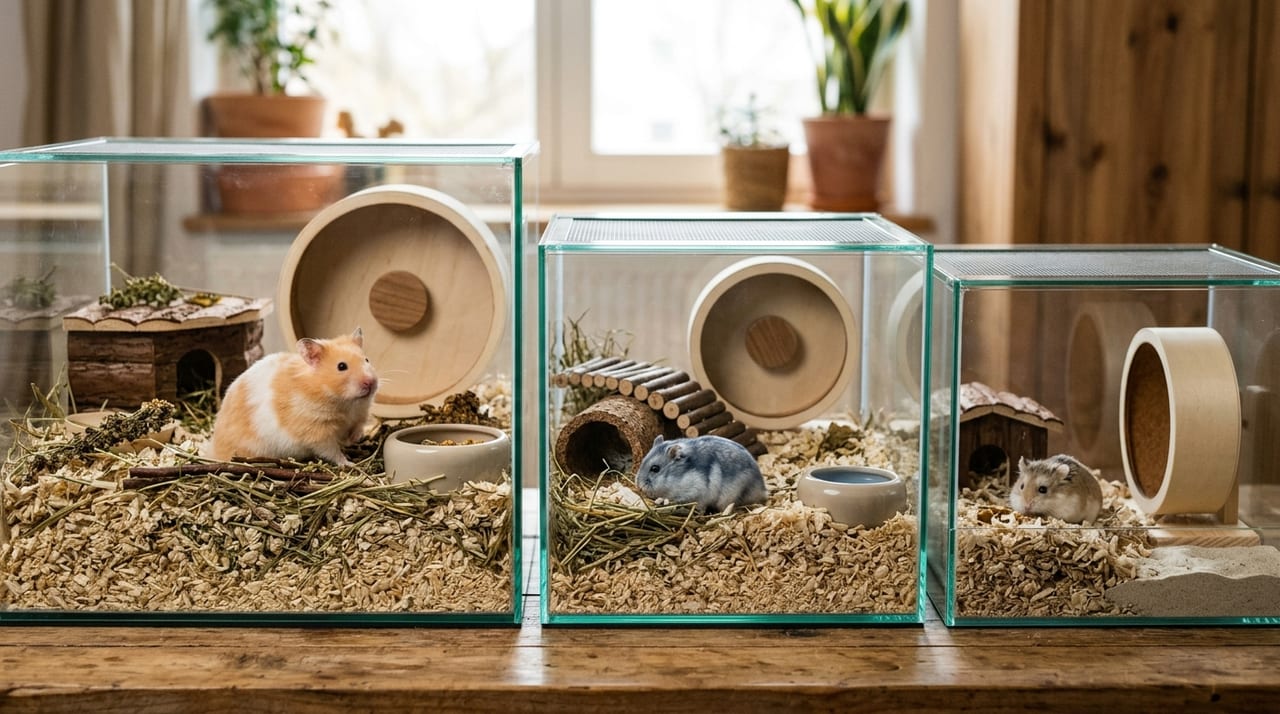
- Cage: At least 60cm wide is recommended (50cm or larger even for small breeds)
- Exercise Wheel: Aim for a diameter that's 2–2.5 times your hamster's body length. Quiet models are recommended
- Nest Box: Available in ceramic, wood, and other materials. Choose one large enough for your hamster to fully enter
- Bedding: Wood chips or paper-based material. Use a generous layer to encourage natural burrowing behavior
- Food Dish: Ceramic or metal (something safe to chew on)
- Water Bottle: Drip-proof nozzle types are most hygienic
A cage can never be "too big." Providing as much space as possible helps reduce stress.
BreederDirect's Safe and Secure Approach
With BreederDirect, you can purchase hamsters directly from breeders who specialize in each breed. Unlike typical pet shops, breeders can explain in detail the living conditions and health status of their animals, making it much easier to ask for care advice after purchase.
If you have a preference for a specific breed or color, or if you want to carefully select a healthy individual, direct purchase from a breeder is highly recommended. Consult with breeders who know their breed well, and find the perfect hamster for you.