Hamster Species Comparison Guide | Characteristics and Selection Guide for Golden, Djungarian, and Roborovski Hamsters
A comprehensive comparison of the personality, size, and difficulty level of various popular hamster species as pets. For those unsure about choosing their first hamster, this guide explains the differences between species and how to care for each type.
Key Takeaways
A comprehensive comparison of the personality, size, and difficulty level of various popular hamster species as pets. For those unsure about choosing their first hamster, this guide explains the differences between species and how to care for each type.
Related Species
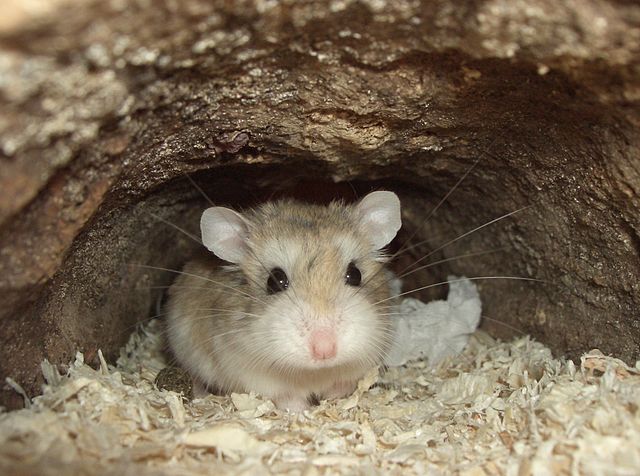
Hamster Species Come in Many Varieties
When people think of "hamsters," many likely picture a round, chubby Golden Hamster. However, various species are actually available as pets—including Djungarian, Campbell's, and Roborovski hamsters—and they differ greatly in size, temperament, and ease of care.
The most important thing when choosing a hamster is asking yourself: "How do I want to interact with it?" Do you want to hold it and interact with it hands-on, or would you prefer to enjoy watching it move around? How much space do you have for a cage, and how much time can you dedicate to daily care? By thinking through these questions, the right species will naturally become clear. This article compares three popular species in detail and offers guidance for making a choice you won't regret.
Golden Hamster | Most Recommended If You Prioritize Interaction
Size: 15–20 cm (weight 100–200 g) Lifespan: 2–3 years Care Difficulty: ★☆☆☆☆ (Very easy)
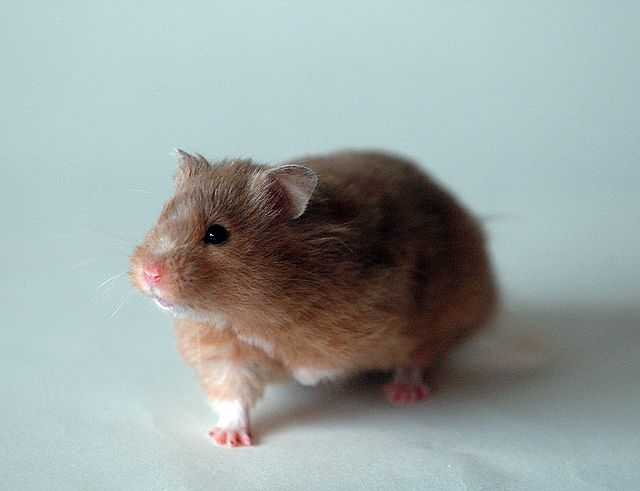
The Golden Hamster (also called Syrian Hamster) is the largest hamster species available as a pet and is known for its friendly, affectionate nature. Once accustomed to human contact, it can learn to rest in your hand, and many individuals enjoy being petted, making it the most recommended species for those who want to enjoy hands-on interaction.
They have relatively calm temperaments, and handling becomes easier if you acclimate them gently from a young age. Because they are nocturnal, the key is to interact with them during their active period in the evening and at night. They sleep during the day, so forcing interaction during these times can actually cause stress—keep this in mind.
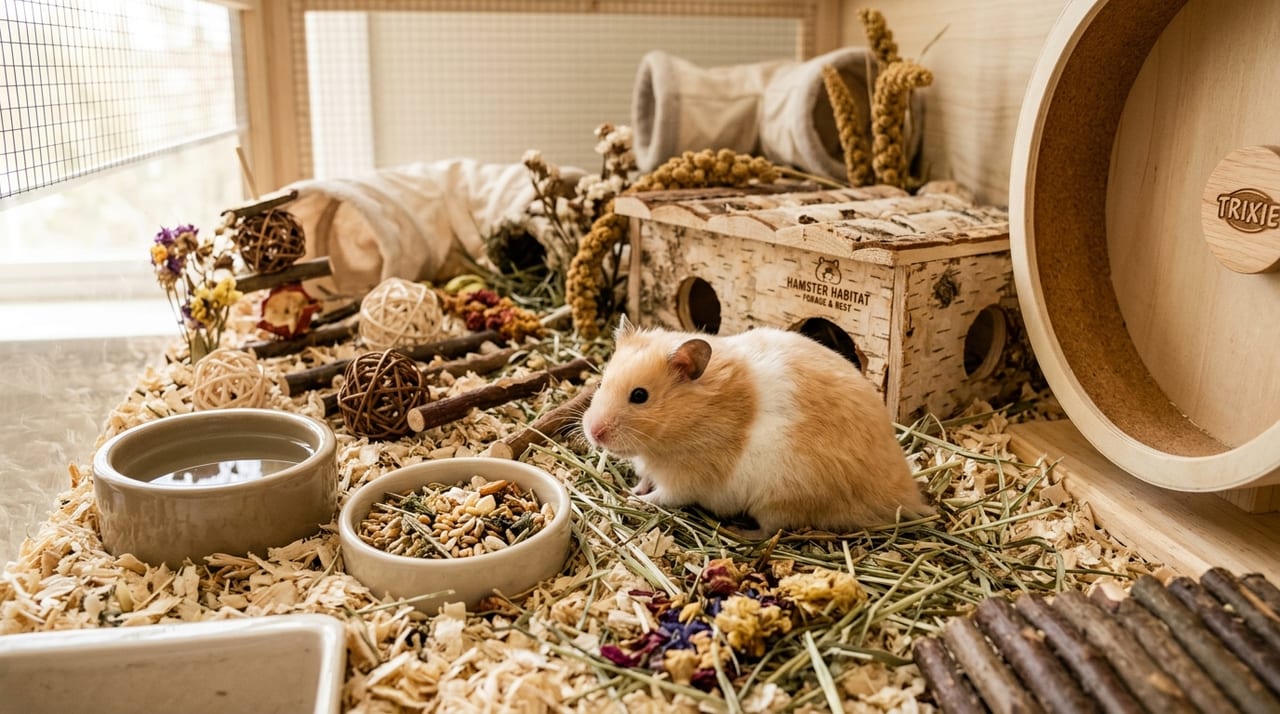
Housing Requirements: Solitary housing is essential—they will fight fiercely even with their own kind, so one hamster per cage is a must. Provide a cage at least 60 cm wide, and choose a wheel 28 cm or larger to keep their spine from bending. Shred tissue or paper towels thickly across the floor to satisfy their nesting instincts.
Color variations are abundant—Golden (standard), Cream Bear, Panda, and Cinnamon are among the many colors available. If you want a hamster with a distinctive appearance, the wide range of colors is part of their appeal.
Djungarian Hamster | The Most Popular Dwarf Species
Size: 7–10 cm (weight 30–45 g) Lifespan: 1.5–2.5 years Care Difficulty: ★★☆☆☆ (Easy)
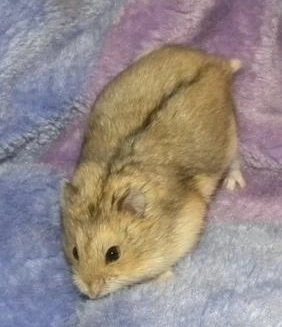
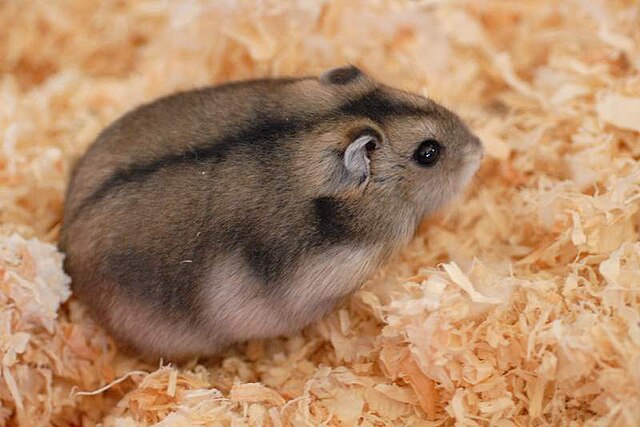
The Djungarian Hamster is the most popular and widely available of the dwarf hamster species. Being smaller and more compact than Golden Hamsters, they are easier to keep even in apartments or smaller rooms. They come in many color variations—Normal, Sapphire, Pudding, Pearl, and more—so you have fun options to choose based on appearance.
Personalities vary significantly between individuals—some are quite friendly, while others are shy and reluctant to be handled. Although not as readily tamable as Golden Hamsters, they can become handleable with patient, gradual acclimation. Rather than trying to pet them right away, it's important to allow about a week for them to adjust to their environment while you talk to them softly.
Housing Requirements: Although dwarf species are sometimes said to be able to live together, they often fight over territory even with their own kind, so housing each one separately is the safest approach. A cage 40–50 cm wide is suitable, but since they are active runners, always provide a wheel 21 cm or larger.
While relatively cold-hardy, they can fall into torpor (a hibernation-like state) in very cold conditions. Maintain room temperature between 20–26°C, and pay special attention to temperature control during winter.
Roborovski Hamster | An Ultra-Tiny Species for Observation
Size: 4–5 cm (weight 15–25 g) Lifespan: 2–3 years Care Difficulty: ★★★☆☆ (Intermediate)
Roborovski Hamsters are the smallest hamster species, and given their quick movements and shy nature, it's most realistic to think of them as observation-only pets. They suit those who prefer to enjoy watching their adorable movements rather than hands-on interaction.
They move extremely quickly, and most will panic if you try to pick them up. Forcing handling can stress them and cause health problems, so observe them from a distance without rushing—that should be your basic approach. That said, occasionally a Roborovski becomes quite tame, so it's worth asking the breeder about an individual's temperament before purchasing.
Housing Multiple Hamsters: Roborovski Hamsters are relatively suited to group housing, and it's common to see two or three living together. Watching multiple hamsters run on the wheel together is quite endearing, and group housing has its own special appeal. However, if they don't get along, they will fight, so closely monitor them during the initial period after introduction.
Health Management Notes: Because they are so tiny, illness can be hard to spot, and by the time you notice something is wrong, they may already be seriously ill. It's important to develop a habit of closely observing their daily behavior patterns and any changes in appetite and waste. They also have a strong escape ability and can squeeze through even tiny gaps, so using a glass cage or specialized enclosure with no openings is recommended.
Campbell's Hamster | Learn the Differences from Djungarian Hamsters
Campbell's Hamster is often confused with the Djungarian. Their appearance is very similar, but their temperament is slightly more assertive and they tend to bite more readily. Pet shops sometimes sell them as "Djungarian," but when acquiring from a breeder, you can be sure of the exact species—that's reassuring.
They have fewer color variations than Djungarians, but Agouti (wild-type), Fawn, and Black are available. Since personality varies greatly between individuals, asking the breeder about an individual's temperament before acquiring it reduces the chance of a poor match.
Key Points for Species Selection and Pre-Ownership Checklist
Before bringing a hamster home, sorting through the following points will make your choice easier.
Recommended Species by Purpose
- Prioritizing interaction and handling → Golden Hamster
- Compact and easy-to-handle dwarf species → Djungarian Hamster
- Enjoying observation and group housing → Roborovski Hamster
Things to Confirm Before Bringing One Home
- Do you have space for a cage? (At least 40×60 cm)
- Since they are nocturnal, are you comfortable with nighttime activity noise (wheel running, etc.)?
- If you travel or go on business trips frequently, can you arrange care during your absence?
- Is there a veterinary clinic nearby that can treat hamsters?
It's especially important to check on veterinary care beforehand. Veterinarians who can treat hamsters are less common than those for dogs and cats, so be sure to identify clinics that handle "exotic animals" in advance so you're not caught off-guard in an emergency.
BreederDirect allows you to purchase hamsters directly from breeders. The ability to ask breeders beforehand—"What is this individual's temperament?" or "How well-socialized is it?"—and then choose accordingly is an advantage unique to BreederDirect that you won't find at pet shops. If you want to bring home a healthy, well-socialized hamster, we encourage you to find your favorite breeder on BreederDirect.