Hamster Breed-Specific Care Comparison Guide | Differences Between Golden, Dwarf, and Roborovski Hamsters
Compare the temperament, size, and difficulty of care for major hamster breeds including Golden, Dwarf (Jungar), and Roborovski hamsters. Learn breed selection tips for beginners, plus key differences in cage setup, diet, and handling for each species.
Key Takeaways
Compare the temperament, size, and difficulty of care for major hamster breeds including Golden, Dwarf (Jungar), and Roborovski hamsters. Learn breed selection tips for beginners, plus key differences in cage setup, diet, and handling for each species.
Related Species
Hamster Care Basics | Getting to Know the 3 Major Breeds
Hamsters are among the most popular small animal pets, and their adorable behaviors combined with ease of care make them ideal for beginners. The vast majority of hamsters kept in Japan belong to one of three species: the Golden hamster, Dwarf (Jungar) hamster, and Roborovski hamster.
Each breed differs significantly in body size, temperament, and difficulty of care, and the best breed for you depends on your lifestyle and experience level. This article provides detailed comparisons of these three species to help you choose the perfect hamster companion.
Breed-Specific Data and Size Differences
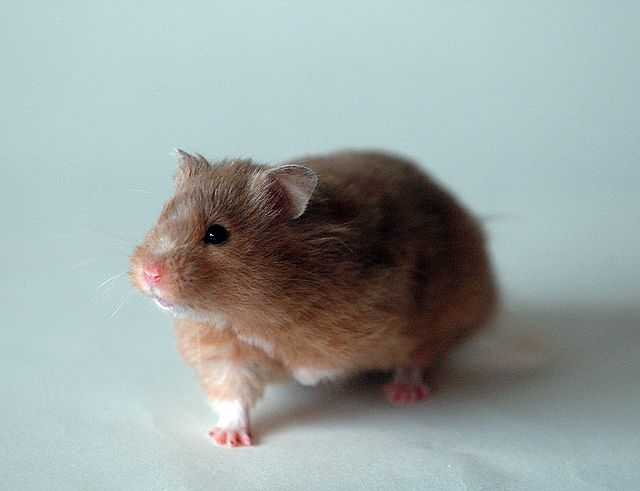
Golden Hamster
With a body length of 15–20 cm and weight of 100–200 g, Golden hamsters are among the largest pet hamsters. Their lifespan is 2–3 years, and their coat colors range widely, including gold, cream, and white. Native to Syria, they are solitary animals in the wild.
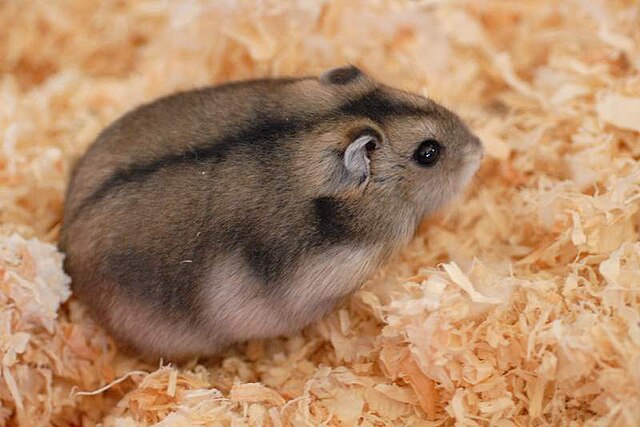
Dwarf (Jungar) Hamster
Measuring 7–12 cm in body length and weighing 30–50 g, Dwarf hamsters are about half the size of Golden hamsters. They live 2–2.5 years. Coat colors include Normal (gray), Blue Sapphire, and Pearl White, with some individuals turning white in winter. They originate from the Russian steppe.
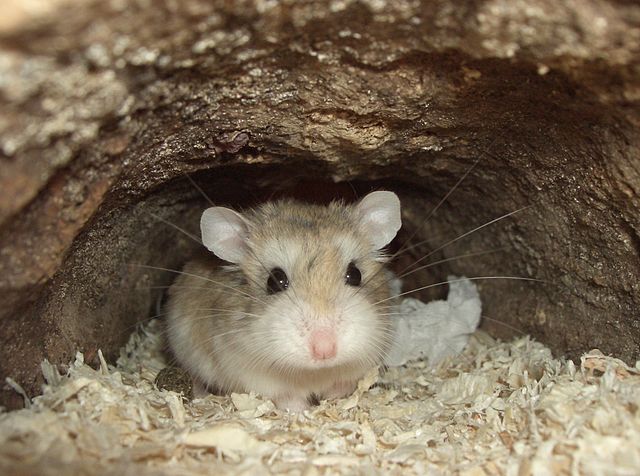
Roborovski Hamster
At 4–5 cm in body length and 15–30 g in weight, Roborovski hamsters are the smallest of the three breeds. They live 2–3 years, which is slightly longer than the other species. They're characterized by pale tan fur with distinctive white eyebrow-like markings. They inhabit desert regions around Kazakhstan and live in small groups in the wild.
Temperament and Tameness Comparison
Golden Hamster
Of the three breeds, Golden hamsters are the most easily tamed and handle well. While individual personalities vary, gentle daily interaction can make them sleep on their owner's hand and respond to their name. However, they are extremely territorial, and housing adults together results in fierce fighting, so solitary housing is absolutely essential.
Most individuals are docile, and biting behavior is rarely problematic with proper handling, making them ideal for first-time hamster owners and families with children.
Dwarf (Jungar) Hamster
Dwarf hamsters have moderate tameness—not quite as easily tamed as Goldens, but many will sit on your hand with patient interaction. They're curious and active, though some individuals can be somewhat nervous.
While their territorial behavior is less intense than Golden hamsters, solitary housing is still recommended. Same-sex pair housing is sometimes possible, but fights can break out unexpectedly, making this option best for experienced keepers.
Roborovski Hamster
Roborovski hamsters are the least tamable and difficult to handle. They are extremely shy and quick-moving, fleeing when you try to hold them. They're best enjoyed as display pets, making them unsuitable for those who value hands-on interaction.
However, there's real joy in observing their agile movements and active behavior. They're the only breed that can be group-housed; keeping 2–3 together reveals fascinating social interactions.
Housing Environment and Cage Size Selection
Golden Hamster
Due to their large size, Golden hamsters need a cage measuring at least 60 cm wide by 45 cm deep. A height of 30 cm is sufficient, but choose a wheel at least 20 cm in diameter—a wheel that's too small can injure their spine.
Spread bedding material (wood chips or paper bedding) at least 5 cm deep, and include a nesting box and hideaway. Select a large toilet that fits their body size, and provide a sand bath area as well.
Dwarf (Jungar) Hamster
A cage measuring at least 45 cm wide by 30 cm deep is appropriate. Choose a wheel 15–17 cm in diameter. While multi-level cages are an option for their small size, risk of falls increases if levels are too high, so ensure sturdy stairs and ramps are properly placed.
Use 3–4 cm of bedding material, and provide a small nesting box and toilet. Select a small water bottle designed for small animals, adjusting the water spout height to fit their size.
Roborovski Hamster
Although they're the smallest breed, their high activity level means a cage at least 45 cm wide by 30 cm deep is ideal. While 12–14 cm wheels work, a 15 cm wheel is safer.
They're escape artists, so pay careful attention to gaps and door closures. Plastic enclosures or glass tanks with no gaps are safer than wire cages. If housing multiple hamsters, provide additional space.
Diet and Feeding Quantities by Breed
Golden Hamster
Daily feeding amounts are about 10–15 g. Use pellet-based food as the staple, supplement with fresh vegetables (spinach, carrots, broccoli, etc.) 2–3 times weekly, and offer sunflower seeds as treats (1–2 seeds).
Because they're prone to obesity, limit high-calorie nuts. Monitor weight daily and maintain ideal body condition. Water intake should be around 20–30 ml per day.
Dwarf (Jungar) Hamster
Daily feeding is about 5–8 g. Use dwarf hamster pellets as the main diet, and offer vegetables in small amounts (about 5 mm cubes) twice weekly. Dwarf hamsters are prone to diabetes, so avoid fruits and sweet vegetables (sweet potato, pumpkin) as much as possible.
Limit sunflower seeds to 1 per day. Water intake averages 10–15 ml per day, but varies by individual—check the bottle level daily.
Roborovski Hamster
Daily feeding is the smallest at about 3–5 g. Use dwarf hamster pellets as the main diet and offer vegetables sparingly. Since they originate from desert habitats, high-moisture foods easily cause diarrhea.
Treats are optional 1–2 times weekly (half a sunflower seed is plenty). Water intake is 5–10 ml per day—change it fresh daily. If housing multiple hamsters, place food in multiple locations to ensure weaker individuals don't go hungry during feeding competition.
Health Management and Disease Prevention
Common Precautions
All breeds are susceptible to overgrown teeth, tumors, skin disease, and respiratory illness. Check weight and do a full body examination (coat condition, eyes, teeth, anal area) once weekly. If you notice any abnormalities, see a veterinarian specializing in exotic animals.
Golden Hamster-Specific Risks
Watch for obesity and heart disease. Lack of exercise and overeating are common causes, so monitor wheel usage and confirm they exercise adequately at night. Tumor incidence increases as they age (2+ years).
Dwarf (Jungar) Hamster-Specific Risks
They have a higher diabetes incidence than other breeds, so watch for increased urination, excessive drinking, and weight loss. Cataracts are also relatively common. Some bloodlines carry genetic risk for these diseases, so purchasing from a reputable breeder is important.
Roborovski Hamster-Specific Risks
They stress easily and diarrhea commonly results from environmental changes. Because of their small size, illness progresses rapidly—by the time symptoms are obvious, the condition may be severe. With group housing, watch for injuries from fighting and bullying of weaker individuals.
Choosing the Right Breed for You
Golden Hamster Is Right For You If:
- You're a first-time hamster owner
- You want hands-on interaction with your hamster
- You plan to care for it with children
- You have space for a larger cage
Dwarf (Jungar) Hamster Is Right For You If:
- You want a more compact setup
- You'd enjoy some handling along with observation
- You like watching active behaviors
- You have some hamster-keeping experience
Roborovski Hamster Is Right For You If:
- Your focus is observation rather than handling
- You want to observe group social behaviors
- You have prior hamster-keeping experience
- You have quick reflexes for escape prevention
Each breed is charming and appealing, but selecting one that matches your experience level and lifestyle creates a happy life for both hamster and owner. Observe them in person at pet shops or with breeders, consult with experts, and choose your perfect companion.