Prairie Dog Complete Care Guide — Living with a Social Rodent | ブリちょく
Small Animals| ✍️ BreederDirect Editorial
Prairie Dog Complete Care Guide — Living with a Social Rodent
Complete prairie dog care guide: enclosure selection, diet management, taming steps, health issues, and enrichment ideas.
Key Takeaways
Complete prairie dog care guide: enclosure selection, diet management, taming steps, health issues, and enrichment ideas.
Related Species
Complete Prairie Dog Care Guide | Living with the Highly Social Prairie Dog
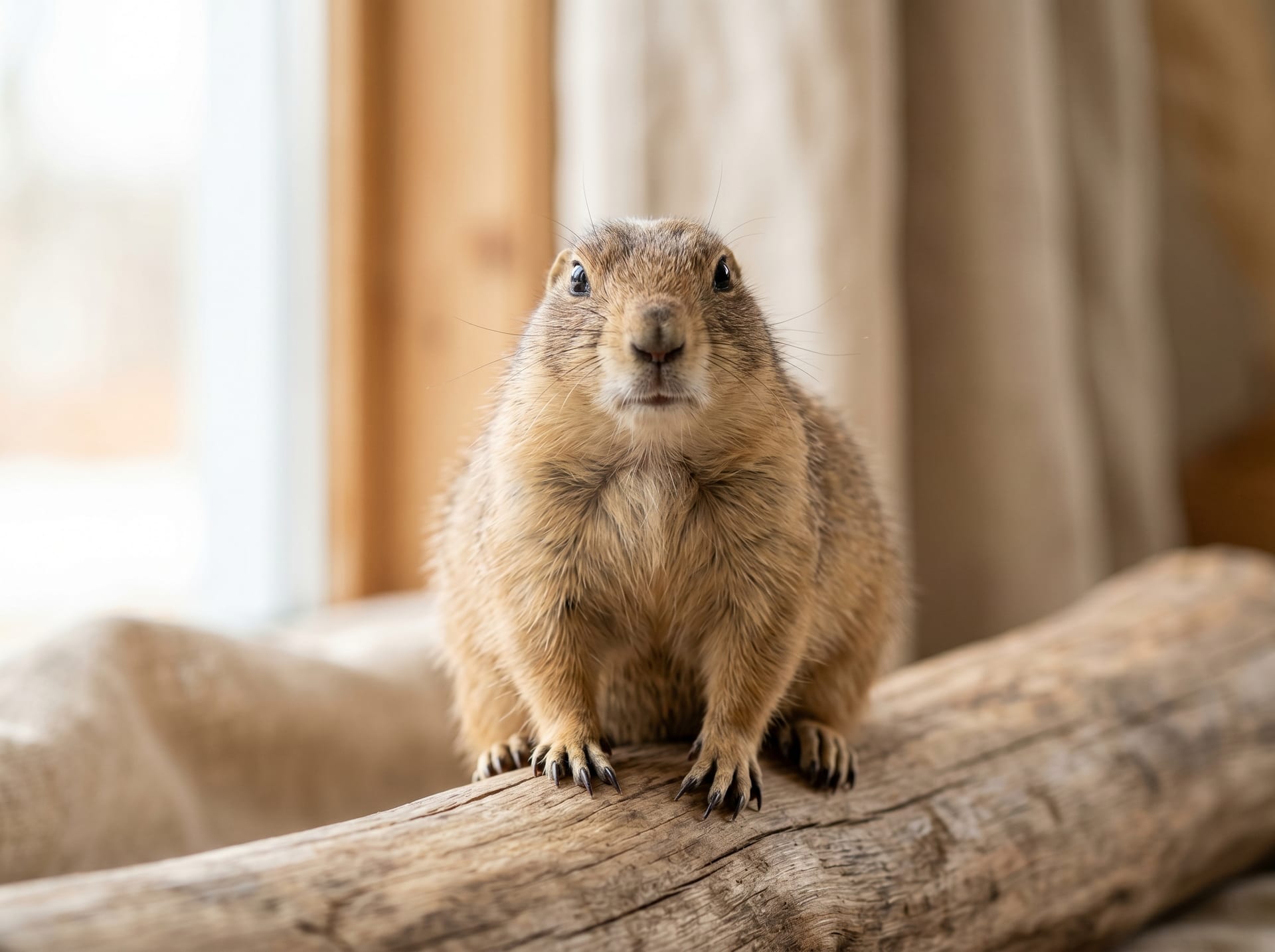
The name "prairie dog" leads many people to assume it's a type of dog — in reality, it is a rodent belonging to the squirrel family (Sciuridae). Native to the grasslands of North America, prairie dogs are known for the strong social bonds they form with their companions. With proper care and genuine affection, they become remarkably tame and display endearing individual personalities. This guide covers everything needed to welcome and care for a first prairie dog.
---
What Is a Prairie Dog?
The name translates literally as "barking prairie animal" — a reference to the dog-like alarm calls they use to communicate. Prairie dogs live in the vast grasslands of North America, constructing elaborate underground systems of tunnels and chambers called "towns" that can house thousands of individuals.
Basic Profile
Classification: Mammal / Rodentia / Sciuridae
Primary captive species: Black-tailed prairie dog (Cynomys ludovicianus)
Body length: Approximately 28–35 cm (including tail)
Weight: 700–1,400 g
Lifespan: 8–10 years in captivity (3–5 years in the wild)
Activity pattern: Diurnal (active during daylight hours; sleeps at night)
Social Behavior
The defining characteristic of the prairie dog is its extraordinary social sophistication. In the wild, they live in family units called "coteries" of roughly 10 individuals, and research has demonstrated that they possess a form of complex vocal communication. Their calls convey information about predator species, size, color, and movement speed — a level of communicative complexity considered exceptional in the animal kingdom.
---
Housing Setup
✍️
BreederDirect Editorial
The BreederDirect editorial team specializes in care information for animals, covering veterinary care and breeding to deliver beginner-friendly guides.
Find Small Animals on BreederDirect
Buy directly from verified breeders
Browse Related Listings
Find Small Animals listings related to this article on BreederDirect. Buy directly from verified breeders.
Prairie dogs are active animals with a strong instinct to dig and burrow.
Minimum enclosure dimensions: 90 cm wide × 60 cm deep × 90 cm tall or larger; the bigger the better
Material: Metal wire mesh caging is appropriate. Plastic or wood can be chewed through
Locking mechanism: Prairie dogs are skilled escape artists — all doors and access points must lock securely
Multi-level design: Enclosures with multiple platforms and levels make better use of vertical space and provide more stimulation
Enclosure Types to Avoid
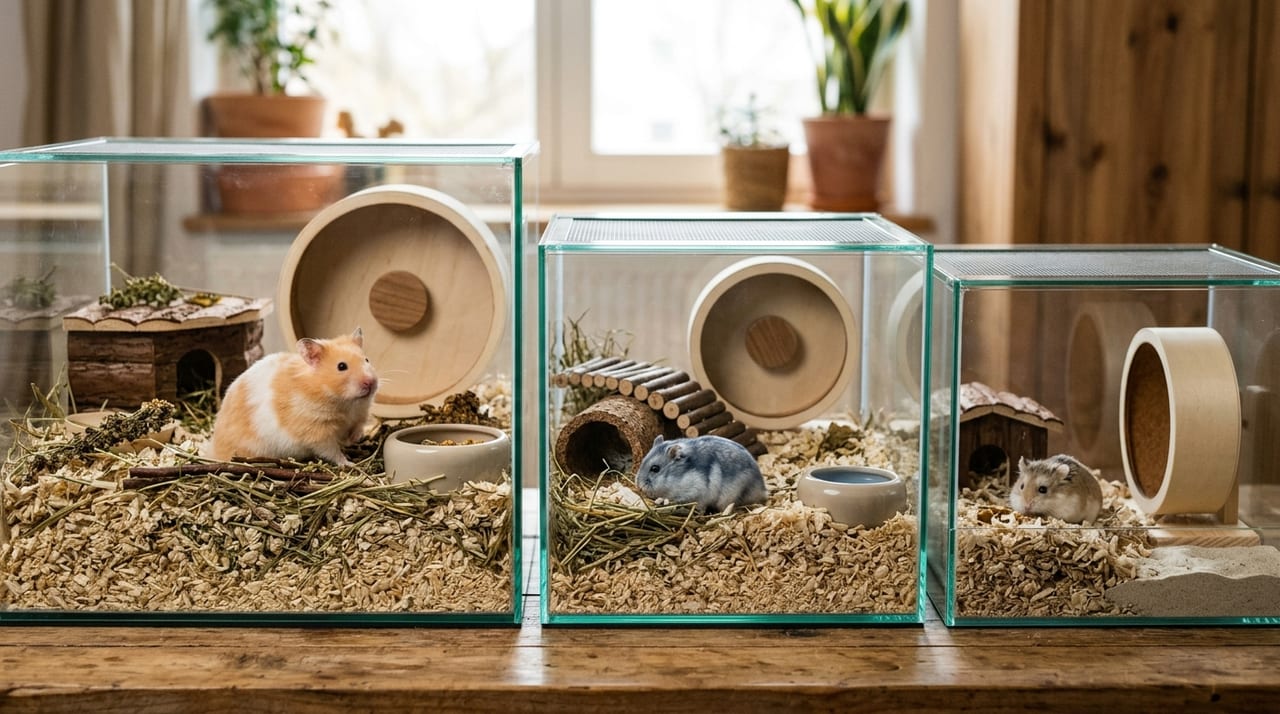
Glass aquariums: Poor ventilation
Fabric pop-up enclosures: Will be chewed through
Substrate and Nesting Material
Prairie dogs have a strong instinct to burrow (dig).
Paper-based substrate: Safe, absorbent, and easy to replace. Can be combined with wood-based substrate
Timothy hay: Serves both as nesting material and food
Sand digging zone: A small tray of sand in one corner of the enclosure provides a designated outlet for digging behavior
Materials to avoid: Cedar or cypress wood shavings (aromatic compounds are harmful); fine-fiber materials (entanglement risk)
Nest Box
Prairie dogs live naturally in underground chambers. A dedicated enclosed sleeping space (nest box) is essential.
Wooden nest boxes that can be safely chewed
A small entrance leading to a dark interior is preferred
Fill the interior with timothy hay and paper substrate so the animal can arrange its own bedding
---
Nutrition
Primary Diet
Prairie dogs are herbivore-leaning omnivores. In the wild they eat grasses, seeds, roots, and occasionally insects.
Timothy hay (most important)
Grass hay should make up the majority of the diet and must be available for free-choice consumption at all times. Hay is essential for dental wear, gastrointestinal motility, and fiber intake.
Pellets (supplementary)
Low-sugar, high-fiber pellets formulated for rodents or rabbits can constitute approximately 20–30% of the daily diet. Over-reliance on pellets increases the risk of obesity and diabetes.
Vegetables and herbs (supplementary)
Leafy greens (komatsuna, bok choy, flat-leaf parsley)
Root vegetables (small amounts of carrot)
Dried herbs (dried dandelion, dried clover)
Foods to Never Offer
Fruit (too high in sugar; canned and dried fruit are particularly dangerous)
Grains and seeds in excess (energy-dense)
Onions, garlic, and all alliums
Chocolate and sweets
Avocado
Water
Fresh, clean water must be available at all times. Bottle-type water dispensers are hygienic and recommended. Change the water daily.
---
Temperature and Humidity
Optimal temperature range: 20–26°C
Temperatures to avoid: Above 30°C (heat stroke risk); below 15°C (reduced activity and immune function)
Some wild prairie dogs hibernate, but captive prairie dogs should remain active year-round. Preventing hibernation requires maintaining appropriate room temperature and managing lighting to avoid exposing the animal to strong seasonal cues.
The risk of captive hibernation: Hibernation in a captive prairie dog is associated with significant weight loss, compromised immune function, and mortality risk. Supplemental heating is necessary in environments where temperatures drop below 15°C.
---
Taming and Socialization
Acclimation After Arrival
A newly arrived prairie dog will be highly cautious of its new surroundings. For the first one to two weeks, do not force handling — begin simply by being present near the enclosure and speaking quietly.
Phase 1 (Weeks 1–2)
Spend quiet time near the enclosure
Speak softly and calmly
Try offering food from the hand, but never force it
Phase 2 (Weeks 2–4)
Place your hand inside the enclosure and allow the animal to approach and sniff at its own pace
If the animal initiates contact, respond gently
Gradually attempt hand-taming
Phase 3 (Month 1 onward)
Begin supervised out-of-enclosure time in a secured, hazard-proofed room (all electrical cords removed or protected)
Practice recall training using the animal's name paired with small treat rewards
Gradually increase the duration and frequency of interaction
Multi-Animal Housing
Prairie dogs have exceptionally strong social needs, and keeping a single animal in isolation often causes significant stress. Whenever possible, housing two or more individuals together (same-sex pairs, or a neutered male with a female) is strongly recommended.
Multi-animal housing considerations
Same-sex individuals can be territorial, and unneutered males in particular may fight seriously
Neutering and spaying are strongly recommended for multi-animal households
Provide a sufficiently large enclosure with multiple nest boxes and feeding stations
---
Health Management
Common Health Issues
Obesity and diabetes
The most frequent captive management problem. Caused by excess fruit and grain feeding combined with insufficient exercise. Regular weighing and careful diet management are the primary preventive tools.
Dental problems (malocclusion)
Common to all rodents. Providing ample timothy hay and safe chewing objects (wooden toys, hay-based objects) supports natural dental wear.
Skin disease and parasites
Basic prevention comes from maintaining a clean environment. Excessive oiliness or patchy hair loss warrants prompt veterinary attention.
Monkeypox
Prairie dogs were historically associated with a monkeypox outbreak in the United States. Prairie dogs currently available in Japan are almost exclusively captive-bred domestically, and infection risk is very low — but basic hygiene (handwashing after contact) remains advisable as a precaution.
The Importance of Regular Veterinary Care
Veterinarians experienced with exotic animals can be difficult to locate. Before acquiring a prairie dog, research which nearby clinics can provide appropriate care. Establish a routine of annual to biannual wellness exams and body weight monitoring.
---
Exercise and Enrichment
Prairie dogs need a minimum of one to two hours of supervised out-of-enclosure time per day. Providing room to run, combined with enrichment items, helps meet their considerable activity requirements.
Cardboard maze: Stimulates exploratory behavior
Timothy hay tunnel: Satisfies the instinct to dig and retreat into enclosed spaces
br-choku features listings from reliable prairie dog breeders. Many listings specify whether the animal has been hand-socialized and provide age information, making it easier to prepare confidently for your new companion's arrival. If you're interested in life with a prairie dog, reach out to breeders on br-choku and ask your questions directly.