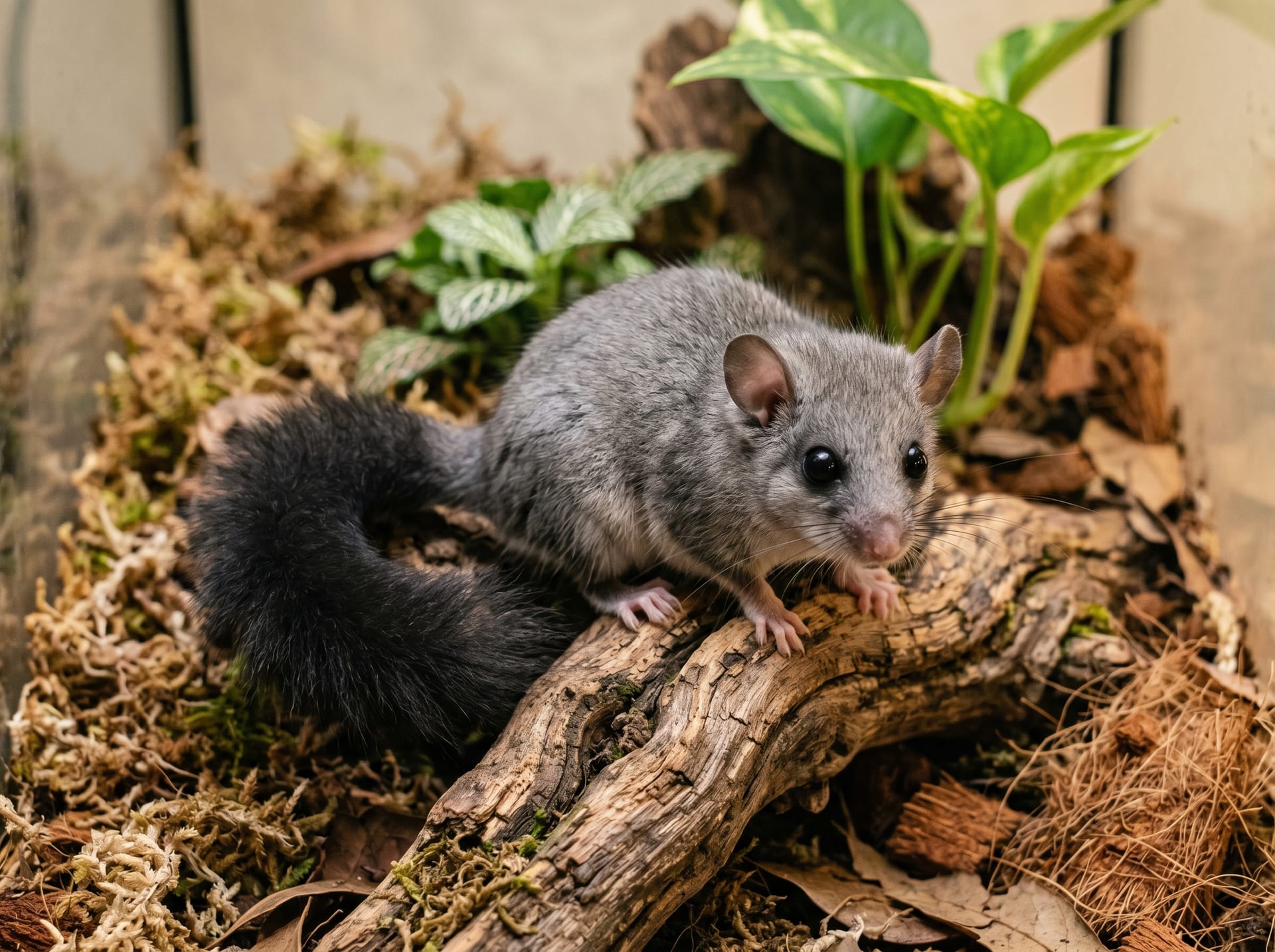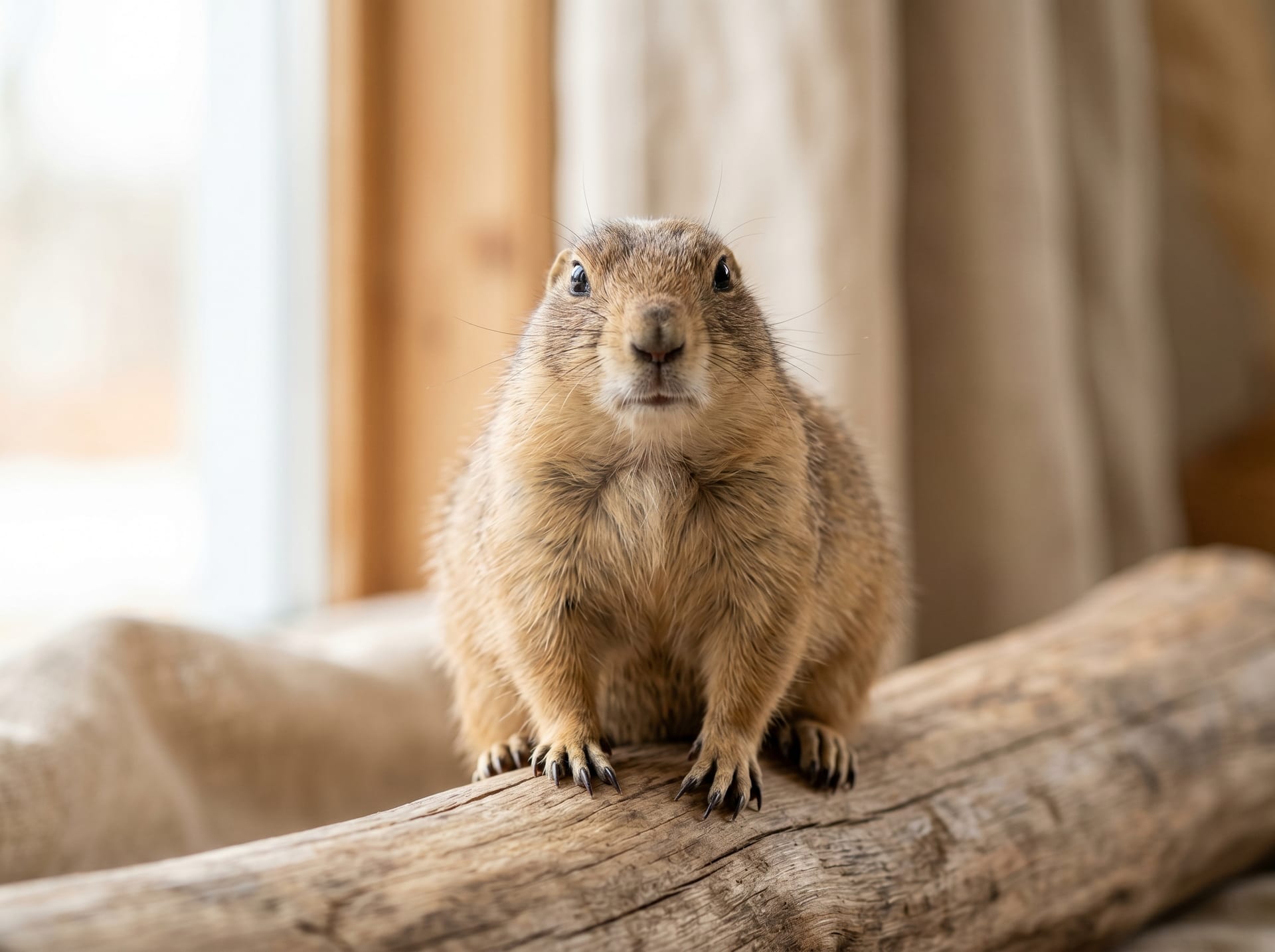
AI-generated image
Prairie Dog
AdvancedCynomys ludovicianus
Grassland-dwelling ground squirrel from North America. Highly social with complex vocalizations and dog-like affection toward owners.
Difficulty
Advanced
Temperature
18〜26℃
Lifespan
8-12 years
Size
30-40cm / 0.7-1.5kg
Humidity
40〜60%
Diet
Timothy hay (staple), prairie dog pellets, vegetables
About
Prairie dogs are burrowing rodents of the genus Cynomys, native to the grasslands and prairies of North America. Five species are recognized, with the black-tailed prairie dog (C. ludovicianus) being the most commonly kept as a pet. Their common name derives from their dog-like bark, used as an alarm call. In the wild, they form enormous underground communities called 'prairie dog towns,' consisting of complex tunnel systems with designated chambers for sleeping, raising young, and waste. As pets, prairie dogs can form strong bonds with their owners and become highly affectionate when raised from a young age. Housing should be spacious with deep substrate to allow burrowing. Diet consists primarily of grasses, hay, and vegetables; sugary foods should be restricted. Common health concerns include obesity, dental disease, and neoplasia.
Source: Wikipedia (CC BY-SA 4.0)
Lifespan of the Prairie Dog
The Prairie Dog lives 8-12 years.
Lifespan in captivity is 8–12 years.
Size of the Prairie Dog
The Prairie Dog grows to 30-40cm / 0.7-1.5kg.
Adults measure 28–40 cm and weigh 700–1,400 g.
Basic Info
Origin
the grasslands of North America
Lifespan
8-12 years
Size
30-40cm / 0.7-1.5kg
References & Sources
Edited & verified by: BreederDirect editorial team
The taxonomic, regulatory, and husbandry data on this page are compiled and verified against the authoritative primary sources below.
Taxonomy & Authority
Accepted name: Cynomys ludovicianus (Ord, 1815)
Authority databases: GBIF
Nomenclature follows global taxonomic authority databases.
Regulations & Conservation Status
Domestic law: Import of prairie dogs into Japan has been prohibited since March 2003 under the Act on the Prevention of Infectious Diseases (designated animal). No newly imported individuals from overseas enter the market.
The genus Cynomys includes the Mexican prairie dog (C. mexicanus) with CITES Appendix I and IUCN EN status, forming a mixed group; CITES status is not specified by species. Not listed as a Japanese specified animal (dangerous animal).
Sources: Ministry of Agriculture, Forestry and Fisheries Animal Quarantine Service Infectious Diseases Control Law (Prairie Dog Import Ban) / Ministry of the Environment Specified Animal List
Regulations may change. Always verify the latest information with the relevant authorities.
Prairie Dog Listings
Loading latest listingsFind listings for this species