Complete Rabbit Breed Comparison Guide | From Netherland Dwarf to Flemish Giant: Characteristics and Selection Guide for 30+ Breeds
A comprehensive comparison of 30+ rabbit breeds from popular to rare, analyzing body size, coat quality, temperament, and care difficulty. A definitive guide that fully supports rabbit selection from beginner-friendly to advanced breeds, matching your lifestyle.
Key Takeaways
A comprehensive comparison of 30+ rabbit breeds from popular to rare, analyzing body size, coat quality, temperament, and care difficulty. A definitive guide that fully supports rabbit selection from beginner-friendly to advanced breeds, matching your lifestyle.
Related Species
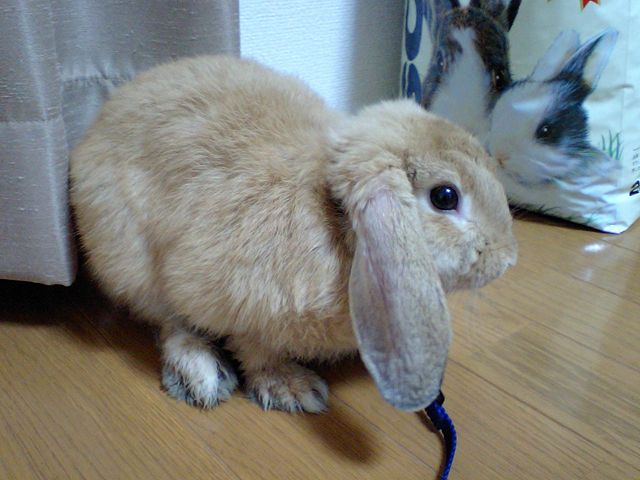
Basic Principles of Rabbit Breed Selection
Before bringing home a rabbit, it's important to evaluate your lifestyle against four key axes: "body size," "coat quality," "temperament," and "activity level." Breed requirements for space, grooming frequency, and ease of handling vary dramatically, so selecting based solely on appearance often leads to regret.
This guide covers 30+ breeds in detail, helping both beginners and experienced rabbit keepers find the perfect companion. We explain each breed's characteristics in depth.
Four Basic Selection Axes
| Axis | Key Considerations |
|---|---|
| Body Size | Compatibility with living space (cage/room size) |
| Coat Quality | Grooming frequency and allergy risk |
| Temperament | Enjoys being held / independent / active |
| Activity Level | Exercise needs and playtime requirements |
Small Breeds (Under 3kg)
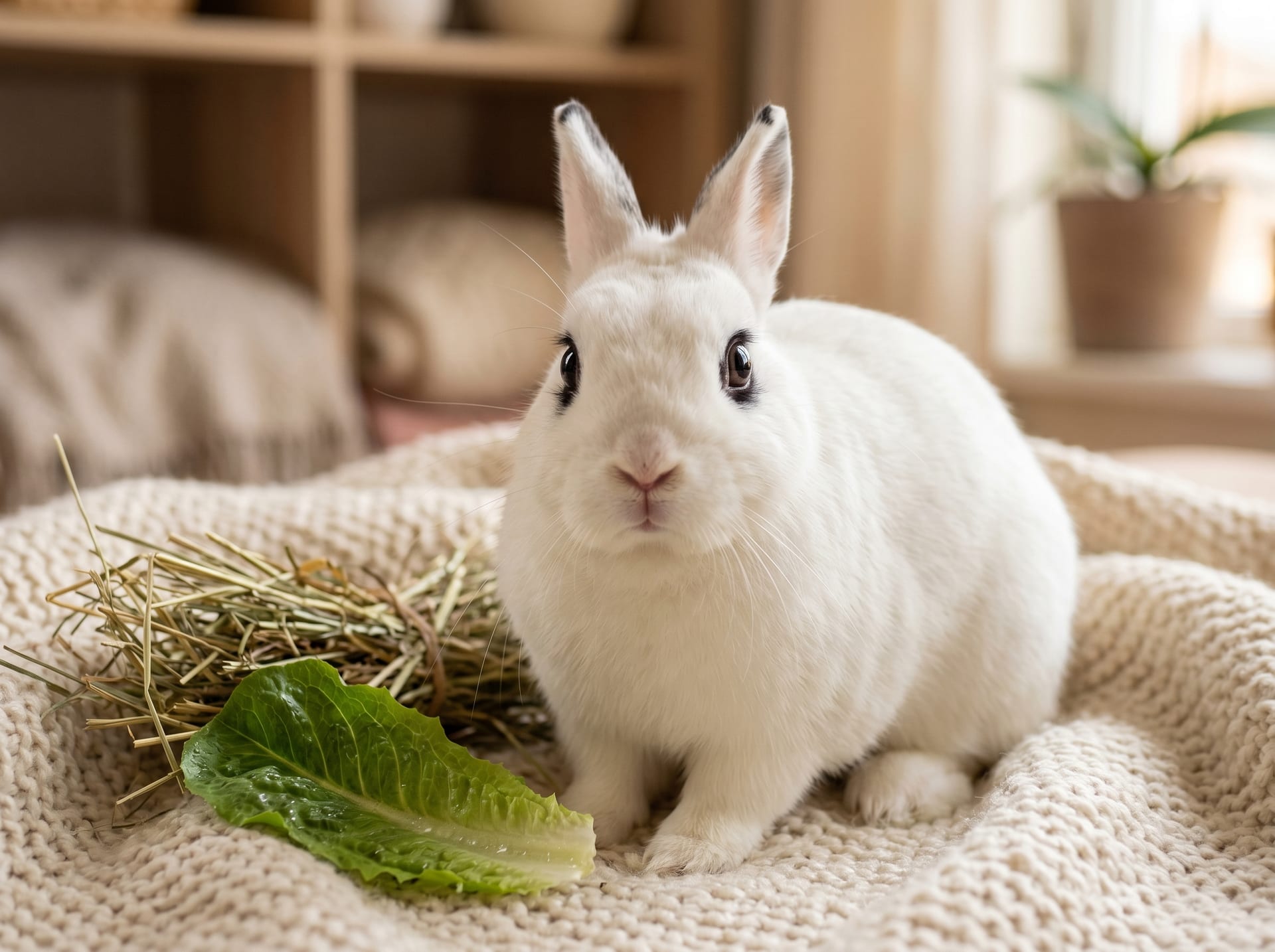
Netherland Dwarf
Weight: 0.9–1.13kg Coat: Short-haired Origin: Netherlands
The tiniest rabbit breed. Characterized by a round head and short ears, often called the "eternally baby-faced" breed. Curious and energetic, but many individuals are nervous and dislike being held. Popular with beginners, but actually requires intermediate-level handling. Note that dental issues (malocclusion) are common.
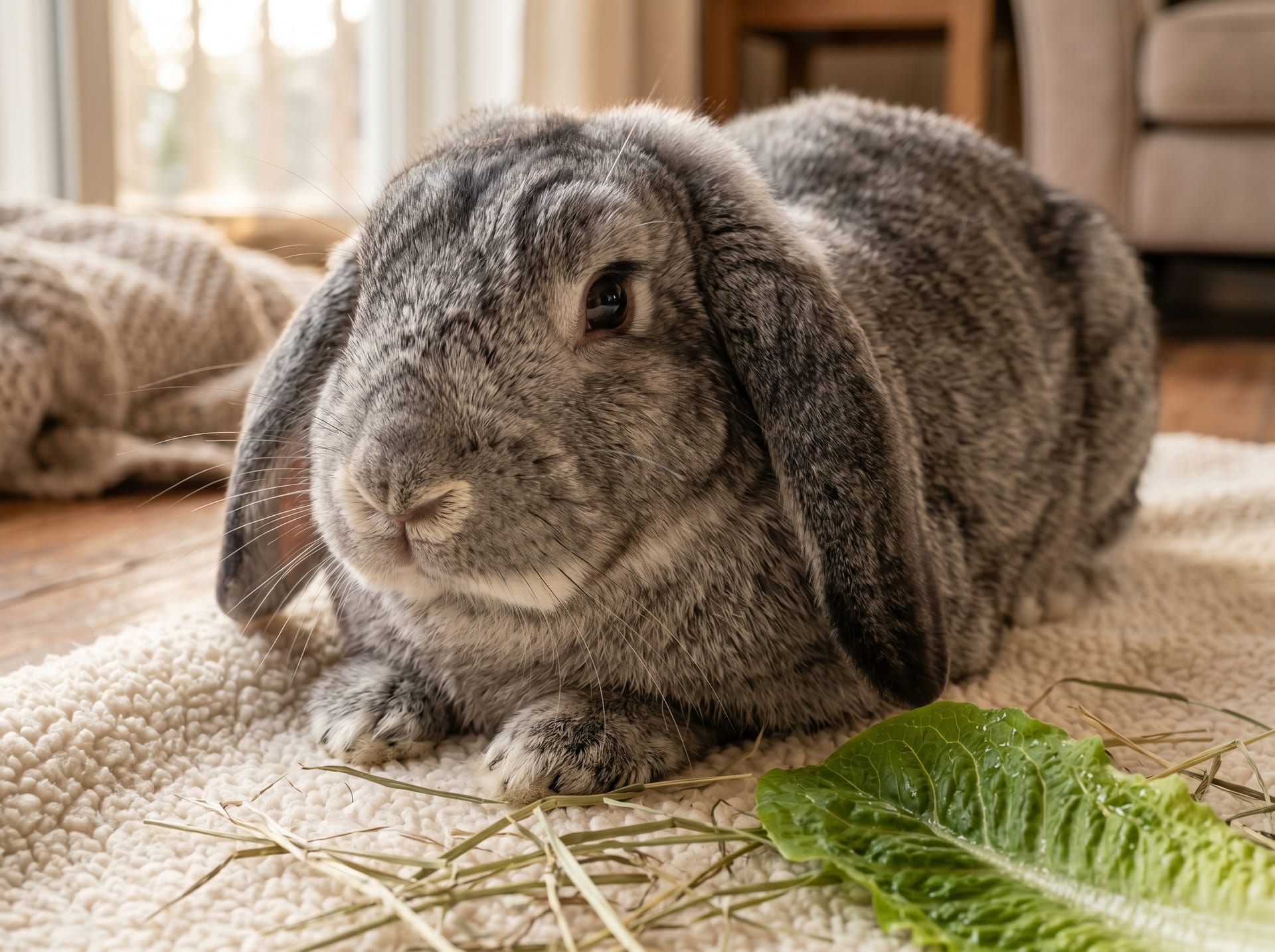
Holland Lop
Weight: 0.9–2kg Coat: Short-haired Origin: Netherlands
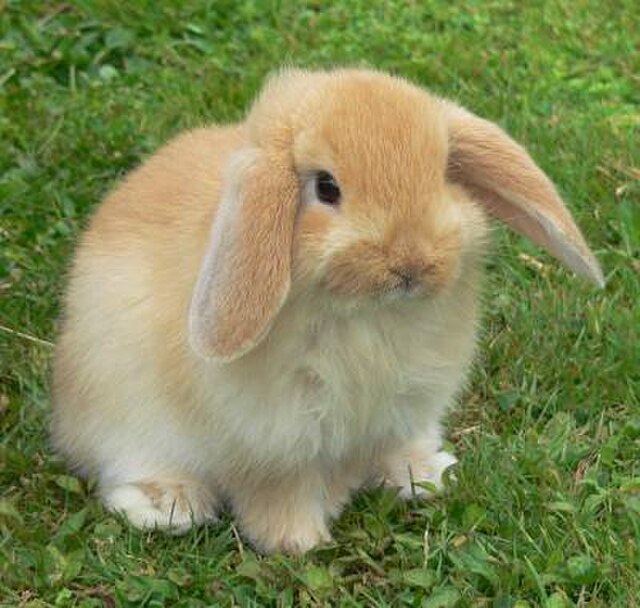
Charming lop ears and round face make this globally popular breed. Gentle temperament and relatively friendly, ideal for first-time rabbit owners. The lop ears require regular ear cleaning to maintain hygiene.
Dwarf Hotot
Weight: 0.9–1.2kg Coat: Short-haired Origin: Netherlands
A smaller lop breed following the Netherland Dwarf. The distinctive white blaze on the forehead and colored body create a beautiful pattern. Calm and social temperament. Rare with higher prices.
Lionhead
Weight: 1.2–1.7kg Coat: Long-haired mane around head Origin: Belgium
Characterized by a distinctive long mane around the head, this is a relatively newer breed. Calm temperament and quick to bond with people. The mane tends to tangle, requiring brushing 2–3 times weekly.
Mini Rex
Weight: 1.6–2.3kg Coat: Short-haired, velvety (Rex) Origin: USA
The unique velvety coat is highly appealing. Incredibly soft touch and one of the easiest breeds to groom. Friendly and calm temperament. The coat's texture prevents shedding from scattering, making it popular.
Mini Lop
Weight: 2–2.5kg Coat: Short-haired Origin: USA (German refinement)
The smallest among lop breeds. Calm and friendly, good with children and seniors. Despite being compact, has sturdy bone structure and robust health.
Medium Breeds (3–4kg)
American Fuzzy Lop
Weight: 1.4–1.8kg Coat: Wool coat (Angora-type) Origin: USA
Combines lop ears with Angora coat. Popular for its teddy bear-like appearance. Requires frequent brushing for coat maintenance. Relatively calm temperament.
English Spot
Weight: 2.3–3.6kg Coat: Short-haired Origin: UK
Characterized by a white base with a black line along the spine and spots on the sides. Extremely active with high exercise requirements, needing substantial free-roaming time. Better suited for experienced owners than beginners.
Harlequin
Weight: 2.7–4kg Coat: Short-haired Origin: France
Features unique color pattern with orange and black (or other colors) split evenly. Face may have different colors on each side. Curious and playful. Relatively easy to care for.
Belgian Hare
Weight: 2.7–4kg Coat: Short, dense-haired Origin: Belgium
Slim, athletic build resembling wild rabbits. Quick, agile movements with very high exercise demands. Many individuals don't socialize easily, making this an advanced breed. Famous in rabbit shows similar to dog shows.
English Angora
Weight: 2.3–3.4kg Coat: Extra-long wool (Angora) Origin: UK
The coat is the defining feature—long woolly hair covering the entire body. Hair grows long enough to cover eyes and ears, requiring brushing 3–4+ times weekly. High risk of wool block; strictly an advanced breed.
French Angora
Weight: 3.5–4.5kg Coat: Wool (short-haired face and ears) Origin: France
Larger than English Angora, with short hair on face and ears for easier care. The most popular among Angora breeds. Wool is used as yarn fiber.
Giant Angora
Weight: 4.5kg+ Coat: Extra-long wool (Angora) Origin: USA
The largest Angora breed. Extremely high coat volume requiring clipping 3–4 times yearly. Calm temperament, but the large size and grooming demands make this strictly advanced-keeper territory.
Large Breeds (4kg+)
Rex
Weight: 3.4–4.8kg Coat: Velvety short-haired Origin: France
Larger version of Mini Rex. The velvety coat is also known for commercial fur. Calm, friendly, and many enjoy handling. Moderate activity level.
French Lop
Weight: 4.5kg+ Coat: Short-haired Origin: France
One of the largest lop breeds. Wide lop ears create an impressive presence. Calm, large-breed temperament with many individuals being obedient to owners. Requires spacious cage and exercise area.
New Zealand White
Weight: 4–5.4kg Coat: Short-haired Origin: USA
Known as a laboratory and meat breed, but also a gentle, easy-to-care-for pet. Three colors exist: white, black, and red. Robust constitution and disease-resistant.
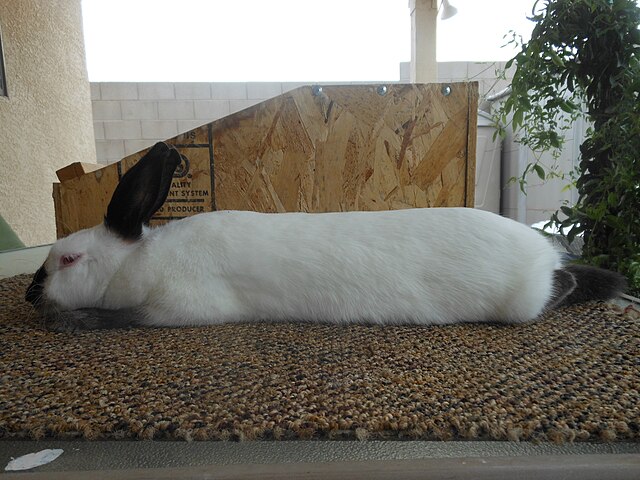
Californian
Weight: 3.6–4.7kg Coat: Short-haired Origin: USA
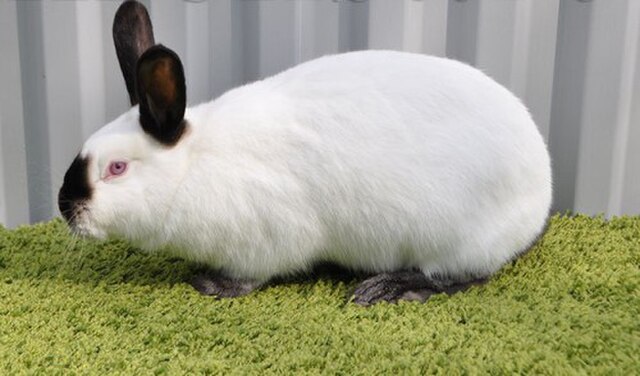
White body with dark brown points on nose, ears, feet, and tail—similar coloring to Siamese cats. Gentle and friendly, easy to handle medium-to-large breed.
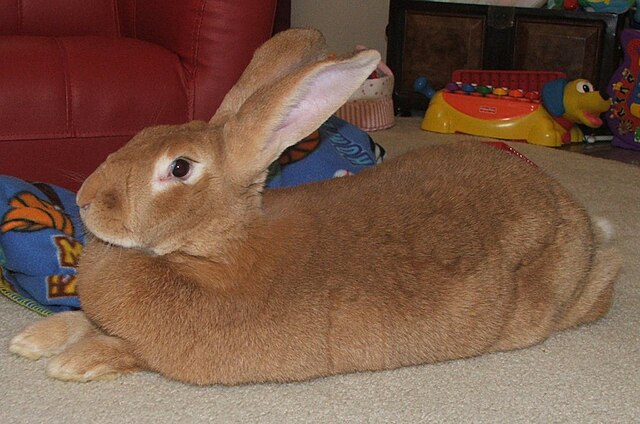
Flemish Giant
Weight: 6.35kg+ (records exceed 13kg) Coat: Short-haired Origin: Belgium
The world's largest rabbit breed. Dog-like physique with a calm temperament, often described as a "gentle giant." Moderate activity relative to body size, but requires a large cage and spacious exercise area. Feed and veterinary costs are substantial.
Unique and Rare Breeds
Dutch
Weight: 1.6–2.4kg Coat: Short-haired Origin: Netherlands
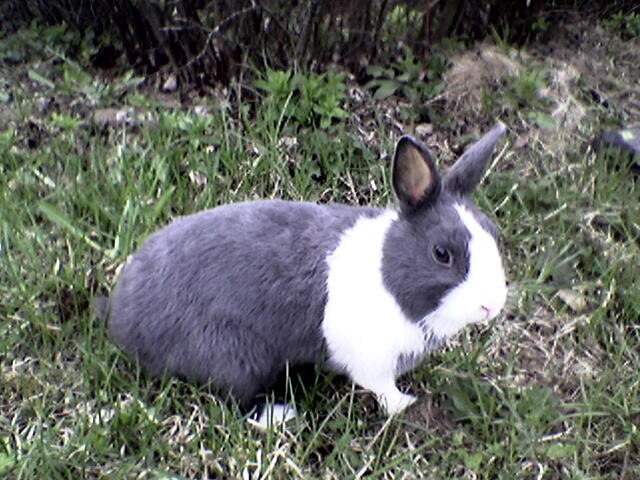
Classic white and dark color (black, blue, chocolate, gray, etc.) two-tone pattern. Strictly defined color patterns popular in shows. Calm temperament.
Tan
Weight: 2–3kg Coat: Short-haired with shine Origin: UK
Smooth, glossy coat with striking tan (light brown) points on belly and face. Active and curious. Highly popular in show circuits.
Paliiro
Weight: 2–3kg Coat: Short-haired Origin: France
White base with irregular spot patterns. Spotting is highly random genetically, producing completely white individuals (Charlie) or overly spotted offspring (Charlie excluded).
Silver Marten
Weight: 2.7–4.5kg Coat: Short-haired with silver sheen Origin: USA
Black, blue, chocolate, or sable body color with beautiful silver pointing on the belly. Calm and easy to handle, though relatively uncommon and may be difficult to source.
Himalayan
Weight: 1–1.8kg Coat: Short-haired Origin: Unknown (likely Asian origin)
Characterized by slender body type, pure white coat, with dark points on nose, ears, feet, and tail. Calm and docile, suitable for beginners. One of the oldest breeds.
Havana
Weight: 2.3–3.2kg Coat: Short-haired with shine Origin: Netherlands
Rich chocolate brown, blue, or black coat with glossy finish. Calm and easy to care for. The mink-like coat texture is appealing.
Breed Comparison Summary Table
| Breed | Weight | Coat Type | Beginner-Friendly | Enjoys Being Held | Grooming Frequency |
|---|---|---|---|---|---|
| Netherland Dwarf | ~1.1kg | Short | Medium | △ | Weekly |
| Holland Lop | ~2kg | Short | Excellent | Excellent | 1–2x weekly |
| Lionhead | ~1.7kg | Mane Long | Medium | Good | 2–3x weekly |
| Mini Rex | ~2.3kg | Velvet | Excellent | Good | Weekly |
| French Angora | ~4.5kg | Extra Long | Advanced | Good | Daily |
| Flemish Giant | 6kg+ | Short | Medium | Good | 1–2x weekly |
| Californian | ~4.7kg | Short | Excellent | Good | Weekly |
Breed Recommendations by Lifestyle
Living Alone or Limited Space Small breeds like Netherland Dwarf, Holland Lop, and Mini Rex are ideal. Compact cages suffice and minimal exercise space is needed.
Households with Children Gentle, affectionate breeds like Holland Lop, Mini Lop, and Californian work well. Manageable size is important for safe interaction.
Those Who Enjoy Grooming Angora breeds (French Angora and English Angora) require daily brushing, but the daily care deepens your bond significantly.
Those Seeking Impressive Presence Flemish Giants have a commanding dog-like physique. Requires spacious housing and commitment, but the reward is unparalleled affection.
Benefits of Acquiring from Breeders
Purchasing from breeders who deeply understand breed characteristics allows you to confirm health status, lineage, and early socialization beforehand. For rare breeds, breeder direct purchase is often the only acquisition route.
Before bringing your rabbit home, confirm:
- Parents' health status and body size (conformity to breed standards)
- Teeth alignment (malocclusion can be genetic)
- Friendliness level (early socialization during kit stage)
- Breeder's environment (cleanliness and space)
Trustworthy breeders always answer these questions thoroughly. Choose a rabbit with good breed knowledge and commit to a long-term relationship.