Source: Wikimedia Commons
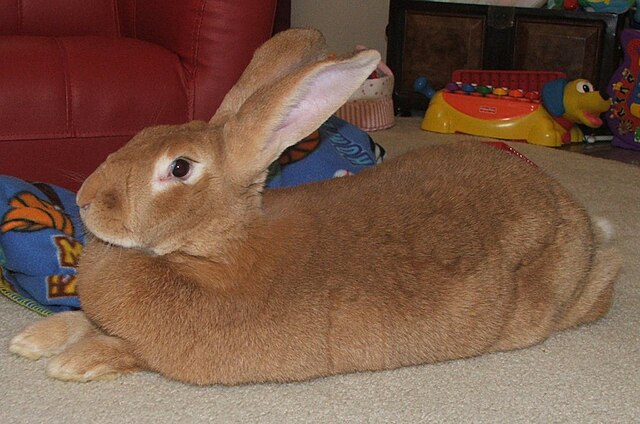
Flemish Giant Rabbit
IntermediateOryctolagus cuniculus
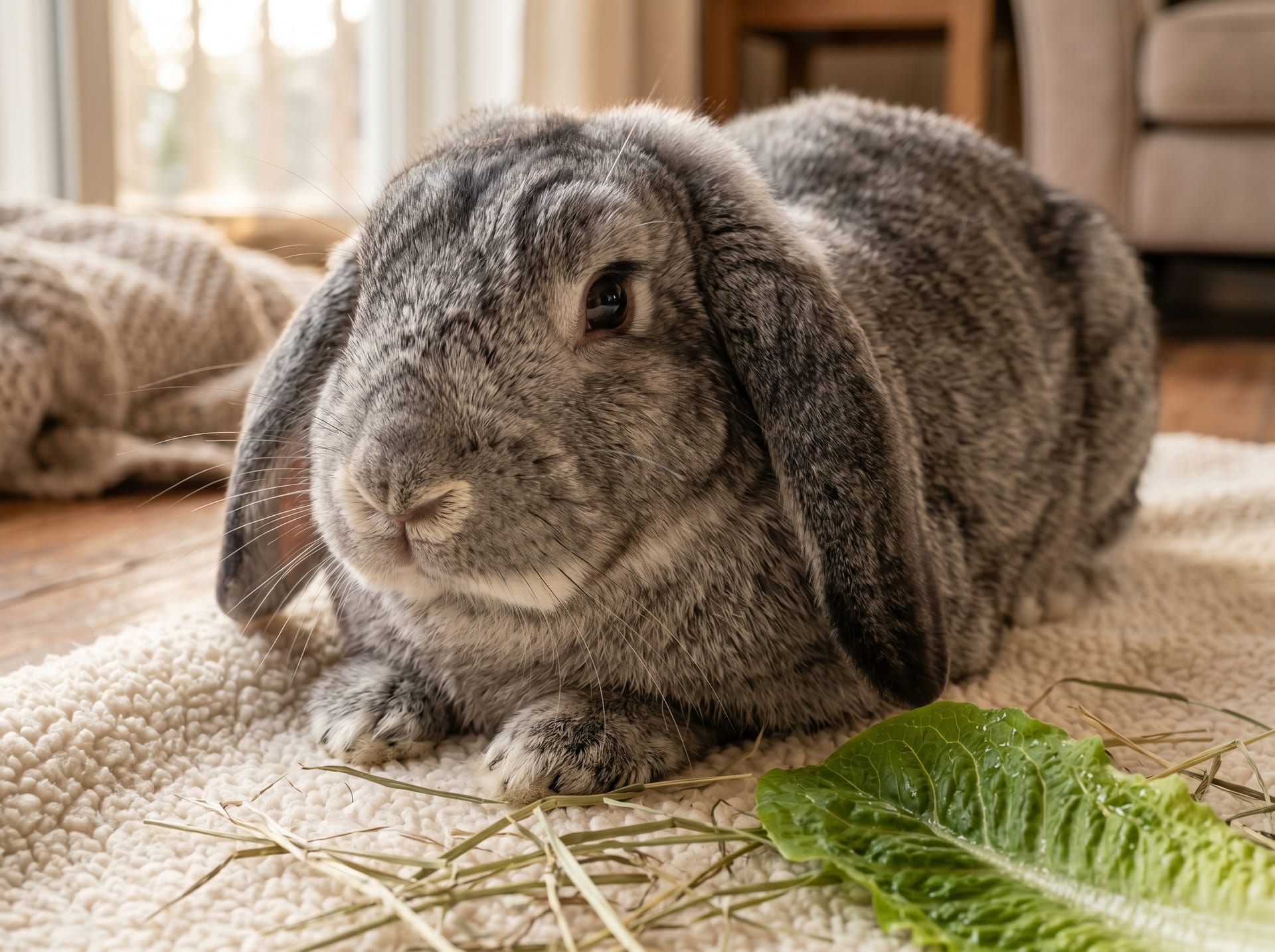
One of the world's largest rabbit breeds, weighing 6kg+. Known as a gentle giant with a calm, friendly nature.
Difficulty
Intermediate
Temperature
18〜26℃
Lifespan
5-8 years
Size
60-75cm / 6-10kg
Humidity
40〜60%
Diet
Timothy hay (staple), pellets, vegetables (large breed portions)
About
The Flemish Giant is one of the oldest and largest domestic rabbit breeds, originating in the Flanders region of Belgium. Historically bred for meat and fur production since the 16th century, they are now kept primarily as companion animals valued for their imposing size and calm disposition. Often called the 'Gentle Giant,' Flemish Giants are renowned for their docile, patient temperament and tendency to bond closely with their owners despite their great size. Their housing requirements are substantial: a spacious, structurally strong enclosure is essential, along with unlimited high-quality hay and increased portions of pellets to meet nutritional demands. Due to their weight, they are susceptible to sore hocks and spinal injuries if dropped. Common health concerns include pododermatitis, vertebral spondylosis, obesity, and GI disorders.
Lifespan of the Flemish Giant Rabbit
The Flemish Giant Rabbit lives 5-8 years.
Lifespan is 5–8 years.
Size of the Flemish Giant Rabbit
The Flemish Giant Rabbit grows to 60-75cm / 6-10kg.
Adults typically measure 60–75 cm and weigh 6–10 kg, with exceptional individuals exceeding 13 kg.
Basic Info
Origin
Flanders, Belgium
Lifespan
5-8 years
Size
60-75cm / 6-10kg
Temperature
18〜26℃
Care Specifications
Pair
Sources: RWAF Rabbit companionship
Captive Breeding
Live-bearing
- Gestation
- 30〜33 days
- Litter size
- 5〜12
- Weaning
- 5〜8 wk
- Sexual maturity
- 6〜12 mo
Breeding season: Year-round; induced ovulator
Breeding notes
As a giant breed, sexual maturity occurs late; breeding is generally advised from 9–12 months onward. Does should ideally deliver their first litter before 12 months of age to reduce the risk of pubic symphysis fusion causing dystocia. Litter size estimates vary by source: PMC groups 'Dutch or Flemish' at 4–5 kits, while PetMD reports 5–12 specifically for Flemish Giants.
Breeding requires planning, proper husbandry, and responsibility. These figures are general guidelines.
Sources: PMC — Biology and Diseases of Rabbits (Fox & Marini) / MSD Veterinary Manual — Breeding and Reproduction of Rabbits / PetMD — Flemish Giant Rabbit
Morphs (Varieties)
ARBA-recognized color varieties of Flemish Giant (7 colors).
Other
BlackBlueFawnLight GraySandySteel GrayWhite
Sources: ARBA Recognized Breeds and Varieties
A curated selection of notable morphs. Inheritance modes are a breeding-planning guide; actual appearance varies with combos.
References & Sources
Edited & verified by: BreederDirect editorial team
The taxonomic, regulatory, and husbandry data on this page are compiled and verified against the authoritative primary sources below.
Taxonomy & Authority
Accepted name: Oryctolagus cuniculus (Linnaeus, 1758)
Authority databases: GBIF
Nomenclature follows global taxonomic authority databases.
Regulations & Conservation Status
Not CITES-listed
Sources: CITES Appendices / Ministry of the Environment Specified Alien Species List
Regulations may change. Always verify the latest information with the relevant authorities.
Flemish Giant Rabbit Listings
Loading latest listingsFind listings for this species