Small AnimalsPublished: / Updated: | ✍️ BreederDirect Editorial
Complete Guide to Sugar Glider Care: How to Tame Them and Essential Feeding Tips
A beginner-friendly guide to sugar glider care. We explain the steps to bonding, nutritionally balanced feeding, and setting up appropriate cage environments in detail.
Key Takeaways
A beginner-friendly guide to sugar glider care. We explain the steps to bonding, nutritionally balanced feeding, and setting up appropriate cage environments in detail.
Related Species
What Are Sugar Gliders? Essential Basics Before Getting One
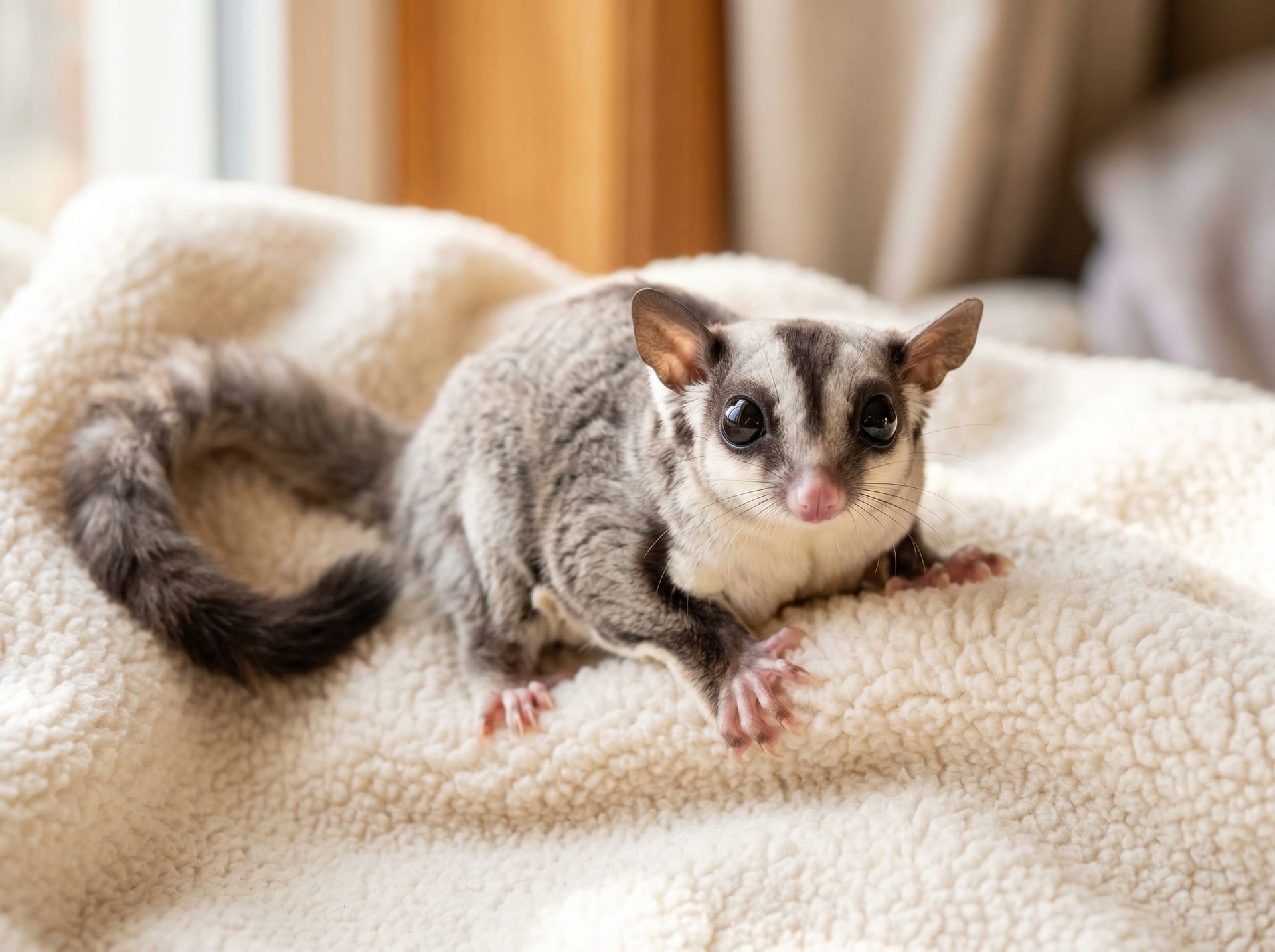
Sugar gliders are small marsupials native to the tropical rainforests of Australia and Indonesia. They measure 12–15 cm in body length (excluding the tail) and weigh around 100–160 g, fitting comfortably in the palm of your hand. Many are captivated by the sight of them gliding from tree to tree using the flight membrane that stretches from their arms to their body sides, and their large, bright eyes.
Their lifespan in captivity is 10–15 years, which is unusually long for a small animal. Like dogs and cats, they require long-term care planning and commitment. Before bringing one home, discuss with your family whether you can live together for 10 or more years.
They also have unique ecological characteristics. Being nocturnal, they sleep most of the day and become active from late afternoon onward. They may make chirping and clicking sounds at night ("chee-chee," "click-click"), so if you're planning to keep them in a bedroom or in an apartment, consider soundproofing measures. Additionally, mature males emit scent marking from their scent glands. If the smell is a concern, neutering is an option to consider.
In the wild, they are highly social animals that live in groups. When kept alone, they are prone to stress from loneliness, which can lead to self-injurious behavior. If you cannot ensure sufficient bonding time, consider keeping two or more together.
Cage and Environment Setup: Recreating Arboreal Life
Sugar gliders are arboreal and favor active vertical movement. When choosing a cage, "height" is the top priority. Ensure a minimum of 45 cm wide × 45 cm deep × 60 cm tall, with ideally a cage at least 90 cm tall. More important than horizontal pathways is vertical space for jumping and climbing.
Equip your cage with the following items.
Perches and shelves: Install multiple at different heights to create three-dimensional movement patterns.
Fleece pouch (sleeping nest): They curl up inside to sleep, so choose one that fits their body snugly. Keeping 2–3 on hand for washing is more hygienic.
Exercise wheel: Effective for preventing exercise deficiency. Always choose a solid wheel without mesh to prevent tail pinching.
✍️
BreederDirect Editorial
The BreederDirect editorial team specializes in care information for animals, covering veterinary care and breeding to deliver beginner-friendly guides.
Find Small Animals on BreederDirect
Buy directly from verified breeders
Browse Related Listings
Find Small Animals listings related to this article on BreederDirect. Buy directly from verified breeders.
Water bottle or shallow water dish: Always provide fresh water.
Temperature control is essential for care. The ideal temperature is 25–28°C. In winter, temperatures below 15°C risk hypothermia, so use panel heaters or cage heaters to maintain warmth. In summer, also be careful to avoid direct sunlight and excessive air conditioning.
Kitchen paper or newspaper work well as bedding. Since it gets soiled by waste, change it daily or every other day to keep the environment clean.
Feeding Basics: Calcium Balance Determines Health
Sugar gliders are omnivorous and consume diverse foods in the wild—tree sap, nectar, insects, and fruit. Replicating this dietary diversity in captivity is essential to maintaining their health.
A basic diet structure is as follows.
Commercial specialty food: Formulated with nutritional balance; use as the foundation of their diet.
Fruit: Apples, grapes, melon, banana, etc. in small amounts. While they enjoy sweetness, limit quantity to avoid excessive sugar intake leading to obesity.
Vegetables: Pumpkin, carrot, and Japanese mustard spinach as sources of vitamins and minerals.
Protein sources: Mealworms (dried or live), boiled chicken breast, hard-boiled egg, etc.
Particularly important is the balance between calcium and phosphorus. Sugar gliders are prone to calcium deficiency, and prolonged deficiency causes "metabolic bone disease (MBD)." MBD is a serious condition that leads to limb deformities and increased fracture risk. Add calcium powder to their food and make "dusting" (coating insects with calcium powder) a habit when offering insects.
Ideally, feed them in the late afternoon to evening. By matching their nocturnal rhythm, they will eat well during their active hours. Remove uneaten food the next morning and manage feeding to prevent consumption of spoiled food.
A Step-by-Step Approach to Bonding
Bonding with a sugar glider requires time and patience, but following the right steps will build a deep trust relationship. Haste is counterproductive. The key to success is prioritizing the individual's pace.
Step 1: Adjusting to the Environment (2–3 Days After Arrival)
A new environment is a major stress for animals. In the days immediately after arrival, stay quiet around the cage and avoid forcing contact. The first priority is to let them recognize this as a safe place.
Step 2: Familiarizing Them with Your Scent (Several Days to 1 Week)
Place a piece of worn fabric from your shirt inside the pouch. This is one of the most effective ways to teach them to associate your body scent with comfort and security. During this period, simply talking to them is sufficient.
Step 3: Making Your Hands Non-Threatening (1–2 Weeks)
Place the pouch on your hand so they feel your body heat and scent. At this stage, there's no need to force them out of the pouch. Offer treats (small pieces of fruit or dried mealworms) from your hand to build a positive association: "the owner's hand = good things happen."
Step 4: Free Bonding
When they voluntarily emerge from the pouch, walk on your hand, or burrow into your clothing, that's a sign of strong trust. At this stage, you can take them out in a bag with the pouch—a form of bonding during outings.
Common Health Issues and Prevention
Knowing common health issues in sugar gliders enables early detection and prevention. Metabolic bone disease (MBD) is the most common condition, caused by calcium deficiency. Symptoms include rear limb paralysis and fractures. Proper nutritional management is the best preventive measure.
Self-injurious behavior (self-mutilation) is self-biting caused by stress or loneliness. Cases where they bite off their tail or limbs are serious problems. Primary causes include insufficient social interaction, cramped cages, and improper diet. If self-injurious behavior appears, first improve the care environment, and if it doesn't improve, consult a veterinarian experienced with exotic animals.
Obesity is also a concern. Lack of exercise and high-calorie diets (especially excess fruit) lead to weight gain, and obesity increases the risk of fatty liver and heart disease. Monitor their weight regularly and maintain a healthy weight. Dental problems (malocclusion and periodontal disease) can also occur, so provide hard foods and chewing wood to promote tooth wear.
Welcome Sugar Gliders with Confidence on BreederDirect
A sugar glider's tractability greatly depends on how much human contact it has received since childhood. Some individuals sold in shops are not well-socialized to humans, and new owners often struggle after bringing them home.
BreederDirect features breeders who specialize in sugar gliders. These breeders handle their animals daily from infancy, delivering individuals already well-accustomed to human touch and scent. This dramatically shortens the bonding period after arrival, allowing even beginners to build a smooth relationship from the start.
Additionally, BreederDirect enables direct communication with breeders. Having access to breeders who deeply understand an individual's dietary preferences, personality, and health is invaluable support for long-term care. Many breeders remain available for consultation via LINE or dedicated messaging after purchase, providing peace of mind for first-time sugar glider owners.
Live animal shipping uses specialized transport, and all communication—from initial inquiry through payment terms—is recorded on the platform, minimizing risks unique to private transactions. Begin your 10+ year bond by meeting a breeder you can trust.