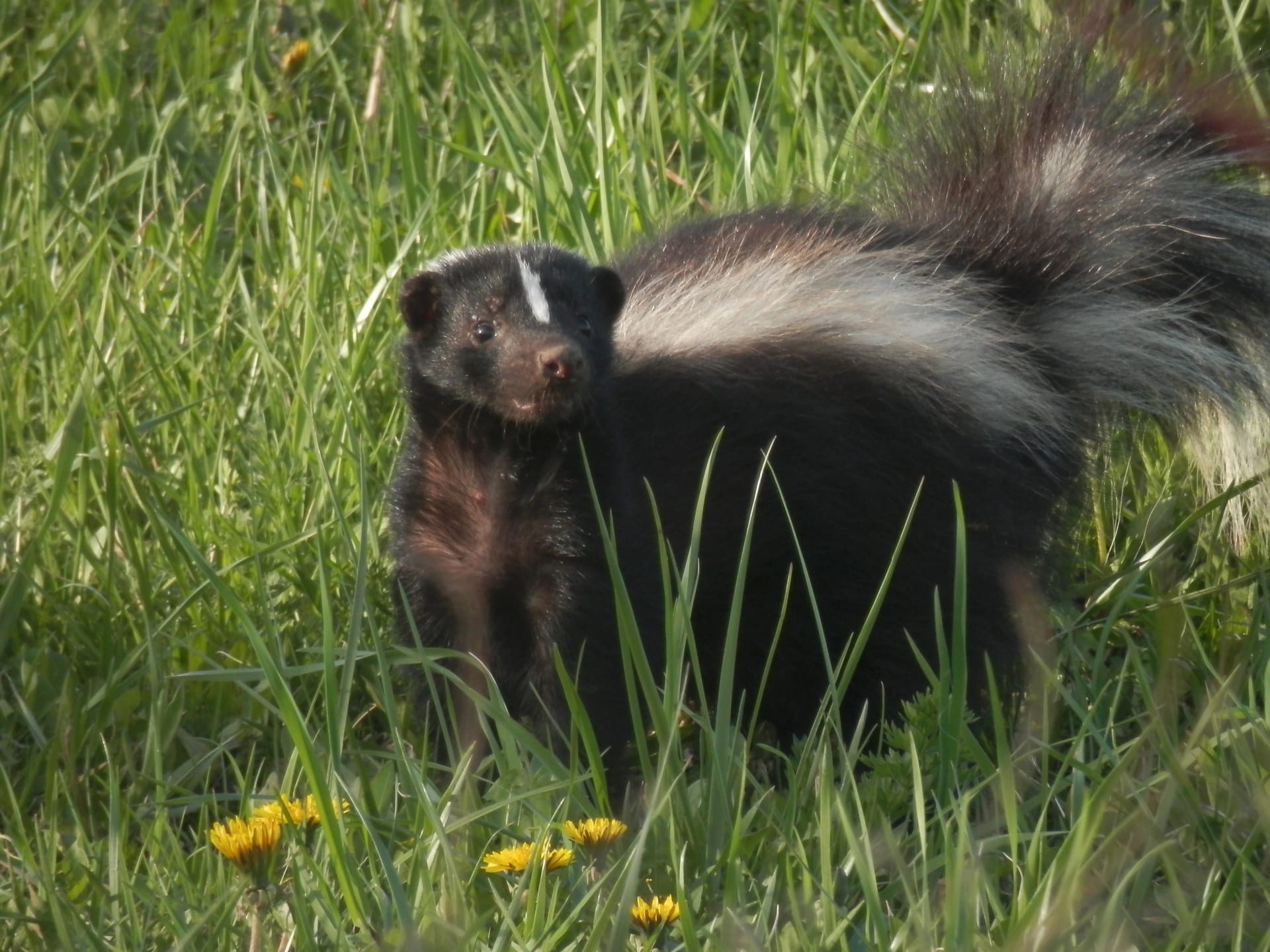
 © Ryan Hodnett / CC BY-SA 4.0
Striped Skunk
The Striped Skunk is a small mammal native to North America, easily recognized by its bold black coat with white stripes. Pet skunks are typically descented, so the powerful defensive spray wild skunks are known for is rarely a concern in the home. They're playful and highly curious animals that enjoy interacting with their owners, but that same curiosity can lead them to dig at furniture and floors, so they need attentive, patient care. Beneath their charming appearance, skunks are considered a species best suited to experienced keepers.
View Striped Skunk encyclopedia →0% commission on your first sales!Register by September 30, 2026 and your first 2 sales are commission-free!
Breeder Wanted!
List on BreederDirect and sell directly to customers nationwide!
6 Transparency Commitments from Br-Choku
Every Small Pets listing from Breeder includes the information below. We guarantee transparency through health checks, vaccinations, microchips, and more.
- Hand-Tamed
- Health Checked
- Vaccinated
- Microchipped
- Real Photos
- Age Specified
Browse all 145 breeds
Care Difficulty
Verified breeders wanted for Small Pets
Breeders are signing up now ahead of launch. Subscribe to be notified when new listings go live.
Getting alerts is free with a member account. When new listings match your saved search, we'll notify you by email and in-app.
Browse other categories
Verified breeders (preview)
Are you raising small pets?
Register as a breeder and connect with buyers directly.
Apply as a breederStriped Skunk key facts
- Care level
- Advanced
- Lifespan
- Up to 7 years in the wild, up to 10 in captivity
- Size
- 52-77cm total length (tail 17-40cm) / 1.8-4.5kg
- Diet
- Insects, poultry and other animal protein, vegetables, fruit, a few nuts
- Cage
- A dedicated room or large indoor enclosure; skunk-proof the room against digging, climbing and stealing
- Grooming
- Regular brushing and nail trims; even descented animals may need baths for body odour
- Temperament
- Playful and sociable but very curious and destructive. Nocturnal
- Notes
- Prone to obesity; manage diet. Imports are quarantined under the Rabies Prevention Act. Known rabies carrier
About Striped Skunk
A North American mammal known for its black-and-white striped coat. Pet skunks are usually descented and playful, but their curious, digging nature makes them a high-maintenance species best suited to experienced keepers.
7 things to know before welcoming a Striped Skunk
1Usually Already Descented
Most Striped Skunks sold as pets have had their scent glands removed as kits. Always confirm with the seller whether and when this procedure was done before bringing one home. Skunks that haven't been descented can still spray a powerful defensive odor, so handling them requires real expertise.
2Best Suited to Experts
Striped Skunks are considered an advanced-level pet, not recommended for first-time exotic animal owners. Their near-nocturnal habits and unusual diet call for knowledge and experience beyond what typical small mammals require.
3A Long-Term Commitment
In captivity, skunks can live up to around 10 years, meaning a long period of dedicated care. Wild skunks typically live up to about 7 years, but a well-kept pet can live considerably longer, so plan ahead for how your lifestyle may change over that time.
4Bigger Than You'd Expect
Adult skunks reach 52 to 77 cm in body length and weigh 1.8 to 4.5 kg, larger than many people expect. Make sure to prepare a sufficiently spacious enclosure and play area before they reach full size.
5Plan for Their Digging
Playful and highly curious, skunks use their sharp claws to dig at floors and furniture. Keep anything you don't want damaged out of reach, and set up a dedicated space where digging is allowed.
6Diet Needs Expertise
Skunks are omnivores and need a carefully balanced diet of proper commercial food alongside appropriate supplemental foods. Feeding them human food casually can harm their health, so work with a vet or breeder experienced with skunks.
7Find a Vet in Advance
Veterinarians who can treat skunks are not common. Before bringing one home, research nearby exotic-animal vets so you have somewhere to turn quickly if health issues arise.
Frequently asked questions about Striped Skunk
- Q.Do skunks really spray a bad smell?
- A.Wild skunks can spray a powerful liquid from their anal glands up to around 6 meters. However, most skunks sold as pets have already had their scent glands removed, so actual spraying is rarely an issue. Since this varies by individual, always confirm the animal's descenting status before adopting.
- Q.Can a first-time owner keep one?
- A.Striped Skunks are considered an advanced-level pet. They require knowledge and experience beyond what's needed for typical small mammals, so they aren't recommended as a first pet. They're better suited to owners who already have small-animal keeping experience.
- Q.How big do they grow?
- A.Adults reach a total body length of 52 to 77 cm, including a 17 to 40 cm tail, and weigh between 1.8 and 4.5 kg. Since they grow larger than many people expect, make sure you have adequate space prepared in advance.
- Q.How long do skunks live?
- A.In the wild, skunks live up to about 7 years, while in captivity they can live up to around 10 years. Since this means a long-term commitment, it's worth thinking through how your life circumstances might change over that time.
- Q.What is their personality like?
- A.Skunks are playful and can be quite affectionate, but they're also highly curious and prone to digging at floors and furniture. They have plenty of charm, but that comes with a need for attentive care and a well-prepared living space.
Useful tools for Striped Skunk care
Learn more about Striped Skunk in the encyclopedia
View Striped Skunk encyclopedia entry →
Care difficulty, lifespan, size and diet — all basics covered.
More in this category
Can't find the one you're looking for?
Post your wishes for free and breeders with matching animals will contact you with introductions.