 © Wilfredor / CC0
Common Marmoset
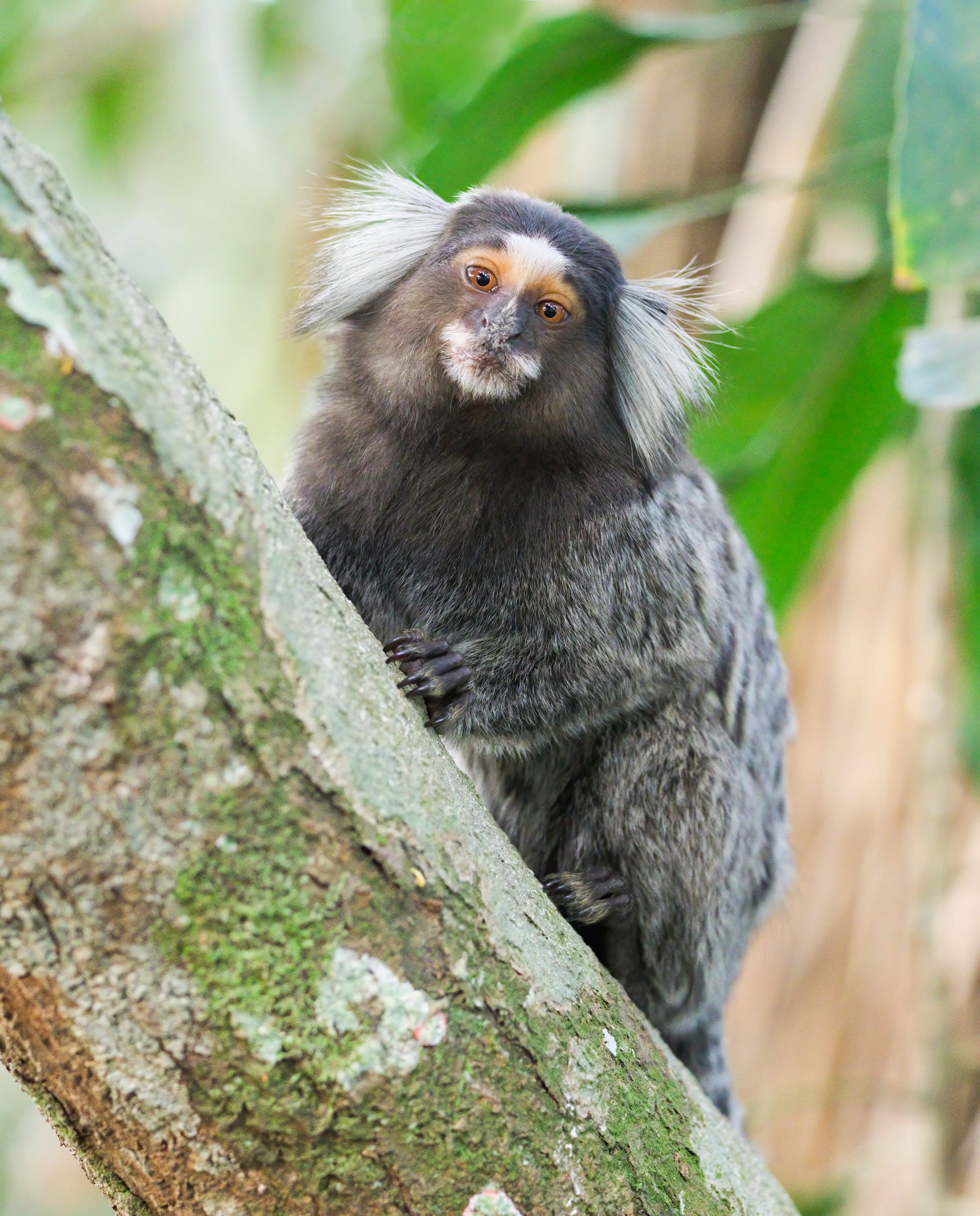
The common marmoset is a small primate native to Brazil, instantly recognizable by its white ear tufts and long, ring-patterned tail. Weighing just 236 to 256 grams, this pint-sized monkey is full of personality — alert, curious, and quick to react to its surroundings. In the wild, marmosets live in tight-knit family groups and rely heavily on companionship, so solitary housing isn't appropriate in captivity either. They're also highly active climbers with a natural habit of gnawing tree bark to feed on sap, meaning their care calls for specialized enclosures and real hands-on experience — this is very much a species for experienced keepers.
View Common Marmoset encyclopedia →0% commission on your first sales!Register by September 30, 2026 and your first 2 sales are commission-free!
Breeder Wanted!
List on BreederDirect and sell directly to customers nationwide!
6 Transparency Commitments from Br-Choku
Every Small Pets listing from Breeder includes the information below. We guarantee transparency through health checks, vaccinations, microchips, and more.
- Hand-Tamed
- Health Checked
- Vaccinated
- Microchipped
- Real Photos
- Age Specified
Browse all 145 breeds
Care Difficulty
Verified breeders wanted for Small Pets
Breeders are signing up now ahead of launch. Subscribe to be notified when new listings go live.
Getting alerts is free with a member account. When new listings match your saved search, we'll notify you by email and in-app.
Browse other categories
Verified breeders (preview)
Are you raising small pets?
Register as a breeder and connect with buyers directly.
Apply as a breederCommon Marmoset key facts
- Care level
- Advanced
- Lifespan
- 10-12 years (captive average; maximum 22.8 years)
- Size
- Head-body about 18.5-19cm / 236-256g
- Diet
- Marmoset pellets, gum arabic, insects, fruit, boiled egg
- Cage
- A tall large cage or dedicated room fitted with perches and ropes to recreate arboreal life. Avoid keeping one alone; house as a family unit.
- Grooming
- Mutual grooming between cage mates is central social behaviour; human grooming is limited to nail care.
- Temperament
- Extremely social group animals. They become assertive and may bite as they mature; adopting for infant cuteness alone often ends badly.
- Notes
- Lack of gum arabic, vitamin D3 and calcium leads to bone disease. Shares infections with humans, so hygiene and a primate-experienced vet are essential.
About Common Marmoset
The common marmoset is a small, highly social primate from Brazil known for its white ear tufts. Living in family groups, it requires arboreal space and companionship, making it a species suited to experienced keepers.
7 things to know before welcoming a Common Marmoset
1Not Suited to Solitary Life
Common marmosets form tight family groups in the wild and are deeply social animals. Housing a single marmoset alone can cause significant stress, so keeping at least a bonded pair is strongly recommended. Companionship is essential to their physical and emotional well-being.
2Vertical, Arboreal Housing
Common marmosets are adapted for life in the trees and prefer to stay well above ground, moving actively through branches. Their enclosure needs plenty of vertical height along with climbing branches and perches to recreate that environment. Without enough room to move, they can develop physical and behavioral problems.
3A Specialized Gum-Feeding Diet
In the wild, common marmosets gnaw tree bark and feed on the sap and gum that seeps out, which is a key part of their natural diet. Captive diets need to account for this habit, since fruit and insects alone won't provide balanced nutrition. Proper feeding requires some specialized knowledge of their dietary needs.
4Not Recommended for Beginners
Common marmosets are considered an advanced-level species to keep. Meeting their social needs, providing enough room to climb and move, and managing their specialized diet all have to come together at once. Prospective owners should build up solid knowledge and preparation time before bringing one home.
5A Long-Term Commitment
In captivity, common marmosets typically live around 10 to 12 years on average, with one individual recorded living to 22.8 years. That's a much longer commitment than their small size might suggest, so it's worth planning ahead for how your own life circumstances may change over that time.
6Vocal and Communicative
Common marmosets communicate with each other using a range of distinct calls. In captivity, they'll often vocalize to express emotions or needs, so anyone living in an apartment or shared housing should factor in how the sound might affect neighbors.
7Finding a Specialized Vet
Not every veterinary clinic is equipped to treat small primates like the common marmoset. Before bringing one home, it's important to find a nearby vet experienced with exotic animals who can provide ongoing care.
Frequently asked questions about Common Marmoset
- Q.Can a common marmoset be kept alone?
- A.Because they're such social animals, keeping a single marmoset alone isn't recommended. It's best to consider housing at least a bonded pair so they have ongoing companionship.
- Q.How big do common marmosets get?
- A.Adults reach a head-and-body length of about 18.5 to 19 cm and weigh roughly 236 to 256 grams. It's a genuinely small-bodied animal, small enough to fit in the palm of a hand.
- Q.What do common marmosets eat?
- A.Since they naturally feed on tree sap and gum in the wild, their diet needs to account for that habit rather than relying on fruit and insects alone. Balanced, well-informed feeding is an important part of their care.
- Q.How long do common marmosets live?
- A.The average lifespan in captivity is around 10 to 12 years, with one record of an individual living as long as 22.8 years. It's worth planning for a long-term commitment.
- Q.Is the common marmoset suitable for first-time owners?
- A.Common marmosets are considered an advanced-level species, not an easy starting point. Their social needs, arboreal housing requirements, and specialized diet call for solid knowledge and preparation beforehand.
Useful tools for Common Marmoset care
Learn more about Common Marmoset in the encyclopedia
View Common Marmoset encyclopedia entry →
Care difficulty, lifespan, size and diet — all basics covered.
More in this category
Can't find the one you're looking for?
Post your wishes for free and breeders with matching animals will contact you with introductions.