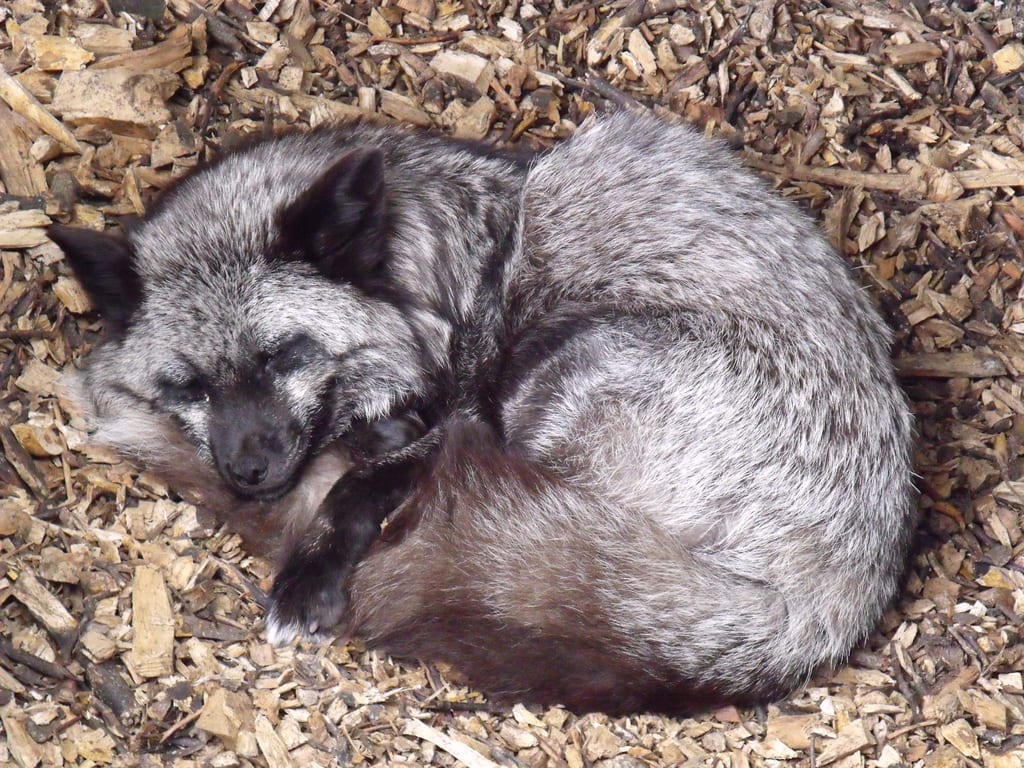
 © C-Hoare / CC BY 2.0
Red Fox
The red fox is a wide-ranging species found across the Northern Hemisphere, with Japan's own Hokkaido and Honshu foxes counted among its subspecies. Foxes kept as pets are almost always captive-bred descendants of fur-farm lines, including the striking silver color morph. Despite being canids, they retain a strong wariness of people and territorial instincts, so they rarely bond the way dogs do and require real expertise and dedicated facilities to keep well. Highly curious and energetic, with a distinctive vocal range and a strong natural scent, red foxes reward owners who take the time to understand their wild instincts before bringing one home.
View Red Fox encyclopedia →0% commission on your first sales!Register by September 30, 2026 and your first 2 sales are commission-free!
Breeder Wanted!
List on BreederDirect and sell directly to customers nationwide!
6 Transparency Commitments from Br-Choku
Every Small Pets listing from Breeder includes the information below. We guarantee transparency through health checks, vaccinations, microchips, and more.
- Hand-Tamed
- Health Checked
- Vaccinated
- Microchipped
- Real Photos
- Age Specified
Browse all 145 breeds
Care Difficulty
Verified breeders wanted for Small Pets
Breeders are signing up now ahead of launch. Subscribe to be notified when new listings go live.
Getting alerts is free with a member account. When new listings match your saved search, we'll notify you by email and in-app.
Browse other categories
Verified breeders (preview)
Are you raising small pets?
Register as a breeder and connect with buyers directly.
Apply as a breederRed Fox key facts
- Care level
- Advanced
- Lifespan
- About 12 years (in captivity; maximum 21.3 years)
- Size
- Head-body 45.5-86.5cm / tail 30-56cm / 2.7-6.8kg
- Diet
- Fox or dog food, raw meat, insects, fruit, vegetables
- Cage
- It digs, climbs and jumps, so a sturdy roofed outdoor enclosure with buried wire is needed. Indoor-only keeping is impractical because of the odour.
- Grooming
- Sheds heavily in the spring moult; brush it out. Scent-gland odour does not wash off, so manage with ventilation and cleaning.
- Temperament
- Retains wild wariness and does not obey like a dog. Nocturnal with shrill night calls. Socialization from a young age is essential.
- Notes
- Echinococcosis and rabies are the main zoonoses linked to this species. Import is subject to rabies quarantine; check for an exotic vet and local ordinances before keeping one.
About Red Fox
An overview of the red fox (including the silver fox color morph) — temperament, care challenges, and key facts to know before considering one as a pet.
7 things to know before welcoming a Red Fox
1Advanced-Level Care Only
Though a canid, the red fox has never been domesticated and retains strong wariness and territorial instincts. Keeping one well calls for real expertise and experience, making it a poor fit for a first-time exotic pet owner.
2Strong Scent & Vocalizations
Red foxes produce a distinctive musky scent from their glands and vocalize quite differently from dogs. Anyone considering indoor housing should plan ahead for both the smell and the noise.
3Needs Ample Exercise Space
Highly curious and active, red foxes do best with a securely fenced outdoor area large enough for them to roam. Safeguards against digging and escape are essential.
4Know the Adult Size
Adults typically reach a head-body length of 45.5–86.5cm, a tail length of 30–56cm, and a weight of 2.7–6.8kg. Individual variation is considerable, so plan housing around the larger end of that range.
5About a 12-Year Lifespan
In captivity, red foxes live an average of about 12 years, with some recorded individuals surviving past 21. Prospective owners should plan for a long-term commitment.
6Color Morphs Like Silver
Individuals available as pets are mostly captive-bred descendants of fur-farm lines, which is why color morphs like the silver fox exist. Their origin differs from that of wild foxes.
7Choose a Trusted Breeder
Given how demanding this species is to keep, it's important to acquire one from a breeder who can explain the animal's health status and rearing conditions in detail. Discuss housing and diet thoroughly before bringing one home.
Frequently asked questions about Red Fox
- Q.Do red foxes bond with people like dogs do?
- A.Red foxes are canids, but unlike domesticated dogs they retain strong wariness and territorial instincts. Individual temperament varies, but forming a dog-like bond is generally not something to expect.
- Q.Is the silver fox a different species from the red fox?
- A.No — the silver fox is simply a color morph of the red fox, not a separate species. Most individuals available as pets are captive-bred descendants of fur-farm lines.
- Q.How much space does a red fox need?
- A.Because red foxes are highly active, it's best to provide a securely fenced outdoor space large enough for them to move around freely. Precautions against digging and escape are also important.
- Q.How long do red foxes live?
- A.In captivity, red foxes live an average of about 12 years. Some recorded individuals have lived past 21 years, so it's important to plan for long-term care.
- Q.Are there any legal restrictions on obtaining a red fox?
- A.Only some subspecies of Red Fox found in India (V. v. griffithi, montana and pusilla) are listed in CITES Appendix III, listed by India. As far as CITES is concerned, no registration is needed to buy or sell in Japan.
Useful tools for Red Fox care
Learn more about Red Fox in the encyclopedia
View Red Fox encyclopedia entry →
Care difficulty, lifespan, size and diet — all basics covered.
More in this category
Can't find the one you're looking for?
Post your wishes for free and breeders with matching animals will contact you with introductions.