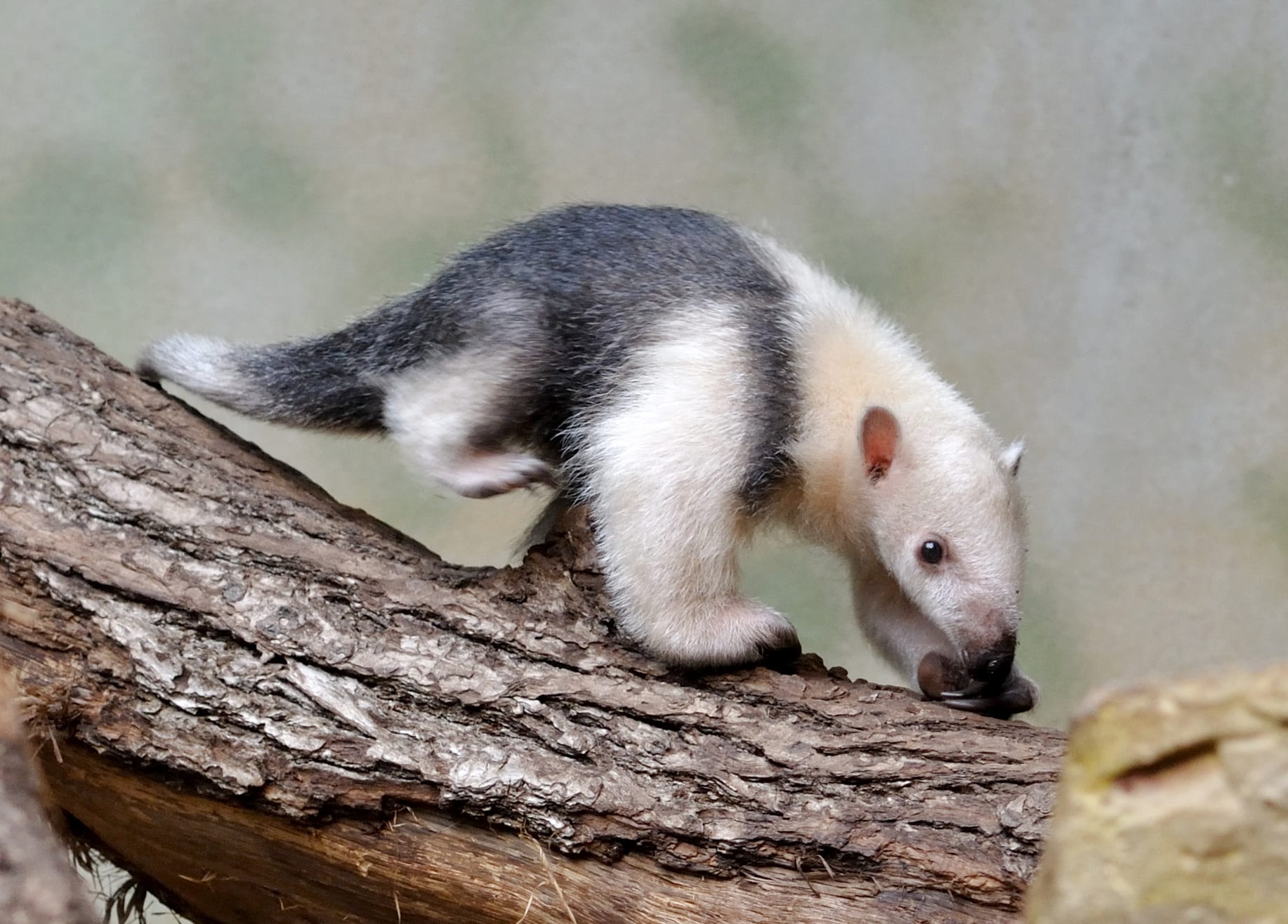
 © Quartl / CC BY-SA 3.0
Southern Tamandua
The southern tamandua is an arboreal anteater native to South America's tropical forests, using its long, quick-flicking tongue to feed on ants and termites. With a stocky body and powerful curved claws, it has a distinctive look, and its solitary, nocturnal habits mean it spends much of the day resting quietly out of sight. Behind its endearing appearance lies real strength — when threatened, it defends itself with sharp foreclaws and a powerful grip. Because it requires a specialized liquid diet and careful handling, the species is generally considered suitable only for experienced keepers.
View Southern Tamandua encyclopedia →0% commission on your first sales!Register by September 30, 2026 and your first 2 sales are commission-free!
Breeder Wanted!
List on BreederDirect and sell directly to customers nationwide!
6 Transparency Commitments from Br-Choku
Every Small Pets listing from Breeder includes the information below. We guarantee transparency through health checks, vaccinations, microchips, and more.
- Hand-Tamed
- Health Checked
- Vaccinated
- Microchipped
- Real Photos
- Age Specified
Browse all 145 breeds
Care Difficulty
Verified breeders wanted for Small Pets
Breeders are signing up now ahead of launch. Subscribe to be notified when new listings go live.
Getting alerts is free with a member account. When new listings match your saved search, we'll notify you by email and in-app.
Browse other categories
Verified breeders (preview)
Are you raising small pets?
Register as a breeder and connect with buyers directly.
Apply as a breederSouthern Tamandua key facts
- Care level
- Advanced
- Lifespan
- Up to 9 years 6 months recorded in captivity
- Size
- 34-88cm body (tail 37-67cm) / 1.5-8.4kg
- Diet
- Anteater gruel (insect meal, meat and fruit), ants and termites
- Cage
- Tall large enclosure or dedicated room with thick climbing branches, hammocks and a sleeping den
- Grooming
- Minimal coat care; claws grow fast and need regular trimming
- Temperament
- Calm, but strikes with forearms and claws when startled. Nocturnal, sleeps by day
- Notes
- Must prepare an ant-substitute gruel. Beware of claw lacerations when handling
About Southern Tamandua
Learn about the southern tamandua's traits and temperament before bringing one home, from its need for a specialized liquid diet to its nocturnal, solitary habits and other essential care basics.
7 things to know before welcoming a Southern Tamandua
1Advanced-Level Care
Southern tamanduas require a specialized liquid diet and more hands-on knowledge than typical pets. If you're new to caring for this kind of animal, take time to research and prepare thoroughly before bringing one home.
2Nocturnal and Solitary
They're active at night and rest for much of the day, so their environment should match that rhythm. As solitary animals, they generally prefer their own space, so let them set the pace for any interaction.
3Arboreal Housing Needs
Because tamanduas naturally climb, providing branches or tall perches encourages natural behavior. Their sharp claws mean any furnishings should be sturdy enough to hold up to regular use.
4A Specialized Diet
As insectivores that feed on ants and termites in the wild, they rely on a purpose-made liquid formula in captivity. Managing their nutritional balance calls for specialized knowledge.
5Powerful Claws
When they feel threatened, tamanduas defend themselves with their sharp foreclaws, so handling requires caution. Avoid forcing contact and let them approach on their own terms.
6A Long-Term Commitment
Captive southern tamanduas have been recorded living up to 9 years and 6 months, so plan for years of ongoing care. Be ready to adjust their care as they move through different life stages.
7Preparing Before Adoption
Before bringing one home, check carefully what housing, diet, and daily care will actually involve. Talking with a breeder experienced with this species can help you feel confident and prepared.
Frequently asked questions about Southern Tamandua
- Q.Do southern tamanduas bond with their keepers?
- A.As solitary, nocturnal animals, they don't bond the way dogs or cats do. Building trust with an individual takes time and patience.
- Q.What should I feed a southern tamandua?
- A.In the wild they eat ants and termites, but in captivity a specialized liquid diet is the standard food. Managing their nutrition properly requires specialized knowledge.
- Q.Are they suitable for first-time keepers?
- A.They're generally considered an advanced-level species, so they aren't recommended for first-time keepers. Preparing for their specialized diet and nocturnal habits takes real knowledge in advance.
- Q.How big do southern tamanduas get?
- A.Body length runs about 34–88 cm with a 37–67 cm tail, and adults weigh roughly 1.5–8.4 kg. Individual size varies quite a bit, so it's worth expecting a range rather than one fixed size.
- Q.How long do they live in captivity?
- A.The longest recorded lifespan in captivity is 9 years and 6 months. It's worth committing to long-term care before bringing one home.
Useful tools for Southern Tamandua care
Learn more about Southern Tamandua in the encyclopedia
View Southern Tamandua encyclopedia entry →
Care difficulty, lifespan, size and diet — all basics covered.
More in this category
Can't find the one you're looking for?
Post your wishes for free and breeders with matching animals will contact you with introductions.