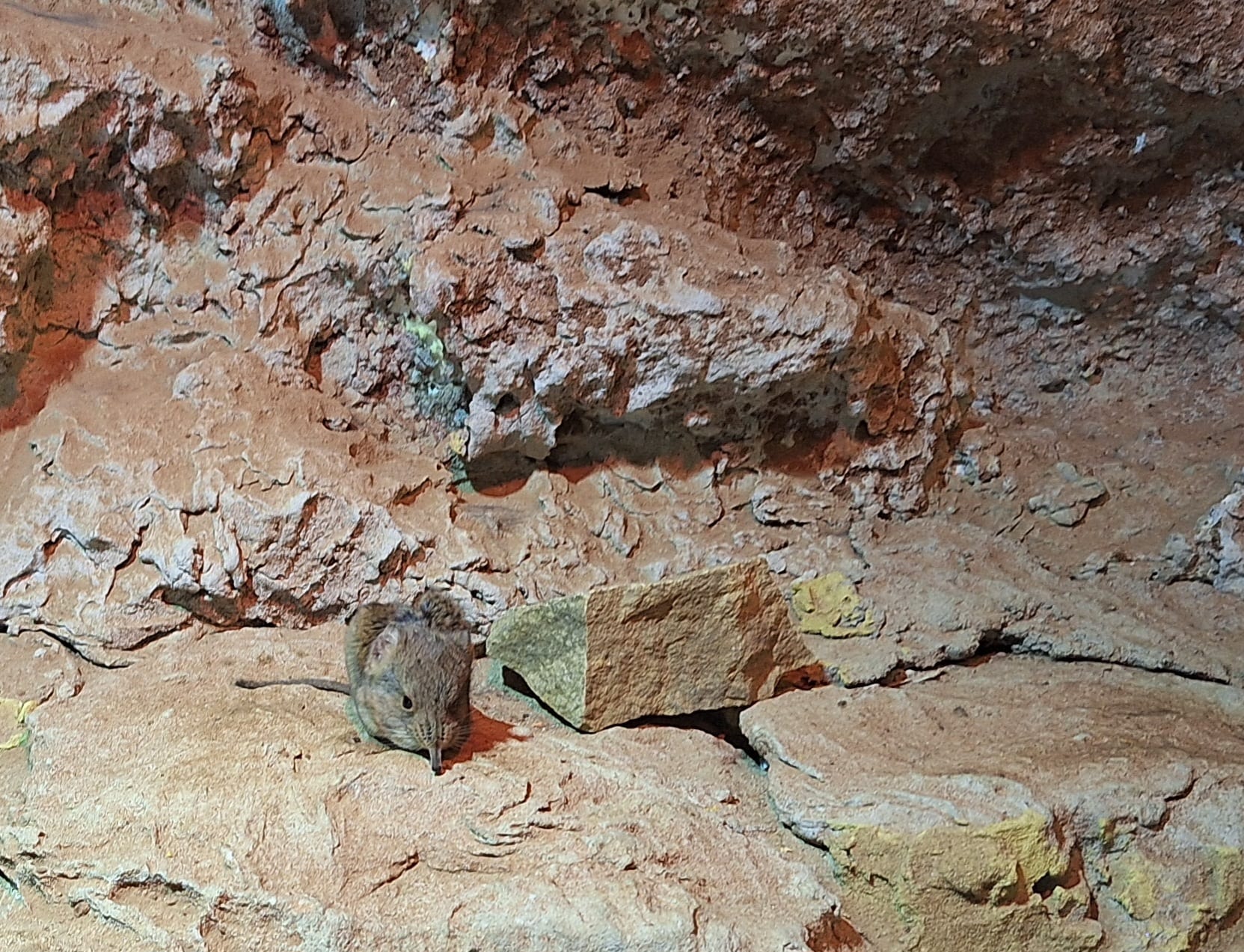
 © Ramsch / CC BY-SA 4.0
Round-eared Sengi
Native to southern Africa, the round-eared sengi is instantly recognizable by its long, flexible snout and oversized round ears. Despite its small frame—body length of just 10 to 11 cm—its tail stretches even longer, reaching 9.7 to 13 cm. Don't be fooled by the name: this isn't a rodent at all, but a distinct insectivorous mammal that uses its mobile nose to probe the ground and leaf litter for prey. In the wild, sengis form monogamous pairs that share a territory, yet each animal tends to forage alone and can be quite skittish. Fast-moving and highly sensitive to noise, they thrive best in a calm setting with generous space to explore. Caring for one calls for patience and a solid grasp of insectivore husbandry, making this a species best suited to experienced keepers.
View Round-eared Sengi encyclopedia →0% commission on your first sales!Register by September 30, 2026 and your first 2 sales are commission-free!
Breeder Wanted!
List on BreederDirect and sell directly to customers nationwide!
6 Transparency Commitments from Br-Choku
Every Small Pets listing from Breeder includes the information below. We guarantee transparency through health checks, vaccinations, microchips, and more.
- Hand-Tamed
- Health Checked
- Vaccinated
- Microchipped
- Real Photos
- Age Specified
Browse all 145 breeds
Care Difficulty
Verified breeders wanted for Small Pets
Breeders are signing up now ahead of launch. Subscribe to be notified when new listings go live.
Getting alerts is free with a member account. When new listings match your saved search, we'll notify you by email and in-app.
Browse other categories
Verified breeders (preview)
Are you raising small pets?
Register as a breeder and connect with buyers directly.
Apply as a breederAbout Round-eared Sengi
A care guide to the round-eared sengi (elephant shrew): a southern African insectivore with a long mobile snout, 10-11 cm body, and 3-4 year lifespan. Key facts before bringing one home.
7 things to know before welcoming a Round-eared Sengi
1An Insectivore's Diet
Sengis are true insectivores, relying on live foods like crickets and mealworms as dietary staples. A single food source isn't enough—offering a varied mix of insects helps prevent nutritional gaps.
2Room to Roam
In the wild these animals cover wide territories at a brisk pace, so captive enclosures need generous floor space and plenty of hiding spots. A cramped setup can quickly lead to stress and health issues.
3Skittish and Sound-Sensitive
Sengis startle easily at sudden noises or movement and often stay wary until they settle in. Building trust takes a quiet environment and plenty of patience.
4Pair-Bonded Territories
In the wild, males and females form monogamous pairs that share a territory. If housing more than one, watch compatibility closely and never force cohabitation.
5An Advanced-Level Pet
Managing an insect-based diet and a naturally jumpy temperament makes this a species best suited to experienced keepers—general small-pet experience alone may not be enough.
6Warmth Is Non-Negotiable
Native to southern Africa, sengis are sensitive to cold and need consistent temperature and humidity control year-round.
7A 3-4 Year Commitment
A captive lifespan of 3 to 4 years means a real, multi-year commitment. Before bringing one home, consider carefully whether you can provide responsible care for the long haul.
Frequently asked questions about Round-eared Sengi
- Q.Is the round-eared sengi related to mice?
- A.No—despite the name, it isn't a rodent at all but belongs to its own distinct group of mammals. Its long, mobile snout is one of its defining features.
- Q.What should I feed a round-eared sengi?
- A.A diet centered on insects like crickets and mealworms is essential. Combining several types of insects helps maintain a balanced nutritional intake.
- Q.Can beginners keep this species?
- A.This species is generally classified as suited to experienced keepers. Managing its insect-based diet and skittish temperament calls for prior animal-care experience.
- Q.Can I keep multiple sengis together?
- A.In the wild, sengis live in monogamous pairs that share a territory. If housing them together, monitor compatibility closely and be ready to separate them if needed.
- Q.Are there any CITES restrictions on this species?
- A.This species is not listed under CITES. Keep this in mind when considering a sengi as a pet.
Useful tools for Round-eared Sengi care
Learn more about Round-eared Sengi in the encyclopedia
View Round-eared Sengi encyclopedia entry →
Care difficulty, lifespan, size and diet — all basics covered.
More in this category
Can't find the one you're looking for?
Post your wishes for free and breeders with matching animals will contact you with introductions.