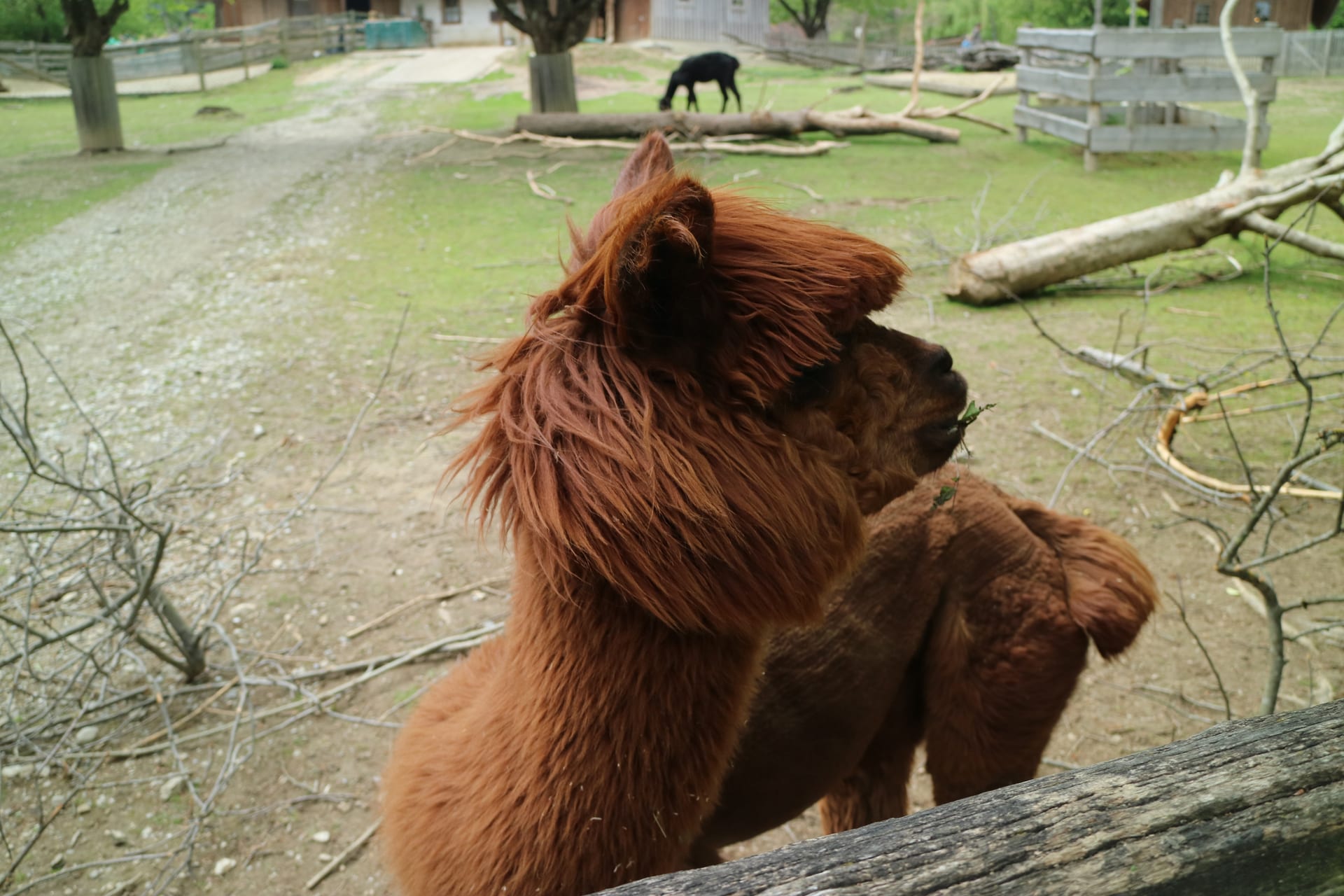
 © Clemens Stockner / CC BY-SA 3.0
Alpaca
Alpacas are the smallest members of the camelid family, domesticated in the high Andes. Adults stand about 90–130 cm at the shoulder and weigh 55–65 kg. They come in two fleece types: the crimped huacaya and the silky, straight-hanging suri. Alpacas are curious but cautious herbivores that live in herds, so keeping one on its own is not recommended. With a lifespan of about 20 years in captivity, they suit experienced keepers who can provide plenty of space and specialized care. Plan your setup carefully before bringing them home.
View Alpaca encyclopedia →Breeder Wanted!
List on BreederDirect and sell directly to customers nationwide!
BreederDirect's 6 Transparency Commitments
Every Small Pets listing from Breeder includes the information below. We guarantee transparency through health checks, vaccinations, microchips, and more.
- Hand-Tamed
- Health Checked
- Vaccinated
- Microchipped
- Real Photos
- Age Specified
Browse all 168 breeds
Care Difficulty
Verified breeders wanted for Small Pets
Breeders are signing up now ahead of launch. Subscribe to be notified when new listings go live.
Getting alerts is free with a member account. When new listings match your saved search, we'll notify you by email and in-app.
Browse other categories
Verified breeders (preview)

Are you raising small pets?
Register as a breeder and connect with buyers directly.
Apply as a breederAlpaca key facts
- Care level
- Advanced
- Lifespan
- About 20 years in captivity
- Size
- 90–130cm at the shoulder; 55–65kg
- Diet
- Herbivore (grazer): pasture grass and hay
- Housing
- A livestock animal kept on pasture with a barn, not indoors. It needs grazing land, a shelter from rain, wind and sun, and sturdy fencing.
- Social Needs
- A herd animal that also joins llamas, goats and sheep. Avoid keeping just one; bring home several.
- Diet
- A strict grazer. Base the diet on pasture and hay and avoid sudden feed changes.
- Grooming
- Both the crimpy Huacaya and the straight-hanging Suri fleece keep growing, so regular shearing is needed.
- Temperature
- Its native highlands drop below 0°C at night and reach about 16°C by day, and its fleece is thick. In a Japanese summer, shear it and provide shade and airflow.
- Regulations
- As an even-toed ungulate it is a designated quarantine item under the Domestic Animal Infectious Diseases Control Law when imported (15-day quarantine). Ask the prefectural livestock hygiene service centre whether keeping it requires notification.
- Notes
- Males grow fighting teeth over 3cm long. It is a large animal of tens of kilograms, so line up a large-animal vet beforehand.
About Alpaca
Learn about alpacas: 90–130 cm at the shoulder, 55–65 kg, and about 20 years in captivity. Herd-living herbivores with huacaya and suri fleece types, best suited to experienced keepers. Includes FAQ.
7 things to know before welcoming a Alpaca
1A herd animal
Alpacas are herd-living herbivores and are not suited to being kept alone. Without companions they can become unsettled and stressed. Plan your space and care routine around keeping more than one animal.
2For experienced keepers
Alpacas are rated for experienced keepers, since pasture, feeding, and health care all call for broad knowledge. They live about 20 years in captivity, so set up your facilities and support in advance and make sure you can care for them for life.
3Space and sturdy fencing
Adults reach 90–130 cm at the shoulder and weigh 55–65 kg, so they need a roomy paddock to move around in and strong fencing. A roofed shelter that protects them from rain, wind, and strong sun is also essential.
4Coping with heat and humidity
Because of their dense fleece, hot and humid conditions like a Japanese summer can put a strain on them. Provide shade, a well-ventilated resting area, and fresh water, and plan shearing ahead of the hot season.
5Fleece types and shearing
The crimped huacaya and the silky, straight-hanging suri differ in fleece texture and how they feel to groom. Both keep growing their fleece and need regular shearing, so it helps to learn the method beforehand.
6Temperament and handling
Alpacas can be curious and gentle, but they are also wary and dislike being grabbed or chased. When excited, or during disputes with herd mates, they may spit. Approach calmly and give them time to build trust.
7Diet and health care
Their staple is grass or hay, supplemented with fresh water and minerals. They also need nail care and regular health checks, so find a veterinarian who can treat camelids before you bring one home.
Frequently asked questions about Alpaca
- Q.Can I keep just one alpaca?
- A.Keeping a single alpaca is not recommended, because they are herd animals. They can become unsettled without companions, so plan on keeping more than one.
- Q.Is an alpaca suitable for beginners?
- A.Alpacas are rated for experienced keepers. Pasture management, shearing, and health care all require specialized knowledge, so line up ways to learn and people to consult before you decide.
- Q.How big do they get and how long do they live?
- A.Adults stand 90–130 cm at the shoulder, weigh 55–65 kg, and live about 20 years in captivity. They are the smallest camelids, but they still need ample space and long-term care.
- Q.What is the difference between huacaya and suri?
- A.The huacaya has a crimped fleece, while the suri has silky fleece that hangs straight down. Both need regular shearing and grooming.
- Q.Can alpacas cope with Japanese summers?
- A.Their dense fleece makes hot, humid weather a strain. Provide shade, a well-ventilated resting area, and fresh water, and plan shearing before the heat arrives.
Useful tools for Alpaca care
Learn more about Alpaca in the encyclopedia
View Alpaca encyclopedia entry →
Care difficulty, lifespan, size and diet — all basics covered.
More in this category
Can't find the one you're looking for?
Post your wishes for free and breeders with matching animals will contact you with introductions.