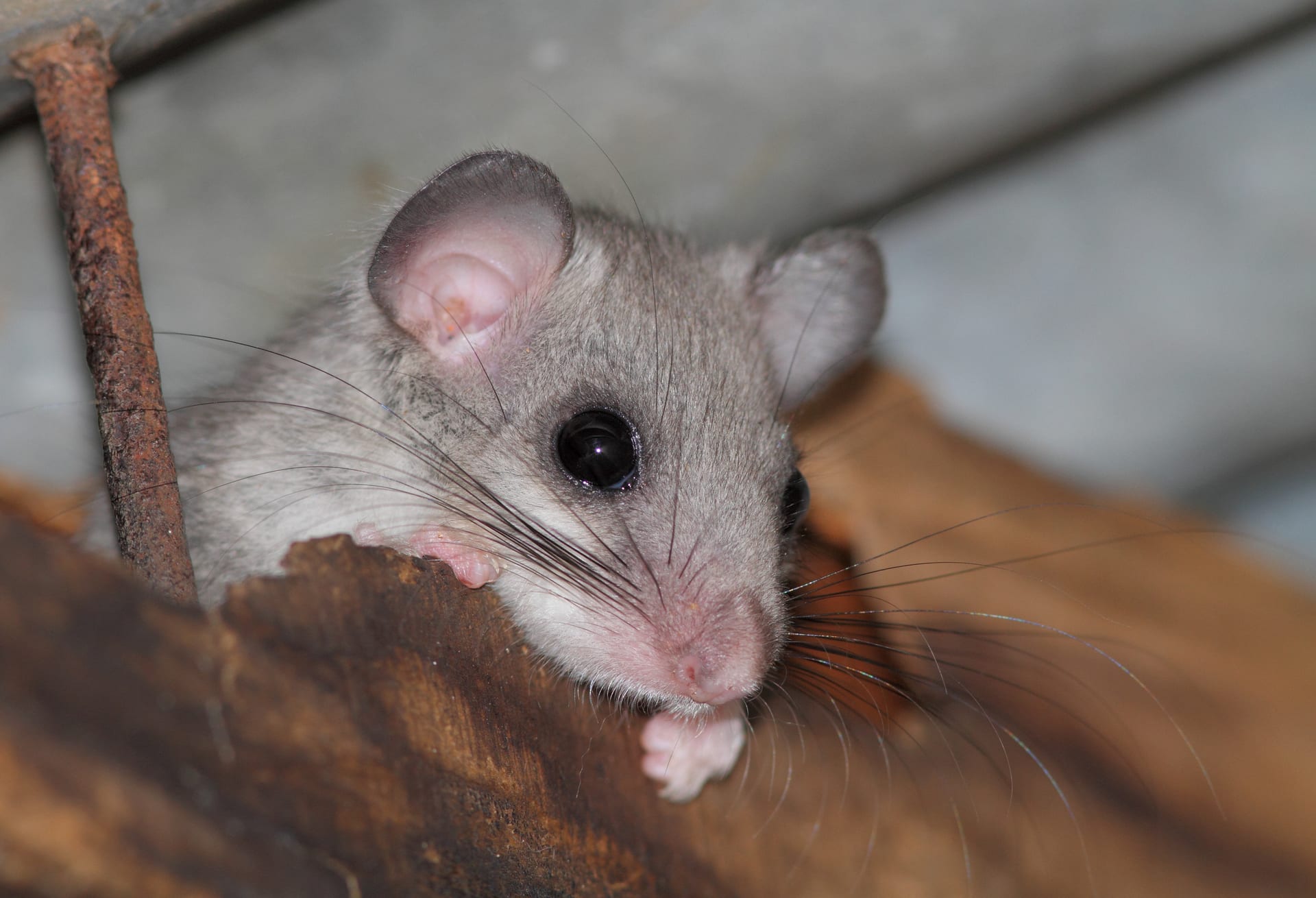
 © Bouke ten Cate / CC BY-SA 4.0
Edible Dormouse
The edible dormouse is the largest member of the dormouse family, a squirrel-like rodent with a gray back, a white belly and a bushy tail. Adults measure 16 to 19 cm in head-and-body length, with a tail up to 16.8 cm, and weigh 120 to 150 g. It is nocturnal and lives in the trees, feeding on beechnuts and acorns, and it hibernates for a long stretch from autumn through spring. Rather than a pet for cuddling, it is an animal to enjoy watching for its night-time activity and seasonal rhythm. Care is rated for experienced keepers, and captive animals live 8.7 years on average, so it is a long commitment.
View Edible Dormouse encyclopedia →0% commission on your first sales!Register by September 30, 2026 and your first 2 sales are commission-free!
Breeder Wanted!
List on BreederDirect and sell directly to customers nationwide!
6 Transparency Commitments from Br-Choku
Every Small Pets listing from Breeder includes the information below. We guarantee transparency through health checks, vaccinations, microchips, and more.
- Hand-Tamed
- Health Checked
- Vaccinated
- Microchipped
- Real Photos
- Age Specified
Browse all 168 breeds
Care Difficulty
Verified breeders wanted for Small Pets
Breeders are signing up now ahead of launch. Subscribe to be notified when new listings go live.
Getting alerts is free with a member account. When new listings match your saved search, we'll notify you by email and in-app.
Browse other categories
Verified breeders (preview)

Are you raising small pets?
Register as a breeder and connect with buyers directly.
Apply as a breederEdible Dormouse key facts
- Care level
- Advanced
- Lifespan
- About 9 years on average wild (max 12); captive average 8.7 years
- Size
- Head and body 16–19cm, tail up to 16.8cm; 120–150g
- Diet
- Mainly herbivorous omnivore: beech mast, acorns, hazelnuts and fruit
- Cage
- Nocturnal and arboreal, resting in tree holes or nests by day. Provide a tall cage with branches and a nest box placed high.
- Diet
- Staples are beech mast, acorns and hazelnuts, with lots of fruit in summer; it also eats flowers, leaves, insects and fungi, so do not feed nuts alone.
- Temperament
- Mostly solitary, though close relatives may share nests or hibernate together.
- Temperature
- It uses daily torpor, hibernation and aestivation, hibernating underground from autumn to spring. Wild dormice fatten in autumn and hibernate for months. Hibernation can kill a weak captive animal, so decide with an exotic-animal vet in advance whether to allow it and how to manage winter temperatures.
- Regulations
- Imports fall under the animal import notification system; animals bred in Japan need no notification.
- Notes
- It can live close to 10 years, and as it is rarely traded, husbandry information is limited. Never release captive animals into the wild.
About Edible Dormouse
Meet the edible dormouse, the largest of the dormice: nocturnal, tree-dwelling and 120 to 150 g. Learn about housing, hibernation and what to know before you bring one home.
7 things to know before welcoming a Edible Dormouse
1For Experienced Keepers
The edible dormouse is rated for experienced keepers. Being nocturnal, arboreal and a long hibernator all at once, it calls for solid preparation and research even if you have kept small animals before. If this would be your first small pet, gaining experience with another species first is a sensible option.
2Night-Time Lifestyle
It rests in a nest during the day and is most active at night. You may hear it moving around after dark, so placing the cage in a quiet spot away from where you sleep can help. Waking a sleeping animal for daytime handling is best avoided.
3Tall, Sturdy Housing
It is an arboreal animal, and adults reach 16 to 19 cm in head-and-body length with a tail up to 16.8 cm. Choose a cage with real height, and furnish it with branches to climb and a nest box to hide in. It can gnaw, so pick durable materials and watch for small gaps it could escape through.
4Diet Basics
In the wild it eats beechnuts and acorns, and in captivity the diet is built around seeds, nuts and fruit. Fatty nuts should not be overfed, so adjust portions while watching body weight. Ask the breeder about the exact foods and amounts when you bring one home, and always provide fresh water.
5Living with Hibernation
This species hibernates for a long stretch from autumn to spring, and activity and appetite may drop as the season changes. How it spends the season in captivity varies with the animal and its environment, so ask the breeder in advance. Because hibernation and illness can look alike, consult a vet who sees small exotic pets early if something seems off.
6Temperament and Handling
Some individuals take a long time to get used to people, and they may bite. Do not force contact; when you do handle one, stay calm and support it gently with your palm. Avoid grabbing the tail, which is easily injured.
7Lifespan and Preparation
Captive animals live 8.7 years on average, and wild ones about 9 years on average with a maximum of 12. Plan for close to a decade of care, and get everything ready before the animal arrives. Have the cage, nest box and food prepared, and find a vet who can see small exotic pets ahead of time.
Frequently asked questions about Edible Dormouse
- Q.Can a beginner keep an edible dormouse?
- A.Its care difficulty is rated for experienced keepers, so it is not an easy first small pet. Being nocturnal, arboreal and a hibernator, it needs knowledge of housing and seasonal care. If you are unsure, gain experience first and talk to the breeder.
- Q.How long does an edible dormouse live?
- A.Captive animals live 8.7 years on average, and wild ones about 9 years on average with a maximum of 12. Since this is a long commitment, make sure you can care for it that long before bringing one home.
- Q.How big does it get?
- A.Adults measure 16 to 19 cm in head-and-body length, with a tail up to 16.8 cm, and weigh 120 to 150 g. It is the largest species in the dormouse family, so the cage should allow for its full length including the tail.
- Q.Does it hibernate?
- A.In the wild it hibernates for a long period from autumn to spring. How it spends the season in captivity varies with the animal and its environment, so check with the breeder beforehand. Hibernation and illness can look alike, so consult a vet early if something seems wrong.
- Q.What does it eat?
- A.In the wild it eats beechnuts and acorns, and in captivity the diet centers on seeds, nuts and fruit. Take care not to overfeed fatty foods, and ask the breeder about the exact foods and amounts when you bring one home.
Useful tools for Edible Dormouse care
Learn more about Edible Dormouse in the encyclopedia
View Edible Dormouse encyclopedia entry →
Care difficulty, lifespan, size and diet — all basics covered.
More in this category
Can't find the one you're looking for?
Post your wishes for free and breeders with matching animals will contact you with introductions.