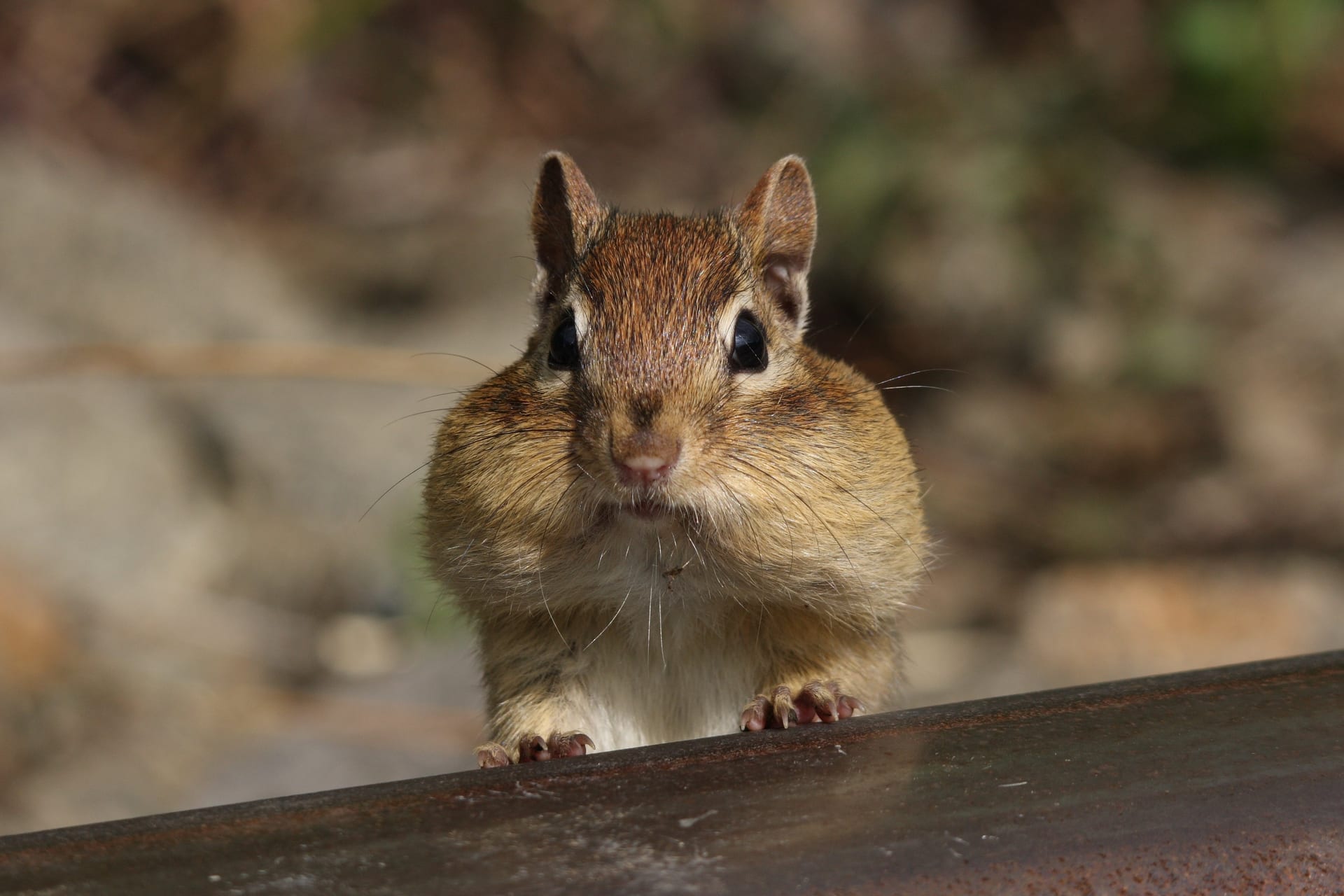
 © Cephas / CC BY-SA 3.0
Eastern Chipmunk
The Eastern chipmunk is a chipmunk native to the forests of eastern North America. Five dark stripes run down its back, and the rump shows yellow to reddish tones. Adults measure about 30 cm in total length including the tail and weigh 66 to 115 g. Carrying food in its cheek pouches and stashing it in a burrow is a big part of its charm. Because it is active during the day, it is easy to watch. It is also solitary and territorial, and can take time to get used to people, so it is rated as suitable for intermediate keepers. Learn its habits first, then prepare a calm setup before bringing one home.
View Eastern Chipmunk encyclopedia →0% commission on your first sales!Register by September 30, 2026 and your first 2 sales are commission-free!
Breeder Wanted!
List on BreederDirect and sell directly to customers nationwide!
BreederDirect's 6 Transparency Commitments
Every Small Pets listing from Breeder includes the information below. We guarantee transparency through health checks, vaccinations, microchips, and more.
- Hand-Tamed
- Health Checked
- Vaccinated
- Microchipped
- Real Photos
- Age Specified
Browse all 168 breeds
Care Difficulty
Verified breeders wanted for Small Pets
Breeders are signing up now ahead of launch. Subscribe to be notified when new listings go live.
Getting alerts is free with a member account. When new listings match your saved search, we'll notify you by email and in-app.
Browse other categories
Verified breeders (preview)
Are you raising small pets?
Register as a breeder and connect with buyers directly.
Apply as a breederEastern Chipmunk key facts
- Care level
- Intermediate
- Lifespan
- Usually under 2 years in the wild; captive record of 8 years
- Size
- About 30cm including tail; 66–115g
- Diet
- Omnivore: mainly fruit, seeds and nuts, plus insects
- Cage
- It forages on the ground but climbs well. Use a tall cage with a nest box and branches, and bedding deep enough to dig in.
- Diet
- Staples are fruit, seeds and nuts, plus insects and worms. It hoards food in its cheek pouches and caches, so check hidden food for spoilage.
- Temperament
- Solitary and territorial around its burrow; keep animals singly to avoid fights.
- Temperature
- It does not fatten for hibernation but alternates torpor with waking in winter. Keep the room warm in winter and watch its weight, as torpor cuts food intake.
- Regulations
- As a squirrel it needs a species-name certificate on import, and imports fall under the animal import notification system.
- Notes
- It is a different species from the Siberian chipmunk. Alien squirrels are already a problem in Japan, so never release captive animals into the wild.
About Eastern Chipmunk
Learn about the Eastern chipmunk: its five dark back stripes, cheek pouches, daytime and solitary habits, what to know before bringing one home, and answers to common questions.
7 things to know before welcoming a Eastern Chipmunk
1Active in the daytime
The Eastern chipmunk is diurnal, spending the day running and climbing. That makes it easy to watch, but constant foot traffic or loud noise during the day can leave it unsettled. Place the cage in a quiet spot away from direct sunlight and drafts from an air conditioner.
2Keep them alone
In the wild this species lives alone and defends its territory. Housing several together can lead to fights, so the basic rule is one animal per cage.
3Give it plenty of room
This animal stores food in a burrow, so it needs space to run, climb, and hide. Since adults reach about 30 cm including the tail, choose a roomy cage and add a nest box, deep bedding it can burrow into, and branches to climb. It is small and quick, so check doors and gaps regularly.
4Hoarding and diet
It fills its cheek pouches and carries food back to its nest to store. Fresh food that is stashed away can spoil and grow mold, so check the nest box regularly. Do not rely on seeds alone, and mix in vegetables and other foods. An experienced vet or keeper can help you plan the details.
5Watch for cold and torpor
This species lives through cold winters in eastern North America, and in the wild it enters a state close to hibernation. In captivity, prolonged cold can also make it stop moving, which can be hard to tell apart from illness. Keep the room temperature stable, and decide how you will manage winter before you bring one home.
6Taming takes patience
Some individuals are wary, and whether one becomes comfortable on your hand depends on the animal and on how you approach it. At just 66 to 115 g, it must never be gripped tightly, so build trust gradually with your voice and small treats. A frightened chipmunk may bite or become stressed, so never force contact.
7Find a vet in advance
At 66 to 115 g, changes in condition can show up quickly. Make it a habit to check its appetite, droppings, and activity every day. Before bringing one home, look for a vet who can see chipmunks or other small animals, so you are not scrambling if something goes wrong.
Frequently asked questions about Eastern Chipmunk
- Q.Can a beginner keep an Eastern chipmunk?
- A.It is rated as suitable for intermediate keepers. It is solitary and territorial, some individuals are wary, and the setup and room temperature need care, so experience with small animals helps. If you are new to this, research its habits and required equipment thoroughly first.
- Q.Can I keep more than one together?
- A.The basic approach is one animal per cage. They live alone in the wild and are territorial, so sharing a cage can lead to fights.
- Q.How long do they live?
- A.In the wild they usually live less than two years, and a captive lifespan of eight years has been recorded. That eight-year figure is a record rather than a typical lifespan, so individuals vary. Because it could be a long commitment, plan ahead before bringing one home.
- Q.How big do adults get?
- A.Adults reach about 30 cm in total length including the tail and weigh 66 to 115 g. They are light, so handle them gently, and provide a roomy cage where they can move around freely.
- Q.Why do their cheeks puff out?
- A.They are filling their cheek pouches to carry food, a habit tied to storing it in a burrow. If it is just food, there is no need to worry, but if the swelling lasts, consult a vet.
Useful tools for Eastern Chipmunk care
Learn more about Eastern Chipmunk in the encyclopedia
View Eastern Chipmunk encyclopedia entry →
Care difficulty, lifespan, size and diet — all basics covered.
More in this category
Can't find the one you're looking for?
Post your wishes for free and breeders with matching animals will contact you with introductions.