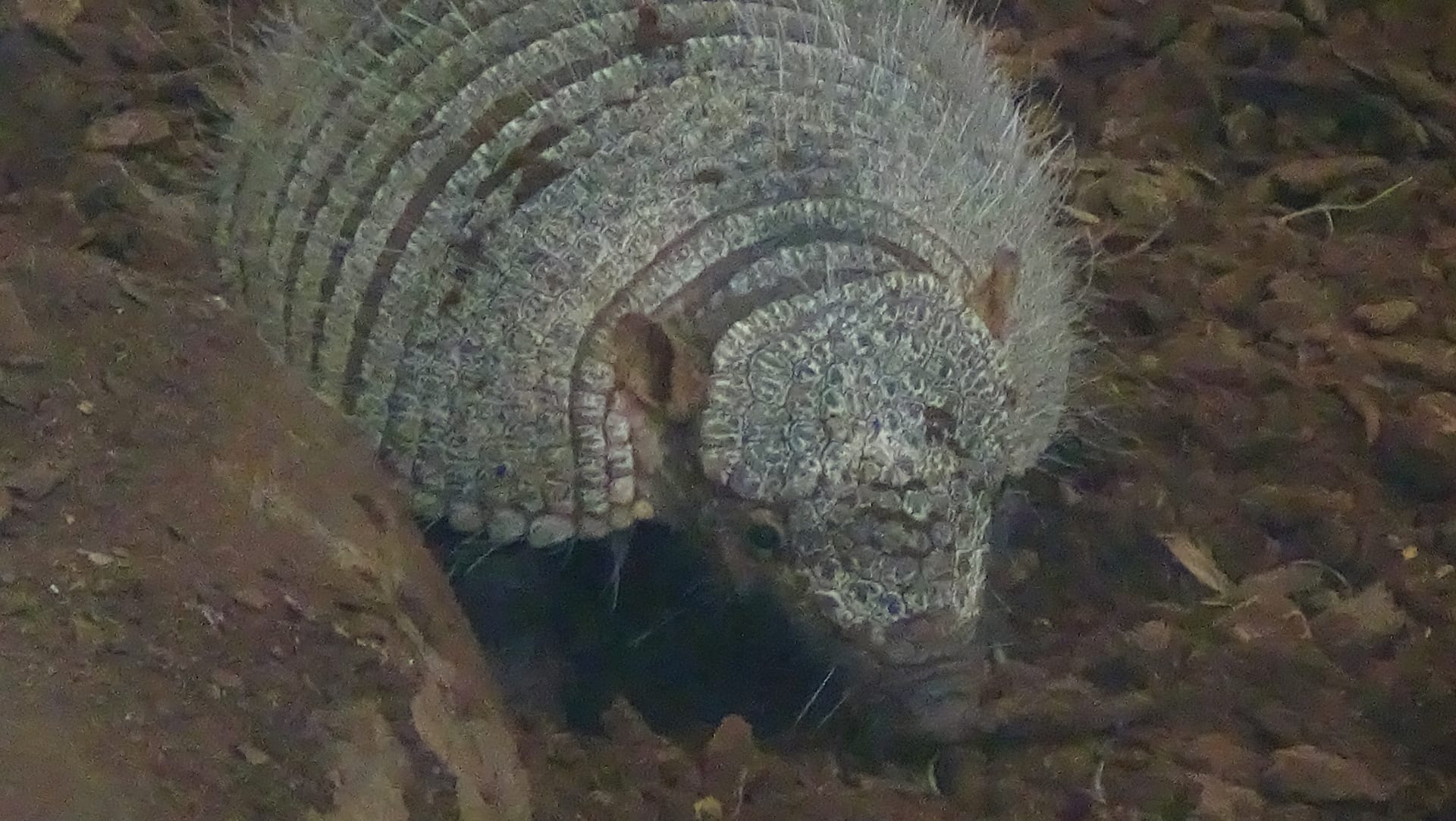
 © Cedricguppy - Loury Cédric / CC BY-SA 4.0
Big Hairy Armadillo
The Big Hairy Armadillo is easy to recognize by the long grey-brown to white hairs that grow from between its shell bands and along its belly. Adults measure 22–40 cm in body length and average about 2 kg, and they are strong diggers. As omnivores, they eat insects, small animals, plants and even carrion. Captive individuals have lived more than 30 years, so keeping one is a long commitment. It is a species for experienced keepers, but its endearing face and distinctive movements reward those willing to invest the time.
View Big Hairy Armadillo encyclopedia →Breeder Wanted!
List on BreederDirect and sell directly to customers nationwide!
BreederDirect's 6 Transparency Commitments
Every Small Pets listing from Breeder includes the information below. We guarantee transparency through health checks, vaccinations, microchips, and more.
- Hand-Tamed
- Health Checked
- Vaccinated
- Microchipped
- Real Photos
- Age Specified
Browse all 168 breeds
Care Difficulty
Verified breeders wanted for Small Pets
Breeders are signing up now ahead of launch. Subscribe to be notified when new listings go live.
Getting alerts is free with a member account. When new listings match your saved search, we'll notify you by email and in-app.
Browse other categories
Verified breeders (preview)

Are you raising small pets?
Register as a breeder and connect with buyers directly.
Apply as a breederBig Hairy Armadillo key facts
- Care level
- Advanced
- Lifespan
- Captive record over 30 years (average 19–20)
- Size
- 22–40cm long; about 2kg on average
- Diet
- Omnivore: insects, small vertebrates, plants and carrion
- Housing
- A powerful digger that burrows for shelter, food and cooling. Give deep diggable substrate or a floor it cannot break through, plus a hide.
- Diet
- An omnivore of invertebrates, small vertebrates, plants and carrion, with the plant share changing by season. Base it on insects and plan the diet with an experienced vet.
- Temperature
- It escapes heat by burrowing and turns nocturnal in summer. The ideal keeping temperature is unclear, so guard against both Japanese summer heat and winter cold.
- Temperament
- Its life centres on digging, and it becomes more nocturnal in summer. The claws are strong, so support the feet when handling to avoid scratches.
- Regulations
- Imports fall under the animal import notification system; animals bred in Japan need no notification.
- Notes
- It has lived over 30 years in captivity, and few vets treat armadillos; find one first. Never release captive animals into the wild.
About Big Hairy Armadillo
The Big Hairy Armadillo has long hair between its shell bands, grows 22–40 cm and about 2 kg, and has lived over 30 years in captivity. For experienced keepers.
7 things to know before welcoming a Big Hairy Armadillo
1Advanced-level care
Care difficulty is rated for experienced keepers, and this is not a suitable first pet. You will need prior experience with exotic animals and the time to build a proper enclosure and observe the animal every day.
2A very long commitment
This is a long-lived animal, with captive individuals recorded living more than 30 years. Think through whether you can keep caring for it through moves and changes in your household. It also helps to know who could take over its care in an emergency.
3A dig-friendly enclosure
Big Hairy Armadillos are skilled diggers, and an adult of 22–40 cm and about 2 kg has real power. Provide deep substrate so it can dig, and build the enclosure sturdily so it cannot escape through the floor or the base of the walls. Leave enough room for it to move around freely.
4Balanced omnivore diet
They are omnivores that eat insects, small animals, plants and even carrion. In captivity, combine insects or other animal protein with plant-based foods to keep the diet balanced. Check its weight and body condition regularly, and ask an experienced keeper or a veterinarian if you are unsure about the mix.
5Check hair and shell
Because long hairs grow from between the shell bands and along the belly, check regularly that dirt or substrate has not become lodged there. Look over the skin, claws and soles for redness, wounds or anything unusual, and consult a veterinarian early if you notice a change. Washing your hands after every care session is a good habit for hygiene.
6Temperament and handling
Temperament varies between individuals, and until it settles in, an armadillo may stay wary, hide or try to dig itself out of sight. Avoid forcing it to be picked up, and build trust gradually in a quiet setting. For some animals, watching their natural behavior suits better than frequent handling.
7Prepare before arrival
Before bringing one home, find a veterinary clinic that can examine exotic animals. It also helps to have the enclosure, deep substrate and a reliable source of food ready in advance. Check the listing for details on the rearing environment and the individual animal, and message the breeder with any questions.
Frequently asked questions about Big Hairy Armadillo
- Q.Can beginners keep one?
- A.Care difficulty is rated for experienced keepers, so it is not suited to a first animal. It is best to gain experience with exotic animals and feel confident about housing and feeding before considering one.
- Q.How long do they live?
- A.There are records of captive individuals living more than 30 years. Consider whether you can provide care for that long before bringing one home.
- Q.How big do they get?
- A.Body length is 22–40 cm, and the average weight is about 2 kg. Because they dig and move around actively, the enclosure needs to be spacious enough for their size.
- Q.What do they eat?
- A.They are omnivores that eat insects, small animals, plants and carrion. In captivity the diet needs to be well balanced, so work out the details with an experienced keeper or a veterinarian.
- Q.Do I need to prevent escapes?
- A.Yes, because they are excellent diggers. Use deep substrate and an enclosure that is sturdy right down to the floor and the base of the walls, and inspect it regularly for gaps.
Useful tools for Big Hairy Armadillo care
Learn more about Big Hairy Armadillo in the encyclopedia
View Big Hairy Armadillo encyclopedia entry →
Care difficulty, lifespan, size and diet — all basics covered.
More in this category
Can't find the one you're looking for?
Post your wishes for free and breeders with matching animals will contact you with introductions.