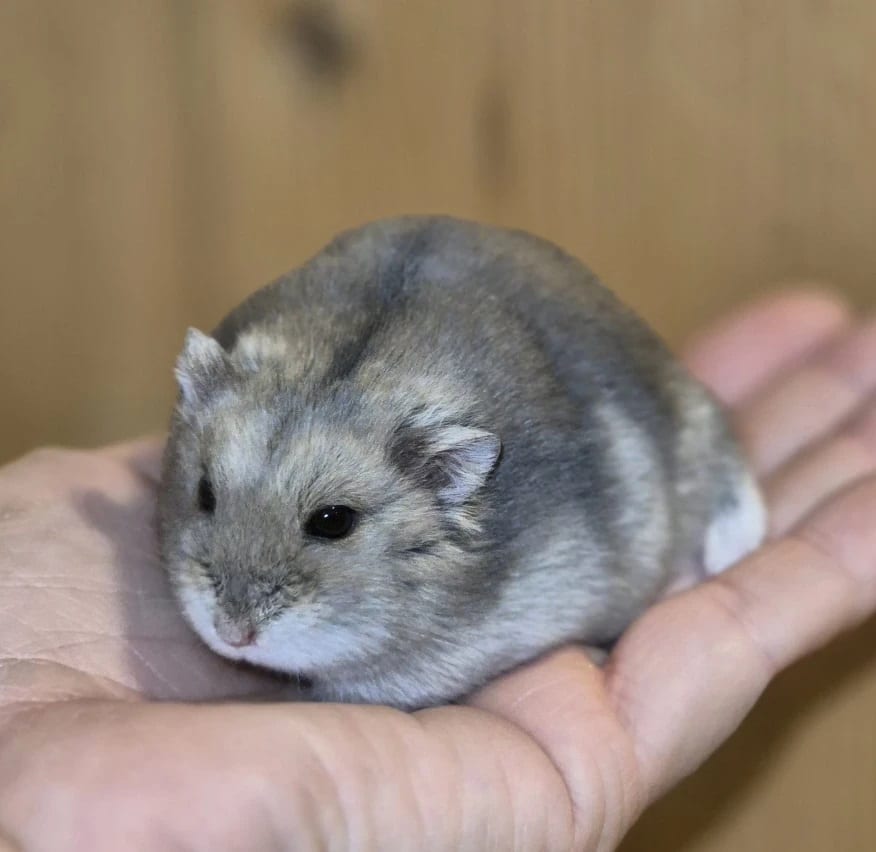
 © BettyBen / CC0
Djungarian Hamster (Sapphire)
The Sapphire Blue Djungarian hamster is a coat color in which the whole body, including the dorsal stripe, turns a soft bluish gray. It is a recessive trait, so it appears only when a hamster inherits the gene from both parents, and the coat may partly turn white in winter. It is a small, palm-sized hamster considered suitable for beginners. Basic care is the same as for a normal Djungarian, and daily observation and attentive care matter. Temperament and coat depth vary by individual, so ask the seller for details before bringing one home.
View Djungarian Hamster (Sapphire) encyclopedia →Breeder Wanted!
List on BreederDirect and sell directly to customers nationwide!
BreederDirect's 6 Transparency Commitments
Every Small Pets listing from Breeder includes the information below. We guarantee transparency through health checks, vaccinations, microchips, and more.
- Hand-Tamed
- Health Checked
- Vaccinated
- Microchipped
- Real Photos
- Age Specified
Browse all 168 breeds
Care Difficulty
Verified breeders wanted for Small Pets
Breeders are signing up now ahead of launch. Subscribe to be notified when new listings go live.
Getting alerts is free with a member account. When new listings match your saved search, we'll notify you by email and in-app.
Browse other categories
Verified breeders (preview)

Are you raising small pets?
Register as a breeder and connect with buyers directly.
Apply as a breederDjungarian Hamster (Sapphire) key facts
- Care level
- Beginner-friendly
- Lifespan
- About 1–3 years in captivity, sometimes longer
- Size
- Head and body 7–9cm, tail 0.5–1.5cm; 19–45g (males), 19–36g (females)
- Temperature
- 18〜26℃
- Humidity
- 40〜60%
- Diet
- Omnivore; hamster pellets as the staple, with small amounts of vegetables and seeds
- Identification
- Soft bluish grey all over, stripe included. Normal has a grey-brown back with a sharp black stripe, and pudding is beige.
- Breeding
- Recessive: sapphire × sapphire gives all sapphire, and two normal-looking carriers give about one sapphire in four.
- Winter Whitening
- Sapphires often whiten partly or almost fully in winter and regain colour in spring. This is not a disease.
- Cage
- Care is the same as for a normal-coloured Djungarian: bedding at least 10cm deep, a nest box, a solid-surface wheel and a sand bath.
- Temperature
- Aim for 18–26°C and 40–60% humidity. Below 10°C or above 30°C is life-threatening, so the room needs air conditioning most of the year.
- Notes
- Red eyes, an all-black coat or white patches suggest a Campbell's hamster or a hybrid, and hybrids often have health problems.
About Djungarian Hamster (Sapphire)
Sapphire Blue Djungarian hamsters: a recessive, soft bluish-gray coat that may partly turn white in winter. Coat traits and beginner care tips.
7 things to know before welcoming a Djungarian Hamster (Sapphire)
1Soft Bluish-Gray Coat
The Sapphire Blue coat is a soft bluish gray that extends all the way to the dorsal stripe. How deep the color looks can vary between individuals and with the lighting, so it helps to check photos or videos of the actual animal before you decide.
2Check the Parents' Colors
Sapphire Blue is a recessive color, so it appears only when the gene is inherited from both parents. Asking the seller about the parents' colors and lineage gives you a clearer picture of the animal you are considering.
3Winter Whitening
Sapphire Blue is a color that tends to turn partly white in winter. The extent and timing differ from one hamster to another, and the change is not guaranteed to look the same every year. If you notice skin redness or hair loss, which is a separate matter from seasonal color change, consult a veterinarian who treats small animals.
4Tiny Body, Escape Risk
Adults are small enough to sit in your palm. They can slip out through very small gaps, so keep cage lids and doors securely latched and stay alert during out-of-cage time. When holding one, stay close to the floor or a table to avoid falls.
5Temperament and Handling
Djungarian hamsters are small and generally regarded as manageable for beginners, but temperament differs from one individual to the next. They tend to be more active at night, so avoid waking them during the day. Start with short, gentle sessions and let the hamster get used to your hands gradually.
6Getting Ready at Home
Prepare a cage, bedding, a nest box, a wheel, a water bottle and staple pellets before the hamster arrives. Djungarian hamsters are generally kept alone, and a quiet spot with minimal disturbance for the first few days helps them settle in. Place the cage away from direct sunlight and from drafts of air conditioning.
7Lifespan and Health Checks
There is no documented lifespan specific to this coat color. To spot changes in such a small body early, it is worth checking appetite, droppings, coat condition and activity every day. Sudden swings in heat or cold can be stressful, so keep the room temperature as stable as you can.
Frequently asked questions about Djungarian Hamster (Sapphire)
- Q.What is the Sapphire Blue coat color?
- A.It is a Djungarian coat color in which the whole body, including the dorsal stripe, turns a soft bluish gray. It is recessive, so it appears only when the gene comes from both parents.
- Q.Is it suitable for first-time owners?
- A.Its care difficulty is rated as suitable for beginners. Because the hamster is so small, stable temperatures and daily health checks are important.
- Q.Will it always turn white in winter?
- A.This color tends to turn partly white in winter, but the extent and timing vary by individual and the change is not certain. If you notice anything that concerns you, ask the seller or a veterinarian.
- Q.How big do they get, and how long do they live?
- A.It is a small hamster that fits in your palm. We could not find size or lifespan data specific to this coat color, and basic care is the same as for a normal Djungarian. Individuals vary, so ask the seller about age and build before bringing one home.
- Q.What should I ask the seller before adopting?
- A.It helps to ask about the parents' colors and lineage, and to see photos or videos showing the current coat color. Also check the hamster's health, such as appetite and activity, and prepare the cage and supplies in advance.
Useful tools for Djungarian Hamster (Sapphire) care
Learn more about Djungarian Hamster (Sapphire) in the encyclopedia
View Djungarian Hamster (Sapphire) encyclopedia entry →
Care difficulty, lifespan, size and diet — all basics covered.
More in this category
Can't find the one you're looking for?
Post your wishes for free and breeders with matching animals will contact you with introductions.