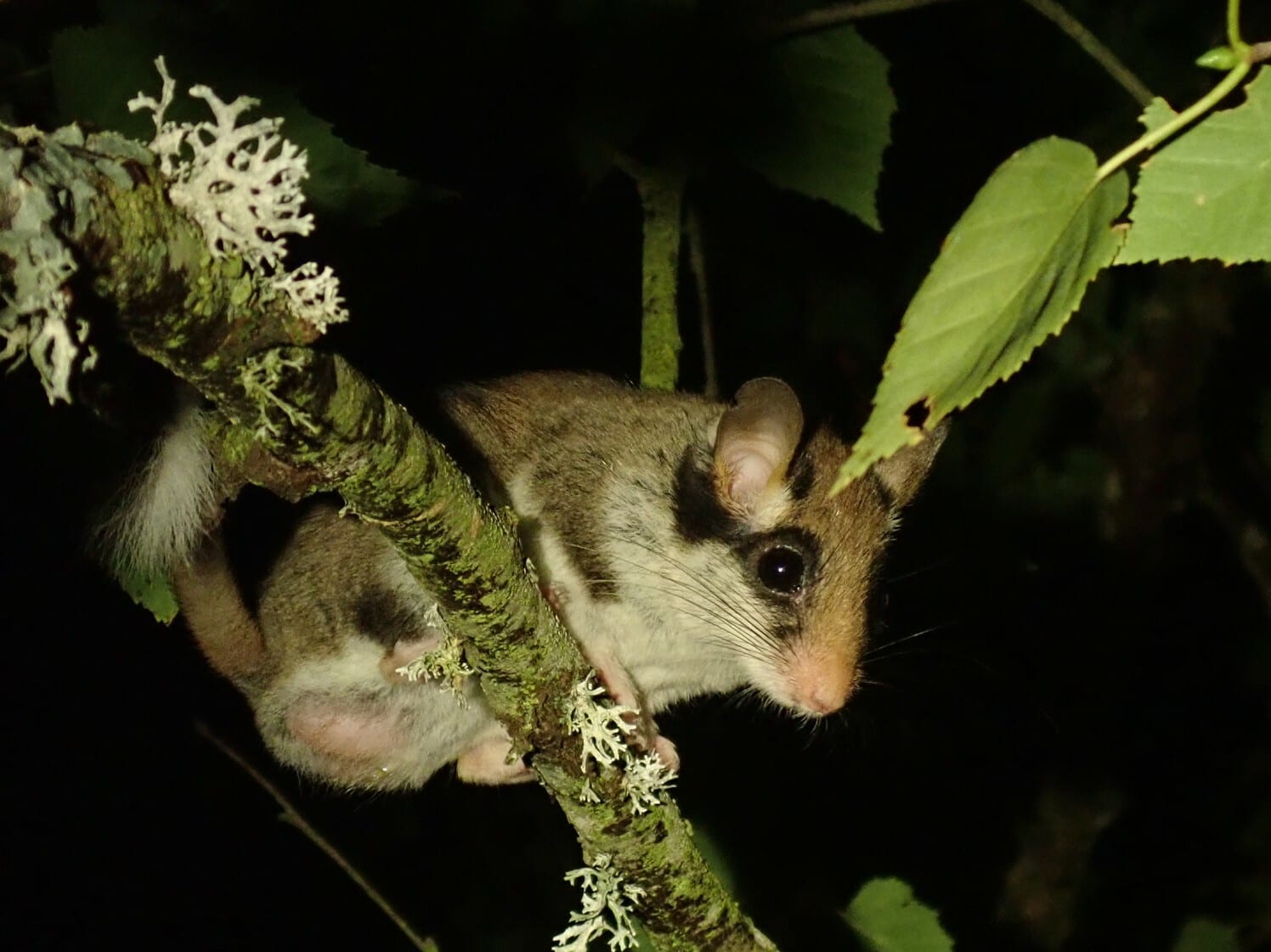
 © Benoit NABHOLZ / CC BY-SA 4.0
Garden Dormouse
The garden dormouse is a small dormouse named for the black band that runs from the nose back behind the ears, giving it the look of a mask or a pair of glasses. Its long tail ends in a black-and-white tuft. It is nocturnal, the most carnivorous of the dormice, and can hibernate for up to seven months in winter. Adults measure 10–17.5 cm in head-and-body length with a 9–13.5 cm tail and weigh 45–120 g, and they live about five and a half years in captivity. Rated for experienced keepers, it suits people who are ready to plan around its night-time and seasonal rhythms.
View Garden Dormouse encyclopedia →Breeder Wanted!
List on BreederDirect and sell directly to customers nationwide!
BreederDirect's 6 Transparency Commitments
Every Small Pets listing from Breeder includes the information below. We guarantee transparency through health checks, vaccinations, microchips, and more.
- Hand-Tamed
- Health Checked
- Vaccinated
- Microchipped
- Real Photos
- Age Specified
Browse all 168 breeds
Care Difficulty
Verified breeders wanted for Small Pets
Breeders are signing up now ahead of launch. Subscribe to be notified when new listings go live.
Getting alerts is free with a member account. When new listings match your saved search, we'll notify you by email and in-app.
Browse other categories
Verified breeders (preview)

Are you raising small pets?
Register as a breeder and connect with buyers directly.
Apply as a breederGarden Dormouse key facts
- Care level
- Advanced
- Lifespan
- About 5.5 years in captivity
- Size
- Head and body 10–17.5cm, tail 9–13.5cm; 45–120g
- Diet
- Omnivore, the most carnivorous dormouse: insects, snails, fruit and nuts
- Cage
- Active both in trees and on the ground. Use a tall cage with branches and a nest box, plus ground-level hides, and fine mesh, as it slips through small gaps.
- Diet
- The most carnivorous dormouse, eating many insects and snails. Always include animal food such as insects, alongside fruit and nuts.
- Temperament
- Nocturnal, sleeping deeply by day. It can share feeding and sleeping sites, but may fight in the breeding season.
- Temperature
- It hibernates for up to seven months, with daytime sleep lengthening from about October. Wild dormice fatten in autumn and hibernate for months. Hibernation can kill a weak captive animal, so decide with an exotic-animal vet in advance whether to allow it and how to manage winter temperatures.
- Regulations
- Imports fall under the animal import notification system; animals bred in Japan need no notification.
- Notes
- It has declined in parts of its native range and has almost vanished from the Netherlands. It is in a different genus from the African pygmy dormouse, and captive information is limited. Never release captive animals into the wild.
About Garden Dormouse
A guide to the garden dormouse: a nocturnal, masked dormouse with a black-and-white tufted tail that hibernates for up to seven months and lives about five and a half years in captivity. Best suited to experienced keepers.
7 things to know before welcoming a Garden Dormouse
1For experienced keepers
The garden dormouse is rated for experienced keepers. Its nocturnal, hibernating and carnivore-leaning habits differ from those of typical small pets, so gather information well before you commit. It also helps to find a veterinarian who sees exotic small mammals before you bring one home.
2A nocturnal lifestyle
It rests in its nest by day and becomes active at night. Place the cage somewhere quiet enough for daytime sleep, and be mindful of noise and lighting after dark. Most of the enjoyment of watching it comes in the evening and at night.
3Animal-based diet
It is the most carnivorous of the dormice, so animal-based foods such as insects should be a regular part of its diet. If you add plant foods like fruit or seeds, adjust the balance according to how the individual is doing. Asking the breeder about the exact diet when you bring it home is the surest approach.
4Preparing for hibernation
In winter it has a habit of hibernating for up to seven months. Appetite and activity can change as the seasons turn, so learn how to manage the hibernation period in advance and keep an eye on body weight. If you are worried about its condition during hibernation, consult a veterinarian who treats exotic animals.
5A tall, roomy cage
Adults range from 10 to 17.5 cm in head-and-body length with a 9–13.5 cm tail. Because it moves quickly, choose a cage with enough height and floor space to climb and hide, and furnish it with branches and a nest box. Check the construction carefully so it cannot slip out through small gaps.
6Handle the tail with care
The long tail with its black-and-white tuft is a highlight, but it is a delicate part of the body. Never grab or pull it, and when cleaning or moving the animal, find ways to avoid gripping it directly with your hands.
7Temperament and handling
It moves fast and may threaten or bite when startled. It is best enjoyed by watching its behavior rather than handling it like a hand-tame pet. Respect each animal's individual temperament and avoid forcing contact.
Frequently asked questions about Garden Dormouse
- Q.Can beginners keep one?
- A.It is rated for experienced keepers and is not an easy first small pet. You need to handle its nocturnal habits, hibernation of up to seven months, and strongly carnivorous diet. Build up experience and information before deciding.
- Q.Can I handle it like a pet?
- A.It is quick and may bite when startled, so it is better enjoyed by watching than by handling. How well it settles varies by individual, and forcing contact can stress it. Keep routine care calm and brief.
- Q.What does it eat?
- A.It is the most carnivorous of the dormice, so its diet centers on animal foods such as insects. Fruit and similar items may be offered alongside, but adjust the mix to the individual. Checking the exact diet with the breeder is the surest way.
- Q.Does it hibernate?
- A.Yes, it has a habit of hibernating for up to seven months in winter. The timing and length can vary with the individual and its environment, so check how to manage it before bringing one home. Do not wake it forcibly, and consult a veterinarian if you are concerned.
- Q.How long does it live and how big does it get?
- A.It lives about five and a half years in captivity. Adults typically measure 10–17.5 cm in head-and-body length with a 9–13.5 cm tail and weigh 45–120 g. Since it is a long-term commitment, make sure you can care for it for its whole life before bringing one home.
Useful tools for Garden Dormouse care
Learn more about Garden Dormouse in the encyclopedia
View Garden Dormouse encyclopedia entry →
Care difficulty, lifespan, size and diet — all basics covered.
More in this category
Can't find the one you're looking for?
Post your wishes for free and breeders with matching animals will contact you with introductions.