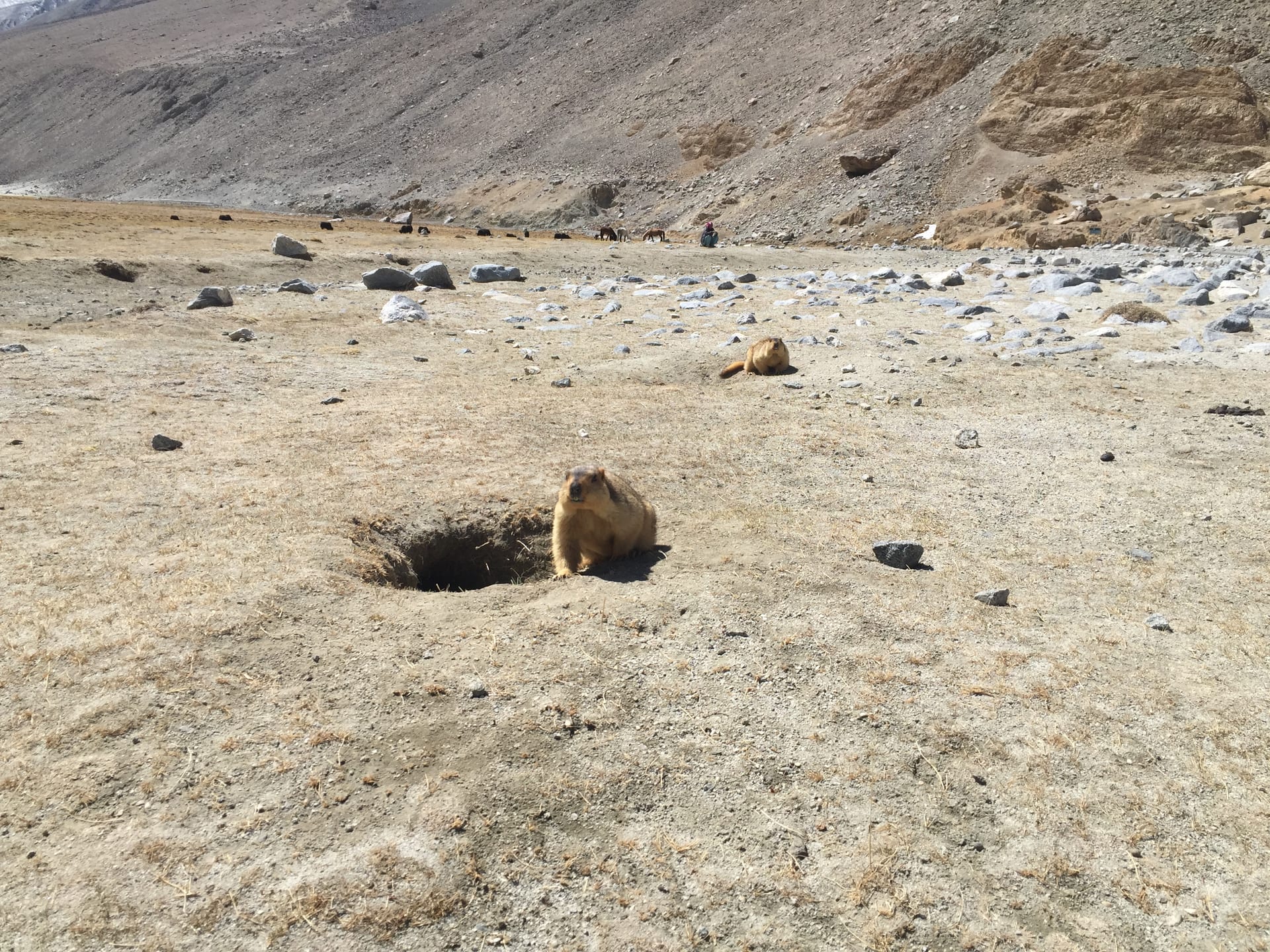
 © Jasmeet23289 / CC BY-SA 4.0
Himalayan Marmot
The Himalayan marmot is a large marmot that lives from the Himalayas to the Tibetan Plateau at elevations of 3,500 to 5,200 m. Its body is about the size of a house cat, with a yellowish-brown coat and dark patches on the face that make it easy to recognize. In the wild it lives in groups in deep burrows and hibernates for an average of seven and a half months. Total length is 47.5–67 cm and weight is 4–9.2 kg, varying greatly with the season. It is rated for experienced keepers only, and captive lifespan data are scarce, so careful research is essential before you decide.
View Himalayan Marmot encyclopedia →Breeder Wanted!
List on BreederDirect and sell directly to customers nationwide!
BreederDirect's 6 Transparency Commitments
Every Small Pets listing from Breeder includes the information below. We guarantee transparency through health checks, vaccinations, microchips, and more.
- Hand-Tamed
- Health Checked
- Vaccinated
- Microchipped
- Real Photos
- Age Specified
Browse all 168 breeds
Care Difficulty
Verified breeders wanted for Small Pets
Breeders are signing up now ahead of launch. Subscribe to be notified when new listings go live.
Getting alerts is free with a member account. When new listings match your saved search, we'll notify you by email and in-app.
Browse other categories
Verified breeders (preview)

Are you raising small pets?
Register as a breeder and connect with buyers directly.
Apply as a breederHimalayan Marmot key facts
- Care level
- Advanced
- Lifespan
- About 15 years on average in the wild; little captive data
- Size
- 47.5–67cm long (tail 12.5–15cm); 4–9.2kg, varying strongly with season
- Diet
- Herbivore: leaves, roots and seeds, preferring flowering plants
- Housing
- A large ground squirrel that digs burrows up to 10m deep in the wild. It needs a large, sturdy enclosure it cannot dig or chew out of, and a den box.
- Temperature
- A cold-climate species from 3,500–5,200m, with little data on heat tolerance; air-condition the room through a Japanese summer. Wild marmots fatten in autumn and hibernate for months. Decide with an exotic-animal vet in advance whether to let a captive animal hibernate, and how to manage temperature and weight if you do.
- Diet
- Herbivorous; wild animals prefer flowering plants and avoid old, bitter growth. Base the diet on hay and leafy greens, and weigh regularly as it gains weight in autumn.
- Temperament
- Diurnal and highly social, living in colonies of up to about 30 and greeting nose to nose. As a large rodent, a bite can cause serious injury.
- Regulations
- Indian population in CITES Appendix III; as a squirrel it needs a species-name certificate on import, and imports fall under the animal import notification system.
- Notes
- Captive records are few and vets able to treat it are rare; find one before you bring it home. Never release captive animals into the wild.
About Himalayan Marmot
A large marmot from the Himalayas and Tibetan Plateau, living at 3,500–5,200 m and hibernating for an average of seven and a half months. Key traits and what to know before bringing one home.
7 things to know before welcoming a Himalayan Marmot
1An Advanced-Level Species
This species is rated for advanced keepers. It is large and changes a great deal with the seasons, so even experienced small-animal keepers should research thoroughly and talk with the breeder first. Settle any open questions before you bring one home.
2Space for a Large Body
Total length is 47.5–67 cm and weight is 4–9.2 kg, which varies greatly by season, giving it a body about the size of a house cat. Plan for generous space where it can stretch out and move around freely rather than a compact cage.
3Digging and Hideouts
In the wild it lives in deep burrows. In captivity, a burrow-like hiding place and some way to satisfy its urge to dig will likely help it settle. Choose flooring and furnishings on the assumption that they may be dug up or gnawed.
4Hibernation and Weight
In the wild this animal hibernates for an average of seven and a half months. Its weight swings widely with the season (4–9.2 kg), so keeping regular notes on weight and behavior makes changes easier to spot. Ask the breeder how the hibernation period is handled before you bring one home.
5Heat and Ventilation
It comes from high country at 3,500–5,200 m. Summer heat and stuffy air in Japan could be a burden, so think about how to keep its space cool and well ventilated. It helps to settle the location and climate control before it arrives.
6Temperament and Social Life
In the wild it lives in groups and is a social animal. Marmots are known for calls that warn their companions of danger. Temperament varies between individuals, so ask the breeder about the character of the animal you are considering.
7Long Life and Health Care
Lifespan averages 15 years in the wild, and captive data are limited. Expect a long commitment, and look for a veterinary clinic that will see it before you bring one home. Also ask the breeder about its diet and health history.
Frequently asked questions about Himalayan Marmot
- Q.Can a beginner keep a Himalayan marmot?
- A.It is rated for experienced keepers. Because it is large and changes so much with the seasons, including hibernation, it is more realistic to consider it after gaining experience with other small animals than as a first pet.
- Q.How big does an adult get?
- A.Total length is 47.5–67 cm (tail 12.5–15 cm) and weight is 4–9.2 kg, about the body size of a house cat. Weight changes greatly with the season.
- Q.Does it hibernate, and for how long?
- A.In the wild it hibernates for an average of seven and a half months. How the hibernation period goes may differ by individual and environment, so ask the breeder before you bring one home.
- Q.How long does it live?
- A.The average is 15 years in the wild. Data on captive lifespan are limited, so no firm figure can be given. Plan on a long-term commitment.
- Q.How is it treated under CITES?
- A.India's population is listed in CITES Appendix III. Even when importing from countries other than India, documents such as a certificate of origin are required. Because it is a member of the squirrel family, a species identification certificate must also accompany imports under Japan's Invasive Alien Species Act. No notification is needed to buy, sell or keep animals bred in Japan.
Useful tools for Himalayan Marmot care
Learn more about Himalayan Marmot in the encyclopedia
View Himalayan Marmot encyclopedia entry →
Care difficulty, lifespan, size and diet — all basics covered.
More in this category
Can't find the one you're looking for?
Post your wishes for free and breeders with matching animals will contact you with introductions.