Source: Wikimedia Commons
Himalayan Marmot
AdvancedMarmota himalayana
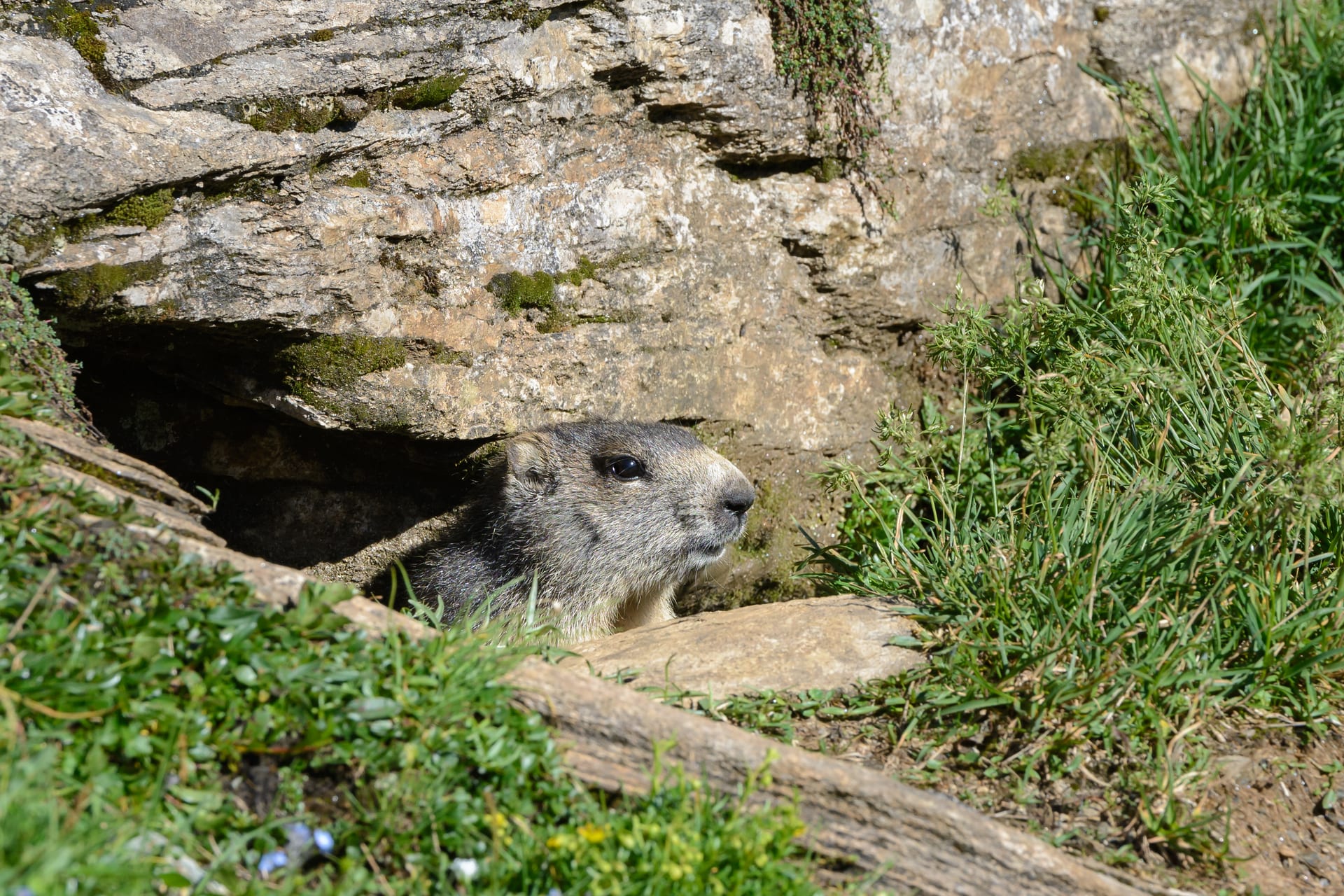
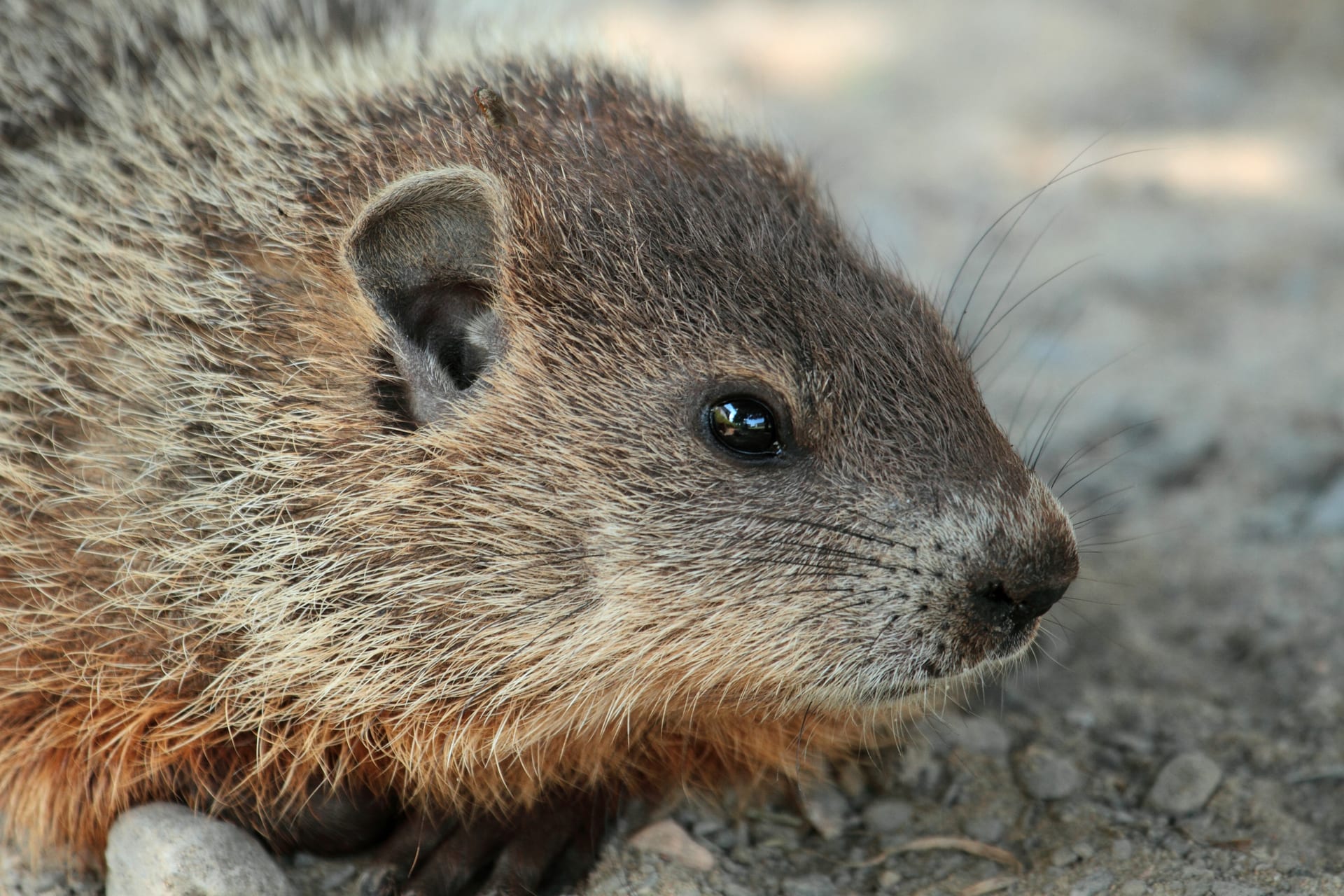
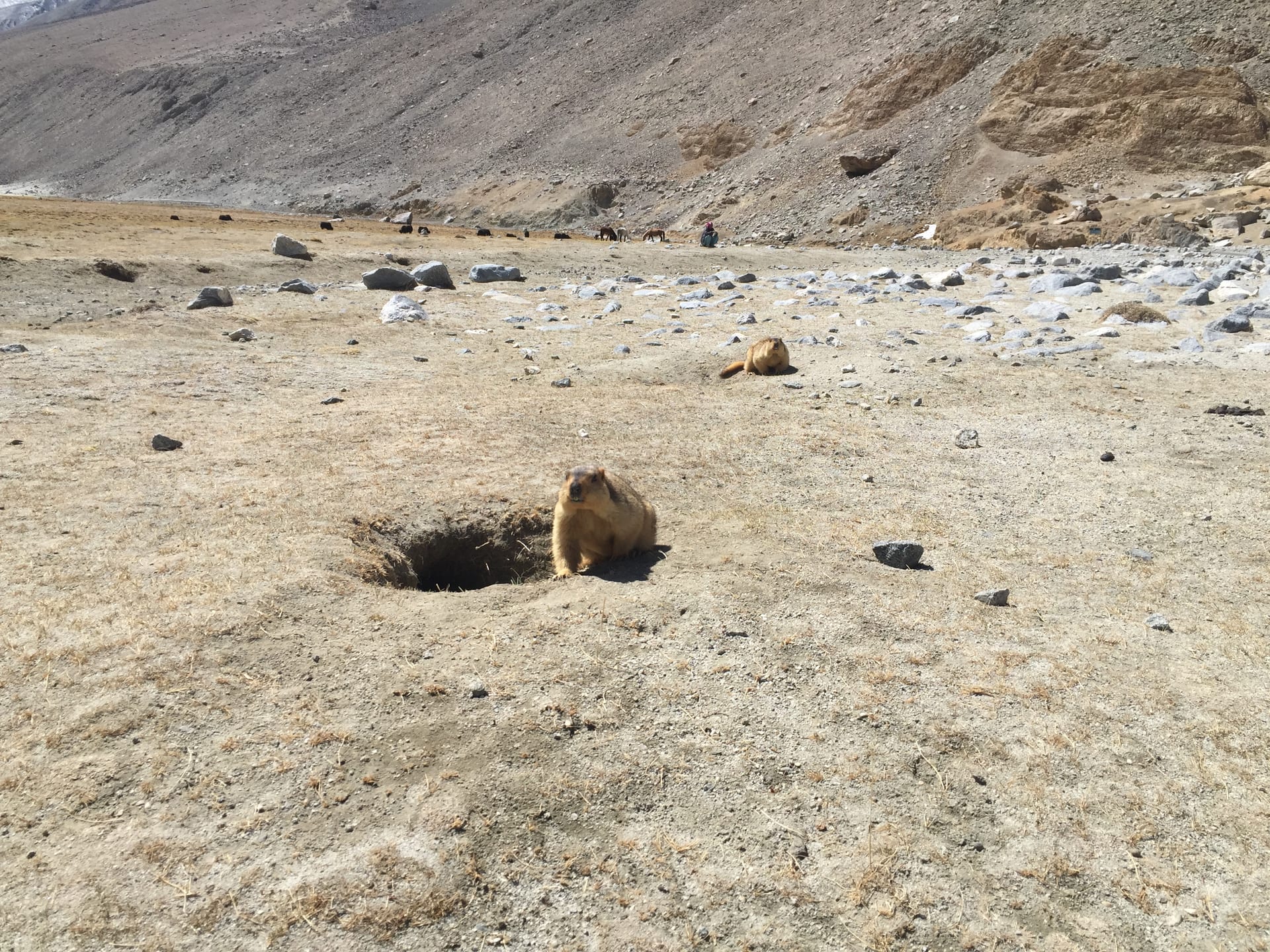
A large marmot of the Himalayas and Tibetan Plateau at 3,500–5,200m, cat-sized and yellow-brown with dark facial spots. Colonies share deep burrows and hibernate for about seven and a half months.
Difficulty
Advanced
Temperature
18〜26℃
Lifespan
About 15 years on average in the wild; little captive data
Size
47.5–67cm long (tail 12.5–15cm); 4–9.2kg, varying strongly with season
Humidity
40〜60%
Diet
Herbivore: leaves, roots and seeds, preferring flowering plants
About
The Himalayan marmot (Marmota himalayana) is a large ground squirrel of the genus Marmota. It lives in the Himalayas of India, Nepal and Pakistan and across the Tibetan Plateau of China, on alpine meadows and open ground between the treeline and the snowline at 3,500–5,200m. The back is yellow to brown, often with dark spots on the face and snout. It is diurnal and lives in colonies of up to about 30, greeting each other nose to nose and play-fighting. Hibernation burrows can reach 10m deep, and colonies hibernate together for an average of seven and a half months, from late autumn to early spring. It is herbivorous and prefers flowering plants. The Indian population is listed in CITES Appendix III. In Japan it is scarce, with legally imported animals sold by reservation at a few specialists.
Source: Wikipedia (CC BY-SA 4.0)
Lifespan of the Himalayan Marmot
The Himalayan Marmot lives About 15 years on average in the wild; little captive data.
It is rarely kept in captivity; average lifespan in the wild is 15 years.
Size of the Himalayan Marmot
The Himalayan Marmot grows to 47.5–67cm long (tail 12.5–15cm); 4–9.2kg, varying strongly with season.
It is about the size of a house cat: 47.5–67cm long with a short 12.5–15cm tail, weighing 4–9.2kg, lightest after hibernation in spring and heaviest in autumn.
Basic Info
Origin
Himalayas (India, Nepal, Pakistan) and the Tibetan Plateau of China, 3,500–5,200m
Lifespan
About 15 years on average in the wild; little captive data
References & Sources
Edited & verified by: BreederDirect editorial team
The taxonomic, regulatory, and husbandry data on this page are compiled and verified against the authoritative primary sources below.
Taxonomy & Authority
Accepted name: Marmota himalayana (Hodgson, 1841)
Authority databases: GBIF · GBIF: Marmota himalayana
Nomenclature follows global taxonomic authority databases.
Regulations & Conservation Status
CITES Appendix IIIIUCN LC · Least Concern
The Indian population is listed in CITES Appendix III (since 16 March 1989); imports from other countries still need documents such as a certificate of origin. As a member of the squirrel family, it needs a species-name certificate under the Invasive Alien Species Act when imported (it is not itself a designated or uncategorized invasive species). Imports fall under Japan's animal import notification system (Infectious Diseases Control Law, MHLW): a health certificate from the exporting country's government must be filed with the quarantine station, and rodents must come from a holding facility designated by that government. Animals bred in Japan can be sold and kept without notification. Never release captive animals into the wild.
Sources: Species+: CITES listing of Marmota himalayana / Ministry of the Environment: Invasive Alien Species list, incl. species requiring a species-name certificate (JA) / MHLW: Animal import notification system (JA)
Regulations may change. Always verify the latest information with the relevant authorities.
Himalayan Marmot Listings
Loading latest listingsFind listings for this species