Source: Wikimedia Commons
Woodchuck
AdvancedMarmota monax
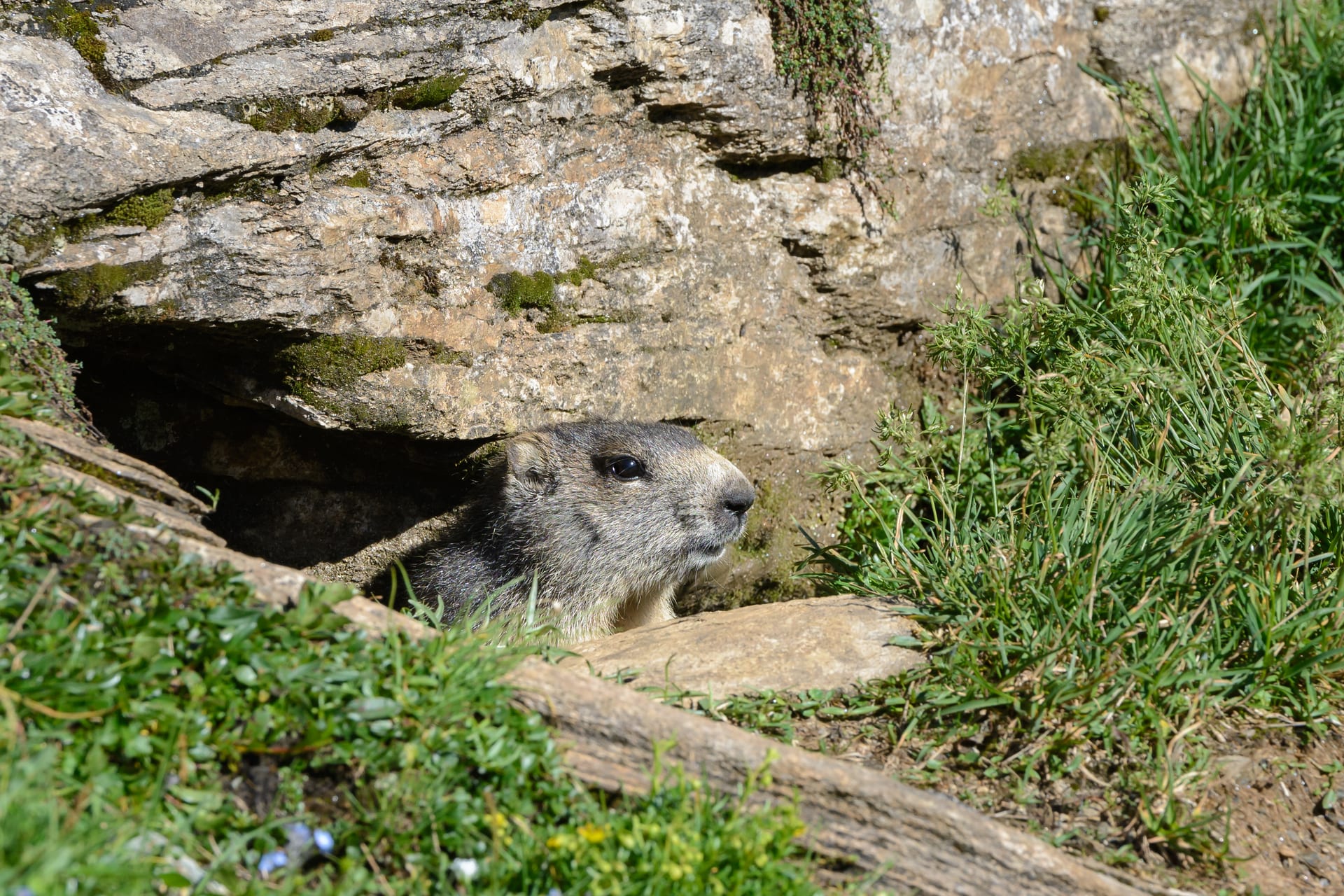
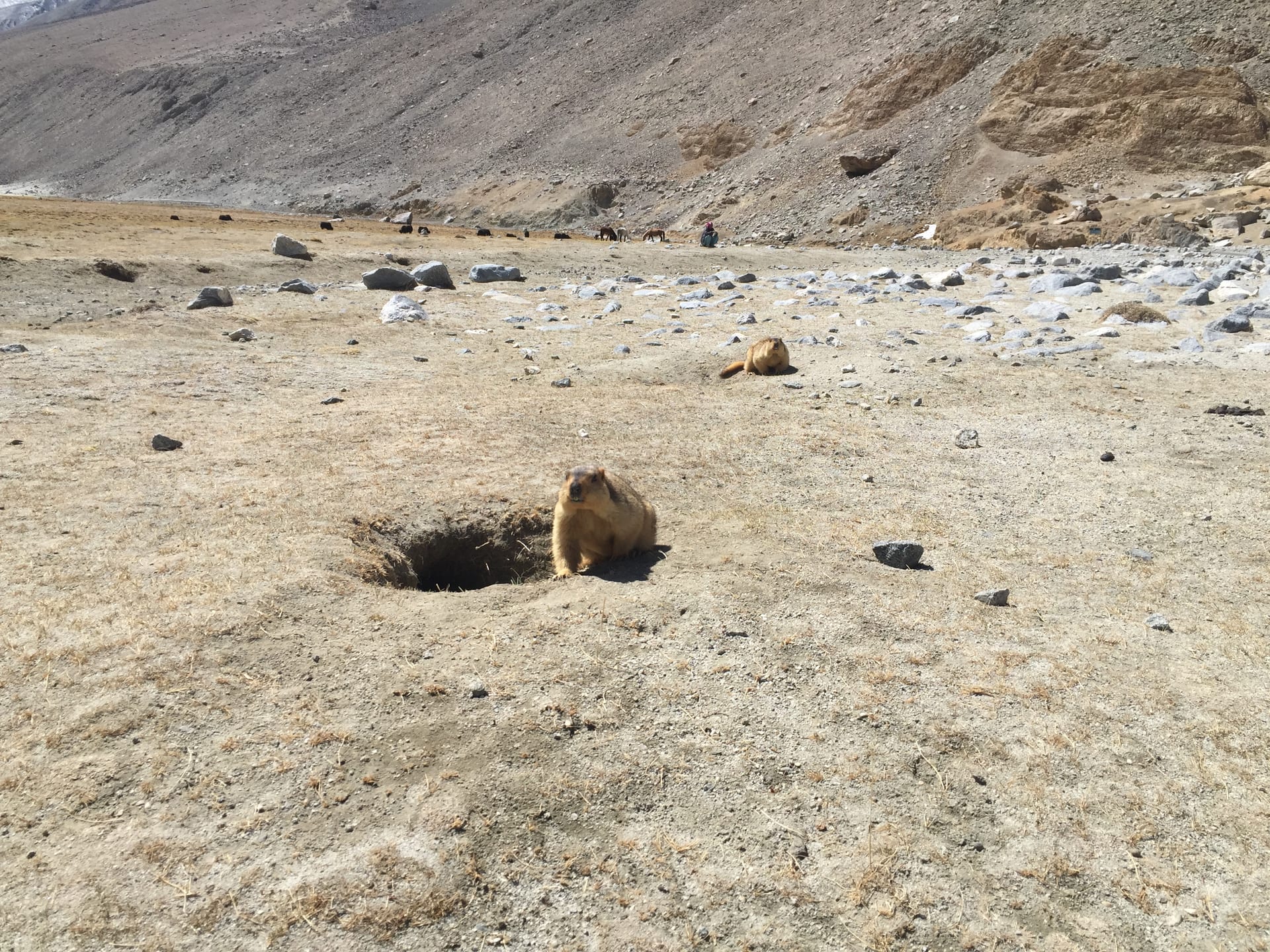
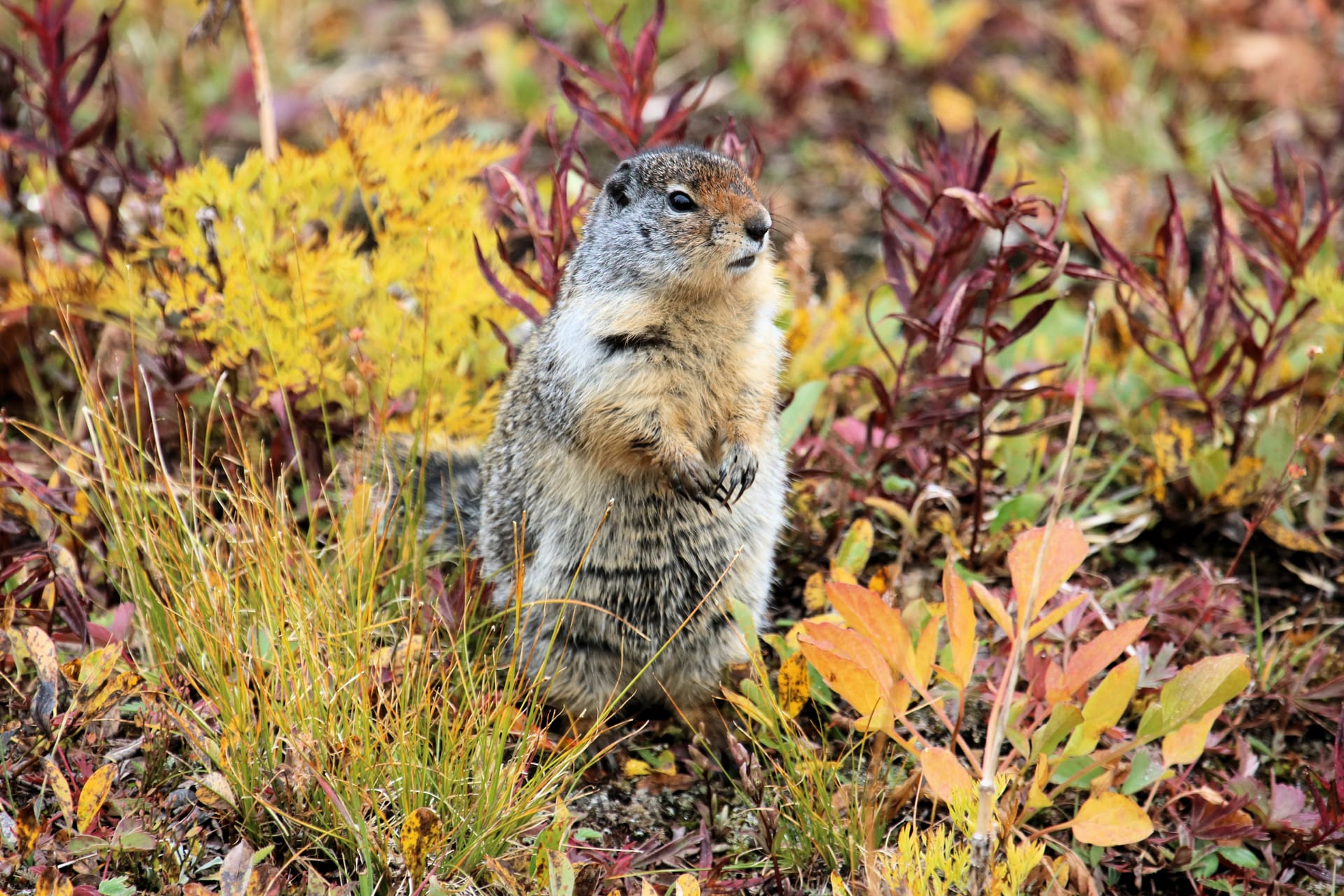
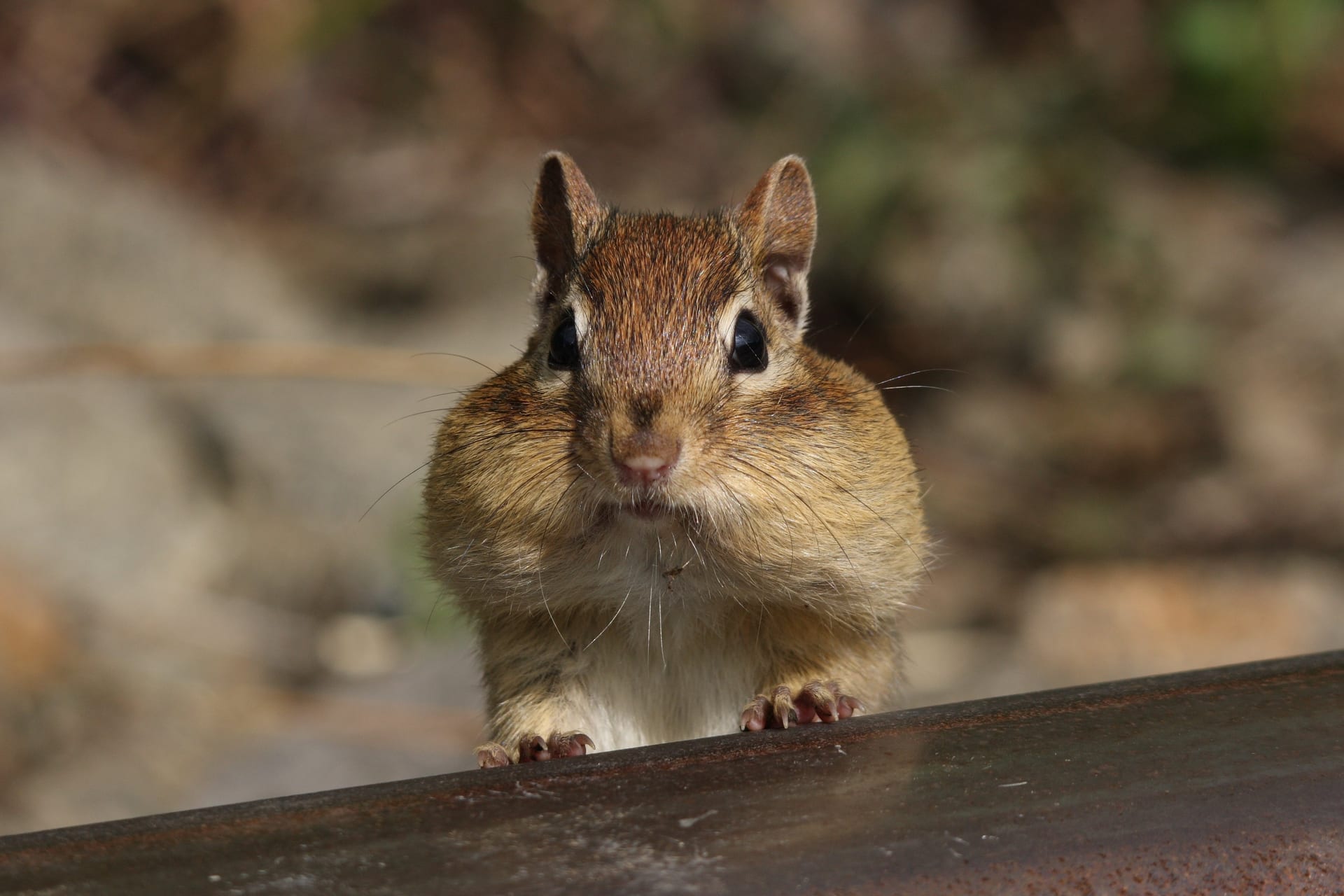
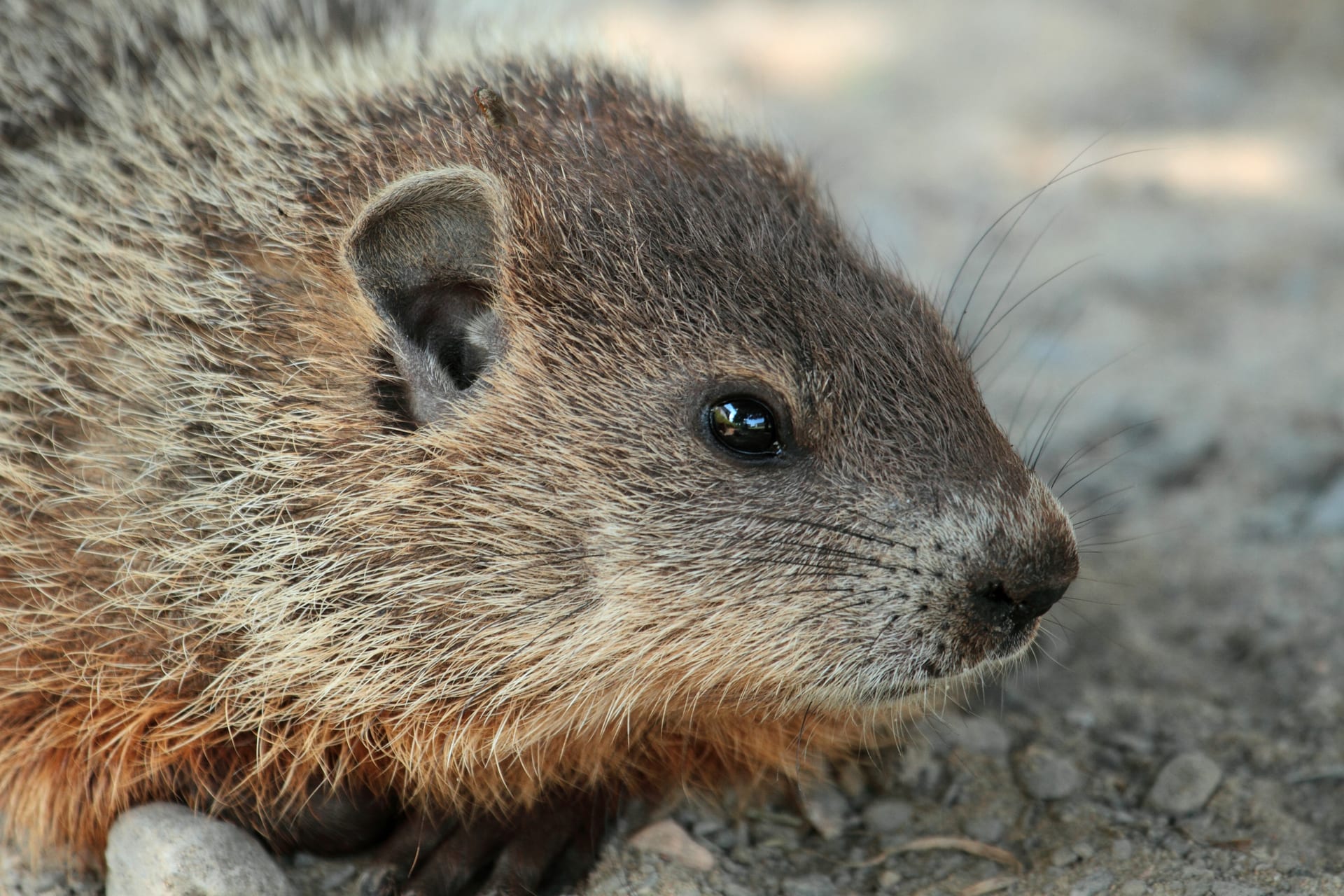
North America's most widespread marmot, stocky with grey to dark-brown fur grizzled by white-tipped guard hairs, often standing up on its hind legs. It lives alone and hibernates through winter.
Difficulty
Advanced
Temperature
18〜26℃
Lifespan
4–6 years wild; up to 10 in captivity (record 14)
Size
41.5–67.5cm long (tail 10–16cm); 2–6kg
Humidity
40〜60%
Diet
Mainly herbivorous: alfalfa, clover, dandelion; some insects
About
The woodchuck or groundhog (Marmota monax) is the most widespread North American marmot, ranging from the eastern and south-eastern United States through Canada to southern Alaska. It lives in low-elevation woods, woodlots, fields, pastures and hedgerows, and has actually increased with forest clearing, roads and farming. Colour ranges from grey through cinnamon to dark brown, grizzled by white-tipped guard hairs, and males are larger than females. Unusually for a rodent its teeth are white, and its ears can close over the ear canal while digging. It is diurnal and solitary, digs separate summer and winter dens with several entrances, favours alfalfa, clover and dandelion, also eats bark, leaves and insects, and fattens in autumn to hibernate. When threatened by another woodchuck it arches its back and bares its teeth. Wild animals live 4–6 years; captives up to 10, with a record of 14. In Japan, captive-bred animals reach specialists only occasionally and seasonally.
Source: Wikipedia (CC BY-SA 4.0)
Lifespan of the Woodchuck
The Woodchuck lives 4–6 years wild; up to 10 in captivity (record 14).
Size of the Woodchuck
The Woodchuck grows to 41.5–67.5cm long (tail 10–16cm); 2–6kg.
It weighs 2–6kg and is 41.5–67.5cm long, with a 10–16cm tail making up 20–25% of its length.
Basic Info
Origin
North America: eastern United States through Canada to southern Alaska
Lifespan
4–6 years wild; up to 10 in captivity (record 14)
References & Sources
Edited & verified by: BreederDirect editorial team
The taxonomic, regulatory, and husbandry data on this page are compiled and verified against the authoritative primary sources below.
Taxonomy & Authority
Accepted name: Marmota monax (Linnaeus, 1758)
Authority databases: GBIF · GBIF: Marmota monax
Nomenclature follows global taxonomic authority databases.
Regulations & Conservation Status
Not CITES-listedIUCN LC · Least Concern
Not covered by CITES or the specified-animal rules. As a member of the squirrel family, it needs a species-name certificate under the Invasive Alien Species Act when imported (it is not itself a designated or uncategorized invasive species). Imports fall under Japan's animal import notification system (Infectious Diseases Control Law, MHLW): a health certificate from the exporting country's government must be filed with the quarantine station, and rodents must come from a holding facility designated by that government. Animals bred in Japan can be sold and kept without notification. Never release captive animals into the wild.
Sources: Ministry of the Environment: Invasive Alien Species list, incl. species requiring a species-name certificate (JA) / MHLW: Animal import notification system (JA) / Species+ CITES query (not listed)
Regulations may change. Always verify the latest information with the relevant authorities.
Woodchuck Listings
Loading latest listingsFind listings for this species