Source: Wikimedia Commons
Edible Dormouse
AdvancedGlis glis
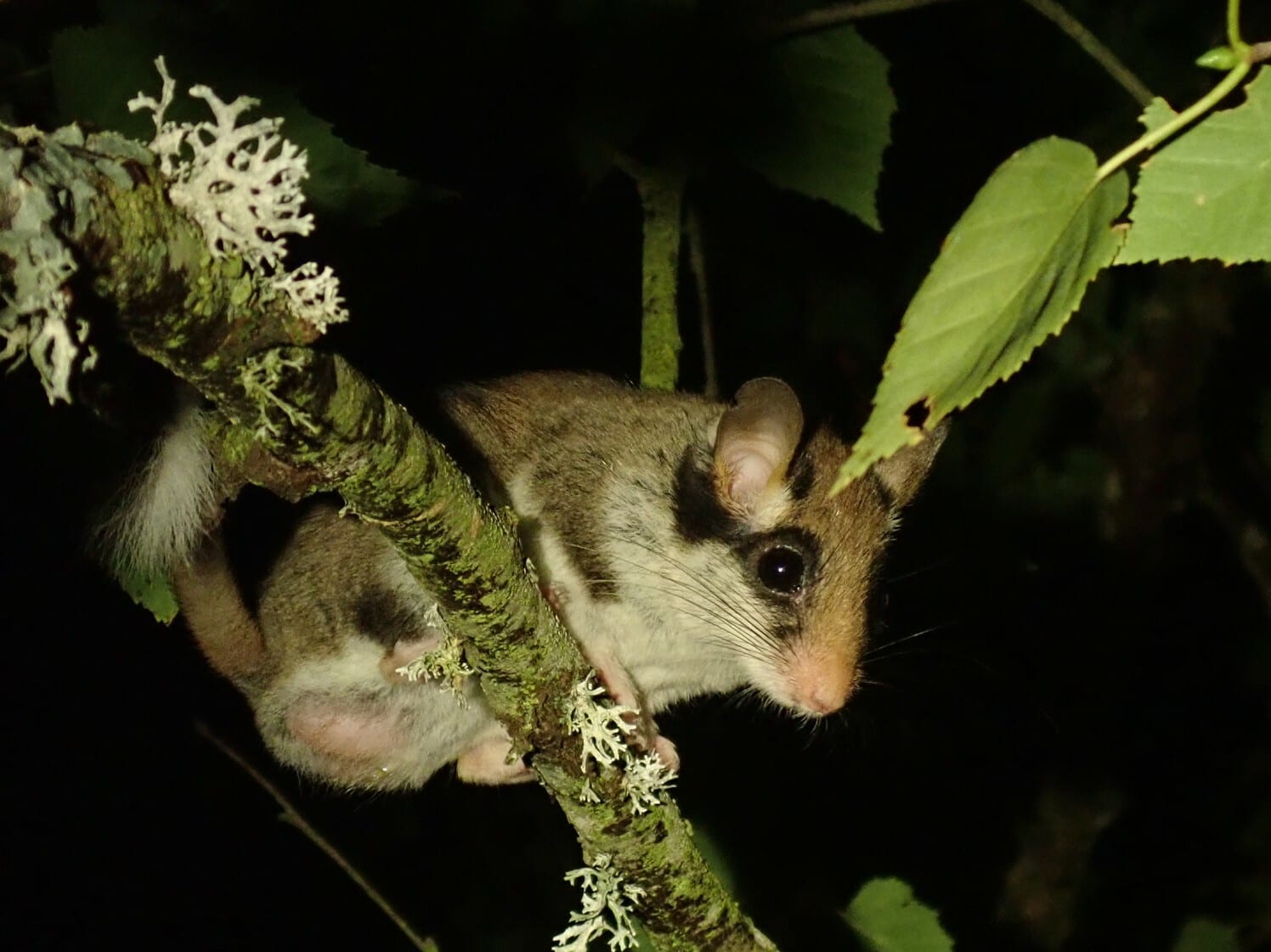
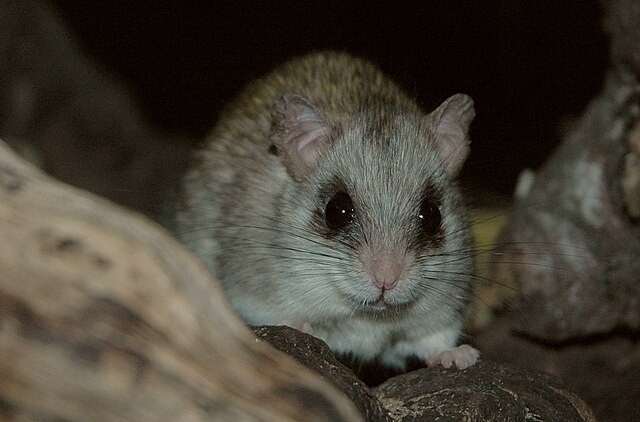
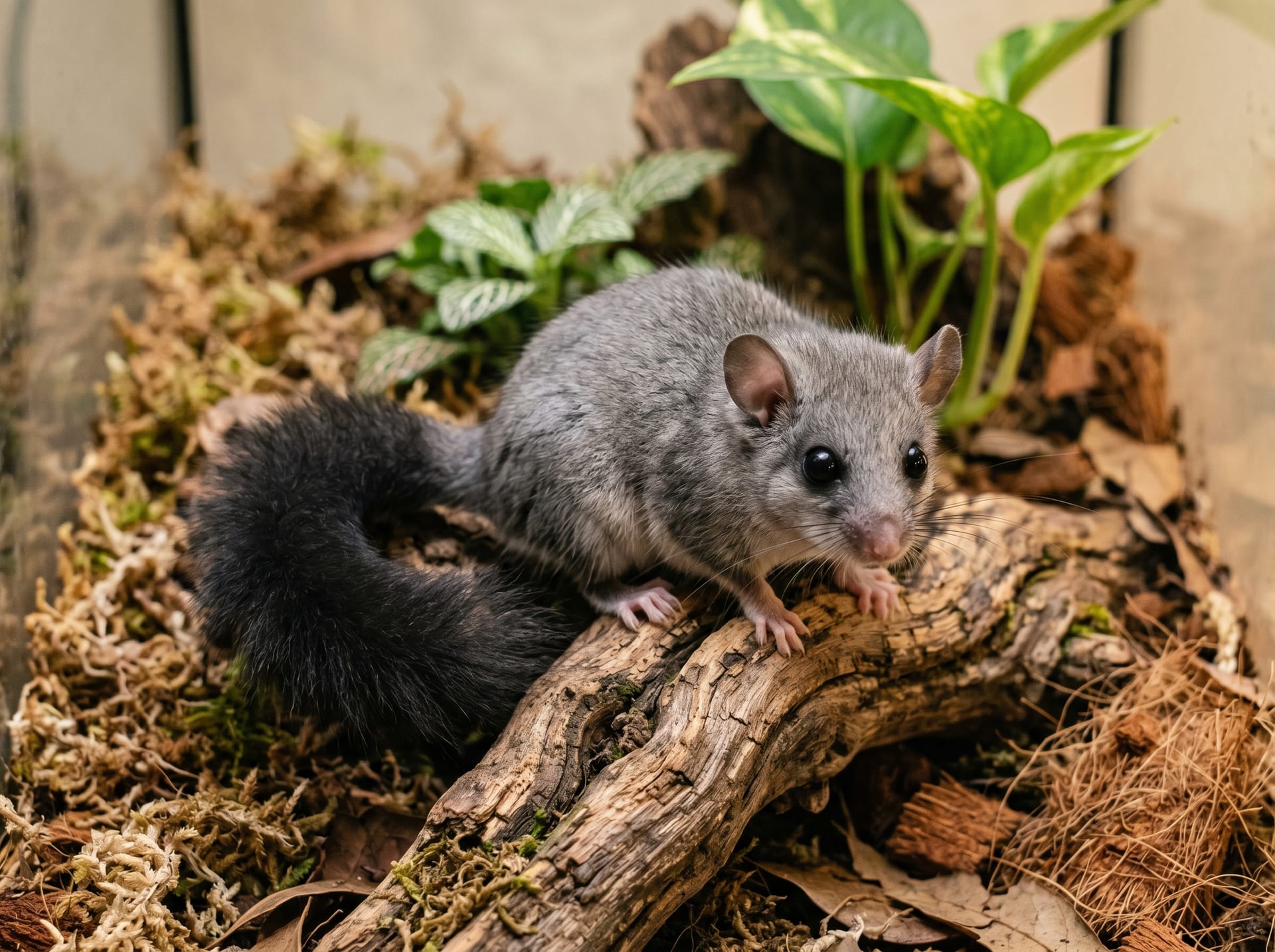
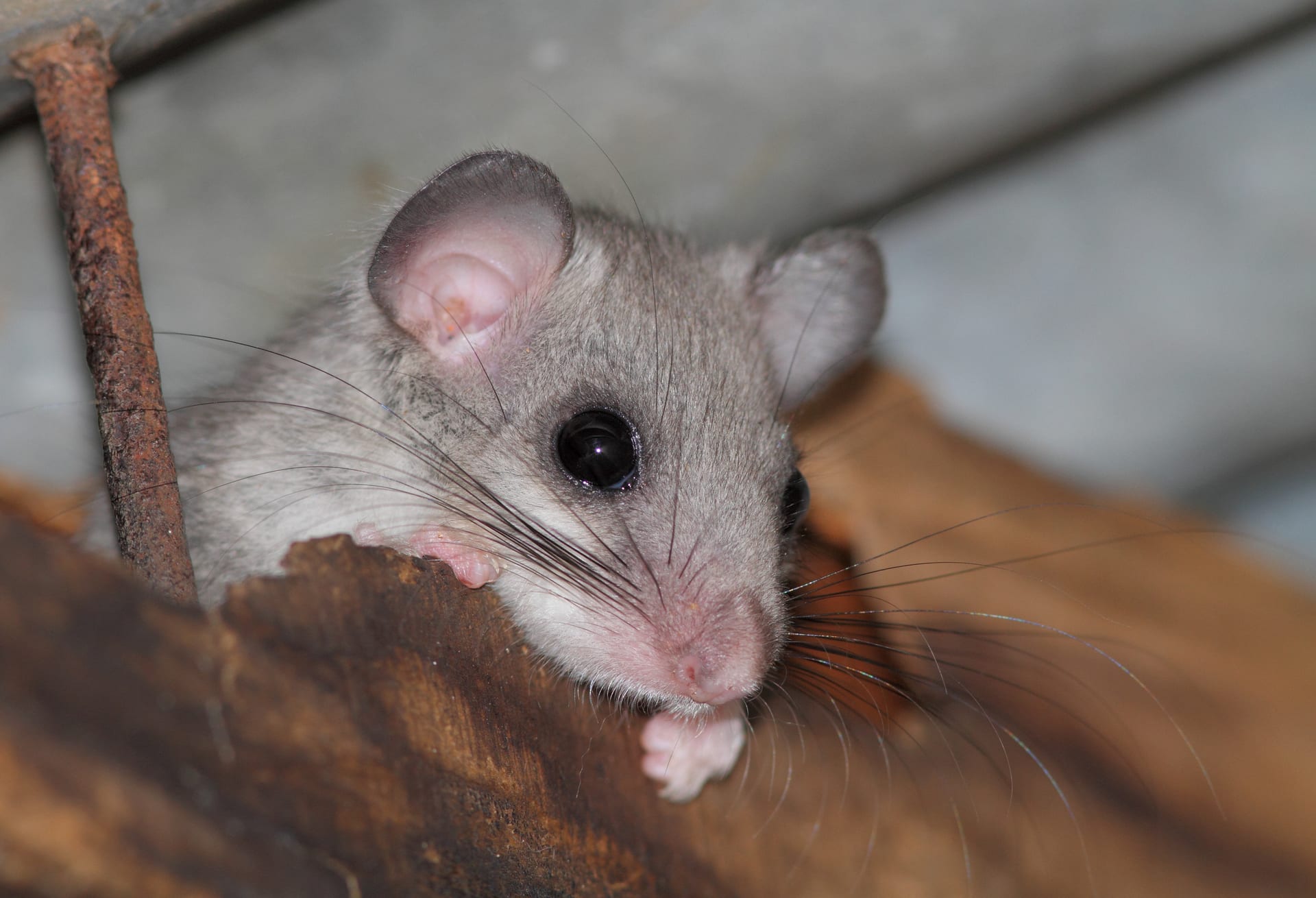
The largest dormouse, grey above and white below with a bushy tail, rather squirrel-like. A nocturnal tree dweller that eats beech mast and acorns and hibernates from autumn to spring.
Difficulty
Advanced
Temperature
18〜26℃ (typical for Small Animal)
Lifespan
About 9 years on average wild (max 12); captive average 8.7 years
Size
Head and body 16–19cm, tail up to 16.8cm; 120–150g
Humidity
40〜60%
Diet
Mainly herbivorous omnivore: beech mast, acorns, hazelnuts and fruit
About
The edible or fat dormouse (Glis glis) is the largest member of the dormouse family. It ranges over most of Europe and parts of western Asia, south to Italy and northern Turkey, north to Latvia, west to northern Spain and east to western Russia and northern Iran, with populations on Mediterranean islands and in Britain. It prefers deciduous and mixed forest rich in mast trees such as beech and oak, avoids conifer forest, and also uses caves, tree holes and houses. It is nocturnal and arboreal, resting by day in nests or tree holes. It uses all three kinds of dormancy, daily torpor, hibernation and aestivation, and is a true hibernator, spending autumn to spring in an underground chamber living on body fat. Beech mast, acorns and hazelnuts are its main foods, with much fruit in summer plus flowers, leaves, insects and fungi. Wild animals live about 9 years on average and up to 12; the captive average is 8.7. In Japan it is rare, reaching specialists only once every several years, and is in a different genus from the African pygmy dormouse.
Source: Wikipedia (CC BY-SA 4.0)
Lifespan of the Edible Dormouse
The Edible Dormouse lives About 9 years on average wild (max 12); captive average 8.7 years.
Size of the Edible Dormouse
The Edible Dormouse grows to Head and body 16–19cm, tail up to 16.8cm; 120–150g.
It is 16–19cm long with a tail up to 16.8cm and weighs 120–150g; it is grey above and white below with a bushy tail, and the sexes are the same size.
Basic Info
Origin
Most of Europe and western Asia (to western Russia and northern Iran)
Lifespan
References & Sources
Edited & verified by: BreederDirect editorial team
The taxonomic, regulatory, and husbandry data on this page are compiled and verified against the authoritative primary sources below.
Taxonomy & Authority
Accepted name: Glis glis (Linnaeus, 1766)
Synonyms: Myoxus glis
Authority databases: GBIF · GBIF: Glis glis
Nomenclature follows global taxonomic authority databases.
Regulations & Conservation Status
Not CITES-listedIUCN LC · Least Concern
Not covered by CITES, the Invasive Alien Species Act or the specified-animal rules. Imports fall under Japan's animal import notification system (Infectious Diseases Control Law, MHLW): a health certificate from the exporting country's government must be filed with the quarantine station, and rodents must come from a holding facility designated by that government. Animals bred in Japan can be sold and kept without notification. Never release captive animals into the wild.
Sources: MHLW: Animal import notification system (JA) / Species+ CITES query (not listed) / Ministry of the Environment: Invasive Alien Species list, incl. species requiring a species-name certificate (JA)
Regulations may change. Always verify the latest information with the relevant authorities.
Edible Dormouse Listings
Loading latest listingsFind listings for this species