Source: Wikimedia Commons
Alpine Marmot
AdvancedMarmota marmota
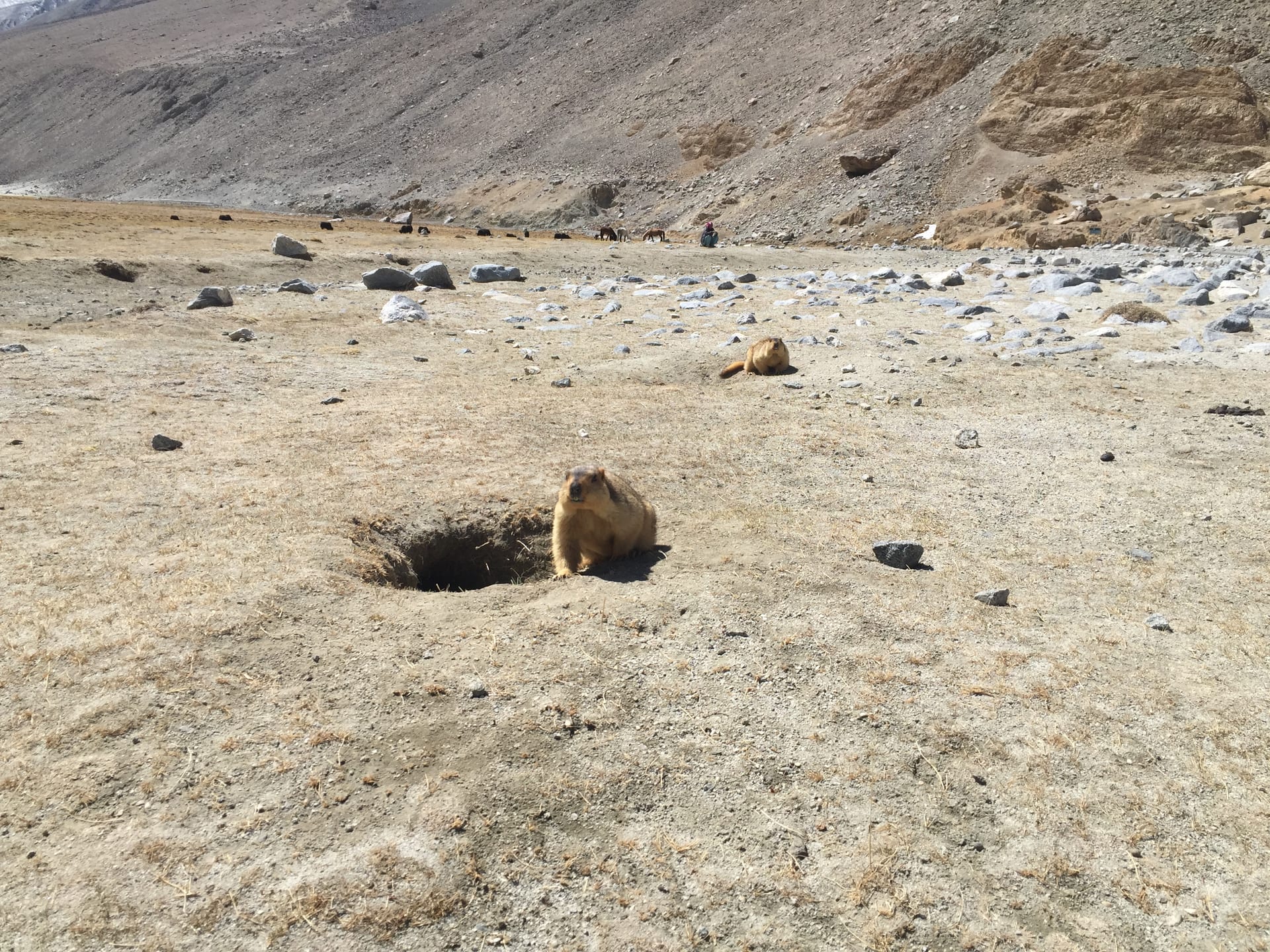
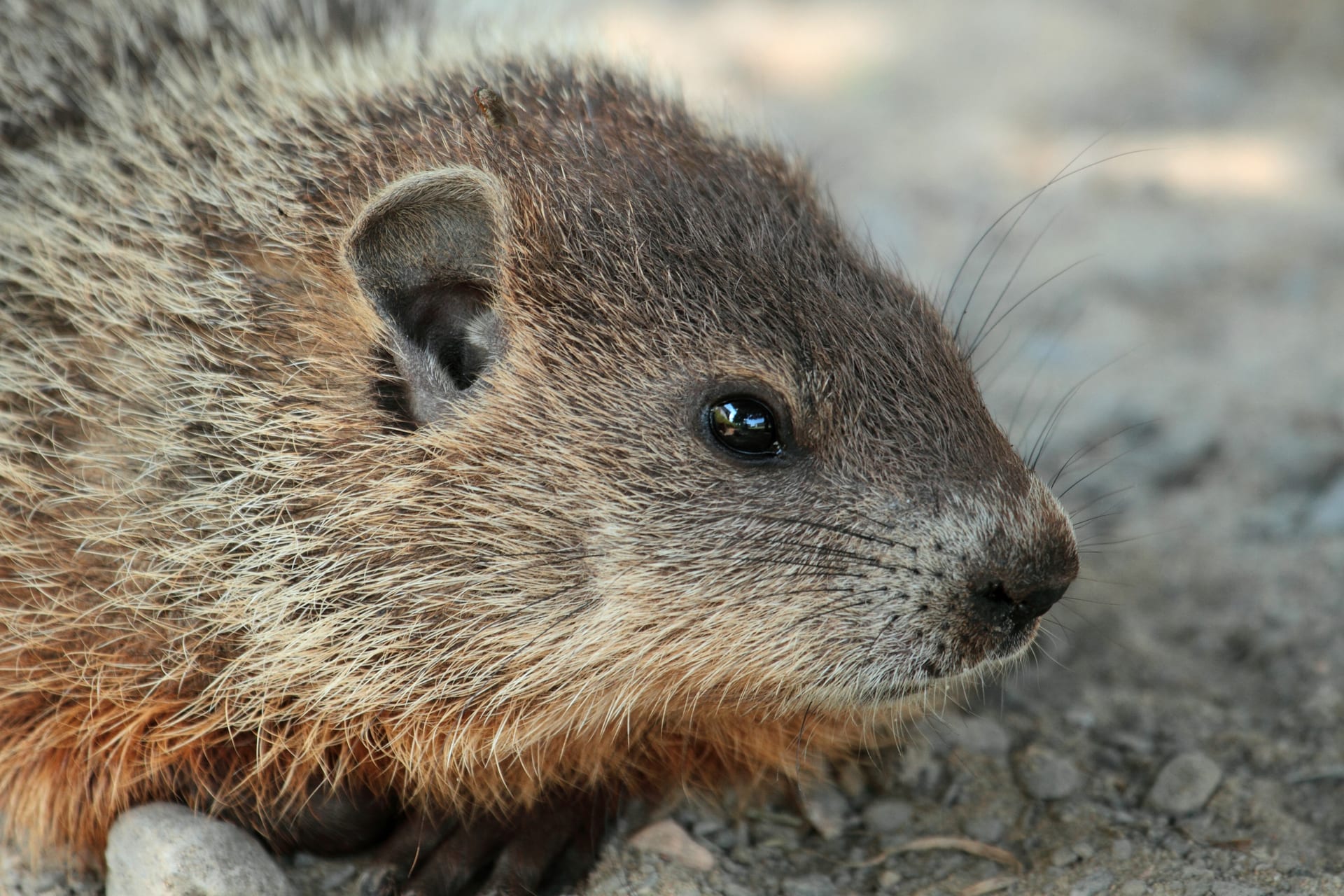
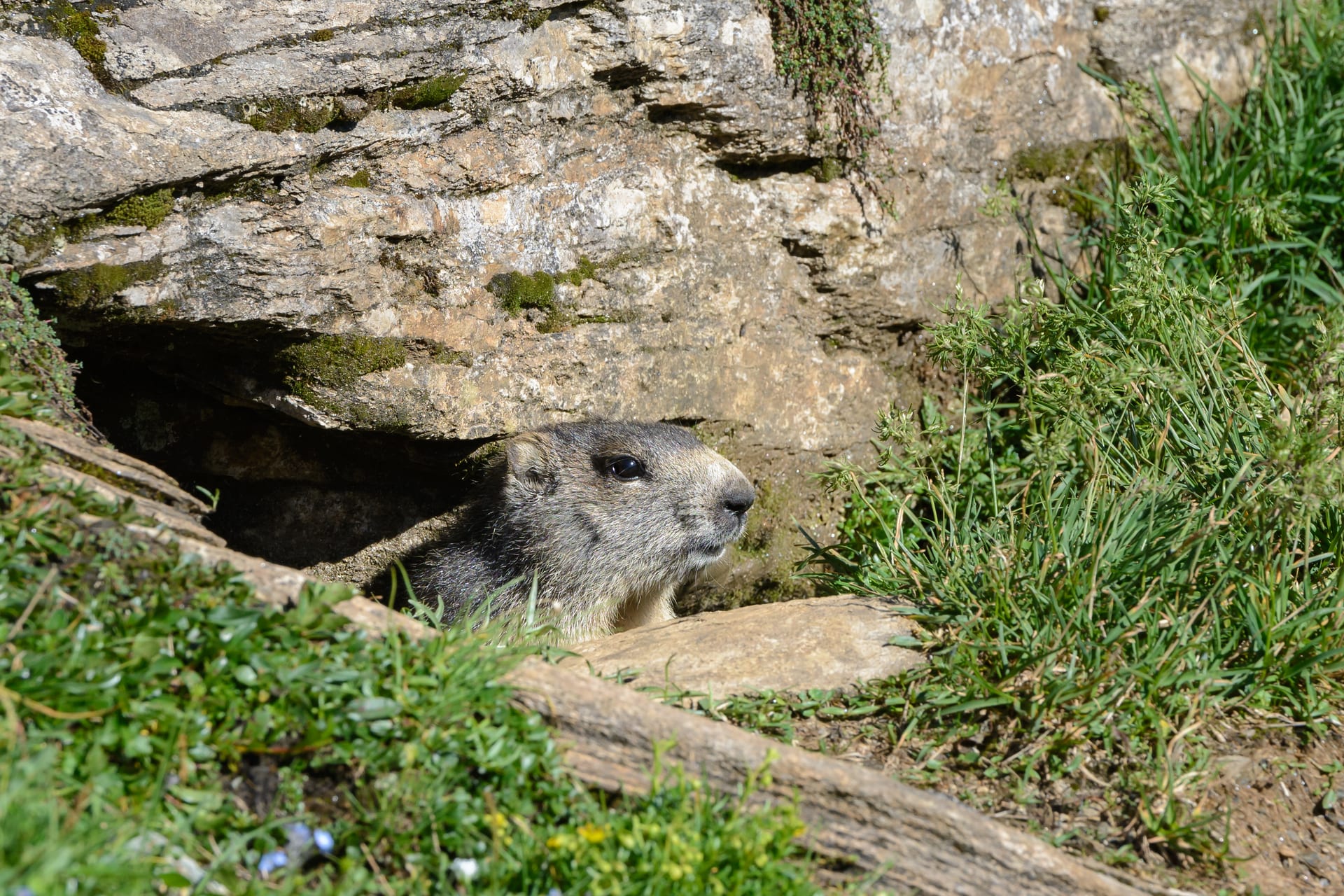
A marmot living above the treeline in the European Alps, stocky with a blend of blond, reddish and dark grey fur. It lives in family groups, and a lookout whistles to warn the colony of danger.
Difficulty
Advanced
Temperature
18〜26℃
Lifespan
15–18 years in captivity
Size
About 18cm tall sitting; about 3kg in spring and 4.5kg in autumn
Humidity
40〜60%
Diet
Herbivore: leaves, flowers and soft stems
About
The Alpine marmot (Marmota marmota) is a large ground squirrel living 400–500m above the treeline in the central and western Alps of Europe. It is adapted to cold, able to live where vegetation is sparse and to burrow in gravelly or frozen ground. Its fur mixes blond, reddish and dark grey; it is plump and sturdy, standing about 18cm tall. It lives in family groups of about 15–20, a breeding pair and their offspring, that greet nose to nose and groom each other, with a lookout that whistles when a predator appears. It is hostile to strangers and marks territory with secretions from its cheek glands. It eats leaves and flowers and hibernates for up to nine months a year. Captive animals are reported to live 15–18 years. In Japan, European captive-bred animals appear only occasionally at specialists.
Source: Wikipedia (CC BY-SA 4.0)
Lifespan of the Alpine Marmot
The Alpine Marmot lives 15–18 years in captivity.
Size of the Alpine Marmot
The Alpine Marmot grows to About 18cm tall sitting; about 3kg in spring and 4.5kg in autumn.
Weight swings with the seasons: Animal Diversity Web gives autumn averages of 4.54kg for males and 4.36kg for females before hibernation, and about 3kg and 2.9kg in spring.
Basic Info
Origin
Alpine zone of the central and western Alps, Europe
Lifespan
15–18 years in captivity
Size
About 18cm tall sitting; about 3kg in spring and 4.5kg in autumn
References & Sources
Edited & verified by: BreederDirect editorial team
The taxonomic, regulatory, and husbandry data on this page are compiled and verified against the authoritative primary sources below.
Taxonomy & Authority
Accepted name: Marmota marmota (Linnaeus, 1758)
Authority databases: GBIF · GBIF: Marmota marmota
Nomenclature follows global taxonomic authority databases.
Regulations & Conservation Status
Not CITES-listedIUCN LC · Least Concern
Not covered by CITES or the specified-animal rules. As a member of the squirrel family, it needs a species-name certificate under the Invasive Alien Species Act when imported (it is not itself a designated or uncategorized invasive species). Imports fall under Japan's animal import notification system (Infectious Diseases Control Law, MHLW): a health certificate from the exporting country's government must be filed with the quarantine station, and rodents must come from a holding facility designated by that government. Animals bred in Japan can be sold and kept without notification. Never release captive animals into the wild.
Sources: Ministry of the Environment: Invasive Alien Species list, incl. species requiring a species-name certificate (JA) / MHLW: Animal import notification system (JA) / Species+ CITES query (not listed)
Regulations may change. Always verify the latest information with the relevant authorities.
Alpine Marmot Listings
Loading latest listingsFind listings for this species