Hamster Exercise and Wheel Complete Guide | Optimal Size, Material, and Activity Management Methods
Explains how to choose a hamster wheel and use it correctly. Provides detailed guidance on appropriate sizes by species, noise level and bedding compatibility, how to distinguish stress and exercise deficiency signs, and daily activity management methods.
Key Takeaways
Explains how to choose a hamster wheel and use it correctly. Provides detailed guidance on appropriate sizes by species, noise level and bedding compatibility, how to distinguish stress and exercise deficiency signs, and daily activity management methods.
Why Hamster Wheels Are Essential
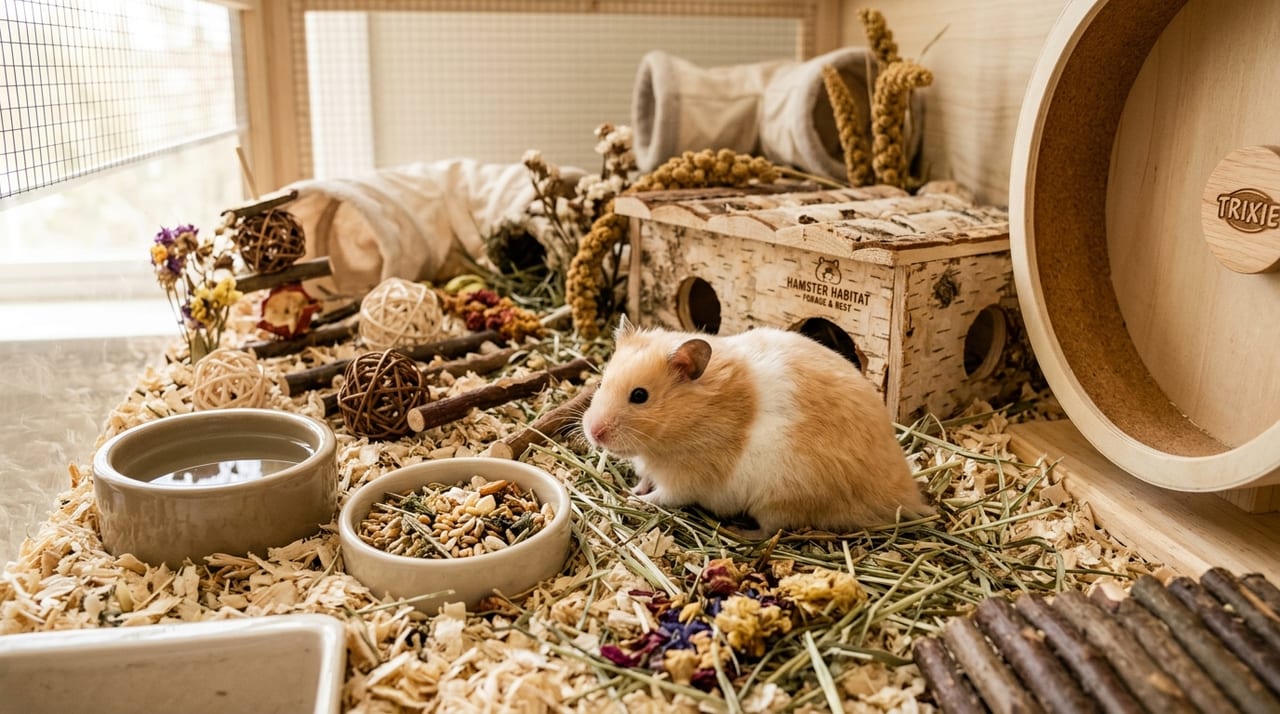
Wild hamsters run around 10–15 km per day. Golden hamsters in particular travel several kilometers during the night alone, roaming freely across vast semi-desert regions while foraging. In captivity, we cannot provide such expansive space, but by providing a hamster wheel we can partially fulfill this instinctive running behavior.
✍️
BreederDirect Editorial
The BreederDirect editorial team specializes in care information for animals, covering veterinary care and breeding to deliver beginner-friendly guides.
Find Small Animals on BreederDirect
Buy directly from verified breeders
Browse Related Listings
Find Small Animals listings related to this article on BreederDirect. Buy directly from verified breeders.
Without a wheel, hamsters quickly become sedentary. This results in obesity, stress, stereotypic behaviors (constantly gnawing cage walls, repeating the same routes, etc.), and increased aggression. These are not merely "bad behavior"—they are signs that exercise needs are not being met. A wheel is not simply "nice to have"; it should be considered "essential equipment" in hamster care.
Wheel exercise also directly contributes to improved digestion, maintaining healthy weight, and cardiovascular health. Particularly for Dwarf and Golden hamsters, which are prone to obesity, it is said that lifespan can differ depending on whether they have access to a wheel every night.
Appropriate Wheel Sizes by Species
Selecting the correct wheel size is one of the most important aspects of hamster care. If the wheel is too small, the spine arches backward during running, creating chronic stress on the vertebrae and lumbar spine. While this issue is often overlooked, it significantly impacts long-term health.
Species
Size and Precautions
Golden (Syrian) Hamster
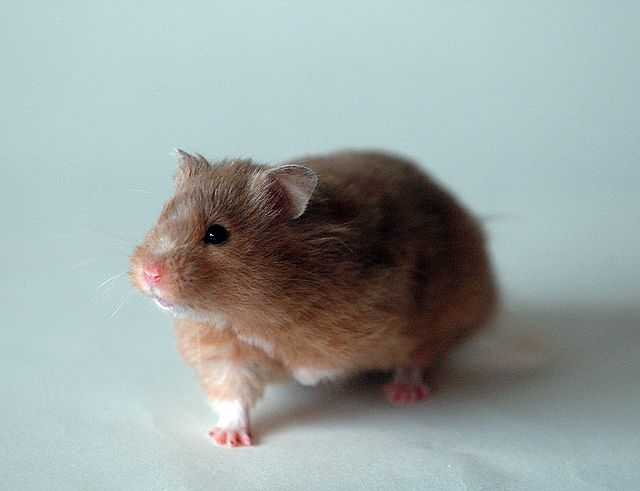
Minimum 22 cm, ideally 28 cm or larger diameter. Due to their large size, small wheels must be avoided entirely. Even commercially labeled "hamster wheel" products around 18 cm in diameter are inappropriate.
Dwarf Hamster (Dzhungarian)
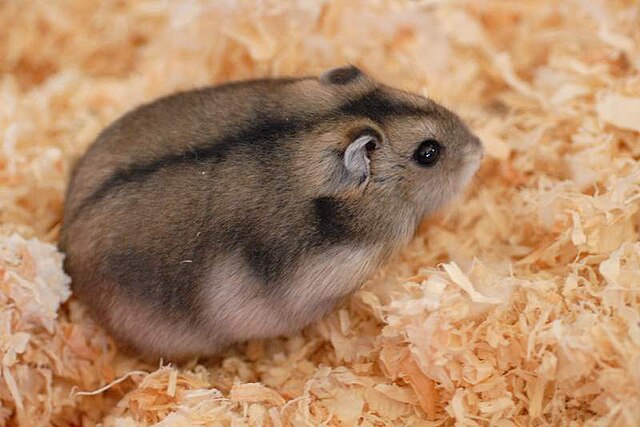
Minimum 18–21 cm. Below 17 cm creates excessive spine stress and is not recommended. If considering shared use with Roborovski, 21 cm is the safe range.
Roborovski Hamster
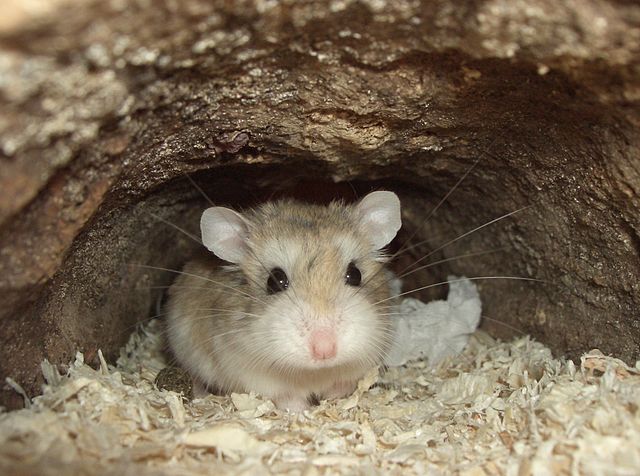
Minimum 17 cm. Though the smallest species, they run at high speeds with frequent use, so select a durable product.
During running, correct posture has the back horizontal or slightly tilted forward. If the back is rounded in a C-shaped curve while running, the wheel needs to be larger. Wheels sold cheaply at hardware stores often lack adequate size, so purchasing from specialty stores or online is recommended.
Wheel Material and Safety
Solid Wood (Natural Wood): Even if chewed, it is non-toxic and provides peace of mind. However, urine soaks into the wood grain, making hygiene difficult and requiring regular replacement. Use in combination with odor-eliminating and disinfecting sprays (hamster-safe).
Plastic (Solid Surface): Easy maintenance is the biggest advantage. Choose BPA-free materials. Grid-patterned or mesh-textured running surfaces risk finger and claw entrapment, potentially causing fractures or dislocations, so always choose solid (no-hole) types. This is a non-negotiable safety standard.
Metal Mesh: High risk of claw and finger entanglement; currently not recommended by care professionals. While some look stylish, prioritize safety.
Choosing the running surface material is also important—overly smooth surfaces cause slipping during running, straining muscles and joints. A surface with adequate grip is ideal.
Noise Level and Maintenance
Because hamsters are nocturnal, wheel use concentrates mainly at night. Loud wheels significantly disrupt caregiver sleep, potentially leading to the counterproductive result of reducing wheel use.
High-Quality Silent Wheels (Niteangel, Wodent Wheel, Flying Saucer, etc.): Dual-bearing construction keeps rotation noise extremely low. Priced around ¥2,000–6,000, these are on the higher end, but considering the 3–5+ year durability, the investment value is well justified.
Maintenance Basics: Over time, dust and bedding particles accumulate on the bearing section of the rotation axis, causing noise. About once monthly, disassemble the axle to remove dust and apply a small amount of food-grade olive oil or machine oil to maintain quietness long-term. Additionally, wiping the running surface with a damp cloth at least once weekly keeps it hygienic.
Managing Activity Levels and Addressing Overexertion
Most hamsters naturally self-regulate their activity, but some individuals may exhibit "overexertion," compulsively running continuously.
Normal Activity Guidelines: Typically 2–5 km per night. For adults, 1–3 hours of intermittent running is a natural pattern.
Signs of Overexertion: Continued running during the day with reduced sleep, obvious weight loss, excessive water consumption. When these appear, stress, chronic hunger, or a cage that is too small are common causes. Environmental enrichment such as cage expansion (minimum 60×40 cm recommended), increased nesting material, and foraging (hiding food in bedding for the hamster to find) can often improve these issues.
Periodically Remove the Wheel: Rather than allowing 24/7 access daily, removing it 1–2 times weekly encourages alternate behaviors such as burrowing, nesting, and foraging, fostering behavioral diversity and reducing stress. However, rather than removing it all day, simply designating it as a "day for different stimulation" is most appropriate.
Adjustments Based on Age and Health Status
When providing a wheel to young hamsters (under 4–6 weeks old), observe to ensure daily running time does not become excessive and cause overload. Since the musculoskeletal system is still developing, temporarily using a smaller wheel than for adults and sizing up as they grow is also effective.
Conversely, senior hamsters (2 years and older) face increased risk of arthritis and heart disease. If running activity drops suddenly, it may signal illness, so regular veterinary check-ups and careful monitoring of changes are important. Flying saucer-type wheels with gentle running surface slopes place less stress on joints and are well-suited to senior hamsters.
The wheel is central equipment that determines hamster quality of life. Choosing comprehensively by size, material, noise level, and maintenance is the first step toward creating an environment for long, healthy living.