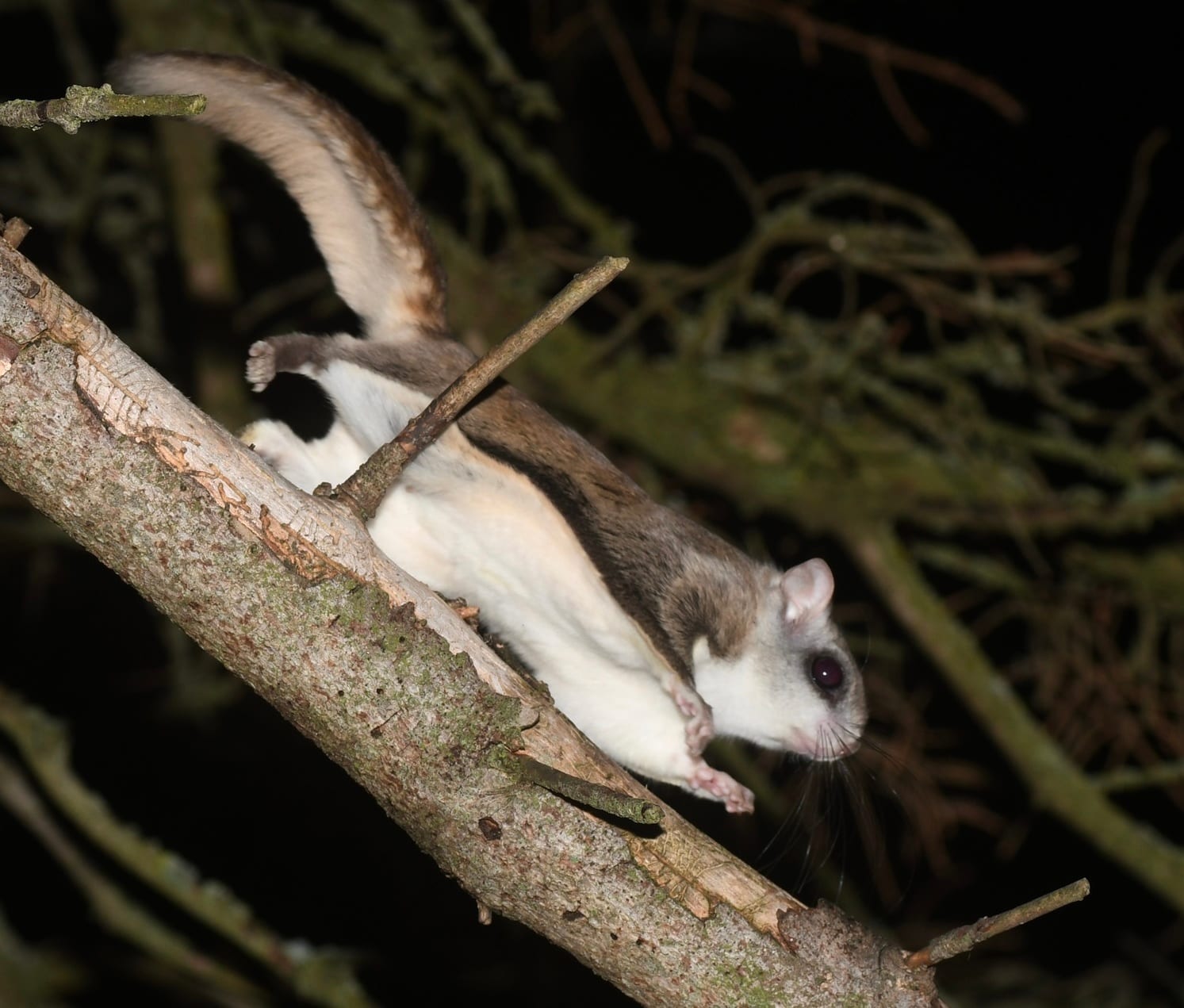
 © Henrique Pacheco / CC BY 4.0
Northern Flying Squirrel
The Northern Flying Squirrel is a large American flying squirrel that lives in the coniferous forests of northern North America. Its silky coat blends gray and cinnamon, and the belly fur is gray at the base. It glides on a membrane stretched between its limbs, is strictly nocturnal, and in the wild eats many mushrooms and lichens. Adults measure 27.5 to 34.2 cm in total length and weigh 75 to 140 g. Captive animals live 13 years on average, while wild ones usually live less than 4. Care is rated for experienced keepers, so plan a habitat around its nocturnal rhythm and diet before bringing one home.
View Northern Flying Squirrel encyclopedia →0% commission on your first sales!Register by September 30, 2026 and your first 2 sales are commission-free!
Breeder Wanted!
List on BreederDirect and sell directly to customers nationwide!
BreederDirect's 6 Transparency Commitments
Every Small Pets listing from Breeder includes the information below. We guarantee transparency through health checks, vaccinations, microchips, and more.
- Hand-Tamed
- Health Checked
- Vaccinated
- Microchipped
- Real Photos
- Age Specified
Browse all 168 breeds
Care Difficulty
Verified breeders wanted for Small Pets
Breeders are signing up now ahead of launch. Subscribe to be notified when new listings go live.
Getting alerts is free with a member account. When new listings match your saved search, we'll notify you by email and in-app.
Browse other categories
Verified breeders (preview)
Are you raising small pets?
Register as a breeder and connect with buyers directly.
Apply as a breederNorthern Flying Squirrel key facts
- Care level
- Advanced
- Lifespan
- Usually under 4 years wild; about 13 on average in captivity
- Size
- 27.5–34.2cm long; 75–140g
- Diet
- Omnivore: nuts, acorns, fungi and lichens, plus fruit and insects
- Cage
- It travels by gliding between trees. Provide a tall, deep cage with high nest boxes and branches, and make the room safe before letting it out.
- Diet
- Unlike most squirrels, fungi and lichens are a major part of its diet alongside nuts and acorns; it also takes fruit, buds, sap, insects and eggs.
- Temperament
- Strictly nocturnal, active after sunset and before dawn. Up to eight may share a nest, and same-sex groups huddle for warmth in winter.
- Temperature
- A species of cold northern conifer forest with little data on heat tolerance; air-condition the room through a Japanese summer.
- Regulations
- As a squirrel it needs a species-name certificate on import, and imports fall under the animal import notification system.
- Notes
- Larger than the southern flying squirrel (G. volans), with grey-based belly hairs; captives can live over 10 years. Never release captive animals into the wild.
About Northern Flying Squirrel
A guide to the Northern Flying Squirrel: traits, lifespan, size and care difficulty. Learn about this gray and cinnamon nocturnal glider, plus what to know before bringing one home and common questions.
7 things to know before welcoming a Northern Flying Squirrel
1For experienced keepers
Care difficulty is rated for experienced keepers. You need a habitat that reflects its nocturnal, gliding life in the wild, along with a good grasp of its diet. It is safest to consider this species after gaining experience with other small animals.
2Strictly nocturnal
It rests in its nest during the day and becomes active at night. Think ahead about whether your household can live with nighttime noise and activity. Keep in mind that chances to watch or interact with it in daytime are limited.
3Space for gliding
Plan the cage with height in mind, not just floor area, and give it a three-dimensional layout for climbing, jumping and gliding. Design it so escapes and falls are unlikely. If you let it out in a room, check carefully for collision and escape risks first.
4Watch out for heat
Because it comes from the coniferous forests of northern North America, hot Japanese summers may be hard on it. Keep the cage out of direct sunlight and use air conditioning to keep the room temperature stable. If it seems unwell, consult a veterinarian early.
5Ask about the diet
In the wild it eats many mushrooms and lichens, but reproducing that diet at home can be difficult. Ask the breeder what it is currently fed before you bring it home, and avoid switching foods abruptly. Nutritional imbalance can affect health, so aim for a balanced diet.
6Temperament and handling
In the wild it is a small animal that other predators hunt, so some individuals startle easily at loud noises or sudden movements. How quickly they settle in varies from animal to animal. Avoid forcing contact, and build trust gradually by interacting quietly during its active hours at night.
7Prepare before arrival
Set up the cage, a nest box to hide in and climbing branches beforehand so it has a calm place to settle. Finding a veterinary clinic that treats exotic animals ahead of time helps if something goes wrong. It is also a good idea to ask the breeder directly about its rearing environment and diet.
Frequently asked questions about Northern Flying Squirrel
- Q.Can a beginner keep one?
- A.Its care difficulty is rated for experienced keepers. There is a lot to manage, including its nocturnal habits, diet and sensitivity to heat, so it helps to gain experience with other small animals first. Talk to the breeder before bringing one home.
- Q.How long does it live?
- A.In the wild it usually lives less than 4 years, while the average in captivity is 13 years. Since you will be caring for it for a long time, consider whether you can keep up that commitment.
- Q.How big does it get?
- A.Adults are about 27.5 to 34.2 cm in total length and weigh 75 to 140 g. It is small, but it still needs a tall enclosure where it can climb and glide.
- Q.What does it eat?
- A.In the wild it eats many mushrooms and lichens. Diets in captivity vary with the animal and its setup, so ask the breeder what it is currently fed before you bring it home.
- Q.Does it fly, and is it active by day?
- A.It does not flap and fly like a bird. It spreads its gliding membrane and glides. It is strictly nocturnal, so it is mostly active at night.
Useful tools for Northern Flying Squirrel care
Learn more about Northern Flying Squirrel in the encyclopedia
View Northern Flying Squirrel encyclopedia entry →
Care difficulty, lifespan, size and diet — all basics covered.
More in this category
Can't find the one you're looking for?
Post your wishes for free and breeders with matching animals will contact you with introductions.