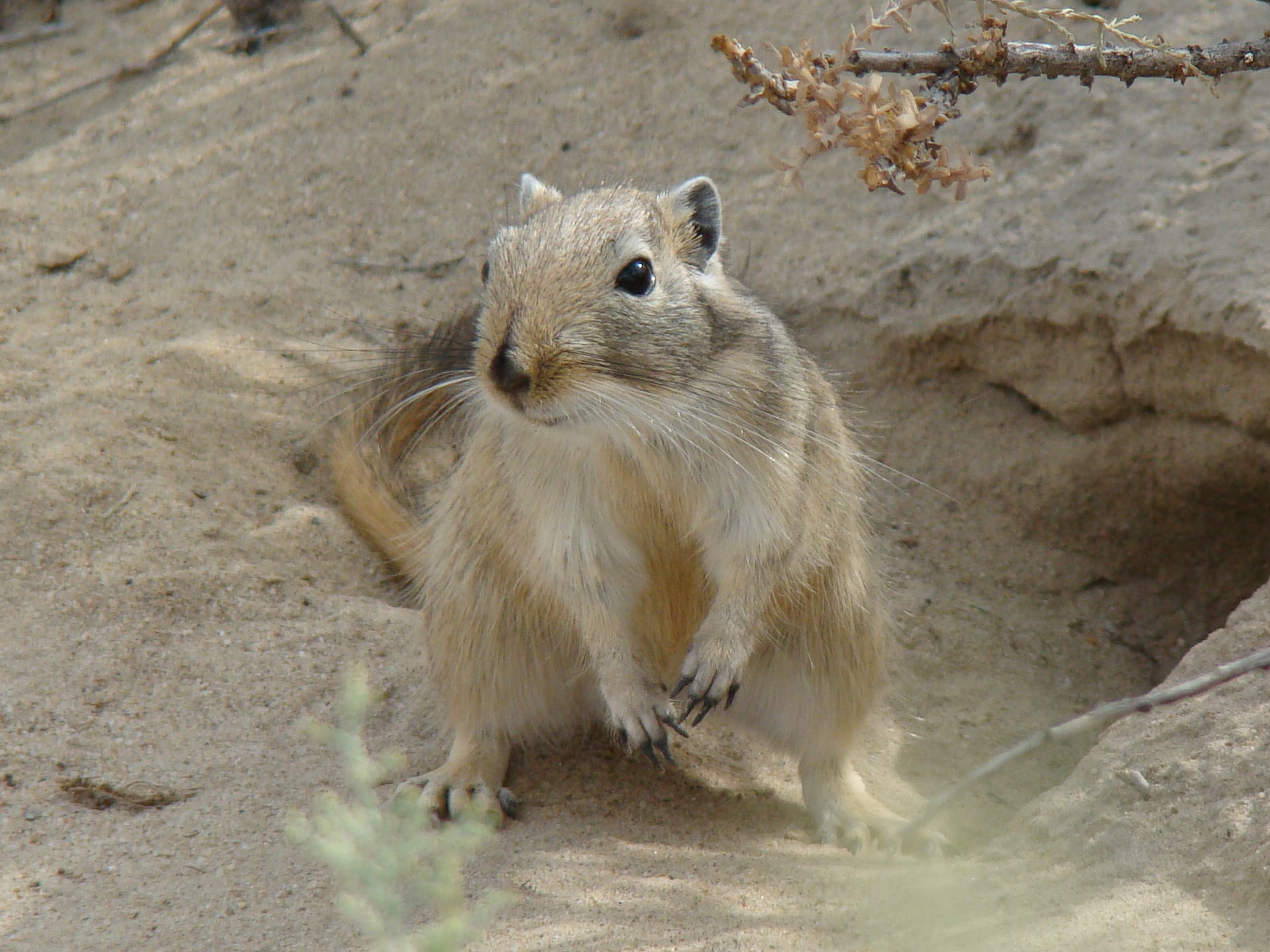
 © Yuriy75 / CC BY-SA 3.0
Great Gerbil
The Great Gerbil is the largest member of the gerbil family. Adults measure 15–20 cm in head-and-body length and average about 285 g. They have a sturdy body, sandy yellow-brown fur that blends into desert terrain, and a long-haired tail. This is a diurnal species that is active during the day. In the wild it digs deep burrows with many chambers and lives in large colonies. Watching it move about in daylight is a real pleasure, but it needs a spacious setup that suits its digging habits, so the difficulty level is intermediate. How readily an individual gets used to people varies.
View Great Gerbil encyclopedia →0% commission on your first sales!Register by September 30, 2026 and your first 2 sales are commission-free!
Breeder Wanted!
List on BreederDirect and sell directly to customers nationwide!
BreederDirect's 6 Transparency Commitments
Every Small Pets listing from Breeder includes the information below. We guarantee transparency through health checks, vaccinations, microchips, and more.
- Hand-Tamed
- Health Checked
- Vaccinated
- Microchipped
- Real Photos
- Age Specified
Browse all 168 breeds
Care Difficulty
No listings match your filters
Adjust your filters, or get notified when new listings arrive.
Getting alerts is free with a member account. When new listings match your saved search, we'll notify you by email and in-app.
Browse other categories
Verified breeders (preview)

Are you raising small pets?
Register as a breeder and connect with buyers directly.
Apply as a breederGreat Gerbil key facts
- Care level
- Intermediate
- Lifespan
- 2–3 years (males) and 3–4 years (females) in the wild; little captive data
- Size
- Head and body 15–20cm; average weight about 285g
- Diet
- Herbivore: grasses, seeds, fruit, stems, roots and bulbs
- Cage
- Wild animals dig many-chambered burrows 1.5–2.5m deep. Give deep bedding to dig in and several hides, and a roomier cage than for smaller gerbils.
- Diet
- Wild animals eat grasses, seeds, fruit, stems, roots and bulbs and get most of their water from plants. Base the diet on hay and vegetables and always provide fresh water.
- Temperament
- Mainly diurnal. In the wild it lives in large colonies of family groups that huddle together in winter.
- Temperature
- It does not hibernate; wild animals winter in burrows that stay at 20–25°C. Captive temperature data are scarce, so avoid sudden cold and humid heat.
- Regulations
- Imported animals fall under Japan's animal import notification system; captive-bred animals in Japan need no notification.
- Notes
- In its native range it hoards grain and can damage crops. Never release captive animals into the wild.
About Great Gerbil
The Great Gerbil is the largest of the gerbils, with sandy yellow-brown fur and a long-haired tail, and it is active by day. Learn its traits, habits, care basics, what to know before bringing one home, and common questions.
7 things to know before welcoming a Great Gerbil
1Largest of the Gerbils
The Great Gerbil is the largest gerbil, with a head-and-body length of 15–20 cm and an average weight of about 285 g. Its stout build means a cage sized for smaller gerbils is likely to feel cramped, so plan for generous floor space.
2Active During the Day
The Great Gerbil is diurnal and is active in the daytime even in the wild. That makes it easier to watch during your own waking hours, but the cage still needs to sit in a calm, quiet spot where it can rest during the day.
3A Place to Dig
In the wild it digs deep burrows with many chambers. In captivity, provide deep bedding and hiding places so it can dig and tunnel. Because it is driven to dig, pay attention to the strength of the enclosure and make sure the lid is fastened securely.
4A Colony Animal
In the wild, Great Gerbils live in large colonies. Whether several can be kept together in captivity depends on the individuals and the setup, so it is wise to talk with the breeder before bringing any home.
5Keep the Setup Dry
This is a desert-adapted species with sandy fur, so damp conditions are best avoided. Keep the enclosure well ventilated and dry, and replace bedding or nesting material promptly if it gets wet.
6Lifespan and Health Checks
Little is documented about its lifespan, so no clear figure can be given. Check appetite, droppings, coat condition and movement every day, and consult a vet who treats small animals early if anything seems off.
7Questions to Ask First
The difficulty level is intermediate, and information on captive care is limited. Before bringing one home, ask the breeder specifically about the diet, the enclosure the animal grew up in, and how it has been handled.
Frequently asked questions about Great Gerbil
- Q.Can a beginner keep a Great Gerbil?
- A.The difficulty level is intermediate. Captive care is not well documented, and the species is large and likes to dig, so previous experience with small animals helps. If you are a first-time keeper, ask the breeder plenty of questions about care beforehand.
- Q.Is the Great Gerbil nocturnal?
- A.No, it is diurnal and active during the day, which makes it enjoyable to watch. It still needs somewhere quiet to rest, so place the cage in a calm spot.
- Q.How long does a Great Gerbil live?
- A.There is little documented information on its lifespan, so we cannot give a clear figure. It may also vary with the care environment. Daily health checks are a good habit.
- Q.How big does it get?
- A.Adults reach 15–20 cm in head-and-body length and average about 285 g. It is the largest gerbil species, so choose an enclosure with plenty of room.
- Q.Can I keep more than one together?
- A.They live in large colonies in the wild, but whether they can share space in captivity depends on the individuals and the setup. If you are considering it, ask the breeder about their background and pairing, and proceed carefully while watching how they get along.
Useful tools for Great Gerbil care
Learn more about Great Gerbil in the encyclopedia
View Great Gerbil encyclopedia entry →
Care difficulty, lifespan, size and diet — all basics covered.
More in this category
Can't find the one you're looking for?
Post your wishes for free and breeders with matching animals will contact you with introductions.