Source: Wikimedia Commons
Great Gerbil
IntermediateRhombomys opimus
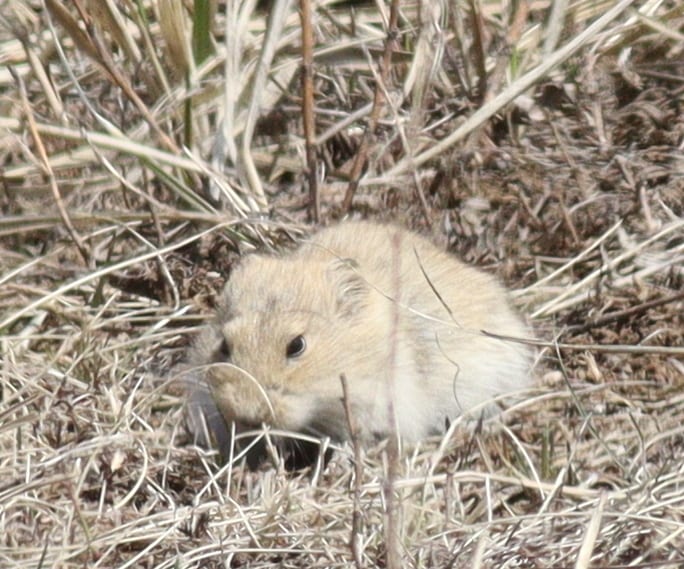
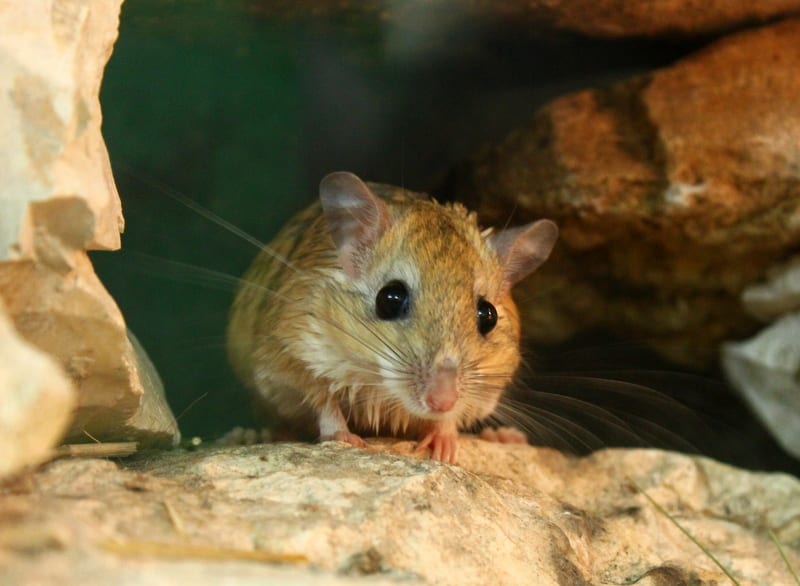
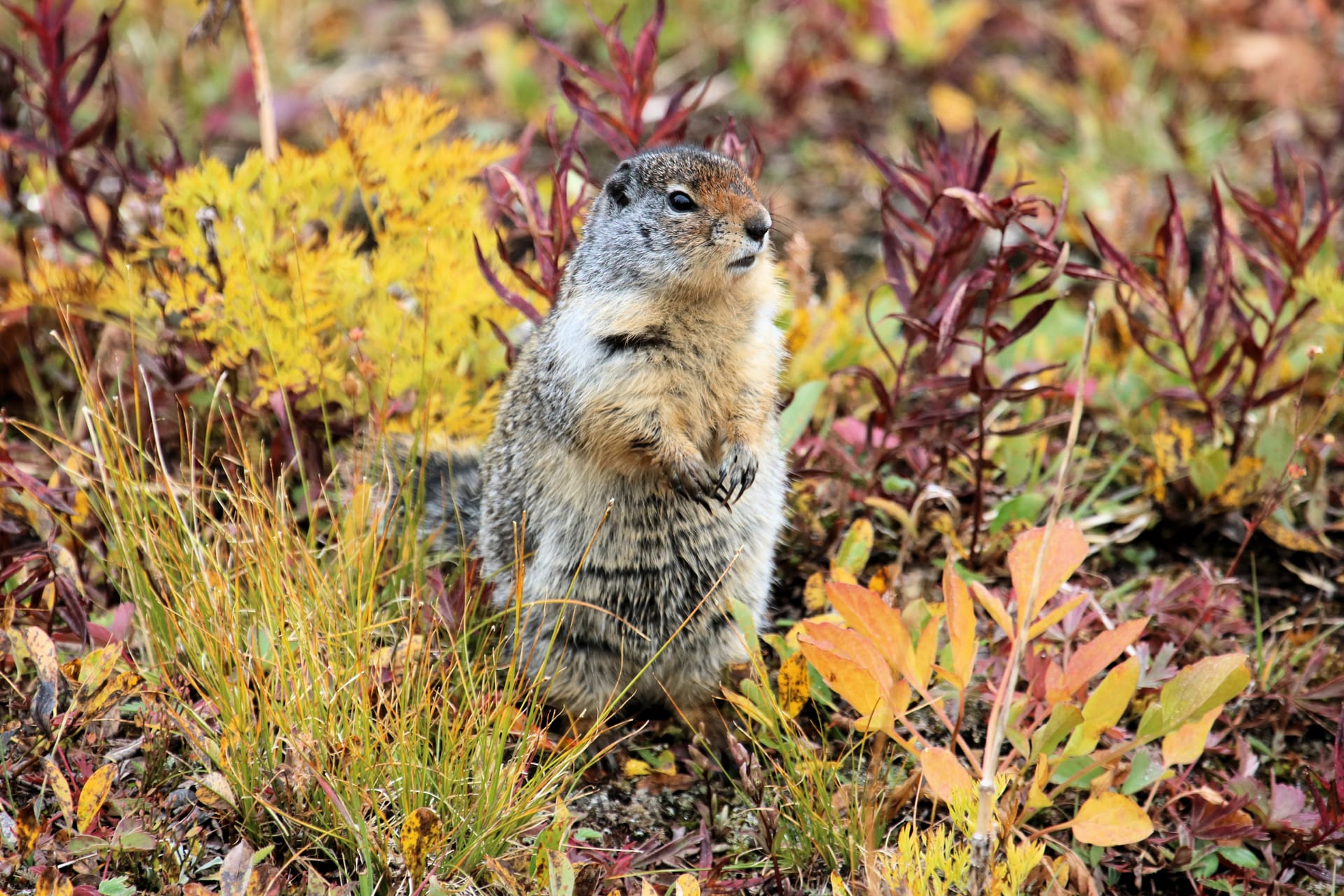
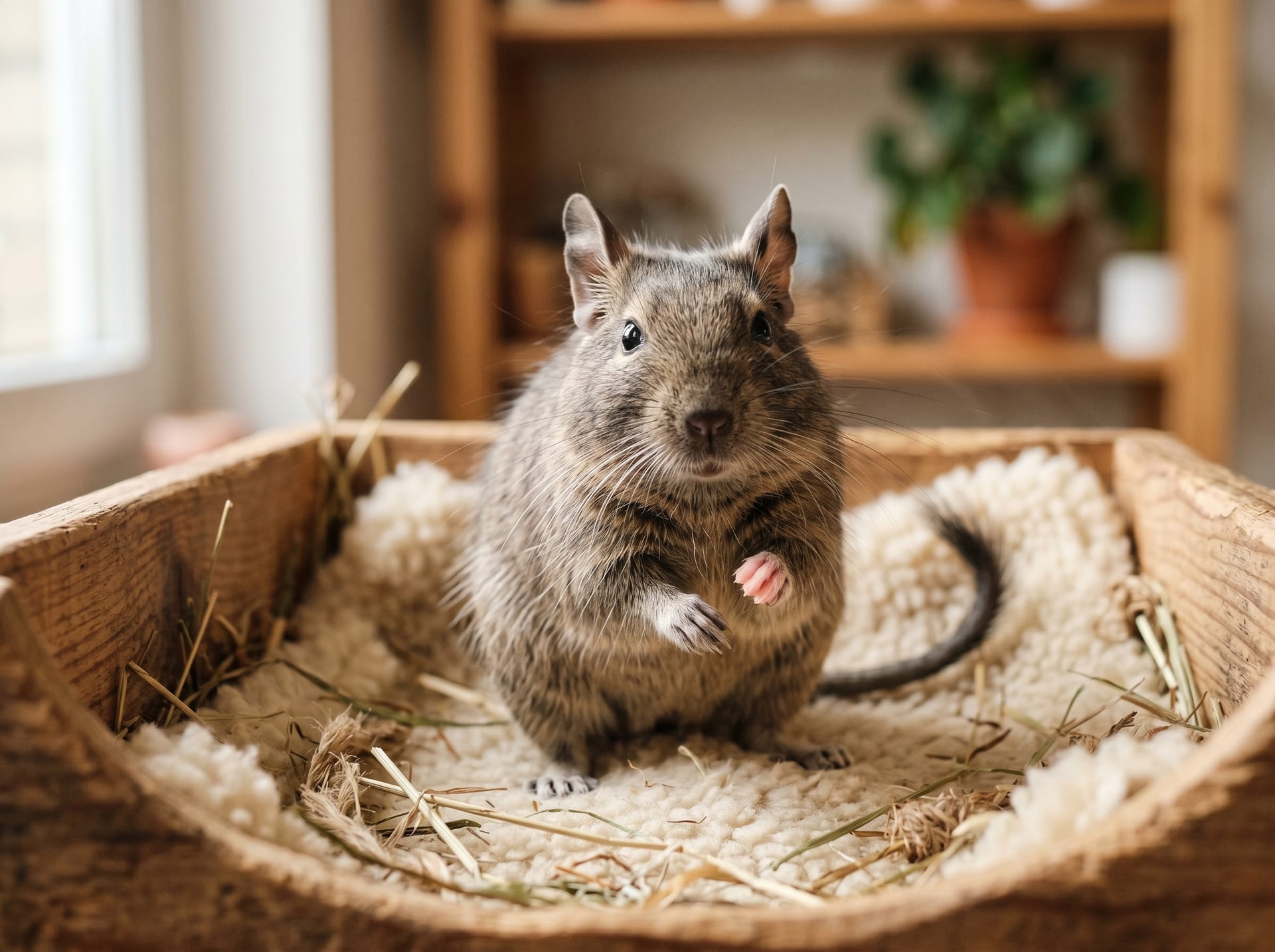
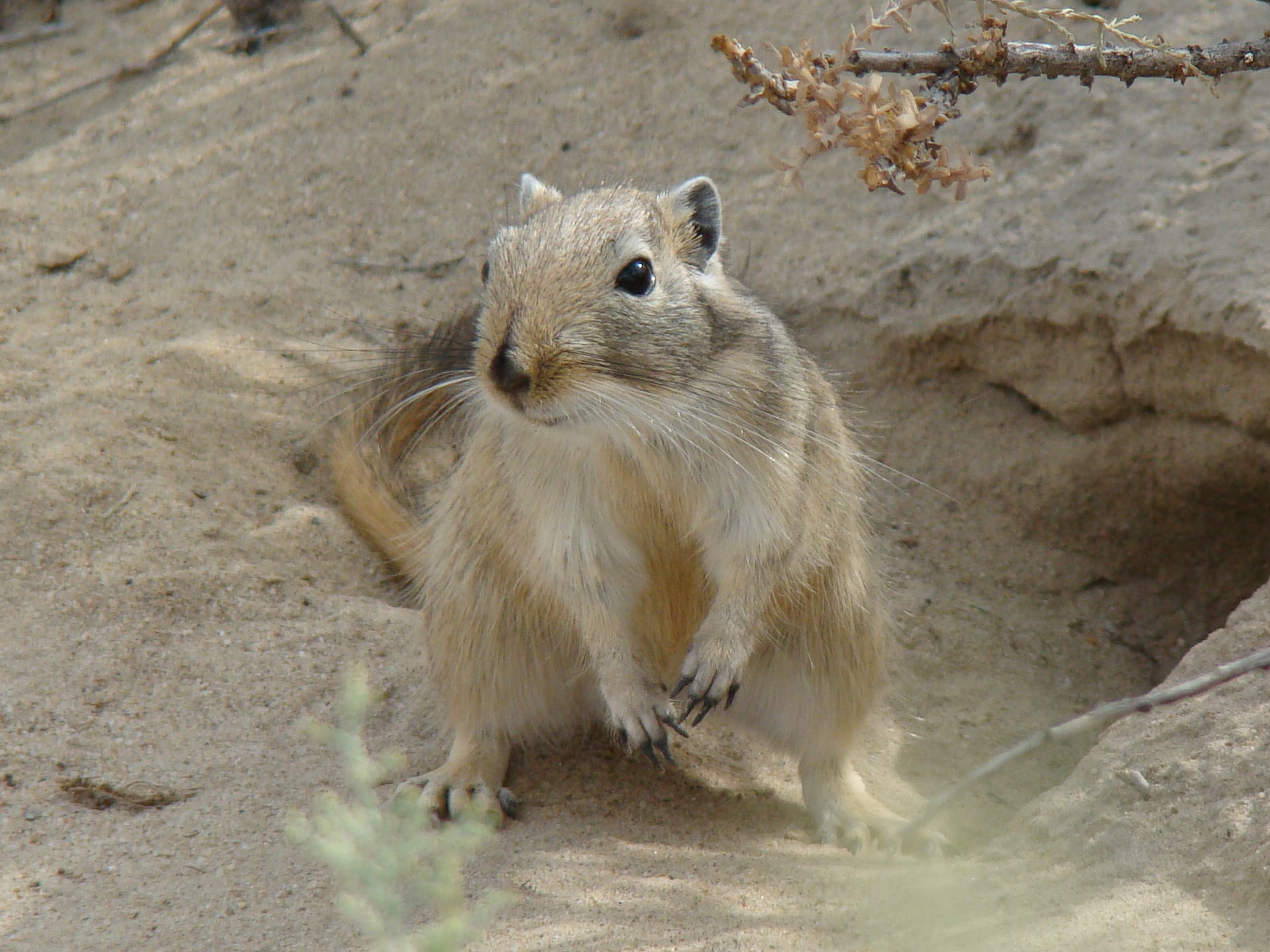
The largest gerbil, stocky and sandy-yellow with a fairly long-haired tail. It is active by day and in the wild lives in large colonies with deep, many-chambered burrows.
Difficulty
Intermediate
Temperature
18〜26℃
Lifespan
2–3 years (males) and 3–4 years (females) in the wild
Size
Head and body 15–20cm; average weight about 285g
Humidity
40〜60%
Diet
Herbivore: grasses, seeds, fruit, stems, roots and bulbs
About
The great gerbil (Rhombomys opimus) is the only member of its genus and the largest gerbil. It ranges across the deserts of Central Asia, from the Caspian Sea to southern Mongolia and north-central China, and into Iran, Afghanistan and western Pakistan. The back is yellowish-orange to dark greyish-yellow; the fur is thick and soft because it winters under snow, and the claws are long and sharp. It digs many-chambered burrows 1.5–2.5m below the surface and lives in large colonies made up of family groups. It eats grasses, seeds, fruit, stems, roots and bulbs, getting most of its water from plants. It belongs to a different genus from the jirds already kept as pets and is noticeably larger. In Japan, captive-bred animals appear only occasionally at exotic-pet specialists.
Source: Wikipedia (CC BY-SA 4.0)
Lifespan of the Great Gerbil
The Great Gerbil lives 2–3 years (males) and 3–4 years (females) in the wild.
Size of the Great Gerbil
The Great Gerbil grows to Head and body 15–20cm; average weight about 285g.
Animal Diversity Web gives a head-and-body length of 15–20cm and an average weight of about 285g.
Temperature & humidity for the Great Gerbil
It is mainly diurnal and does not hibernate: in winter the animals huddle in burrows that stay at 20–25°C and live on stored plants.
Basic Info
Origin
Deserts of Central Asia, from the Caspian Sea to southern Mongolia and north-central China, plus Iran, Afghanistan and western Pakistan
References & Sources
Edited & verified by: BreederDirect editorial team
The taxonomic, regulatory, and husbandry data on this page are compiled and verified against the authoritative primary sources below.
Taxonomy & Authority
Accepted name: Rhombomys opimus (Lichtenstein, 1823)
Authority databases: GBIF · GBIF: Rhombomys opimus
Nomenclature follows global taxonomic authority databases.
Regulations & Conservation Status
Not CITES-listedIUCN LC · Least Concern
Not covered by CITES, the Invasive Alien Species Act or the specified-animal rules. Imports fall under Japan's animal import notification system (Infectious Diseases Control Law, MHLW): a health certificate from the exporting country's government must be filed with the quarantine station, and rodents must come from a holding facility designated by that government. Animals bred in Japan can be sold and kept without notification. Never release captive animals into the wild.
Sources: MHLW: Animal import notification system (JA) / Species+ CITES query (not listed) / Ministry of the Environment: Invasive Alien Species list, incl. species requiring a species-name certificate (JA)
Regulations may change. Always verify the latest information with the relevant authorities.
Great Gerbil Listings
Loading latest listingsFind listings for this species