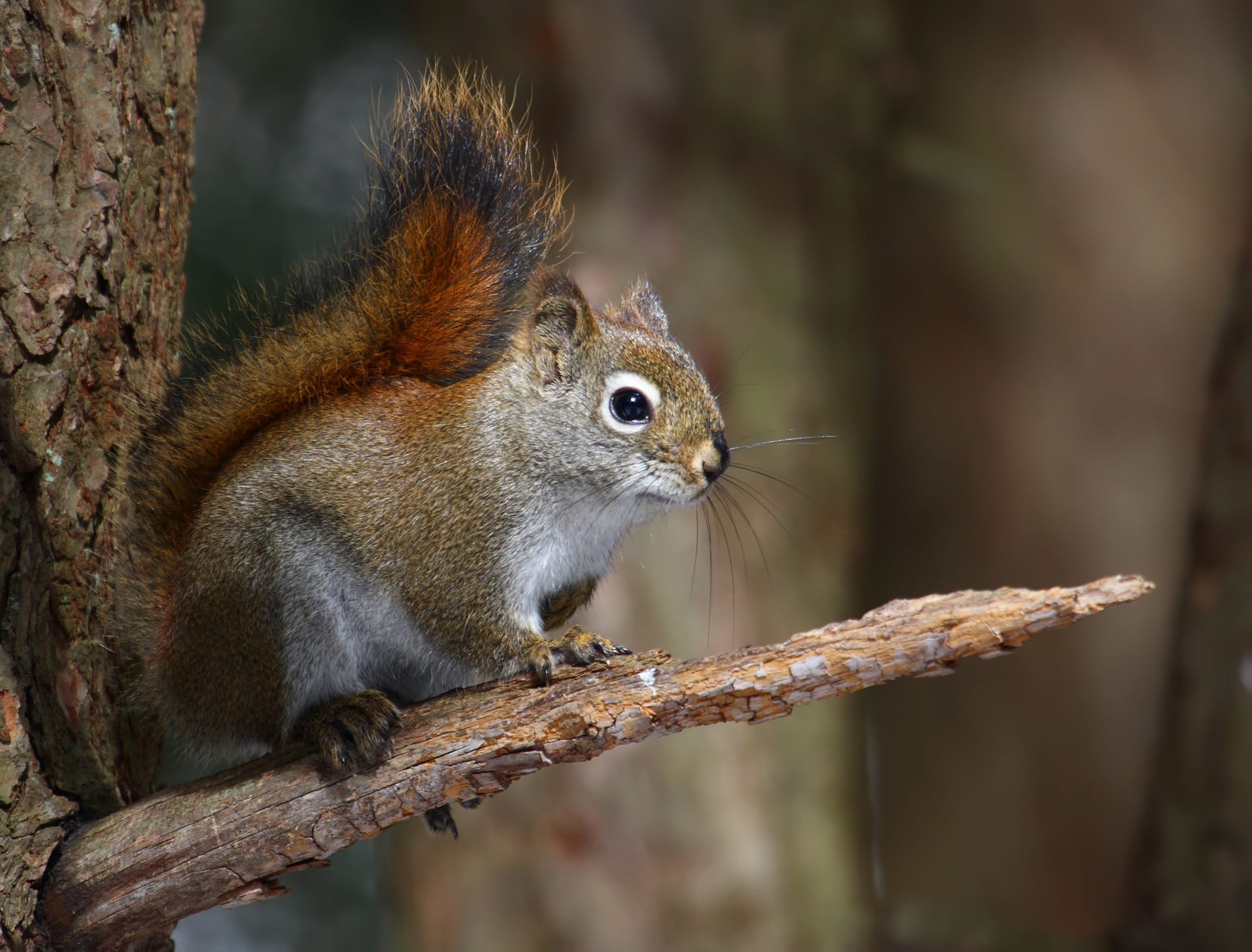
 © Cephas / CC BY-SA 3.0
American Red Squirrel
The American red squirrel is a small, tree-dwelling squirrel that lives in the coniferous forests of North America. It is recognized by its reddish-brown back, white belly and white eye ring, and it grows ear tufts in winter. Adults measure 27–38.5 cm in length and weigh 197–282 g. Strongly territorial, it stockpiles conifer seeds and is an energetic climber. It is considered a species for advanced keepers, and it lives about 5 years on average in the wild, with a captive record of 9 years. Understanding its habits and setup before bringing one home is essential.
View American Red Squirrel encyclopedia →0% commission on your first sales!Register by September 30, 2026 and your first 2 sales are commission-free!
Breeder Wanted!
List on BreederDirect and sell directly to customers nationwide!
6 Transparency Commitments from Br-Choku
Every Small Pets listing from Breeder includes the information below. We guarantee transparency through health checks, vaccinations, microchips, and more.
- Hand-Tamed
- Health Checked
- Vaccinated
- Microchipped
- Real Photos
- Age Specified
Browse all 168 breeds
Care Difficulty
No listings match your filters
Adjust your filters, or get notified when new listings arrive.
Getting alerts is free with a member account. When new listings match your saved search, we'll notify you by email and in-app.
Browse other categories
Verified breeders (preview)
Are you raising small pets?
Register as a breeder and connect with buyers directly.
Apply as a breederAmerican Red Squirrel key facts
- Care level
- Advanced
- Lifespan
- About 5 years on average wild (max 10); captive record 9 years
- Size
- 27–38.5cm long; 197–282g
- Diet
- Mainly seed-eating omnivore: conifer seeds, fungi, buds and fruit
- Cage
- An arboreal squirrel of dense canopy. Use a tall cage with branches and shelves arranged in three dimensions, and a nest box placed high.
- Diet
- Mainly conifer seeds, plus fungi, buds, flowers, fruit, sap and insects. Avoid a seed-only diet, and check hidden caches for spoilage.
- Temperament
- Intensely territorial and solitary, so keeping more than one invites fights. Mainly diurnal and especially active in autumn.
- Temperature
- A cold-climate species; wild animals have been reported to stop activity entirely at −31.6°C. Heat data are scarce, so air-condition the room through a Japanese summer.
- Regulations
- As a squirrel it needs a species-name certificate on import, and imports fall under the animal import notification system. Its genus is not a designated or uncategorized invasive taxon.
- Notes
- Alien squirrels such as Pallas's squirrel are already a problem in Japan. Never release captive animals into the wild.
About American Red Squirrel
American red squirrel guide for experienced keepers: size, lifespan, temperament and what to know before bringing one home, plus answers to common questions.
7 things to know before welcoming a American Red Squirrel
1Best for Experienced Keepers
The American red squirrel is rated as suitable for experienced keepers. Its strong territorial instinct and active nature make it a better fit once you have built up experience with small animals. Gather as much husbandry information as you can before deciding.
2A Tall, Climbing-Friendly Setup
As a tree-dwelling species, it needs height and a three-dimensional layout more than floor space. Provide sturdy branches, perches and hiding spots so it can climb and jump. It comes from North American conifer forests, so pay close attention to room temperature in summer.
3Size and Activity Level
Adults measure 27–38.5 cm in length and weigh 197–282 g, yet they are quick and highly active. Make sure the enclosure has runways and footholds that let it move freely.
4A Strongly Territorial Nature
In the wild it defends its territory fiercely, and housing several together can lead to fighting. Consider cohabitation carefully, and plan on giving each animal its own calm space. Temperament also varies between individuals, so ask the seller about the animal's character before you commit.
5The Habit of Stockpiling
In the wild it stockpiles conifer seeds. Captive animals may also hide or carry food around, so check the enclosure often to make sure perishable food is not left behind. It is worth looking inside nest material and hideouts as well.
6Diet and Health Care
Use the wild diet of conifer seeds as a reference, and research ahead of time how to keep the diet balanced. Watch appetite, activity and coat condition day to day, and seek advice early if anything looks different. It also helps to find a veterinarian who can see squirrels or other small animals before you bring one home.
7A Long-Term Commitment
Lifespan is about 5 years on average in the wild, with a maximum of 10 years, and there is a record of 9 years in captivity. Think through whether you can keep caring for it over that whole span, even if your circumstances change.
Frequently asked questions about American Red Squirrel
- Q.Can a beginner keep one?
- A.The American red squirrel is rated for experienced keepers, so it can be difficult for first-time small-animal owners. It is territorial and very active, so it suits people who have keeping experience and can prepare thoroughly.
- Q.How long does it live?
- A.In the wild it lives about 5 years on average, and up to 10 years at most. In captivity there is a record of 9 years. Individuals vary, so plan for a long-term commitment.
- Q.How big does it get?
- A.Adults measure 27–38.5 cm in length and weigh 197–282 g. It is small, but because it moves around in the trees it needs a tall space.
- Q.Can I keep more than one together?
- A.Because it is strongly territorial, keeping several in the same space can lead to fighting. Consider cohabitation carefully, and as a rule plan to give each animal its own space.
- Q.What does it eat?
- A.In the wild it eats conifer seeds and stockpiles them. In captivity, research ahead so the diet stays balanced, and ask an experienced keeper or a veterinarian if you are unsure.
Useful tools for American Red Squirrel care
Learn more about American Red Squirrel in the encyclopedia
View American Red Squirrel encyclopedia entry →
Care difficulty, lifespan, size and diet — all basics covered.
More in this category
Can't find the one you're looking for?
Post your wishes for free and breeders with matching animals will contact you with introductions.