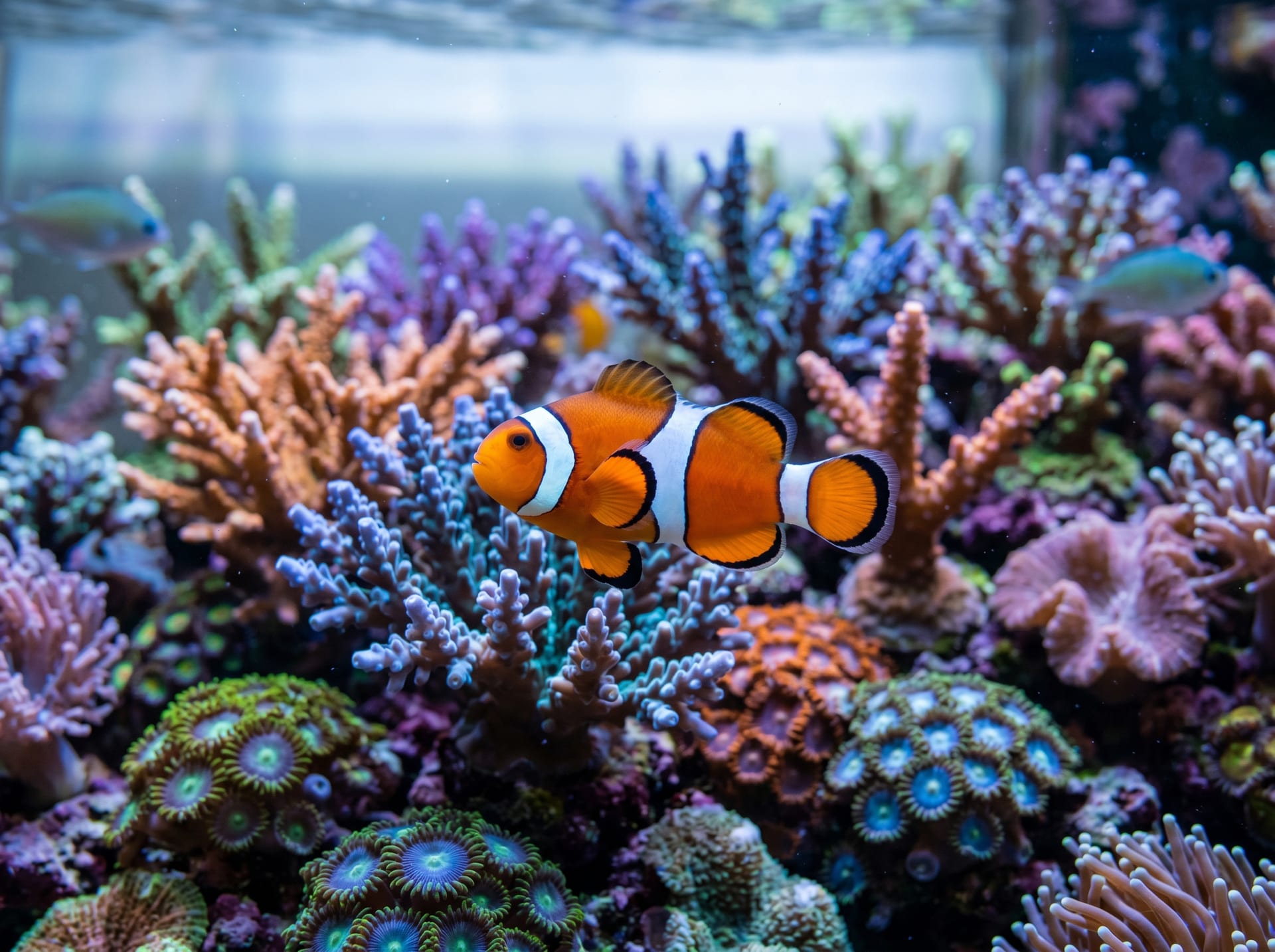
Clownfish
The iconic marine fish made famous by film. Lives in symbiosis with anemones, hiding among tentacles. Perennial beginner's choice in saltwater fishkeeping. Pair keeping enables breeding.
View Clownfish encyclopedia →0% commission on your first sales!Register by September 30, 2026 and your first 2 sales are commission-free!
Breeder Wanted!
List on BreederDirect and sell directly to customers nationwide!
BreederDirect's 6 Transparency Promises
Every Marine Fish & Coral listing shows Breeder's full disclosure. No wild-caught. Captive-bred priority, tank size guidance, temperament details—transparent aquaculture.
- Captive-bred
- WYSIWYG
- Reef-safe
- Care Info Included
- Origin Disclosed
- Temperament Listed
Browse all 42 breeds
Care Difficulty
Reef-safe
Temperament
No listings match your filters
Adjust your filters, or get notified when new listings arrive.
Getting alerts is free with a member account. When new listings match your saved search, we'll notify you by email and in-app.
Browse other categories
Verified breeders (preview)
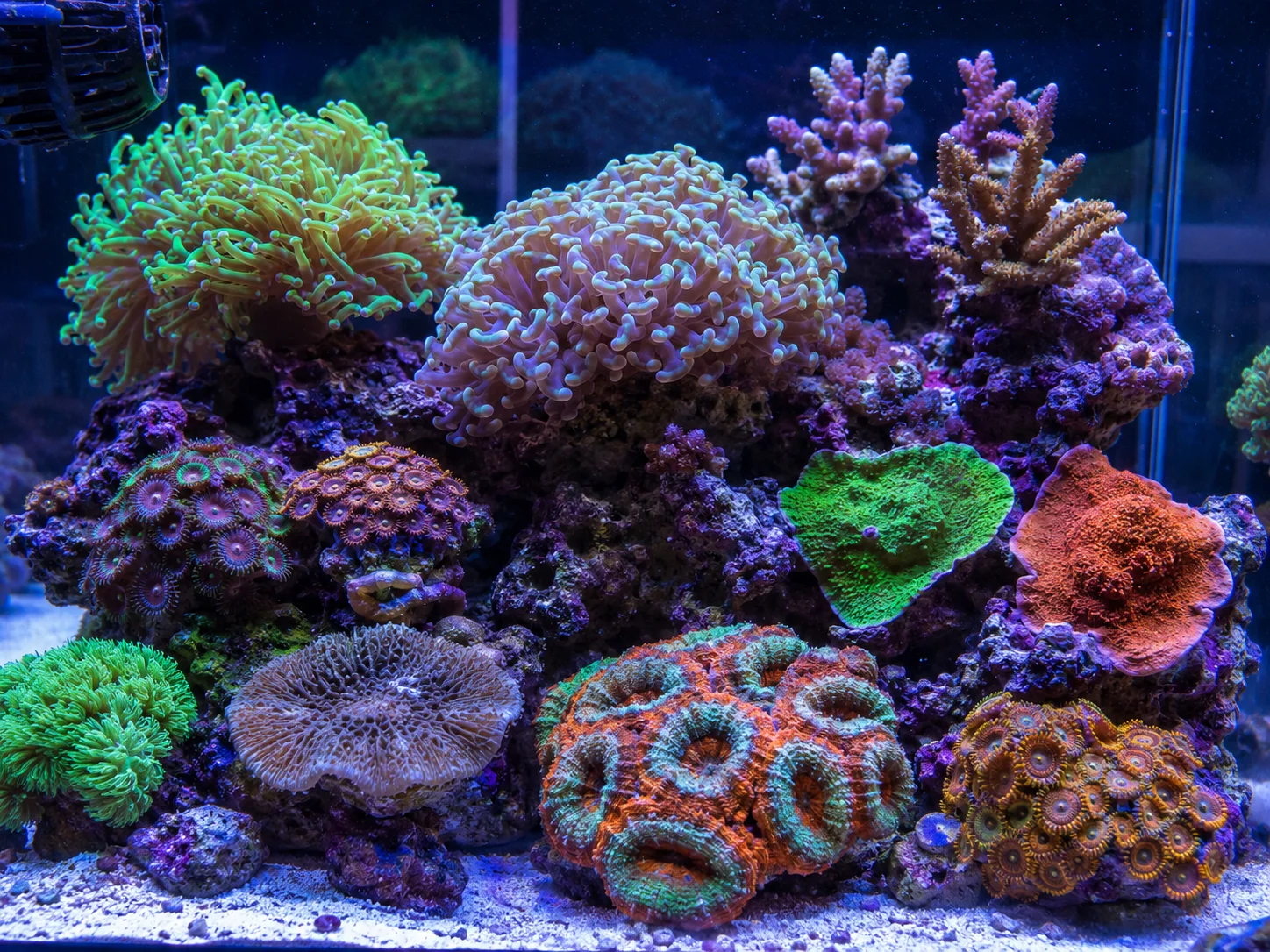
Are you raising marine fish & coral?
Register as a breeder and connect with buyers directly.
Apply as a breederClownfish key facts
- Care level
- Beginner-friendly
- Lifespan
- 6-10 years
- Size
- 8-11cm
- Temperature
- 24〜27℃
- Diet
- Omnivore (marine flakes, brine shrimp, frozen food)
- Tank Size
- 45cm+. 60cm+ recommended if keeping anemones
- Water
- SG 1.023-1.025, pH 8.0-8.4
- Tank Mates
- Territorial with conspecifics. Best as pairs or singles
- Notes
- Can be kept without anemone. Copper-based ich meds are incompatible
About Clownfish
Clownfish belong to the family Pomacentridae and are found across tropical and subtropical coral reefs throughout the Indian and Pacific Oceans. Around 30 species are known, with the ocellaris clownfish becoming a global icon following a beloved animated film in 2003. While the classic orange-and-white striped pattern is most recognizable, coloration varies considerably by species, ranging from black and red to yellow. Their most defining trait is a mutualistic relationship with sea anemones — clownfish possess a unique immunity to anemone toxins, allowing them to shelter within the tentacles for protection from predators. In the aquarium, they are curious and personable, often responding actively to their keeper's presence. They are sequential hermaphrodites, with the dominant individual in a group developing into a female — a fascinating reproductive biology that makes in-tank spawning a realistic goal. Relatively hardy by marine fish standards, clownfish reward careful husbandry with years of vibrant, engaging behavior.
Featured breeders for Clownfish
See all Clownfish breeders (1) →7 things to know before welcoming a Clownfish
1Saltwater Tank Required
Clownfish require a dedicated saltwater aquarium with a specific gravity of 1.020–1.025 and a stable temperature of 25–26°C. You'll need proper filtration and a protein skimmer from the start, so factor in equipment costs before purchasing your first fish.
2Anemones Are Optional
Clownfish thrive without a host anemone and can be kept successfully on their own. However, if you want to keep an anemone, be prepared for significantly higher demands: intense lighting and very stable, pristine water quality. Beginners are advised to start without one.
3Territorial by Nature
Clownfish can be aggressive toward tankmates, especially other clownfish or similar species. Research compatibility carefully before adding other fish to the same tank. When keeping a pair, introduce two small individuals simultaneously to minimize conflict.
4Sequential Hermaphrodites
All clownfish are born male; the dominant, largest individual in a group transitions to female. When keeping a pair, the larger fish will become the female and a breeding pair will naturally form. Understanding this biology helps you plan your tank setup more effectively.
5Sensitive to Water Quality
Like most marine fish, clownfish are sensitive to ammonia and nitrite spikes, which are leading causes of illness and death. Perform partial water changes one to two times per week and test water parameters regularly with a reliable test kit to catch problems early.
6Watch for White Spot Disease
Marine ich (white spot disease) is one of the most common ailments in saltwater fish, and clownfish are susceptible. Quarantining new arrivals in a separate tank before introduction is an effective preventive measure. Early detection significantly improves the chances of a full recovery.
7Higher Startup Costs
Setting up a marine aquarium involves higher upfront costs than freshwater—tank, filtration, salt mix, and testing equipment can easily total several hundred dollars. Ongoing expenses for salt mix and electricity also add up, so budget carefully for the long term. Clownfish themselves are relatively affordable compared to many other marine species.
Frequently asked questions about Clownfish
- Q.Can beginners keep clownfish?
- A.Clownfish are among the hardiest and most beginner-friendly marine fish available. However, all saltwater fishkeeping requires an understanding of water chemistry and equipment. We recommend researching how to cycle a marine tank before bringing one home.
- Q.Can clownfish thrive without an anemone?
- A.Yes, clownfish can live healthy lives without a host anemone in an aquarium. They will often adopt corals, live rock, or other sheltered spots as a substitute. The anemone relationship is a natural wild behavior, not a strict requirement for captive care.
- Q.How many clownfish can be kept together?
- A.One bonded pair (two fish) is the standard recommendation for most home aquariums. Keeping multiple clownfish together often leads to territorial disputes, with weaker individuals being bullied. Unless you have a very large tank, one pair is the safest approach.
- Q.How long do clownfish live?
- A.With proper care, clownfish can live for 10 to 15 years in captivity. They often outlive their wild counterparts, which face predators and environmental pressures. Consistent water quality and a balanced diet are the most important factors for a long, healthy life.
- Q.Are clownfish prone to disease?
- A.Clownfish are susceptible to marine ich (white spot disease). Quarantining new fish in a separate treatment tank for two to four weeks before adding them to the main display significantly reduces the risk of introducing pathogens. Avoiding sudden changes in water parameters and minimizing stress are the most effective preventive measures.
Useful tools for Clownfish care
Learn more about Clownfish in the encyclopedia
View Clownfish encyclopedia entry →
Care difficulty, lifespan, size and diet — all basics covered.
Clownfish related articles
Clownfish Pairing and Spawning Guide | Reproducing the Natural Breeding Cycle in Aquariums
Clownfish are relatively easy to breed in aquariums among marine fish. This guide covers the hermaphroditic sex-change mechanism, identifying pair formation, setting up spawning sites, post-hatching fry management, and combining with live rock and sea anemones—explained practically for breeders.
Observation Guide to Courtship and Spawning Behavior in Marine Fish | Environmental Setup and Behavioral Mechanisms for Promoting Tank Breeding
Explains the types and mechanisms of courtship and spawning behaviors displayed by marine fish in aquariums. Introduces observation points for breeding behaviors of representative species such as Ocellaris Clownfish, Gobies, and Fairy Basslets, and how to set up environmental conditions to promote breeding.
Complete Guide to Keeping Tomato Clownfish | Tank Size, Anemone Symbiosis, Breeding
A detailed guide to caring for Tomato Clownfish (Amphiprion frenatus). Covers differences from Ocellaris Clownfish, 60 cm tank setup, symbiosis with Bubble Tip Anemones, feeding, tank compatibility, and the process of spawning and breeding in the tank.
A Complete Guide to Keeping Ocellaris Clownfish | Tank Setup, Tank Mates, Breeding, and Disease Prevention
A comprehensive guide to keeping ocellaris clownfish, a beginner-friendly saltwater fish species. We cover essential equipment selection including protein skimmers, live rock, and specific gravity management, symbiosis with sea anemones, compatible tank mates, disease prevention strategies such as marine ich, and breeding methods in captivity.
Marine Fish Guide | Characteristics and Care of Popular Species
A curated guide to popular species in marine aquarium keeping, including Ocellaris Clownfish, Palette Surgeonfish, Yellow Tang, and Blue Damselfish. Detailed explanations of each species' characteristics, care difficulty, compatibility with tank mates, and recommended tank sizes.
What Is the Lifespan of Saltwater Fish? Lifespan Guidelines by Species Including Clownfish and Tips for Longevity
Clownfish live 10-15 years, blue tangs 15-20 years, trumpetfish 3-5 years. This article presents saltwater fish lifespans in a species-by-species list and explains water quality management, feeding, and how to avoid tankmate stress for longevity.
More in this category
Can't find the one you're looking for?
Post your wishes for free and breeders with matching animals will contact you with introductions.