How Long Do Marine Fish Live? Tips for Longevity by Species | ブリちょく
Marine Fish| ✍️ BreederDirect Editorial
How Long Do Marine Fish Live? Tips for Longevity by Species
Marine fish lifespans vary widely by species, ranging from 3 to 20+ years. This guide covers the average lifespans of popular species like clownfish, blue tangs, and jawfish, as well as essential tips for water quality management and feeding to maximize longevity.
Key Takeaways
Marine fish lifespans vary widely by species, ranging from 3 to 20+ years. This guide covers the average lifespans of popular species like clownfish, blue tangs, and jawfish, as well as essential tips for water quality management and feeding to maximize longevity.
Related Species
Marine Fish Lifespans Vary Greatly by Species
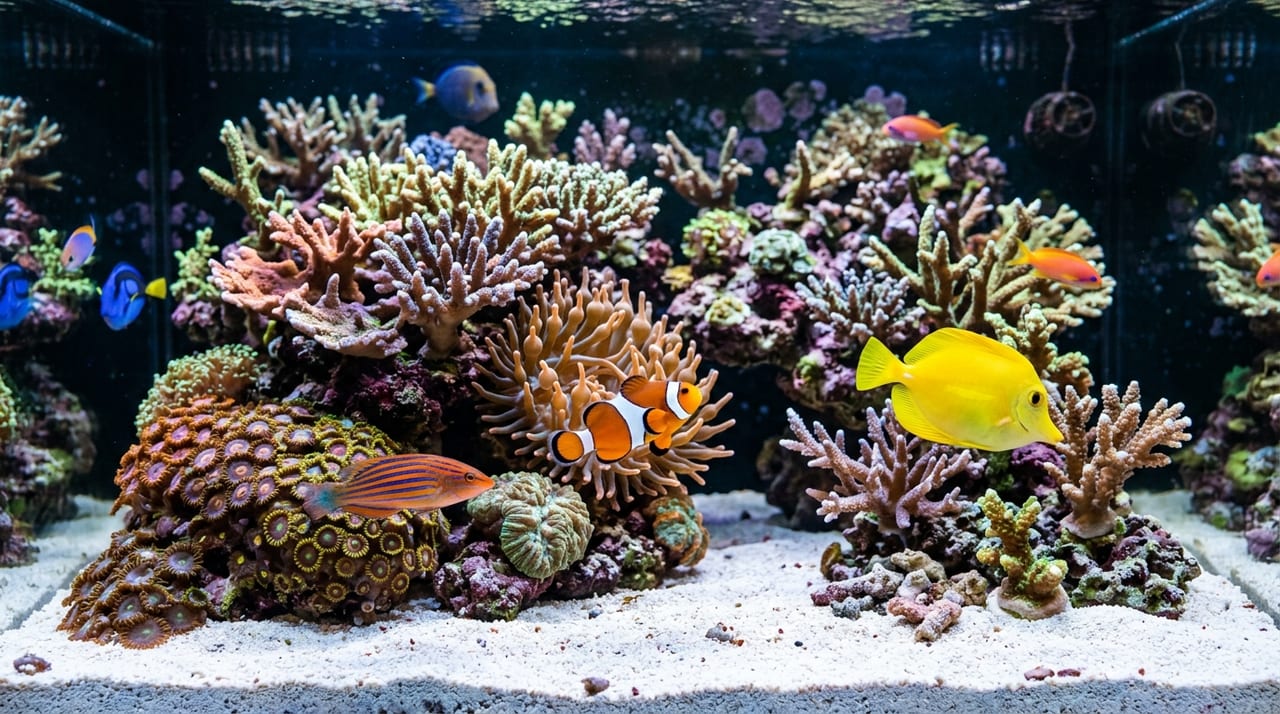
Marine fish are often thought to have short lifespans due to the perception that they are "difficult to keep." However, in reality, many species can live far longer than freshwater fish when provided with appropriate conditions and careful care. It is not uncommon for clownfish to live over 10 years or blue tangs to remain healthy for nearly 20 years.
To succeed at long-term aquaculture, it is essential to first understand "how long this particular species naturally lives." Once you have an understanding of the typical lifespan, setting up the appropriate tank size, water parameters, and feeding regimen for your species becomes the first step in raising healthy, long-lived fish. For detailed information on individual species, please also refer to Marine Fish Encyclopedia | Characteristics and Care Guide for Popular Species.
---
Average Lifespans of Popular Species
Lifespans vary significantly by species. Use the following as a reference when planning your aquaculture setup.
Lifespan Quick Reference Table
Species
Average Lifespan
Recommended Tank
Characteristics
Blue Tang
15–20 years
120cm+
Grows large; needs spacious swimming area
Yellow Tang
15–20 years
90cm+
✍️
BreederDirect Editorial
The BreederDirect editorial team specializes in care information for animals, covering veterinary care and breeding to deliver beginner-friendly guides.
Find Marine Fish on BreederDirect
Buy directly from verified breeders
Browse Related Listings
Find Marine Fish listings related to this article on BreederDirect. Buy directly from verified breeders.
Related Tools
Related Articles
Browse by Category
🪸Coral
🐠Marine Fish
🐟Tropical Fish
🐡Goldfish
🐟Medaka
🦎Reptiles
Share
Hardy and long-lived
Clownfish
10–15 years
45cm+
Beginner species; stable in pairs
Pufferfish (Spotted)
10–15 years
60cm+
Careful with tankmates
Flame Angelfish
7–10 years
60cm+
Small angelfish; relatively hardy
Mandarin Fish
5–10 years
60cm+
High dependence on live food
Royal Gramma
5–8 years
45cm+
Easy to care for
Jawfish (Yellowhead)
3–5 years
45cm+
Shy; hiding places essential
Damselfish (Dascyllus)
3–5 years
45cm+
Beautiful schooling; beginner species
※ Lifespan varies significantly depending on water stability, feeding, and tankmate compatibility.
Long-Lived Species (10+ years)
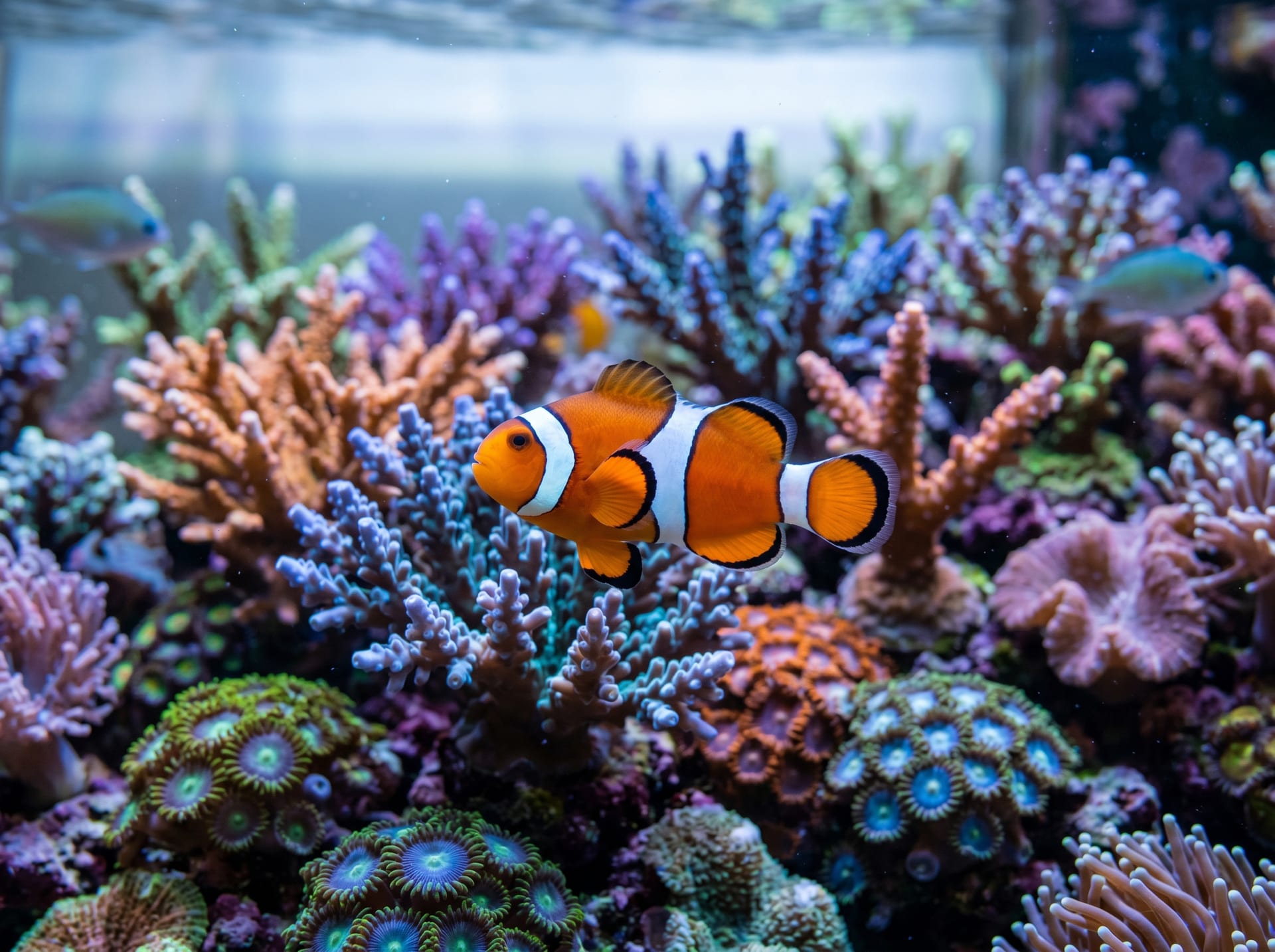
Clownfish: 10–15 years. Life is stable when housed in a symbiotic relationship with anemones, and lifespans tend to extend when kept as pairs.
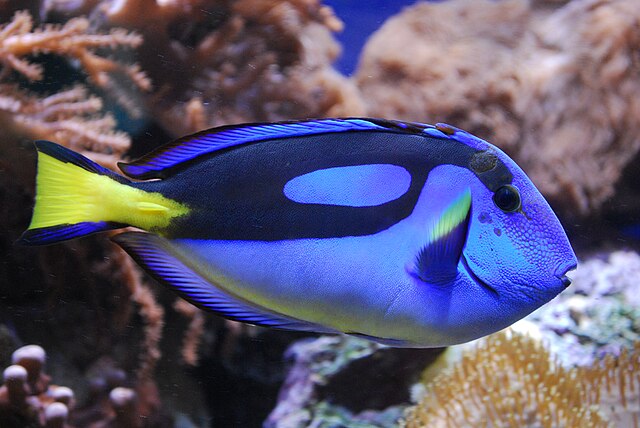
Blue Tang: 15–20 years. A popular species made famous by movies, but adults can exceed 30cm in length and require 120cm+ tanks.
Yellow Tang: 15–20 years. Hardy and long-lived, but stability improves with ample swimming space.
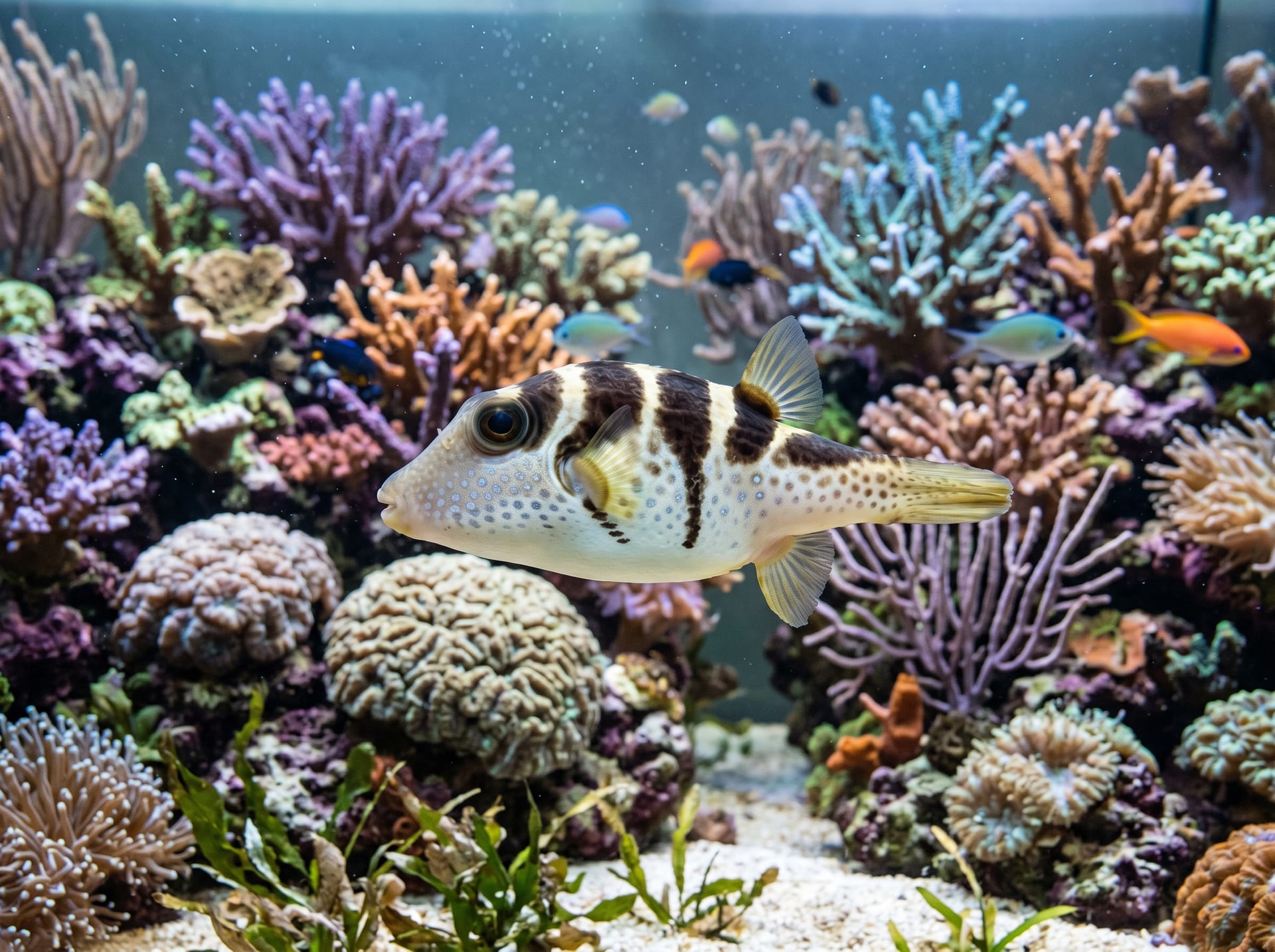
Spotted Pufferfish: 10–15 years. They eat snails and crustaceans, so careful selection of tankmates is necessary.
Medium Lifespan (5–10 years)
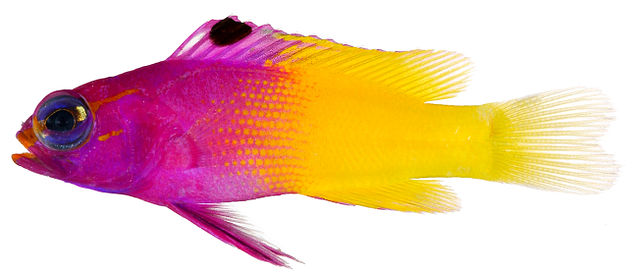
Royal Gramma: 5–8 years. Beautifully colored with striking purple and yellow contrast, and relatively easy to care for.
Mandarin Fish: 5–10 years. Sometimes called the most beautiful tropical fish in the world, but they depend heavily on live copepods and similar live food, requiring thoughtful feeding strategies.
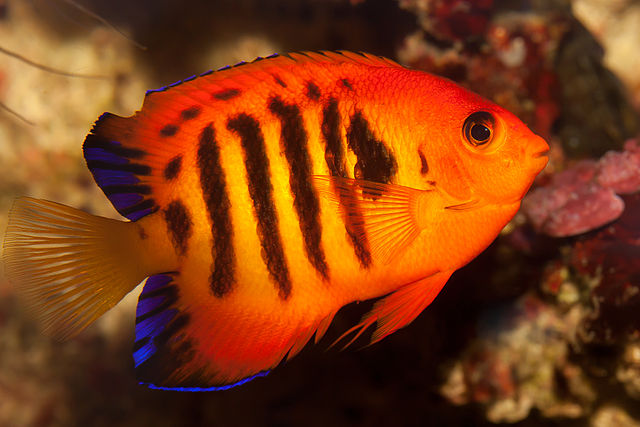
Flame Angelfish: 7–10 years. Relatively hardy among small angelfish and popular even with experienced aquarists.
Shorter Lifespan (3–5 years)
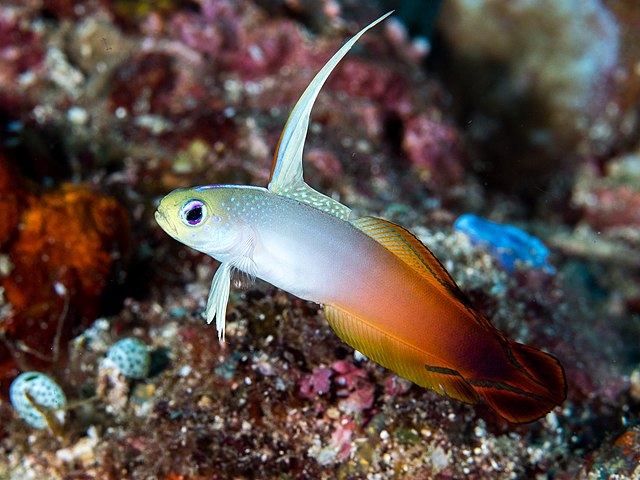
Jawfish (Yellowhead): 3–5 years. Shy temperament means that the availability of hiding places and selection of calm tankmates significantly impact longevity.
Damselfish (Dascyllus): 3–5 years. Popular as a beginner species due to beautiful schooling behavior, but can become aggressive toward other fish.
---
Water Quality Management for Longevity
In marine fish keeping, stable water parameters are the most critical factor directly affecting lifespan. Always pay close attention to the following parameters. For detailed tank setup instructions, please also see Marine Fish Tank Setup Guide.
Maintaining Basic Parameters
Specific Gravity (Salinity): Maintain stable levels of 1.023–1.025. Sudden fluctuations cause stress and osmoregulatory problems.
pH: Aim for 8.1–8.3. Since pH tends to drop, regular monitoring is necessary.
Ammonia and Nitrite: Always aim for zero. If detected, perform an immediate water change and identify the cause.
Water Changes and Filtration Habits
The standard practice is a 10–15% water change once per week. Using the same artificial seawater mix each time helps maintain stable salinity. Additionally, live rock, which supports biological filtration, is extremely important as a habitat for beneficial bacteria and should be added at approximately 10–15% of tank volume.
---
Feeding and Stress Management for Longevity
Balanced Nutrition
Supplement artificial pellets with regular feedings of frozen brine shrimp or frozen copepods.
For herbivorous tangs, dried seaweed and marine plant foods help ensure nutritional balance.
Ideally, feed 2–3 times daily in small portions that will be consumed in 2–3 minutes. Uneaten food degrades water quality.
Creating a Stress-Free Environment
"Stress" in fish shortens their lifespan by suppressing immune function.
Provide Hiding Places: Create sufficient shelter with live rock or artificial stone structures where fish can feel secure.
Check Tankmate Compatibility: Aggressive species (certain damselfish, wrasses, etc.) require careful matching with same or related species. Research combinations before introducing fish.
Tank Placement: Position the tank in a quiet, stable location away from vibration, noise, and direct sunlight to minimize fish stress.
---
Early Disease Detection and Prevention
The most common disease in marine fish is "ich" (Cryptocaryon irritans). White spots appear on the body surface, and if left untreated, can result in total loss. For detailed prevention and treatment strategies, see Marine Fish Disease Prevention and Treatment. For a comprehensive summary of common diseases and prevention, also refer to Common Diseases in Marine Fish and Prevention Guide.
Quarantine for New Fish
Rather than introducing purchased fish directly into the main tank, set up a separate quarantine tank and observe them for 1–2 weeks.
Freshwater dips or low specific gravity treatments significantly reduce the risk of introducing parasites.
Daily Health Checks
During daily feeding, observe appetite, swimming behavior, and body color for any changes.
Rapid breathing, resting at the bottom, and rubbing against substrate or rocks are early signs of disease. Early detection and treatment can save your fish.
---
Creating an Environment for Longevity
To maximize a marine fish's lifespan, stable water conditions and appropriate feeding are essential. Maintain water temperature at 24–26°C with daily fluctuations under 1°C. Manage specific gravity at 1.023–1.025, and consider installing an ATO (automatic top-off system) to prevent concentration increases from evaporation. For nutrition, rotate multiple types of food (flakes, pellets, frozen foods, seaweed) rather than relying on a single diet to ensure comprehensive nutrient intake. A stress-free environment (adequate hiding places, avoiding overstocking, excluding aggressive tankmates) is equally critical for longevity.
Successful long-term care requires consistent maintenance habits. Establish a routine: weekly water quality testing and 10–15% water changes, monthly filter cleaning and glass algae scraping, and annual heater replacement and pump inspection. Keeping records of water parameters enables early problem detection and correction. We recommend using spreadsheets or aquarium management apps to track long-term water parameter trends.
---
## How Long Do Clownfish Live? Tips for Extended Lifespan
Among marine fish lifespans, clownfish is the most frequently searched species. Famous from the movies as a beginner fish, they are actually remarkably long-lived.
Clownfish average lifespan is 10–15 years. In captivity, it's not uncommon for individuals to exceed 10 years, and under ideal conditions, they've been recorded living nearly 20 years. This rivals or exceeds the lifespan of freshwater goldfish and killifish.
Three keys to longevity are:
Keep them in pairs: Solitary clownfish have shorter lifespans; compatible pairs tend to settle and live longer.
Stabilize water quality: Maintaining specific gravity 1.023–1.025, temperature 24–26°C, and zero ammonia/nitrite is foundational for longevity.
Select non-aggressive tank mates: Housed with assertive chromis species, chronic stress shortens lifespan.
Host anemones are not required, but symbiosis promotes clownfish confidence and coloration. However, maintaining anemones themselves is challenging, so beginners should first stabilize fish-only conditions.
Long-Living and Short-Lived Marine Fish Rankings
For those wanting the longest possible relationships with their fish, here's a lifespan ranking of popular species.
Lifespan Category
Representative Species
Average Lifespan
Ultra-long (15+ years)
Blue tang, Yellow tang
15–20 years
Long (10–15 years)
Clownfish, Toby pufferfish
10–15 years
Moderate (5–10 years)
Flame angelfish, Mandarin fish, Royal dottyback
5–10 years
Short-lived (3–5 years)
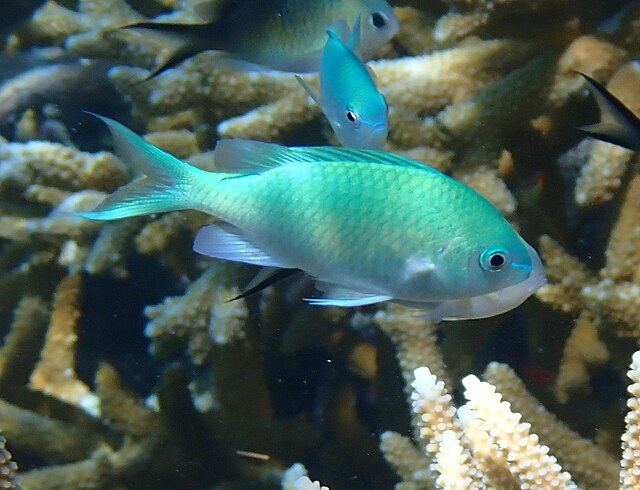
Convict blenny, Blue-green chromis
3–5 years
Important to note: longer-lived species require larger aquariums. Blue tangs exceed 30cm and need 120cm+ tanks. Keeping a 20-year fish in a 45cm tank is impossible, so lifespan and required tank size must be considered together.
Frequently Asked Questions
How long do clownfish live?
Average 10–15 years. With good husbandry, they can exceed 15 years—rivaling goldfish lifespan.
Which marine fish species lives the longest?
Chromis species like blue tangs and yellow tangs, living 15–20 years. However, they grow large and require spacious swimming areas, necessitating 90–120cm+ tanks as a baseline.
What's the primary cause of early death in marine fish?
Most often rapid water quality shifts and tank-mate stress. Sudden salinity or temperature changes, overlooked white spot disease, and aggressive roommates all shorten lifespan. Stable water quality and careful tank-mate selection are the greatest longevity factors.
Get Healthy Marine Fish at br-choku
The first step in keeping marine fish long-lived is to acquire healthy specimens. Fish from retail channels often experience transport stress and medication treatment, making their condition difficult to assess.
At br-choku, you can purchase directly from marine fish specialists. Fish bred by professionals are already well-adapted to artificial seawater environments and acclimate smoothly to new tanks. Additionally, you can consult with the breeder about your tank setup and tankmate choices before purchase, giving even beginners confidence. Use Marine Fish Care Costs: Monthly Running Expenses Explained as a reference to plan your aquaculture setup.
With long-term, dedicated care in mind, selecting healthy specimens from a trusted breeder is the surest path to a lasting relationship with your marine fish.