Breeding Methods and Precautions for Marine Fish | Breeding Clownfish
Focusing on clownfish, which are relatively easy to breed among marine fish, this article explains everything from pairing to spawning and fry rearing. We also introduce tips for setting up a breeding tank and initial feeding for fry.
Key Takeaways
Focusing on clownfish, which are relatively easy to breed among marine fish, this article explains everything from pairing to spawning and fry rearing. We also introduce tips for setting up a breeding tank and initial feeding for fry.
Related Species
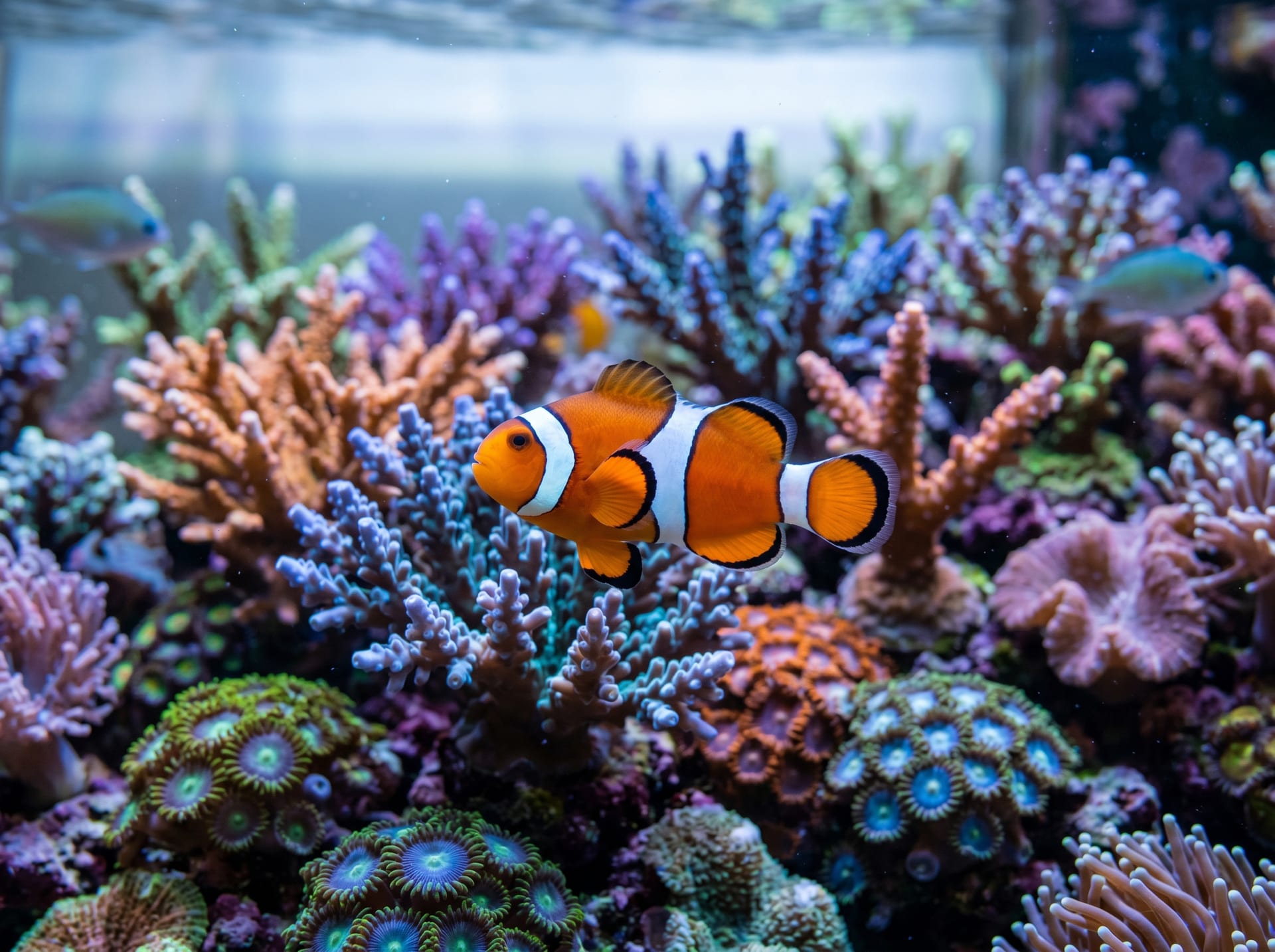
Breeding Marine Fish: A Beginner's Guide to Starting with Clownfish
Breeding marine fish is often perceived as "difficult." It's true that compared to freshwater fish, there are higher hurdles due to the complexity of water quality management and the difficulty of rearing fry. However, clownfish are exceptionally easy to breed among marine fish, and if you create the right environment, you can fully enjoy breeding them in your tank. This article will carefully explain clownfish breeding, from preparation to fry rearing.
Why Clownfish Are Ideal for Breeding
Clownfish are popular as one of the easiest marine fish species to breed. Let's organize the reasons why.
Pairs Form Naturally in the Tank Clownfish have the rare characteristic of being sequential hermaphrodites. All individuals are born male, and the largest individual in the group undergoes sex change to become female. If you place two clownfish in the same tank, the larger one will naturally become female, so you don't need to purchase a pre-formed pair.
High Spawning Frequency Once the pair is established, they will spawn every 2-3 weeks. They produce 100-500 eggs per spawn, allowing you to enjoy continuous breeding.
Fry Are Relatively Easy to Rear While most marine fish fry are extremely tiny, clownfish fry are relatively large at the initial stage, and the success rate of rearing increases if you can provide appropriate food.
Breeding Possible Without Anemone While clownfish live in symbiosis with anemones in nature, anemones are not essential for breeding in a tank. A flat rock or unglazed ceramic pot to serve as a spawning surface is sufficient.
Pairing and Spawning Preparation
How to Form a Pair
The basic way to form a pair is to place two clownfish of different sizes in the same tank. The larger one will become female, and the pair will naturally establish over several weeks to months. Signs that a pair has formed include the two fish constantly swimming together and spending time together near potential spawning sites.
If you purchase already-paired individuals, you can significantly shorten the time until breeding begins.
How to Prepare the Tank Environment
Creating an environment suitable for breeding is the key to success. Manage the following points with care.
- Water Quality: Maintain specific gravity between 1.024-1.025 and water temperature between 26-28°C stably
- pH: Maintain around 8.1-8.3
- Lighting: Maintain a regular 12-hour light/dark cycle daily
- Spawning Substrate: Place flat rocks, unglazed terracotta pots, or tiles on the tank floor
- Feeding: Feed high-protein foods such as frozen brine shrimp or mysis shrimp to enhance breeding condition
Keep the spawning substrate clean, and placing it slightly above the tank floor will make it easier for the female to spawn.
From Spawning to Hatching
Don't Miss the Signs of Spawning
As spawning approaches, the female's belly will swell, and the male will begin cleaning the spawning substrate with his mouth. When you see this behavior, spawning usually occurs within 1-2 days.
Spawning occurs during the day, with the male fertilizing the eggs immediately after the female deposits them on the spawning substrate. Freshly spawned eggs are orange-colored and change to silver-gray as they approach hatching. When you can see the shape of the eyes, it's a sign that hatching is imminent.
Egg Management
In most cases, the parent fish manage the eggs. The male constantly swims around the eggs and uses his fins to maintain fresh water circulation. The parents also remove any moldy eggs on their own.
- Days to Hatching: Approximately 6-10 days at 26-28°C water temperature
- Dealing with Mold: Remove any eggs that turn white early (suction with a syringe)
- Minimize External Disturbance: Avoid unnecessary disturbance to the tank during spawning and egg care
While there is a method of transferring eggs to a separate container, parental care often results in higher hatch rates, and beginners are recommended to let the parents handle it.
Fry Rearing
Collecting Fry After Hatching
Hatching occurs at night (2-4 hours after lights out). Fry are attracted to light, so if you dim the room and bring a flashlight close to the water, the fry will gather. Collect them with a syringe or small cup and transfer them to a prepared rearing tank.
Setting Up the Rearing Tank
- Capacity: A small tank of 10-20L is easy to manage
- Aeration: Use extremely gentle water flow (strong flow will exhaust the fry)
- Water: Using water from the parent tank reduces acclimation stress
- Lighting: For fry, approximately 16 hours of lighting per day promotes growth
Feeding Steps
It's important to feed fry in progressive stages.
- Just after hatching to 2 weeks: Feed rotifers several times a day. They must be cultured in advance.
- 2 weeks to 1 month: Switch to newly hatched brine shrimp nauplii.
- 1 month onward: Gradually transition by mixing in finely crushed artificial pellets.
A stable supply of rotifers is the most critical factor in fry rearing. Obtain a commercial rotifer culture kit in advance and prepare it to coincide with hatching.
Water Quality Management and Precautions
Fry are extremely sensitive to water quality changes. Perform small daily water changes of about 10-15% of the total water volume to prevent water quality deterioration. Once size differences begin to appear, sort by size to prevent cannibalism. To avoid inbreeding, be careful with genetic management if breeding offspring from the same pair.
Conclusion | Breeding Success Comes from Preparation and Observation
Breeding clownfish is one of the most rewarding experiences in marine fish keeping. While it requires effort from pairing to rotifer culture to fry rearing, if you carefully follow each step, you will definitely succeed.
Here's a summary of the keys to success.
- Create an environment with stable water temperature, specific gravity, and lighting cycles
- Install a spawning substrate to create an environment where the pair can spawn easily
- Culture rotifers before hatching occurs
- Perform small daily water changes after hatching to maintain water quality
- Switch foods according to the fry's growth stage
Through BreederDirect, you can purchase clownfish directly from breeders with extensive breeding experience. You can also confirm pairs for breeding, check genetic information, and consult on care methods, so even those breeding for the first time can start with confidence. Starting with healthy parent fish is the best path to breeding success.
When attempting to breed, don't rush pair formation—take plenty of time to allow the relationship between the fish to stabilize.