Introduction to Saltwater Fish Pair Breeding | Preparing Clownfish, Gobies, and Basslets for Breeding
Guide to saltwater fish breeding fundamentals. Covers pair formation, spawning environment setup, and juvenile rearing preparation for beginner-friendly species like clownfish, gobies, and basslets.
Key Takeaways
Guide to saltwater fish breeding fundamentals. Covers pair formation, spawning environment setup, and juvenile rearing preparation for beginner-friendly species like clownfish, gobies, and basslets.
Related Species
Fundamentals of Marine Fish Breeding
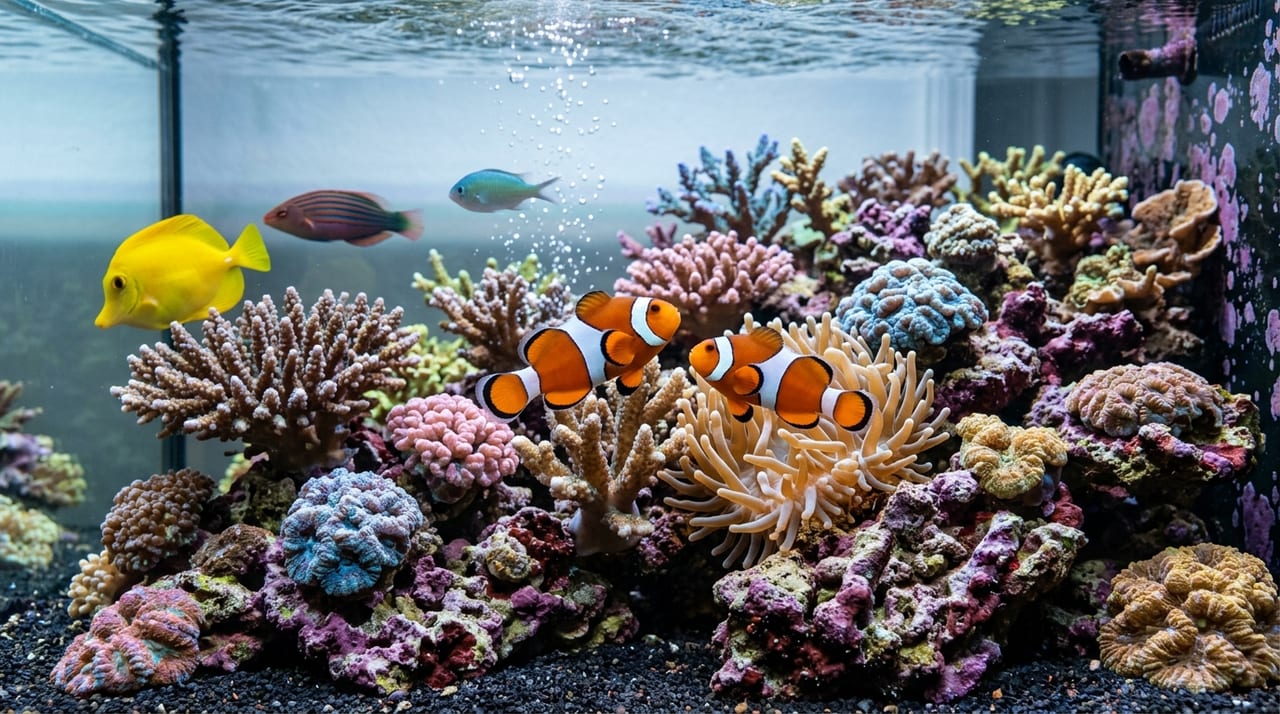
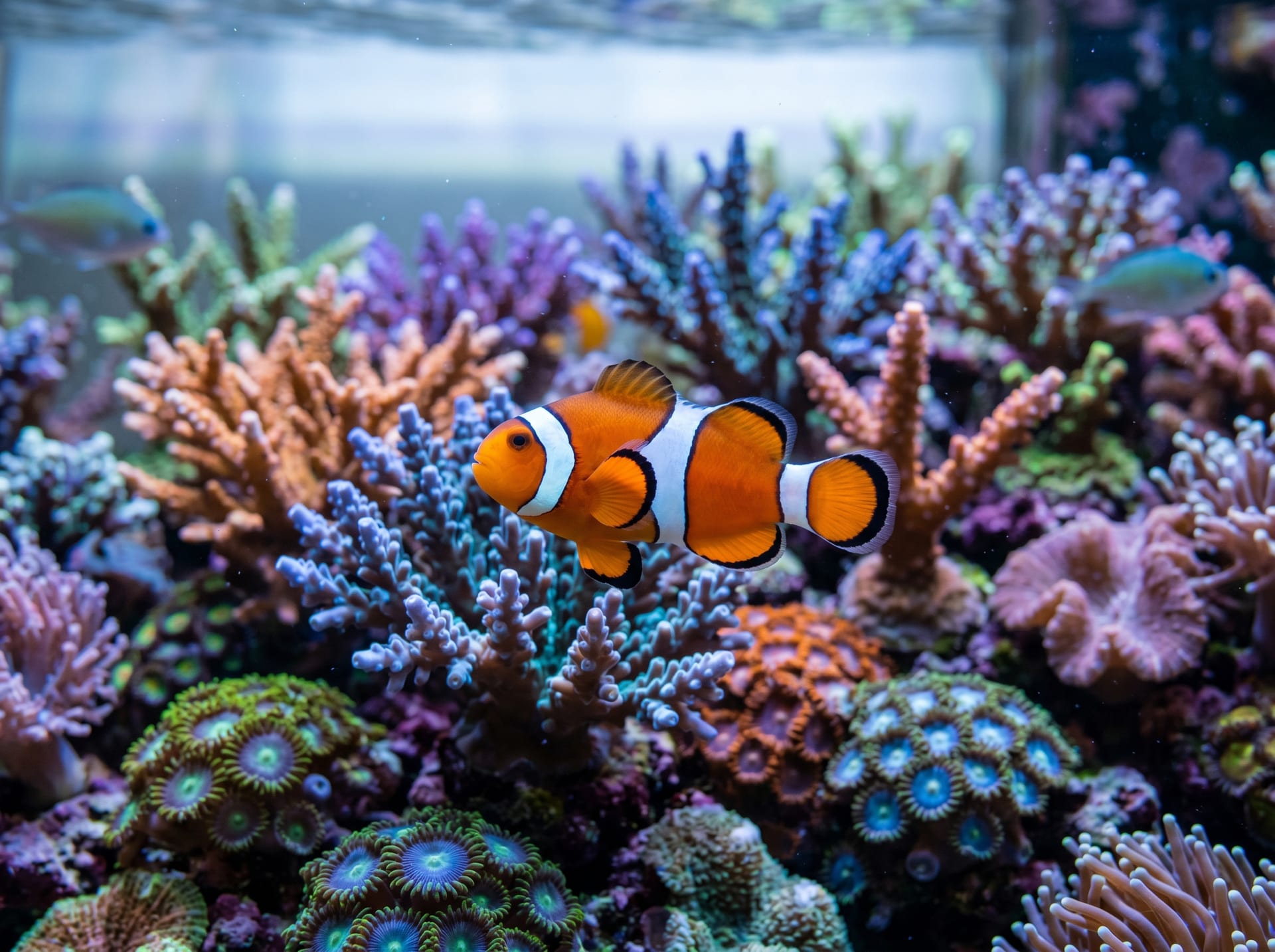
Marine fish breeding is considered more difficult than freshwater fish breeding, but in recent years, with improved equipment and information availability, more aquarists are successfully breeding fish in home aquariums. Clownfish (Ocellaris clownfish / Amphiprion ocellaris) in particular are widely known as a beginner species for marine fish breeding, and with proper pairs and conditions, relatively stable breeding is possible.
To successfully breed marine fish, three steps must be accomplished in sequence: pair formation, preparation of spawning environment, and management of eggs and juveniles.
Clownfish Pair Formation and Characteristics
Many clownfish species, including Amphiprion ocellaris, employ a unique reproductive strategy called protandric hermaphroditism. Within a group, the largest individual becomes female, while the second-largest functions as the male. The most reliable way to form a pair in captivity is to introduce two young individuals simultaneously.
Terracotta pot bottoms, flat rocks, and ceramic tubes are commonly used as spawning sites. Spawning typically occurs in cycles every 2-3 weeks, with hatching occurring 6-8 days after spawning.
Pairing in Gobies
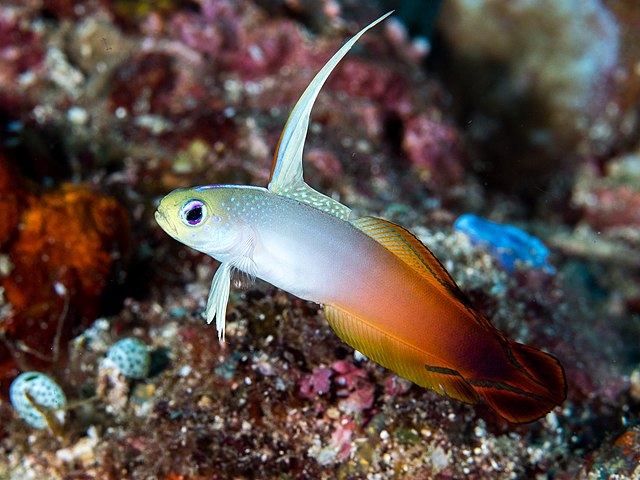
The firefish (Nemateleotris magnifica) lives in pairs by digging burrows, so they form stable pairs in environments with adequate substrate. Pistol shrimp-associated gobies such as yasha goby (Stonogobiops yasha) and tiger pistol goby (Amblyeleotris randalli) require tanks with sufficient floor area (90cm or larger) to form pairs. Fine sand (aragonite sand) of at least 5cm depth is necessary for burrowing.
Pair Formation in Basslets (Anthias Species)
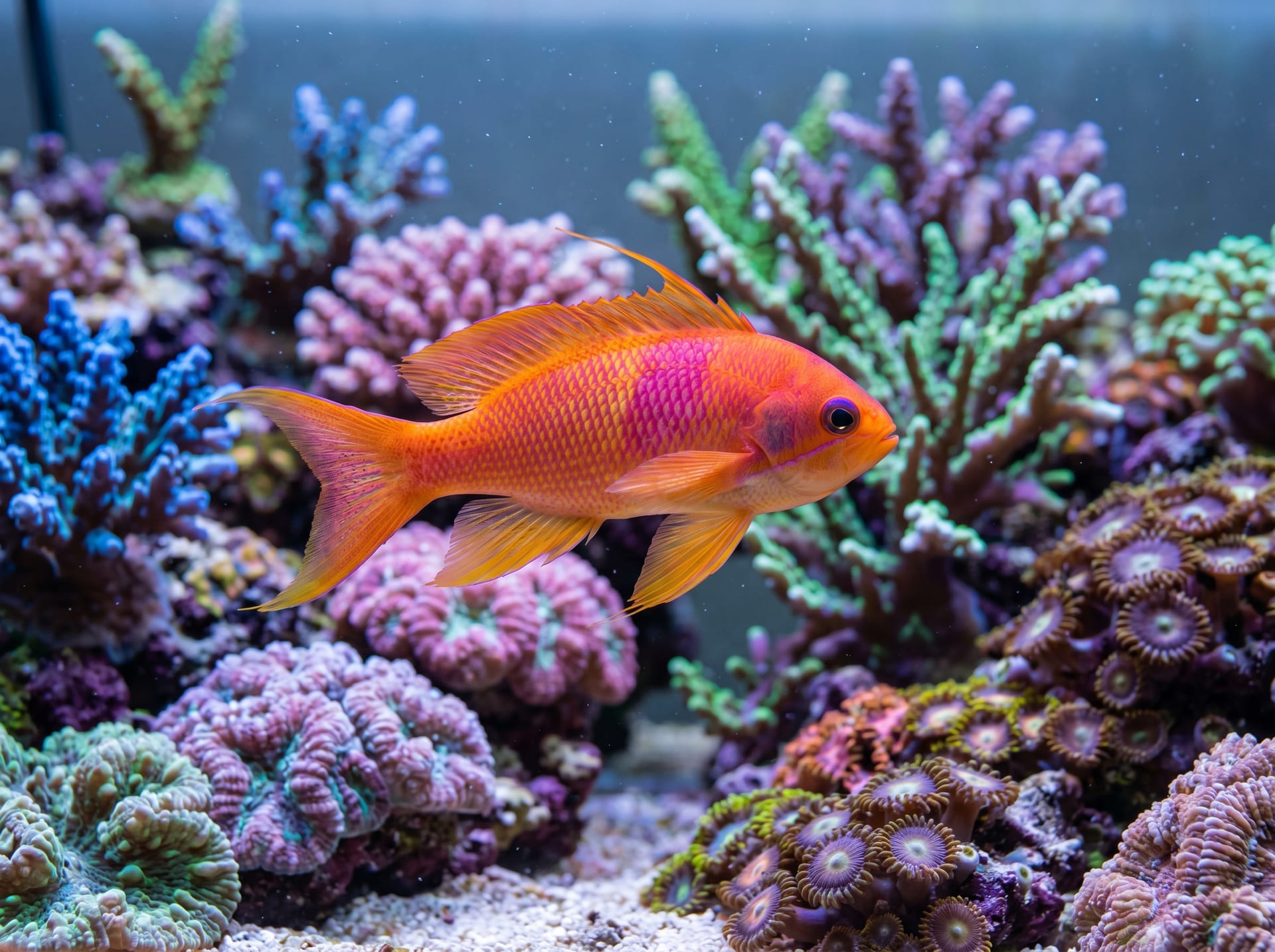
Basslets typically form harem-type groups, with one male overseeing multiple females. To aim for breeding, at least three or more individuals should be kept in the same tank, allowing pairs to form naturally.
Anthias species practice pelagic spawning. The eggs and juveniles require rotifers and small copepods, making advance preparation of cultivation equipment essential for success.
Equipment and Knowledge to Prepare Before Breeding
Prepare a small breeding tank (10-20L) to isolate eggs and juveniles from the parent fish after spawning. Aeration and heaters are essential, with minimal water flow during the juvenile stage.
Most marine fish juveniles require extremely small live foods (rotifers, copepods, and brine shrimp). If seriously pursuing breeding, being able to culture live foods yourself ensures a stable food supply.
For many marine fish, photoperiod and water temperature trigger reproduction. Research seasonal variations in the natural habitat of your fish species and reflect these conditions in the aquarium to increase breeding success rate.
Conclusion
Starting with clownfish is the easiest path to successful marine fish breeding. By conquering pair formation, spawning environment, and juvenile rearing one step at a time, gradually expand the species you can challenge. Unique rewards of marine fish breeding await you.