Breeding Guide for Saltwater Gobies: Pair Formation, Spawning, and Larvae Rearing
An explanation of goby breeding in saltwater tanks. This guide covers how to identify pairs, prepare spawning environments, manage eggs, feed pelagic larvae, and rear juveniles, detailing the characteristics of goby breeding that differ from clownfish breeding.
Key Takeaways
An explanation of goby breeding in saltwater tanks. This guide covers how to identify pairs, prepare spawning environments, manage eggs, feed pelagic larvae, and rear juveniles, detailing the characteristics of goby breeding that differ from clownfish breeding.
Related Species
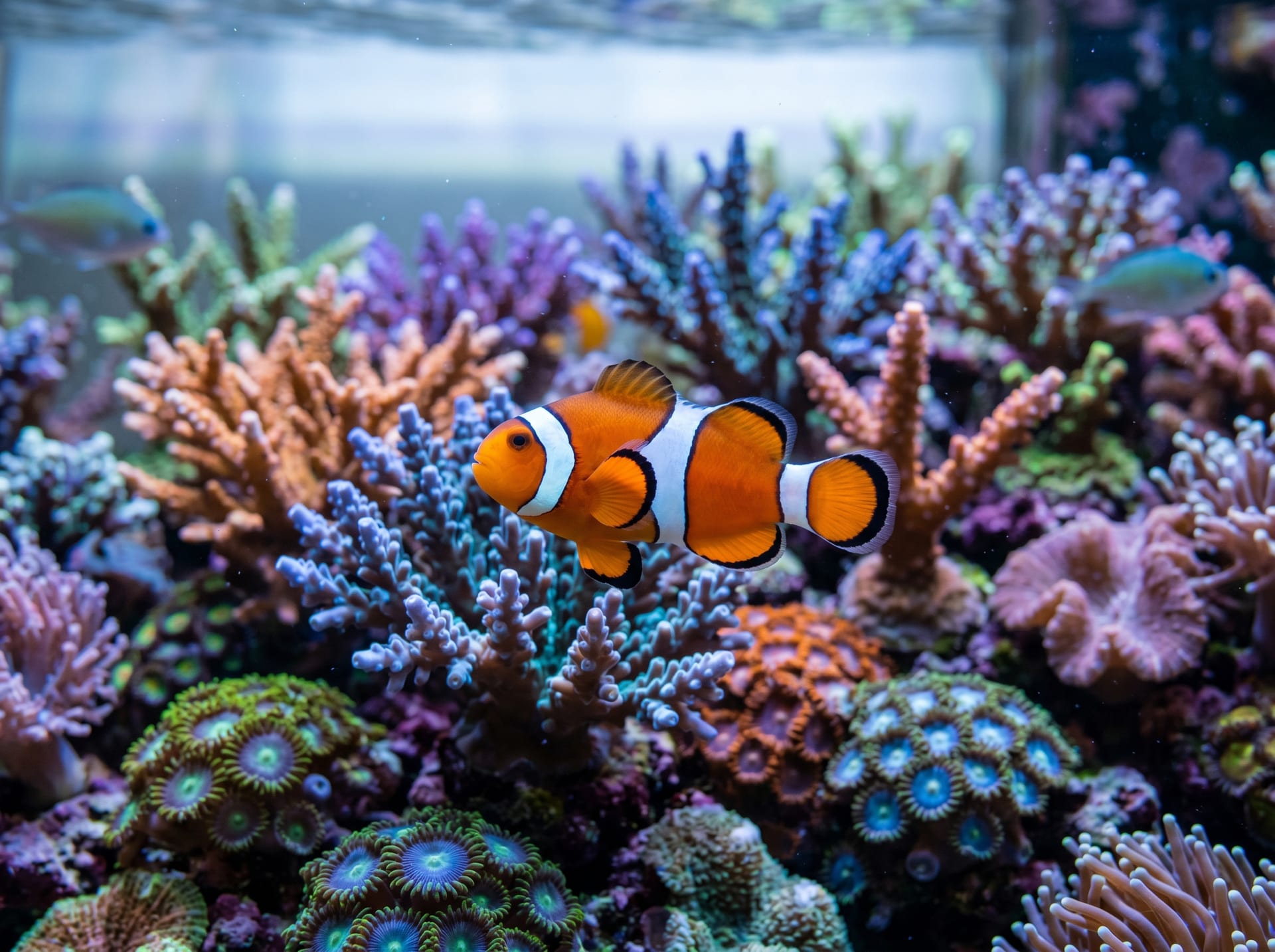
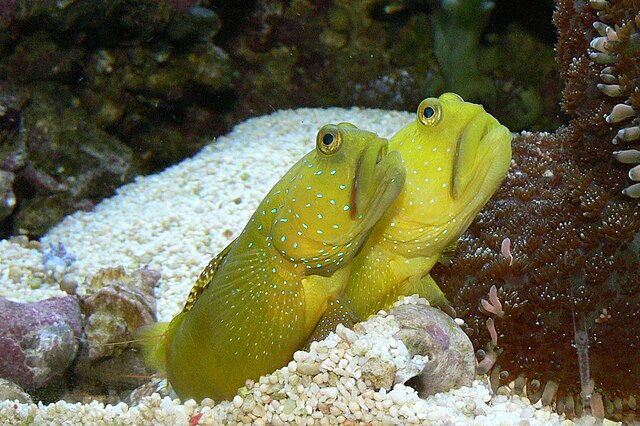
Among saltwater fish, many goby species are suitable for breeding attempts, and with proper environmental setup, spawning and larval rearing can be enjoyed in home aquariums. While clownfish breeding is widely known, goby breeding has less available information, but it is a field with its own unique appeal and challenges. This article details representative goby species capable of breeding and their breeding procedures.
Goby Species Suitable for Breeding
Multiple goby species have been recorded breeding in aquariums. Representative examples include the following:
- Orchid Dottyback
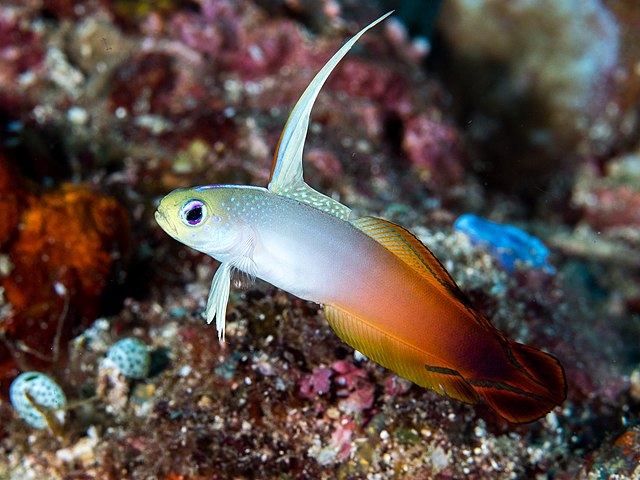
- Firefish (Fire Dartfish)
- Watchman Goby (Shrimp Goby family)
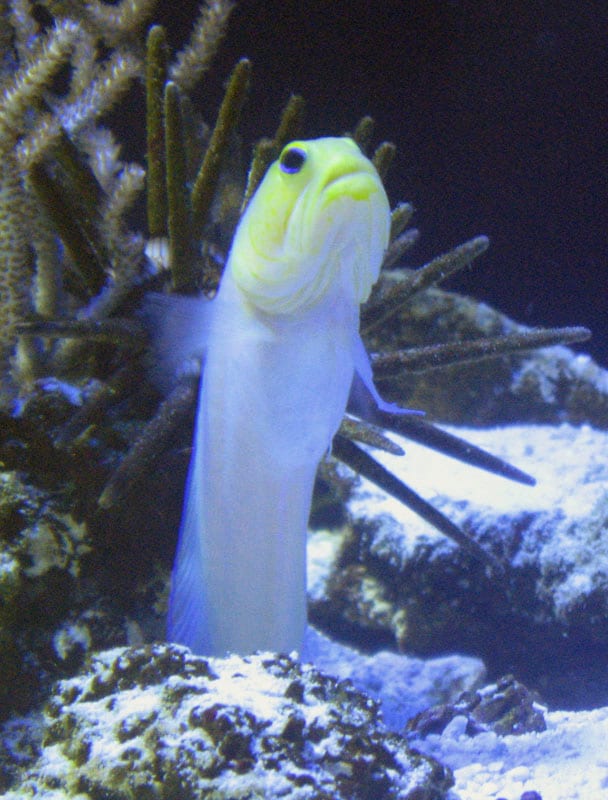
- Jawfish (closely related to Garden Eels)
Of these, Jawfish and Watchman Goby species are the ones most frequently attempted for breeding, and they spawn regularly under proper environmental conditions. Additionally, Orchid Dottybacks are known to have successful breeding records in aquariums.
However, a common challenge across all gobies is the difficulty of feeding larvae. Saltwater fish larvae require microscopic live food, and commercial adult feeds cannot meet their dietary needs. This is a major challenge in saltwater fish breeding in general, and gobies are no exception.
Pair Formation and Identification
While males and females of most gobies are difficult to distinguish by appearance, it is important to understand the key observation points for pair formation aimed at breeding. In the case of Jawfish, mature males practicing buccal incubation (mouthbrooding) can be observed with their mouths appearing swollen as if containing something. Watchman Gobies are known to live in symbiosis with pistol shrimp, with breeding pairs (male and female) sharing the same burrow. If you can confirm that two individuals are sharing a burrow, that pair is typically considered to have good compatibility.
To promote pair formation in aquariums, the common approach is to artificially keep several individuals together in a large enclosure and allow pairs to form naturally. Purchasing already-paired individuals from commercial breeders with breeding experience is also an efficient method.
Preparing the Spawning Environment
Structures that serve as burrows or hiding places are essential for gobies to spawn. Jawfish require holes in the sand substrate (burrows) and need a sufficient depth of substrate (10–15 cm or more). Watchman Gobies prefer dark areas such as under rocks or in PVC pipes. To encourage spawning, the following basic conditions are needed:
- Stable lighting cycle (12–14 hours of illumination)
- Stable water temperature (25–27°C)
- Adequate feeding (well-nourished individuals are more likely to spawn)
Some goby species are said to spawn in synchronization with lunar cycles rather than randomly. Observation with awareness of lunar cycles can sometimes provide clues to successful breeding. The basis of creating a spawning environment is to recreate structures in the tank that are as close as possible to natural habitats, including sand in quantities that can cover the burrow entrance and rocky crevices.
Egg Management Methods
Once spawning is confirmed, it is necessary to determine how to manage the eggs. Jawfish do not require egg removal because males incubate eggs in their mouths (if eggs are removed during buccal incubation, the parent's protective behavior will cease, so it is best left to the parents). Watchman Gobies deposit eggs on rocks or substrate, and males can be observed protecting them by fanning.
While the eggs are being protected, it is advisable to move the spawning pair to an isolation tank (breeding tank) or set up barriers around the spawning area to prevent other fish from approaching the eggs. Eggs hatch approximately 3–7 days after spawning at 25–27°C (varies by species). Hatching typically occurs mostly at night.
Collection of Pelagic Larvae and Initial Feeding
Newly hatched larvae initially exist in a pelagic stage and exhibit phototaxis, swimming toward light. To collect larvae, the typical method is to shine light on one area of a darkened tank (such as a small LED light) and gently collect the gathered larvae using a fine mesh cup or dropper.
The greatest challenge with saltwater fish larvae is initial feeding. Newly hatched larvae are extremely small (approximately 0.5–2 mm) and cannot consume commercial artificial feeds. Culturing rotifers (wheel animals) is essential as the required food source. Rotifers are widely used as an initial food for larvae, and a home rotifer culture system must be established in advance. Since rotifers alone provide insufficient nutrition, it is important to enrich them with phytoplankton (such as Nannochloropsis) before feeding them to the larvae.
Juvenile Rearing and Growth Management
Juveniles that have survived the larval stage gradually change in form and transition to a benthic lifestyle (settlement metamorphosis). Once signs of settlement are observed, move them to an isolation tank with a thin layer of substrate and begin feeding copepods or small brine shrimp (newly hatched brine shrimp nauplii) appropriate for juvenile size. Gradually increase the size of food while working toward a gradual transition to commercial pellet feeds.
Juveniles are extremely sensitive to water quality changes and require frequent small water changes (approximately 5–10% daily) and high-level water quality management. As they grow, gradually transition to management comparable to adult tanks, and once they reach 2–3 cm in length, they can typically be kept under standard care. While saltwater fish breeding is highly challenging, the sense of accomplishment upon success is exceptional, and it is a meaningful endeavor that can also contribute to the conservation of rare species.