Seahorse Breeding Guide | Practical Steps for Pairing, Incubation, and Fry Rearing
A practical guide to successfully breeding seahorses in an aquarium. Comprehensive explanation covering sex determination, pairing, water quality management, male delivery (fry release from the brood pouch), initial fry feeding, and gas bubble disease prevention for breeders looking to take on this challenge.
Key Takeaways
A practical guide to successfully breeding seahorses in an aquarium. Comprehensive explanation covering sex determination, pairing, water quality management, male delivery (fry release from the brood pouch), initial fry feeding, and gas bubble disease prevention for breeders looking to take on this challenge.
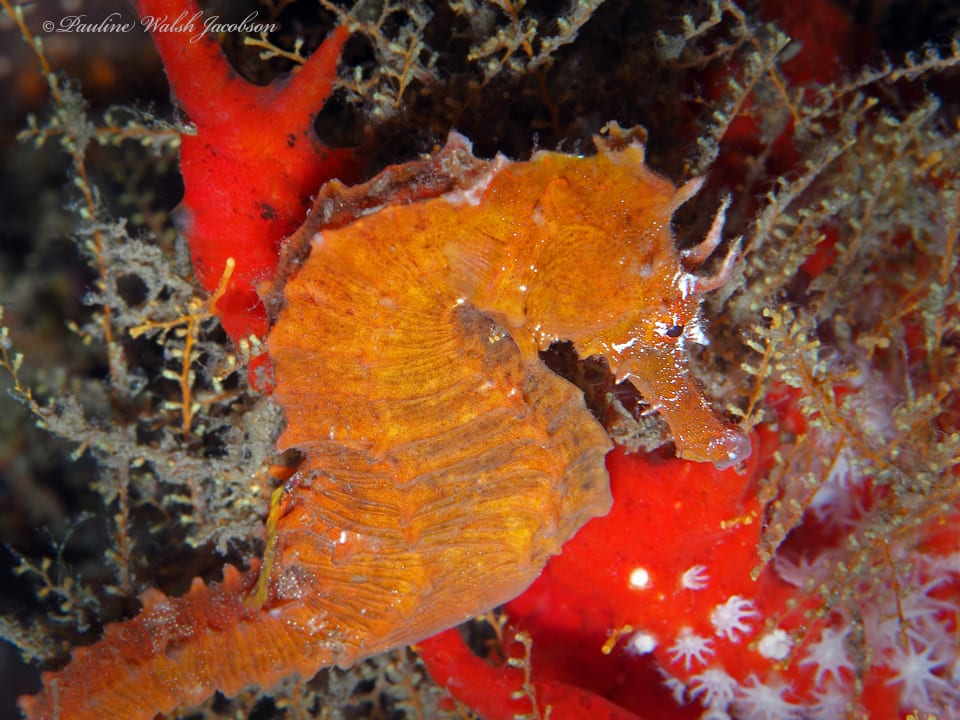
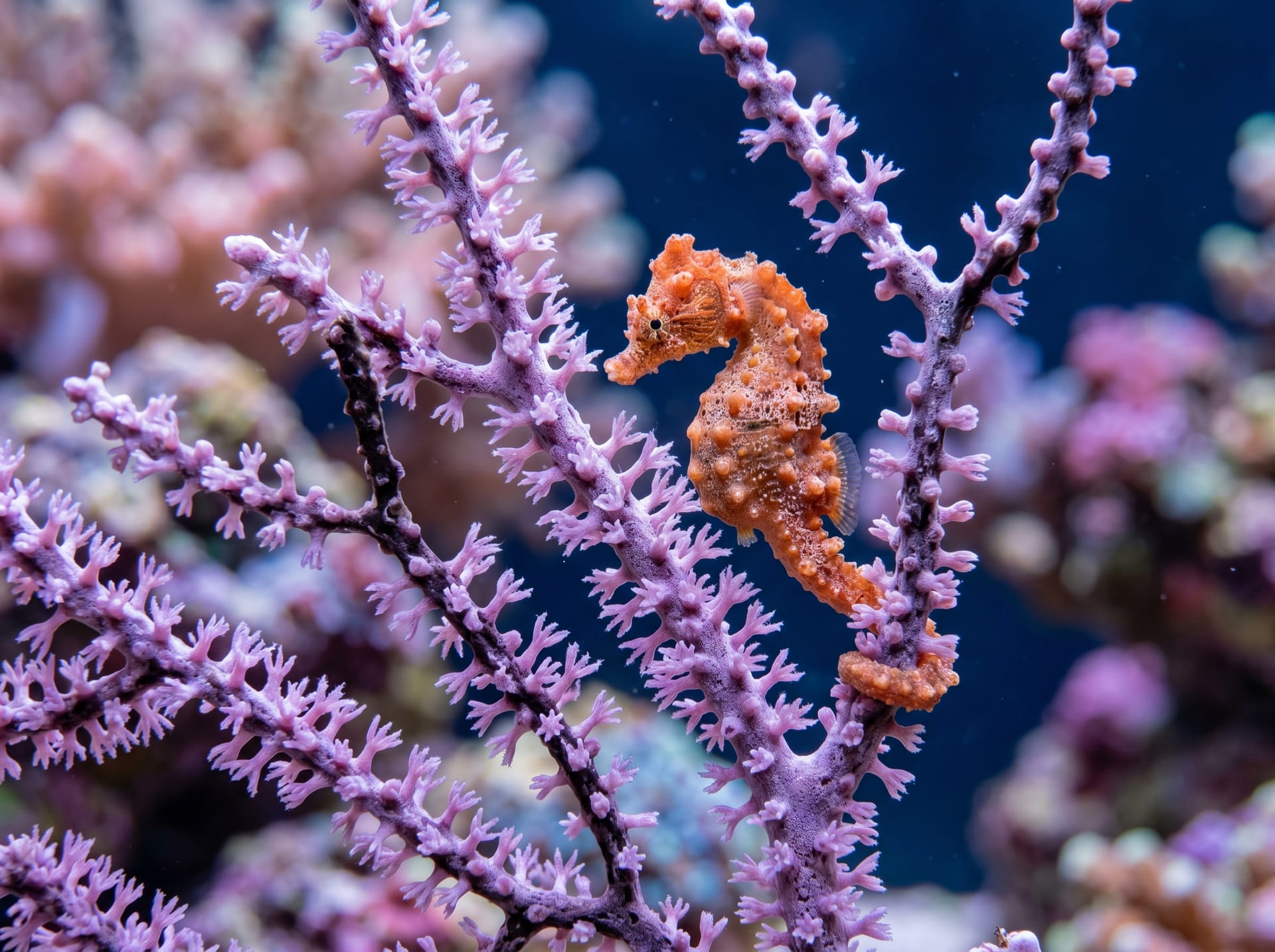
Seahorses (Hippocampus spp.) are known for their unique reproductive morphology among fish. They are famous as "pregnant males"—females lay eggs in the male's brood pouch, and the male incubates them until hatching. Due to this distinctive reproductive system, successfully breeding seahorses in an aquarium brings exceptional satisfaction. This article provides practical steps from pairing to fry rearing for breeders wishing to take on this challenge.
✍️
BreederDirect Editorial
The BreederDirect editorial team specializes in care information for animals, covering veterinary care and breeding to deliver beginner-friendly guides.
Find Marine Fish on BreederDirect
Buy directly from verified breeders
Browse Related Listings
Find Marine Fish listings related to this article on BreederDirect. Buy directly from verified breeders.
The seahorse reproductive system is unique because the male performs a role similar to the mammalian placenta.
Sex-based role division:
Female: Forms eggs and deposits them in the brood pouch
Male: Incubates and hatches eggs within the brood pouch, then delivers fry
Reproductive cycle:
Courtship dance (several hours to days)
Egg-laying and fertilization (seconds to minutes)
Male incubation (2–6 weeks depending on species)
Fry delivery (dozens to hundreds)
Major captive species and gestation periods:
Species
Common name
Gestation period
H. kuda
Yellow/Olive seahorse
~21 days
H. erectus
Lined seahorse
~20–28 days
H. reidi
Brazilian seahorse
~14–21 days
H. abdominalis
Big-bellied seahorse
~28–30 days
Pairing Tips
The first step in breeding is pair formation. Seahorses tend to bond with the same individual, but new pairs can also establish bonds with proper environment and time.
Determining sex:
Male: Has a brood pouch on the abdomen (vertical slit-like opening). Belly tends to be slightly distended.
Female: Flat abdomen with no brood pouch. Belly swells during spawning season.
Pairing procedure:
Keep the pair in separate tanks for 1–2 weeks and confirm they are in good health
Introduce them to the same tank (1 male with 1 female, or multiple females with 1 male is possible)
When courtship dancing begins (color pulsing, synchronized swimming-like movements), spawning is imminent
Tank Environment for Breeding
Seahorses are sensitive to water quality, especially during breeding when stable conditions are essential.
Tank size:
Pair housing: 60L or larger (tall tanks are ideal)
Fry rearing: Prepare a separate 10–20L dedicated tank
Water parameters:
Parameter
Target range
Temperature
22–26°C (species-dependent)
Salinity
1.025–1.026
pH
8.1–8.3
Ammonia/nitrite
Zero
Nitrate
10 mg/L or below (recommended)
Tank equipment:
Holdfasts (grip objects): Artificial coral, aquatic plants, PVC pipe, or similar. Provide multiple areas for the tail to grip
Water current: Weak flow (seahorses dislike strong currents). Sponge filters or bio-balls are ideal
Lighting: ~12 hours. Stabilizes the reproductive cycle
Filter selection tips:
It is critical that fry are not sucked into the filter. Sponge filters have no intake risk and can be used for fry rearing. For external filters, always attach a sponge cover to the intake.
Feeding and Nutrition Management
Nutritional status before and after breeding determines success. The male especially consumes large amounts of energy during incubation, so providing high-quality food in sufficient quantities is critical.
Adult foods:
Live food: Live brine shrimp (highly recommended), live daphnia, live amphipods
Frozen food: Frozen brine shrimp (convenient as a staple), frozen mysis shrimp
Prepared pellets: Seahorse-specific pellets (time-consuming to acclimate to, but excellent nutritional balance)
Feeding frequency: 2–3 times daily. Seahorses have short digestive tracts and digest quickly, so small frequent meals are essential.
HUFA and vitamin enrichment:
Enriching frozen brine shrimp with HUFA (highly unsaturated fatty acids) or vitamin C via "gut-loading" increases breeding success rates.
Delivery (Fry Release)
The moment fry are released from the male's brood pouch is the highlight of seahorse keeping.
Signs of delivery:
The male's abdomen becomes distended with visible wave-like contractions in the pouch
The male repeatedly swims up and down the tank
Over several hours to an entire night, dozens to hundreds of fry are delivered
Immediate post-delivery care:
Quickly isolate fry using a pipette or container (parents may eat them)
Transfer to a dedicated fry tank (10–20L with sponge filter)
Fry Rearing
Fry rearing is the most challenging phase. Most failures result from insufficient feeding, water quality degradation, or infection.
Initial feeding (newborn to 2 weeks):
Newly hatched brine shrimp nauplii are most critical
Feed 5–6 times daily
Target the amount each fry can consume in one hour (aim for small frequent meals)
Gradual food transition (2 weeks onward):
Progress to frozen brine shrimp
Finely chop mysis shrimp before feeding
Aim for transition to adult-sized food within 1–2 months
Fry tank water quality management:
Perform 10–20% water changes daily to remove uneaten food and waste
Maintain zero ammonia and nitrite
Keep water current as minimal as possible
Common failures and solutions:
Gas bubble disease (bubble eye): Fry float at the surface and cannot sink. Often caused by excessive aeration. Reduce air flow.
Starvation from insufficient feeding: Do not skip the 5–6 daily feedings
Water quality degradation: Never skip daily water changes
Purchasing Fry and Adults from Breeders
Through breeder direct-sales platforms like BreederDirect, you may be able to purchase captive-bred seahorses. A major advantage is that CB (captive-bred) individuals adapt to new environments more quickly and transition to prepared foods more readily than WC (wild-caught) individuals.
Points to confirm:
Whether the seahorse is CB (captive-bred) or WC (wild-caught)
The type of food they are being fed (directly affects transition ease)
Shipping method and temperature management during transit
Summary
While seahorse breeding in an aquarium is challenging, it is achievable in a typical saltwater setup if you maintain proper pairing, stable water conditions, and adequate feeding. The greatest challenge is initial fry feeding, but establishing a system to hatch live brine shrimp daily significantly improves success rates. Observing the unique reproductive behavior of a "pregnant and birthing" male seahorse in your own tank is one of the true joys of saltwater aquarium keeping.