Seahorse Breeding Guide | Complete Process of Pairing, Brood Pouch Management, and Fry Rearing
Complete guide to breeding seahorses in aquariums—the only vertebrate where the male becomes pregnant and gives birth. This guide covers sex determination, pairing procedures, courtship dance observation, care of pregnant males, fry tank setup, and detailed feeding schedules using rotifers and mysid shrimp.
Key Takeaways
Complete guide to breeding seahorses in aquariums—the only vertebrate where the male becomes pregnant and gives birth. This guide covers sex determination, pairing procedures, courtship dance observation, care of pregnant males, fry tank setup, and detailed feeding schedules using rotifers and mysid shrimp.
Related Species
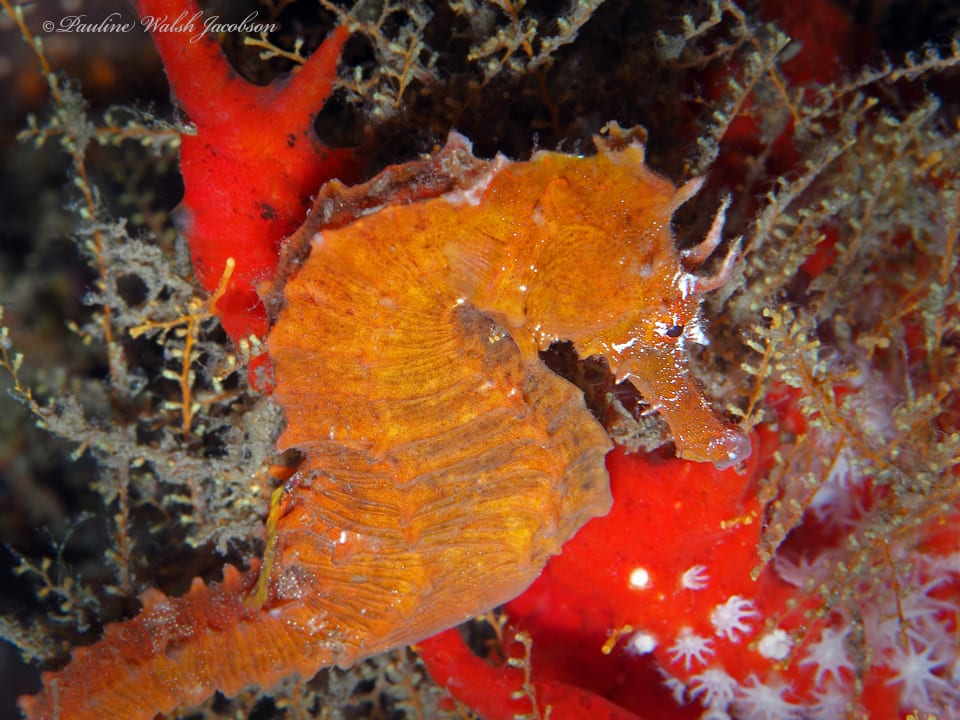
Seahorses are known as the only vertebrate where the male becomes "pregnant," raising fry in his brood pouch. This mysterious reproductive ecology can be replicated in aquariums, and with proper environmental conditions and pair management, breeding is achievable in home tanks. This article covers pairing methods, observing courtship behavior, managing the brood pouch and birth, and practical procedures for fry rearing.
Understanding Seahorse Reproductive Ecology
Why Males "Become Pregnant"
The female seahorse produces eggs in her ovaries and transfers them to the male's brood pouch after courtship. The interior of the male's brood pouch is lined with highly vascularized tissue that supplies oxygen and nutrients in a placenta-like manner while nurturing fry for 2–6 weeks. Males are literally "pregnant and giving birth" vertebrates, releasing dozens to hundreds of fry into the water during birth.
This mechanism is also a strategy to strengthen pair bonding between sexes, and in many seahorse species, monogamous pair relationships are maintained. In aquariums, the same individuals can be observed forming stable pairs over long periods.
Reproductive Characteristics of Major Captive Species
| Species | Body Size | Pregnancy Period | Fry per Birth | Care Difficulty |
|---|---|---|---|---|
| H. erectus (Lined Seahorse) | 15–18 cm | 10–21 days | 100–600 | Intermediate–Advanced |
| H. kuda (Yellow Seahorse) | 20–30 cm | 14–28 days | 200–1,500 | Intermediate |
| H. barbouri (Barbour's Seahorse) | 10–15 cm | 14–21 days | 50–400 | Intermediate |
| H. reidi (Brazilian Seahorse) | 15–20 cm | 14–28 days | 100–1,000 | Intermediate–Advanced |
Pairing: Creating Compatible Matches
Distinguishing Males from Females
Seahorse sex is determined by the presence or absence of a brood pouch. Males have a bag-like brood pouch on the lower abdomen (near the tail base), with a distinct bulge visible in mature males. Females lack this structure; while their abdomen is somewhat rounded, they have no brood pouch.
Pairing Introduction Method
Introduce a male and female of the same species and similar size to the same tank. Rather than putting them together immediately, it is safer to observe them separated by a transparent divider for several days.
- Place them side by side separated by a divider (1–2 weeks)
- Once they become accustomed to each other and begin "dancing" through the divider, combine them
- Observe for the first few days after combining to ensure there is no conflict
Avoid interspecies pairing. Different species have different brood pouch compatibility and behavioral patterns, and even if spawning occurs, fry may not survive.
Observing Courtship Behavior and Spawning
Typical Courtship Dance
Seahorse pairs typically perform courtship dances each morning (shortly after sunrise), which is the best time to observe.
- Color Change: Both seahorses pale slightly, then shift to excitement colors (yellow, white, orange, etc.)
- Carousel (Spinning Dance): The pair intertwines and rotates in various directions
- Anchoring Behavior: Both wrap their tails around the same artificial seaweed or protrusion and move side by side
- Rising Behavior: Both seahorses rise together toward the upper part of the tank
The rising behavior is the climax, during which the female transfers her eggs into the male's brood pouch near the top of the tank. Spawning itself is completed in seconds.
Spawning Timing and Conditions
The following conditions help facilitate breeding:
- Temperature Cycles: A few degrees of temperature variation mimicking seasonal changes (example: winter 22°C → summer 26°C)
- Light Cycle: Maintain a regular 12–14-hour daily lighting cycle
- Abundant Feeding: Provide copious daily amounts of frozen or live copepods, mysids, and brine shrimp
Healthy, well-fed individuals naturally begin breeding behavior. In particular, abundant daily feeding is the most important trigger for breeding.
Managing Male Pregnancy: Observing the Brood Pouch
Changes During Pregnancy
As the male becomes pregnant, his brood pouch expands noticeably each day.
- Early Stage (Days 1–5): The brood pouch swells slightly
- Mid-Stage (Days 6–12): The brood pouch expands to occupy much of the abdomen. Fry movements may be visible through the skin
- Late Stage (Day 13 onward): The brood pouch skin thins, and fry silhouettes become transparent
Care Considerations During Pregnancy
- Increase Feeding: Pregnant males have increased energy consumption, so feeding 3–4 times daily is ideal
- Minimize Stress: Avoid water changes and layout modifications during pregnancy as much as possible
- Prevent Fish Interference: Curious fish may peck at the brood pouch, so a dedicated breeding tank is safest
Birth and Fry Management
Signs of Impending Birth
Males show the following behavior just before birth:
- The brood pouch reaches maximum fullness as the body bends vigorously front to back (labor-like contractions)
- The male anchors himself by wrapping his tail around rocks or protrusions while forcefully contracting the brood pouch
- Fry are expelled vigorously from the brood pouch opening
A single birth can take anywhere from minutes to an hour as all fry are expelled.
Isolating and Rearing Fry
Newborn fry are already mini seahorses with adult body form, measuring 5–10 mm in length. However, if left in the parent tank, most will die due to water currents, filter intake, and predation by other fish.
Set up a dedicated fry tank (nursery tank).
| Item | Recommendation |
|---|---|
| Tank Size | 10–20 L |
| Filter | Sponge filter (to prevent intake) |
| Water Flow | Minimal |
| Temperature | Same as parent tank |
| Decor | Artificial seaweed or thin rope for anchoring |
Fry Feeding Schedule
Active feeding is necessary immediately after birth.
Days 0–14 After Birth
- Live rotifers 3–5 times daily
- Live copepods from a refugium
Weeks 2–4 After Birth
- Small mysid shrimp (Mysis)
- Frozen brine shrimp nauplii
One Month After Birth Onward
- Frozen mysid shrimp (thawed and size-verified)
- Adult food in smaller portions
The most common failure in fry rearing is insufficient feeding. Maintaining an environment where live food is constantly available in the water significantly improves survival rates.
Tank Management for Long-Term Breeding
Successful pairs will breed repeatedly, with healthy pairs potentially spawning 1–2 times per month. To maintain long-term breeding, follow these guidelines:
- Maintain Well-Fed Females: Thin females produce fewer eggs and longer breeding intervals
- Regular Partial Water Changes (10–15% weekly): Maintain water quality stability
- Abundant Frozen Mysids: Seahorses adapt poorly to prepared foods, so daily frozen mysid feeding is essential
Seahorse aquarium breeding is labor-intensive, but the joy of raising one of the world's most mystical marine creatures in your home is incomparable. We encourage you to start with pair keeping and work toward establishing a reliable breeding cycle.