Clownfish Breeding Guide | From Pair Formation to Fry Rearing
A comprehensive guide to clownfish breeding methods. Covers pairing techniques, spawning signs, egg management, hatching timing, and fry feeding—a complete breeding handbook.
Key Takeaways
A comprehensive guide to clownfish breeding methods. Covers pairing techniques, spawning signs, egg management, hatching timing, and fry feeding—a complete breeding handbook.
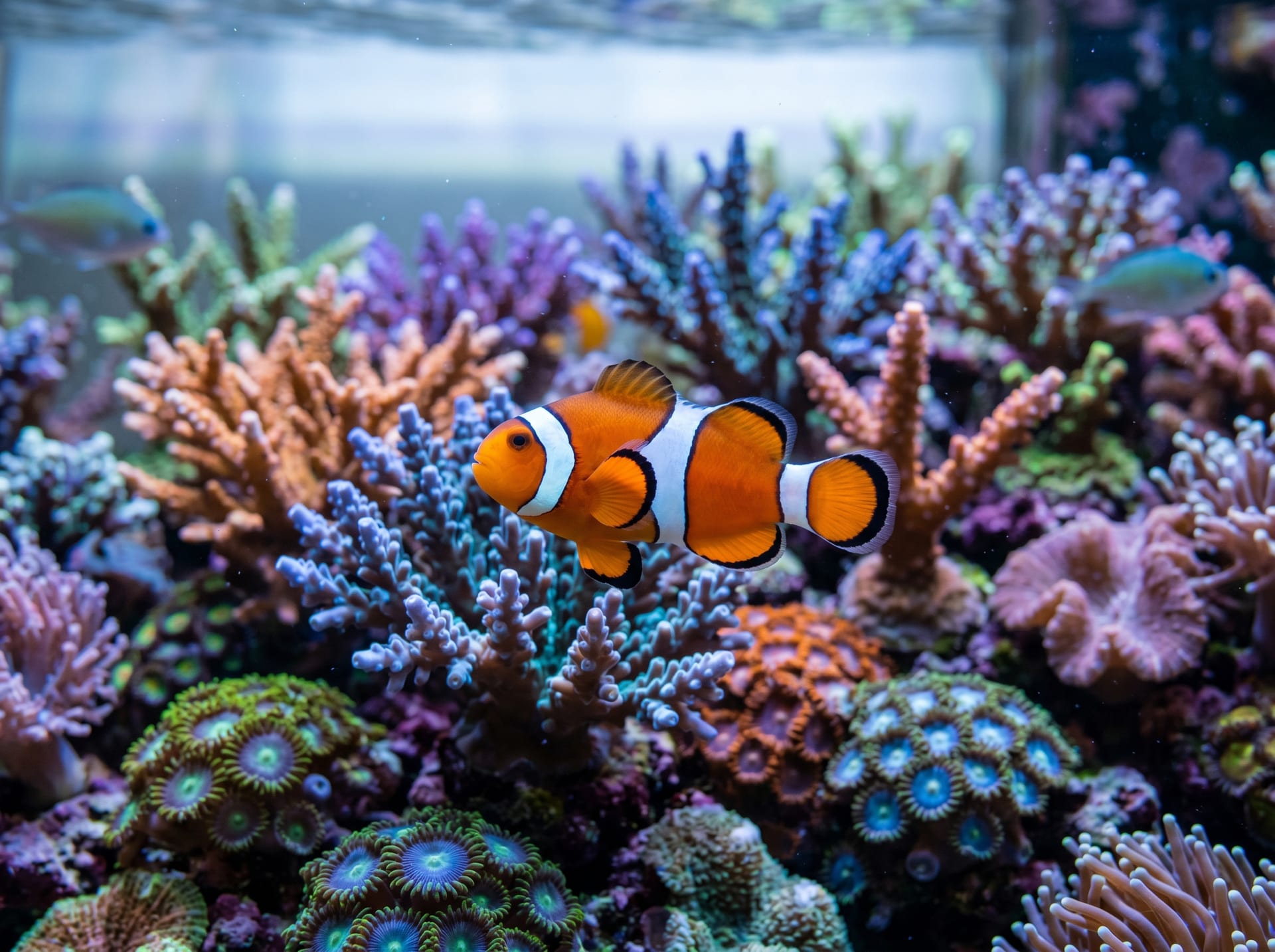
Clownfish are among the most iconic saltwater fish, beloved by fans worldwide—even immortalized in film. Their striking orange and white contrast, their symbiotic relationship with sea anemones—their appeal extends far beyond appearance. In fact, clownfish are among the easier saltwater fish to breed, allowing you to form pairs in your home aquarium and experience the entire journey from fry birth to rearing. This article provides a comprehensive guide to the entire breeding process, from basic pairing through spawning, hatching, and fry management.
✍️
BreederDirect Editorial
The BreederDirect editorial team specializes in care information for animals, covering veterinary care and breeding to deliver beginner-friendly guides.
Find Marine Fish on BreederDirect
Buy directly from verified breeders
Browse Related Listings
Find Marine Fish listings related to this article on BreederDirect. Buy directly from verified breeders.
Clownfish are protandrous hermaphrodites—they change sex based on social hierarchy. All fish are born male (or neutral), and the largest individual in the group transforms into a female. The second-largest individual functions as the male, while the remaining fish remain non-reproductive "neutral individuals."
By leveraging this trait, you can create a pair simply by placing two fish of different sizes in the same tank. No special chemicals or complex procedures are needed. Once the pair stabilizes, they will spawn regularly in your aquarium, allowing you to observe the entire process firsthand. The sense of accomplishment from successful breeding is one of the great joys of saltwater fishkeeping.
Pair Formation: Methods and Considerations
Choosing Your Two Fish
To form a pair, select two fish with a clear size difference. The larger individual will become the female, and the smaller will become the male. Ideally, the female candidate should be around 10cm, while the male candidate should be 6–8cm. Fish of similar size often fail to establish a hierarchy and may engage in fierce fighting, so this is important to avoid.
Initial Management
Introducing both fish to a new tank simultaneously reduces territorial disputes
If fighting is severe, use a divider (separator) to temporarily isolate them and allow adjustment
It may take 1–3 months for the pair to stabilize
Signs of stability: The larger fish chases the smaller one without causing fatal injuries
About Sea Anemones
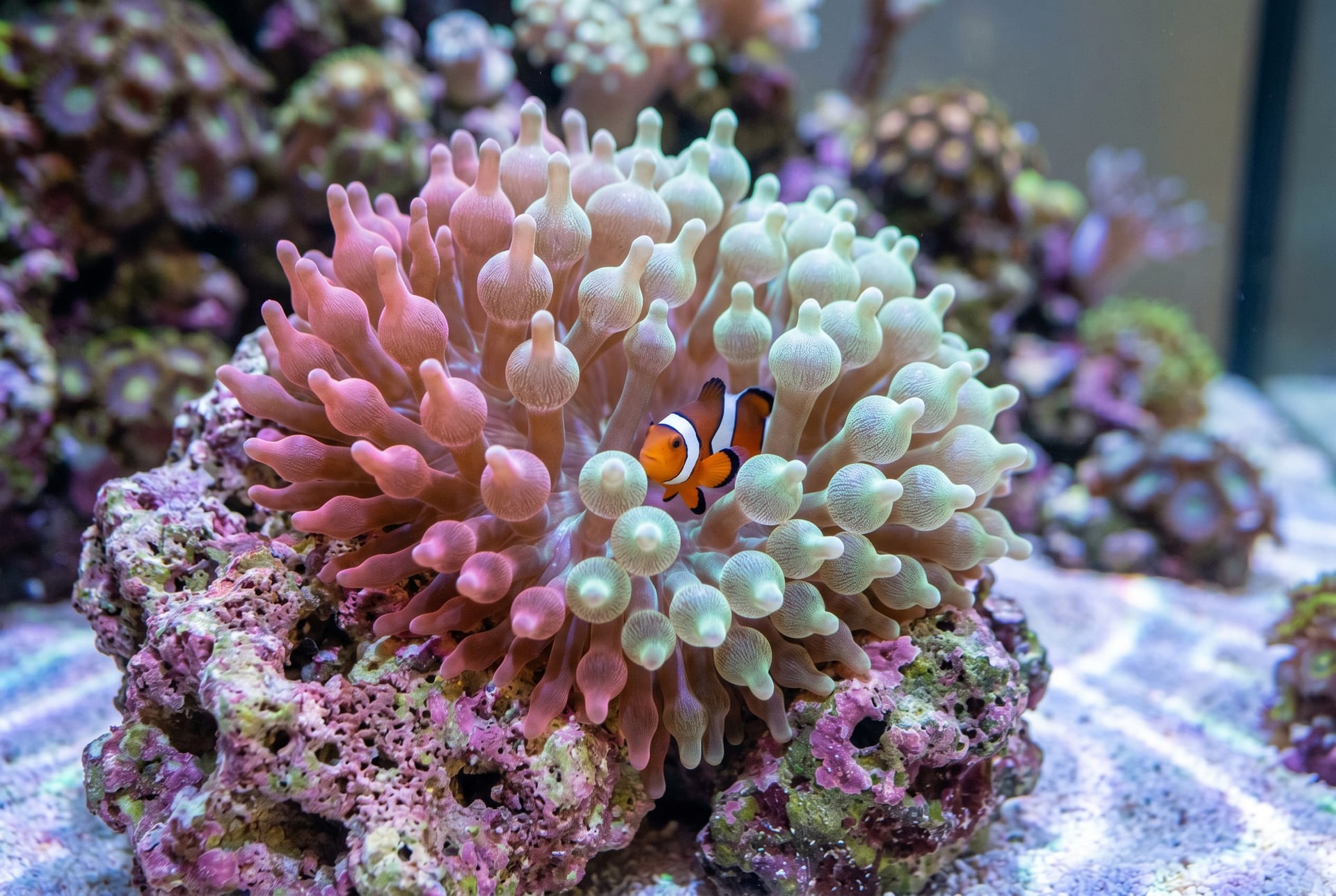
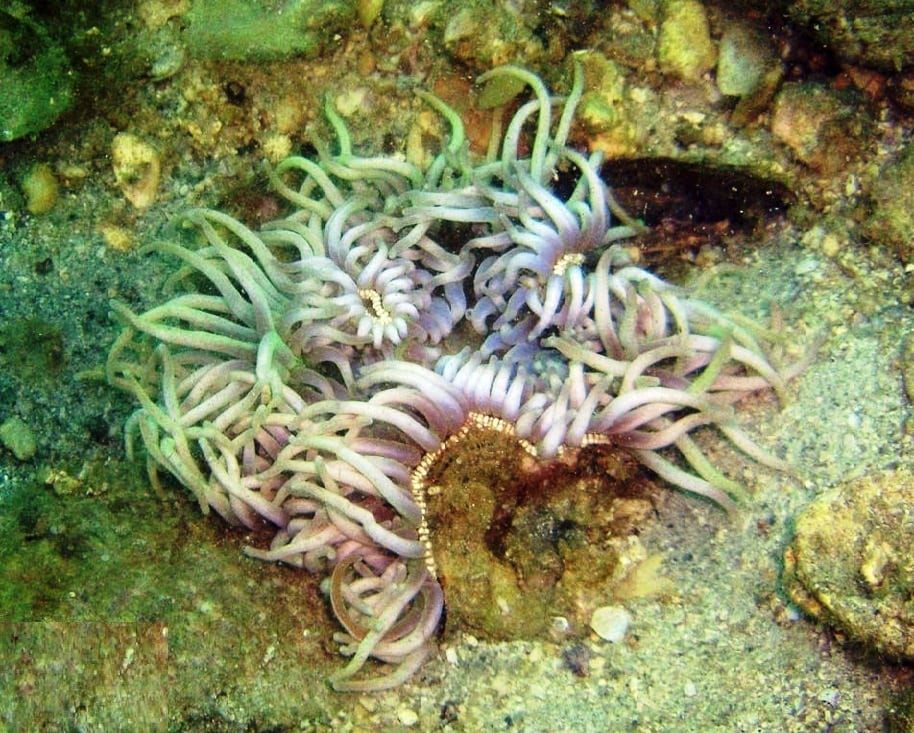
Sea anemones are not essential for breeding, but they help clownfish settle and establish consistent spawning sites. Bubble-tip anemones and carpet anemones are hardy and recommended. If anemone care is challenging, ceramic pots or flat rocks can serve as alternative spawning sites.
Spawning Conditions and Signs to Watch For
Tank Environment for Spawning
Clownfish must be maintained in a stable environment to enter reproductive behavior. Maintain the following conditions:
Water Temperature: 26–28°C (avoid sudden changes)
Salinity: Specific gravity 1.023–1.025
Nitrate Levels: Below 10ppm (managed through regular water changes)
Lighting Cycle: Stable 10–12 hours of light per day
Poor water quality causes stress and inhibits spawning. Perform weekly water changes and regular skimmer cleaning to maintain stability.
Pre-Spawning Behaviors
As spawning approaches, the pair exhibits specific behaviors. When you observe these signs, spawning is near:
The pair begins meticulously cleaning a flat surface (rock face, pot underside, tank bottom) with their mouths
The female's abdomen becomes noticeably swollen
The male performs vibrating displays around the female (courtship behavior) repeatedly
Both fish remain in the same area for extended periods
Egg Management and Hatching Timing
Spawning occurs on a flat surface the pair has cleaned (rock, pot underside, tank bottom, etc.). The newly deposited eggs are a brilliant orange color, often numbering several hundred to over a thousand.
Observing Egg Development
Stage
Egg Appearance
Immediately after spawning
Brilliant orange
After several days
Gradually darkens to brown–gray
Just before hatching (days 6–9)
Small silver eyes visible through the egg
At 26–28°C, eggs hatch approximately 7–10 days after spawning. Watching the male tend to the eggs and maintain water flow around them is one of the most rewarding aspects of the breeding process.
Hatching Timing
Hatching occurs in darkness after lights are turned off. This is a natural instinct—the fry are born at night to avoid predators. By maintaining a consistent light-off schedule, you can predict hatching timing to some degree.
Fry Rearing | The First Two Weeks Are Critical
Collecting Newly Hatched Fry
Newly hatched fry have weak swimming ability and risk being drawn into filters. After lights turn off, shine a spotlight on the water surface—phototactic fry (those attracted to light) will gather beneath it. Gently collect them with a pipette or small cup and transfer them to a dedicated rearing tank.
Setting Up the Rearing Tank
Tank Size: 10–20L simple aquarium
Aeration: Set to very low (strong aeration exhausts fry)
Filter: Sponge filter is ideal (low risk of suction)
Lighting: 12–14 hours of light daily to promote growth
Fry Feeding Schedule
Fry have extremely small mouths, so gradually increase food size in stages:
Days 0–3: Saltwater rotifers (SS-size) twice to three times daily
Days 3–7: Combine rotifers with newly hatched brine shrimp nauplii
Days 7–14: Transition to brine shrimp nauplii as the primary food
After 2 weeks: Gradually introduce powdered artificial pellets
Culturing rotifers is labor-intensive but significantly impacts early survival rates. Commercial rotifer culture kits can simplify management.
Water Quality During Fry Stage
Fry are sensitive to environmental changes. Perform daily water changes of 10–20% of total volume. The salinity and temperature of the fresh saltwater must match the rearing tank exactly. After 2–3 weeks, fry grow noticeably larger, and their distinctive orange and white pattern begins to emerge. This moment of transformation is an unforgettable experience unique to breeders.
BreederDirect's Reliable, Safe Platform
When you're ready to attempt clownfish breeding, BreederDirect is the ideal platform for sourcing your initial pair and fry. BreederDirect features listings from experienced breeders who offer tank-raised (CB—captive-bred) clownfish rather than wild-caught specimens. CB individuals are accustomed to artificial environments, resulting in less transport stress and more stable acclimation.
When purchasing, you can message breeders directly and ask specific questions: "What food did you feed them?" "What's your temperature setting?" "Any breeding tips?" This direct communication between breeders and buyers is BreederDirect's greatest strength—advantages you won't find at large retail shops.
If you're nervous about breeding clownfish for the first time, connecting with experienced breeders through BreederDirect provides the confidence to get started. Find your ideal pair on BreederDirect and experience the joy of successful breeding.