Copper Ion Treatment Guide for Marine Fish | White Spot Disease Medicinal Bath Methods and Precautions
A comprehensive guide to the correct method of copper ion treatment, the most effective treatment for white spot disease in marine fish. We provide detailed information on managing copper concentration, preparing a treatment tank, treatment duration, why copper cannot be used in coral tanks, and alternative therapies.
Key Takeaways
A comprehensive guide to the correct method of copper ion treatment, the most effective treatment for white spot disease in marine fish. We provide detailed information on managing copper concentration, preparing a treatment tank, treatment duration, why copper cannot be used in coral tanks, and alternative therapies.
Related Species
White spot disease (Cryptocaryoniasis) in marine fish is caused by the parasite Cryptocaryon irritans and is the most common disease in marine aquariums. Copper ions are known as the most reliable treatment medication for this disease. However, handling copper requires careful consideration—if the concentration is too low, it will be ineffective, and if too high, it can be fatal to fish. Here's an explanation of the correct method of copper ion treatment based on proper knowledge.
Mechanism of Copper Ion Treatment and Types of Medications
Copper ions exert their therapeutic effect by killing the free-swimming stage (theront) of Cryptocaryon during its life cycle. When the parasite leaves the fish's body, forms a cyst (tomont), and releases theronts through division, these theronts die upon contact with copper ions. There are two types of copper treatment medications: sulfate copper and chelated copper. Sulfate copper (such as Cupramine) has ionized copper that dissolves in water, providing rapid effectiveness, but maintaining the concentration is difficult and it is easily affected by pH fluctuations and absorption by live rock. Chelated copper (such as Copper Safe) exists in water as copper bound to a chelating agent, making the concentration more stable and providing sustained effectiveness. For beginners, chelated copper is easier to manage. In either case, a copper concentration test kit is essential.
Preparing and Setting Up a Treatment Tank
Copper ion treatment must always be performed in a dedicated treatment tank (hospital tank). Never perform copper treatment in your main display tank. Live rock, sand, and activated carbon absorb copper, destabilizing the concentration and causing fatal damage to invertebrates such as corals and shrimp. Here's the basic setup for a treatment tank: A glass aquarium of 30–60 cm is sufficient. For filtration, use a sponge filter or hang-on filter (do not include activated carbon). Maintain water temperature at 25–26°C with a heater and provide adequate oxygen through aeration. Do not add substrate to the bottom; instead, provide simple hiding places such as PVC pipes. Lighting is not essential, but soft lighting helps fish settle down. In a new tank where bacteria have not established, daily water quality checks and frequent water changes are necessary.
Managing Copper Concentration and Treatment Protocol
The success of treatment depends on accurate management of copper concentration. For sulfate copper, the therapeutic concentration is 0.15–0.25 ppm, and for chelated copper, 1.5–2.0 ppm is recommended (follow product instructions). When adding copper, do not raise the concentration to the target level all at once; instead, increase it gradually over 2–3 days. Use a copper test kit to measure the concentration every 12 hours and maintain the appropriate range. The treatment period is a minimum of 30 days. This covers the complete life cycle of Cryptocaryon (parasitism, detachment, division, and re-parasitism). Even if white spots disappear in about 14 days, there may still be parasites remaining in the cysts, so do not discontinue treatment on your own judgment. During water changes, add copper proportional to the amount of water changed to maintain concentration.
Precautions and Risks of Copper Treatment
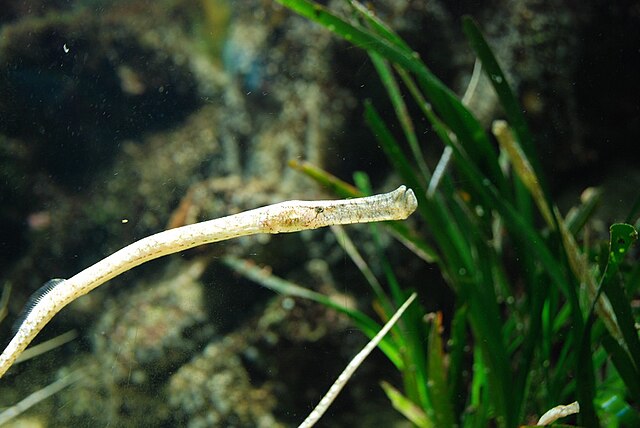
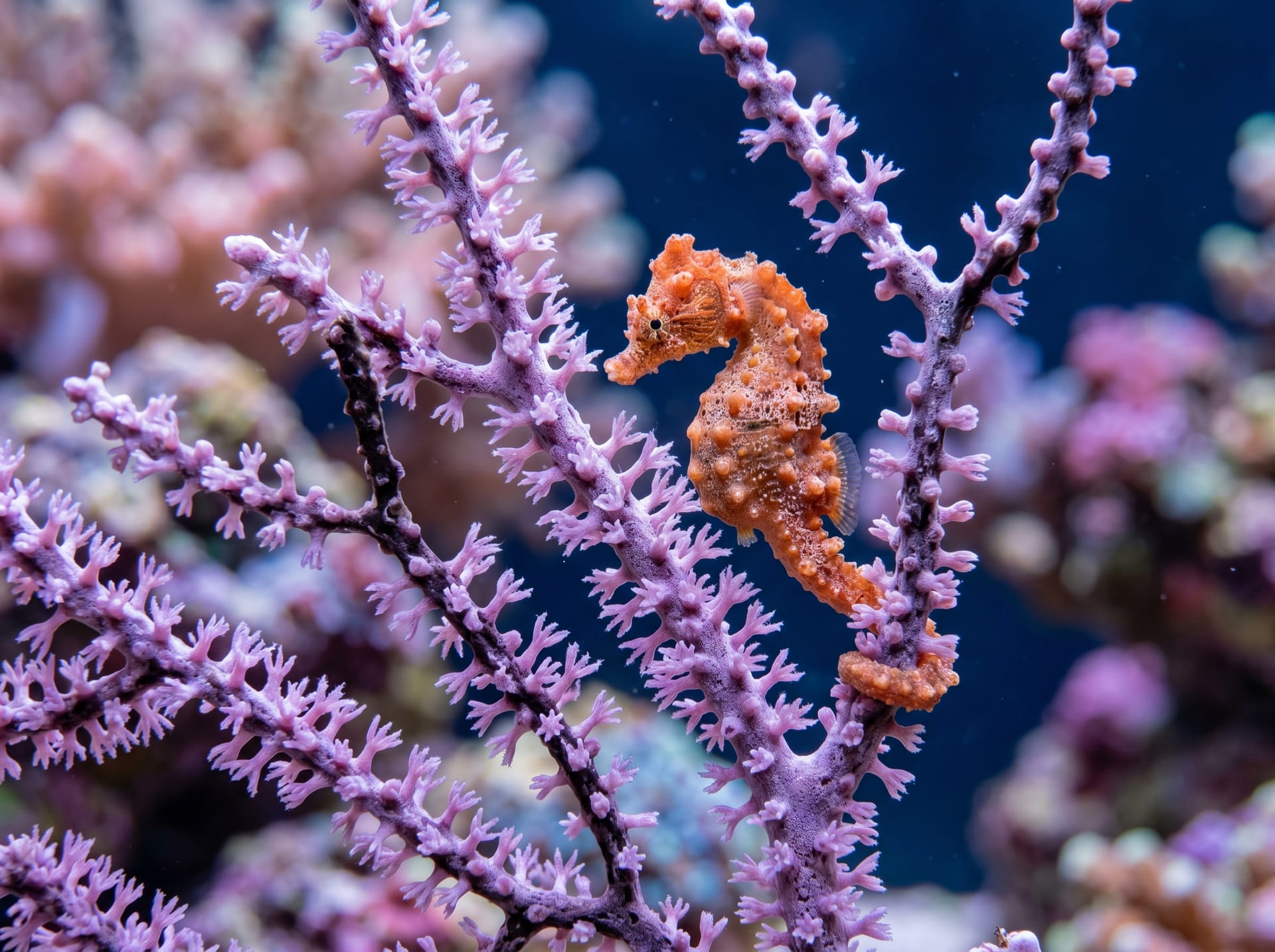
Copper has high toxicity to certain fish species such as the boxfish family (Ostraciidae), pipefish family (Syngnathidae), and seahorses (Hippocampus), so copper treatment cannot be applied to these fish. Additionally, tangs and butterflyfishes are somewhat sensitive to copper and require special attention not to exceed the upper concentration limit. Fish under treatment may lose appetite due to stress, but nutritional support is essential for recovery, so provide highly palatable foods such as frozen brine shrimp. When returning treated fish to the main tank, perform a gradual acclimation with fresh tank water, and be careful not to introduce copper-containing treatment water into the main tank. Tanks and equipment used in treatment retain copper residue and should not be used for keeping corals or invertebrates.
Complete Guide to Copper Ion Treatment
Copper ion treatment is the most effective treatment for white spot disease and velvet disease, but if not performed correctly, it can damage fish or result in insufficient therapeutic effect.
Basic Principles of Copper Treatment
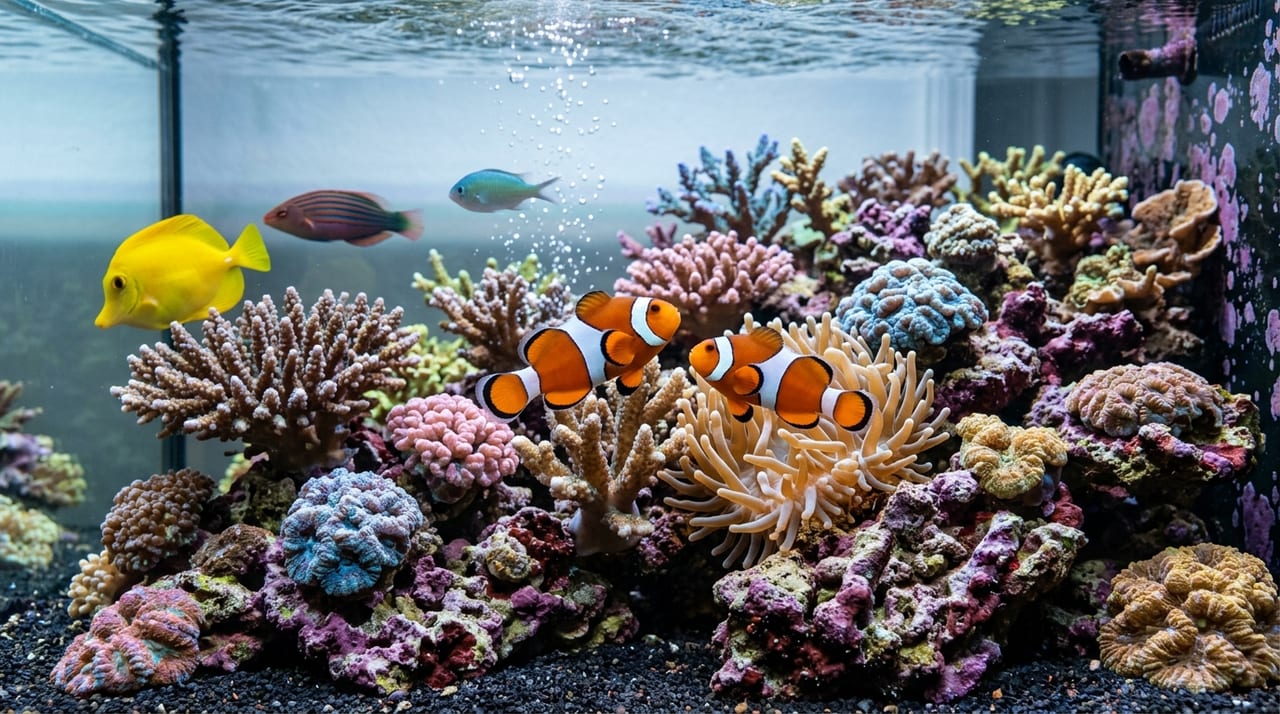
Copper ion treatment must always be performed in a quarantine tank and must never be used in the main display tank. Copper is highly toxic to invertebrates such as corals, shrimp, crabs, and mollusks, and even trace amounts can be lethal. Additionally, because live rock and sand absorb copper and release it slowly over a long period, once copper is used in a tank, it can never be used for corals or invertebrates again.
Types of Copper for Treatment
There are two types of copper treatment medications: "sulfate copper (such as Cupramine)" and "chelated copper (such as Copper Safe)". Chelated copper (Copper Safe) has a mild effect and is easier to maintain, but standard copper test kits may not measure it accurately, so use a compatible test kit. Ionic copper (Cupramine) has a strong effect and is fast-acting, but concentration management is more critical.
Treatment Procedure
- Move the sick fish to a quarantine tank
- Begin adding the copper treatment at 1/3 of the recommended dose (day 1)
- Add 1/3 more every 12 hours, reaching therapeutic concentration over 48 hours
- Maintain therapeutic concentration (ionic copper: 0.15–0.25 ppm / chelated copper: per product instructions) for 14–21 days
- Measure concentration daily with a copper test kit and add to replace any depleted amount
- After treatment is complete, use activated carbon to remove copper, repeat water changes, then return the fish to the main tank
Water Quality Management During Copper Treatment
During copper treatment, pay special attention to ammonia accumulation. Because copper also inhibits bacterial activity, the efficiency of biological filtration decreases. Perform daily water quality tests and carry out water changes as needed (remembering to readjust copper concentration).
Early detection of illness requires daily observation during feeding. Loss of appetite, changes in body color, and abnormal swimming patterns are early signs of illness. Regularly test water quality (ammonia, nitrite, nitrate, and pH) and identify the root cause of any problems. Always perform treatment in a quarantine tank and avoid disrupting the main tank environment. When using copper treatment medication, measure the concentration daily and maintain the proper range—this is the key to successful treatment. After treatment is complete, remove the medication with activated carbon before returning the fish to the main tank.
Do not add live rock, coral sand, or activated carbon to a quarantine tank used for copper treatment. These absorb copper and prevent the necessary copper concentration for treatment from being maintained. A bare bottom with PVC pipes as hiding places is optimal. A simple setup with only a sponge filter and heater is most suitable for copper treatment.
Consult About Fish Health Management with BreederDirect
Early detection and proper treatment of white spot disease are important. With BreederDirect, you can consult directly with experienced breeders about fish health management and disease prevention, and by obtaining individuals that have been through quarantine treatment before introduction, you can significantly reduce the risk of white spot disease. In case of an outbreak, you can also receive treatment advice from the breeder, providing peace of mind.