Complete Guide to Keeping Tomato Clownfish | Tank Size, Anemone Symbiosis, Breeding
A detailed guide to caring for Tomato Clownfish (Amphiprion frenatus). Covers differences from Ocellaris Clownfish, 60 cm tank setup, symbiosis with Bubble Tip Anemones, feeding, tank compatibility, and the process of spawning and breeding in the tank.
Key Takeaways
A detailed guide to caring for Tomato Clownfish (Amphiprion frenatus). Covers differences from Ocellaris Clownfish, 60 cm tank setup, symbiosis with Bubble Tip Anemones, feeding, tank compatibility, and the process of spawning and breeding in the tank.
Related Species
The Tomato Clownfish (scientific name: Amphiprion frenatus) is a species of clownfish characterized by vibrant red coloring and black markings, as its name suggests. While not as well-known as the Ocellaris Clownfish, it enjoys consistent popularity among saltwater aquarists for its beautiful coloration and hardiness. This article provides a comprehensive guide to the characteristics, care environment, symbiosis with anemones, tank compatibility, and breeding of Tomato Clownfish.
Basic Information and Characteristics of Tomato Clownfish
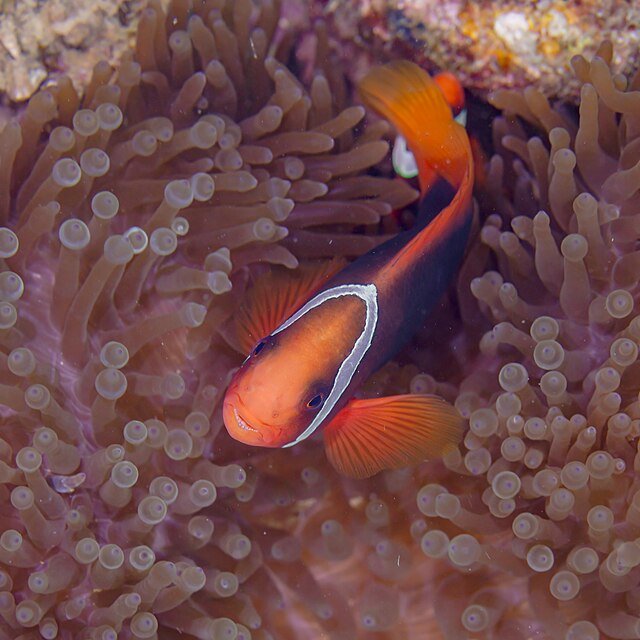
Tomato Clownfish belong to the family Pomacentridae, subfamily Amphiprioninae, and grow to approximately 13–14 cm in length. They are noticeably larger than Ocellaris Clownfish (8–10 cm) and have a more aggressive temperament relative to their size.
Their physical characteristics are as follows:
- Body Color: Deep red to orange-red (varies by individual, origin, and age)
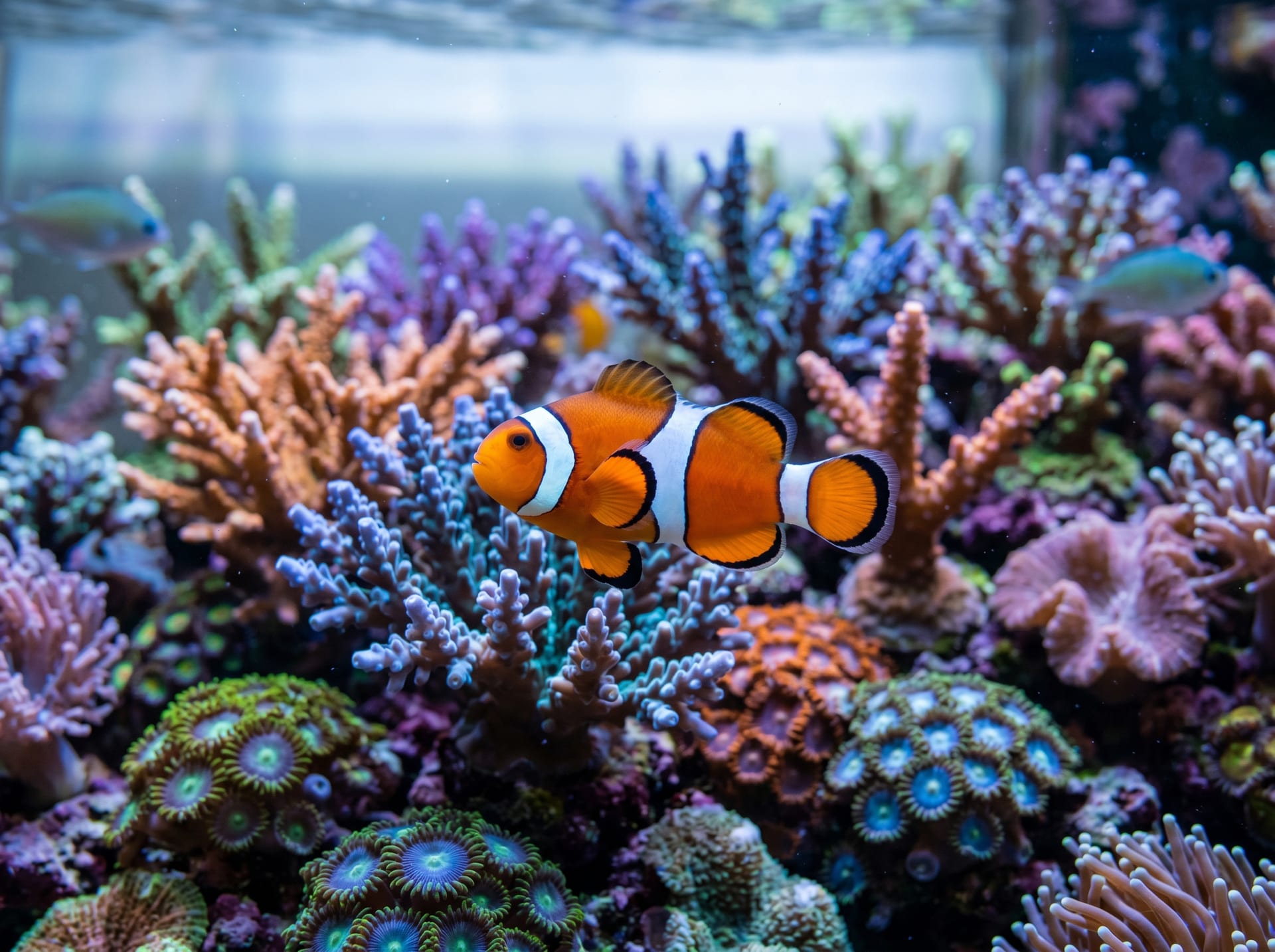
- White Bands: One white vertical stripe behind the eyes (Ocellaris have three; Tomato typically has one)
- Juveniles: Possess three white stripes that fade at the front and rear as they mature
- Sex Determination: Clownfish are protogynous hermaphrodites. The largest individual in the group becomes female, the second-largest becomes male, and the rest remain sexually immature
They are native to coral reefs in the Western Pacific (Philippines, Indonesia, Palau, etc.) and are primarily known for their symbiosis with Entacmaea quadricolor (Bubble Tip Anemone).
Quick Reference Care Chart
| Item | Recommended Value |
|---|---|
| Tank Size | 60 cm minimum (45 cm acceptable for single specimen) |
| Water Temperature | 24–27°C |
| Salinity | 1.020–1.025 |
| pH | 8.1–8.3 |
| Tank Mates | Cannot be housed with Ocellaris Clownfish. Compatible with hardy species |
Tank Setup and Configuration
Due to their size and aggressive nature, a minimum 60 cm tank is recommended. They require more swimming space than Ocellaris Clownfish, and stress accumulation is more likely in 45 cm tanks during long-term care.
Filter Selection and Water Flow
For saltwater aquarium keeping, the combination of an external filter and protein skimmer is standard, but using an overflow tank (sump system) for a 60 cm tank makes maintenance significantly easier.
The current should not be so strong that it bothers the Tomato Clownfish. Set up moderate water flow to ensure gentle circulation throughout the tank.
Symbiosis with Anemones
The most suitable anemone for symbiosis with Tomato Clownfish is the Bubble Tip Anemone (Entacmaea quadricolor). It is characterized by bubble-like tentacle tips and has moderate care difficulty.
Establishing symbiosis provides the following benefits:
- The Tomato Clownfish becomes calmer and is more likely to exhibit breeding behavior
- Natural behaviors (resting and spawning within the anemone) can be observed
- The visual impact and appeal of the display is greatly enhanced
However, anemones are difficult to keep, and there is a risk they may sting other organisms when moving. If establishing symbiosis, pay special attention to water quality management.
Feeding and Diet Management
Tomato Clownfish are voracious eaters and, in most cases, accept artificial foods immediately upon introduction. They are a hardy species.
Recommended Foods
- Pellet-Type Saltwater Fish Food: Primary diet. Floating pellets are easiest for Tomato Clownfish to eat
- Frozen Brine Shrimp: Supplement 2–3 times weekly to enhance coloration
- Frozen Copepods: Effective for immune support and color enhancement
Feed twice daily in amounts that will be consumed in 3–5 minutes. Remove uneaten food immediately with a siphon or pipette to prevent water quality degradation.
Considerations for Tank Mates
Tomato Clownfish are among the more aggressive clownfish species. Avoid housing them with the same species or closely related species (other clownfish).
Guidelines for compatible tank mate combinations are as follows:
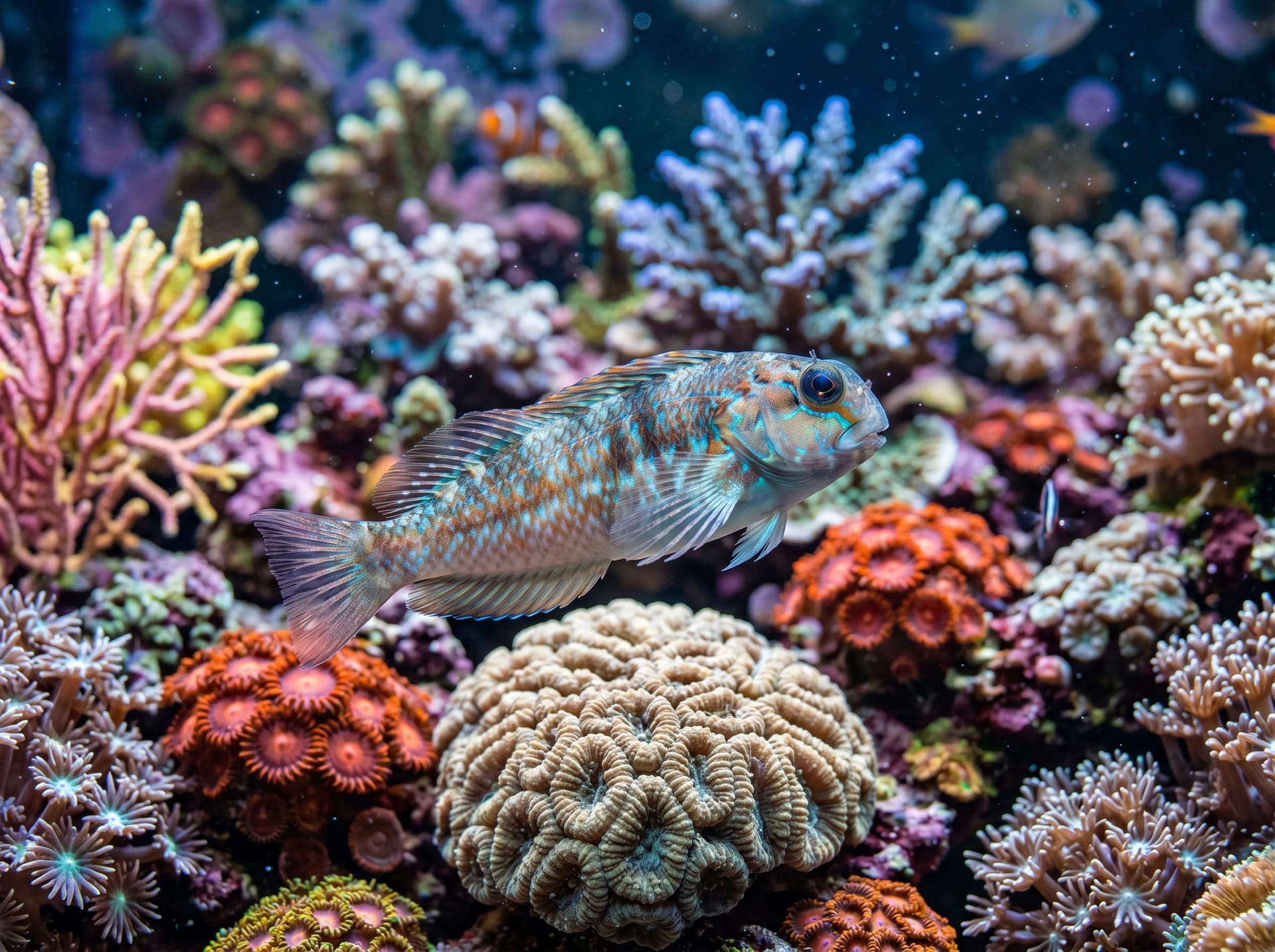
- Compatible: Gobies (Multicolored Dottyback, Watchman Goby, etc.), Wrasses (Fairy Wrasses, etc.), small Angelfish
- Requires Caution: Large Angelfish (territorial conflicts possible)
- Incompatible: All other clownfish species and fish with similar body shapes (such as Flame Angelfish)
With adequate space and hiding places (live rock), the range of compatible pairings can expand.
Breeding — Pair Housing and Spawning
Tomato Clownfish will spawn in the tank when maintained as a pair. If you wish to attempt breeding, the following steps are useful as a guide:
- Pair Formation: Add a second individual of different size (or start with two juveniles) and wait for a pair to form
- Spawning Site Preparation: Clownfish will select a flat surface (smooth rock or flat area on live rock) of their preference
- Egg Incubation and Hatching: Larvae hatch 6–8 days after spawning, typically at night
- Larval Care: Transfer to a separate tank and rear on rotifers, then brine shrimp nauplii
Tank-bred Tomato Clownfish are hardier than wild-caught specimens and better suited for long-term care. CB (Captive-Bred) specimens obtained directly from breeders adapt quickly after introduction and are recommended for beginners.
Summary
The Tomato Clownfish is a beautiful saltwater fish with vibrant red coloring and impressive presence that can serve as the centerpiece of any tank. While not as widely known as the Ocellaris Clownfish, its ease of care and excellent coloration make it a species worth considering for those enjoying saltwater aquarium keeping. The display of symbiosis with Bubble Tip Anemones is particularly striking and can create a long-lasting, highly attractive aquarium display.