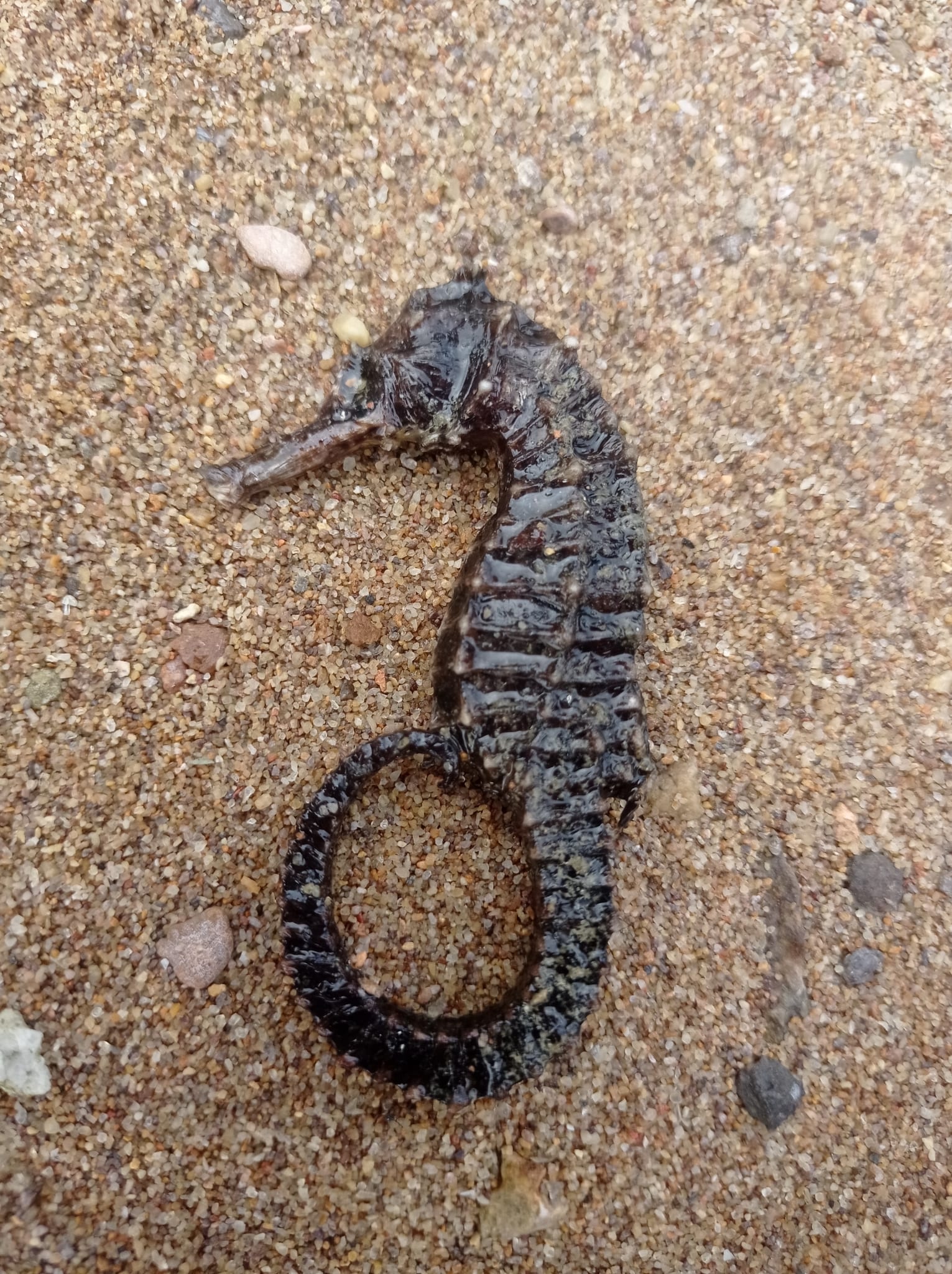
 © David Addis / CC0
Spotted Seahorse
The Spotted Seahorse is a large seahorse species native to the Indo-Pacific, including waters around southern Japan, growing up to 30 cm as an adult. With its habit of anchoring its tail around seaweed or rock, it has a quietly captivating presence in any tank. Docile by nature but a weak swimmer, it does best in a single-species tank. Captive-bred individuals are often already trained to eat frozen mysis shrimp, but their digestive system calls for frequent feeding, making this an advanced-level fish suited to hobbyists ready for hands-on, attentive care.
View Spotted Seahorse encyclopedia →0% commission on your first sales!Register by September 30, 2026 and your first 2 sales are commission-free!
Breeder Wanted!
List on BreederDirect and sell directly to customers nationwide!
BreederDirect's 6 Transparency Promises
Every Marine Fish listing shows Breeder's full disclosure. No wild-caught. Captive-bred priority, tank size guidance, temperament details—transparent aquaculture.
- Captive-bred
- WYSIWYG
- Reef-safe
- Care Info Included
- Origin Disclosed
- Temperament Listed
Browse all 175 breeds
Care Difficulty
Reef-safe
Temperament
No listings match your filters
Adjust your filters, or get notified when new listings arrive.
Getting alerts is free with a member account. When new listings match your saved search, we'll notify you by email and in-app.
Browse other categories
Verified breeders (preview)
Are you raising marine fish?
Register as a breeder and connect with buyers directly.
Apply as a breederAbout Spotted Seahorse
The Spotted Seahorse is a large Indo-Pacific species reaching up to 30 cm, best suited to advanced keepers who can provide a single-species tank and frequent feeding.
7 things to know before welcoming a Spotted Seahorse
1Single-Species Tank Only
Seahorses aren't strong swimmers, so housing them with other fish often means losing out on food or getting bullied. The Spotted Seahorse should be kept alone or only with other seahorses.
2Best For Experienced Keepers
Successfully keeping this species calls for solid knowledge of water quality and feeding routines, which is why it's considered an advanced-level fish. It's best to gain experience with marine fishkeeping before bringing one home.
3Frozen Mysis As Staple Food
Captive-bred individuals are usually already trained to eat frozen mysis shrimp, which is convenient to manage at home. That said, their digestive system means feeding needs to happen often.
4Feed Small And Often
With a small stomach and fast digestive transit, the Spotted Seahorse needs several small feedings a day rather than one or two large ones. Plan a feeding routine around this rhythm.
5A Large Seahorse, Up To 30cm
Among Indo-Pacific seahorses, this is one of the larger species, reaching up to 30 cm as an adult. Make sure the tank is sized to match its eventual bulk.
6Keep Water Flow Gentle
Because it isn't a strong swimmer, a tank with strong currents will tire it out and make feeding difficult. Provide gentle flow along with macroalgae or artificial holdfasts it can grip.
7Tail-Gripping Habit
The Spotted Seahorse anchors itself by wrapping its tail around seaweed or rock to stay steady. Add live rock or artificial perches in the tank to give it plenty to hold onto.
Frequently asked questions about Spotted Seahorse
- Q.Can beginners keep a Spotted Seahorse?
- A.The Spotted Seahorse is considered an advanced-level fish. It's best to gain experience with marine fishkeeping before taking one on.
- Q.Can it live in a tank with other fish?
- A.Since it's a weak swimmer and can easily lose out on food or get harassed by tankmates, it's best kept alone or only with other seahorses. Mixing it with other species should be approached with caution.
- Q.What should I feed it?
- A.Captive-bred individuals are usually trained to eat frozen mysis shrimp, which is easy to manage. However, its digestion calls for several small feedings a day rather than one large one.
- Q.How big does it get?
- A.It's a large Indo-Pacific seahorse species, reaching up to 30 cm as an adult. When setting up a tank, be sure to plan for its full-grown size.
- Q.Is the Spotted Seahorse subject to CITES?
- A.No, the Spotted Seahorse is not subject to CITES. Keep this in mind if you're planning to keep one.
Useful tools for Spotted Seahorse care
Learn more about Spotted Seahorse in the encyclopedia
View Spotted Seahorse encyclopedia entry →
Care difficulty, lifespan, size and diet — all basics covered.
More in this category
Can't find the one you're looking for?
Post your wishes for free and breeders with matching animals will contact you with introductions.