Source: Wikimedia Commons
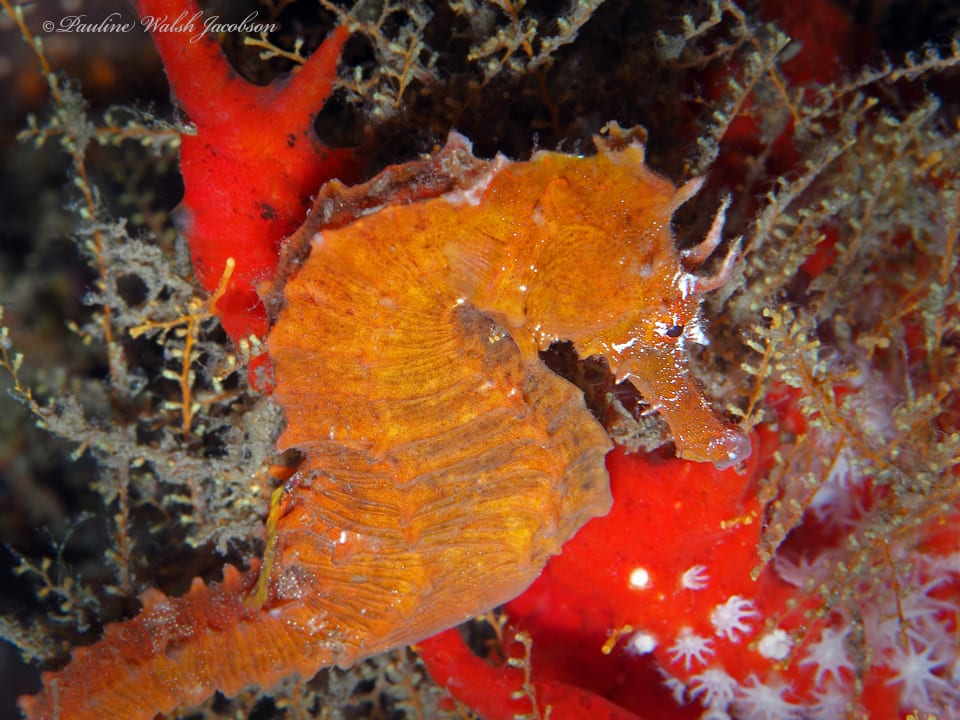
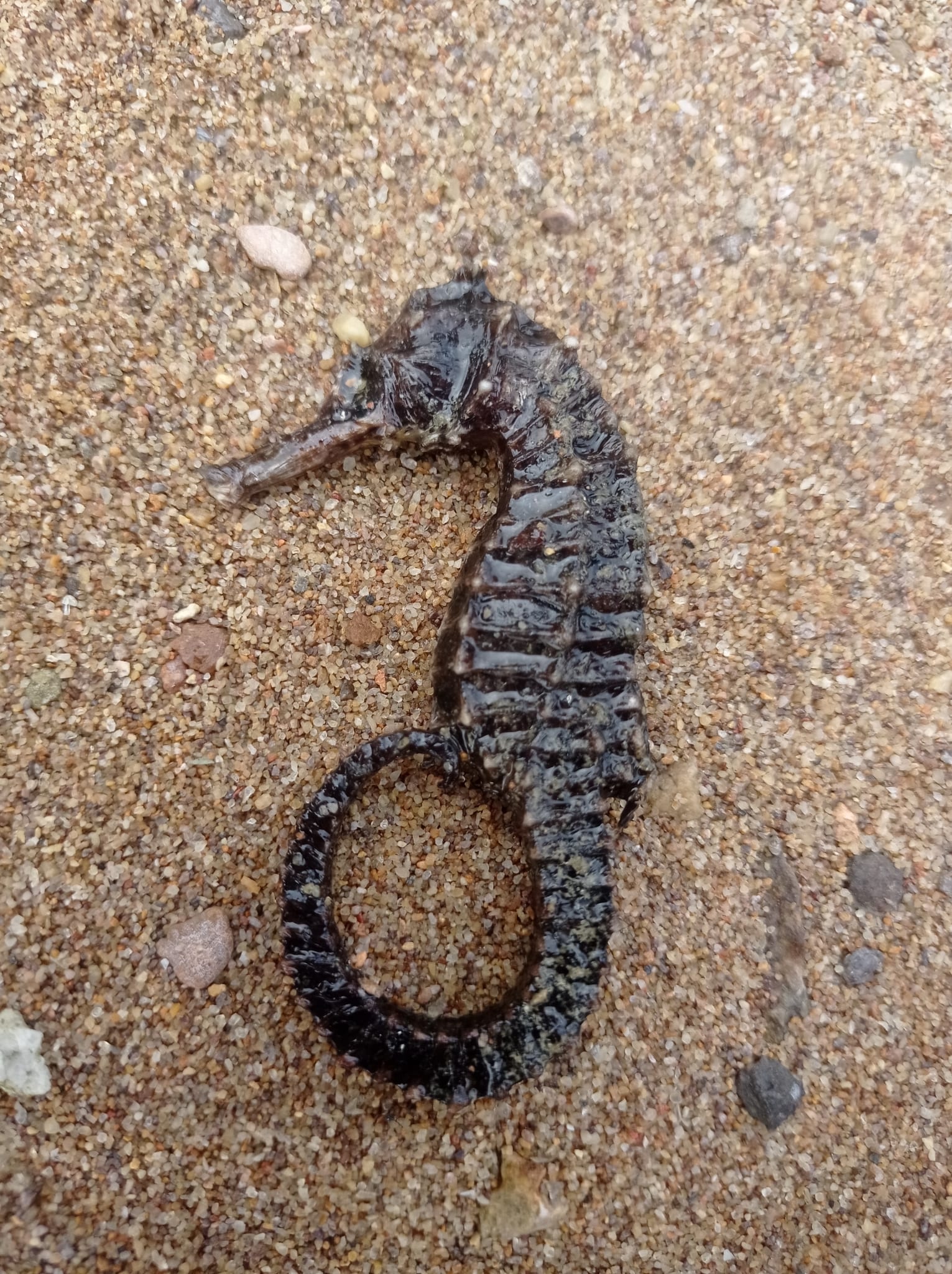
Spotted Seahorse
AdvancedHippocampus kuda
A large seahorse of the Indo-Pacific including southern Japan, reaching 30cm. Captive-bred fish that eat frozen mysis are available, but it requires a species tank and frequent feeding. CITES Appendix II.
Difficulty
Advanced
Temperature
22〜26℃
Size
Up to 30cm
Diet
Frozen mysis (captive-bred fish), amphipods, enriched brine shrimp
About
The Spotted Seahorse (Hippocampus kuda) is a large syngnathid ranging from southern Africa and the Red Sea to Hawaii and French Polynesia, north to Japan and south to Australia. It lives in seagrass and algae beds of estuaries and seaward reefs and on mud slopes, enters brackish water, and drifts offshore with floating weed. It is usually shallower than 8m, and adults occur in pairs. Colour varies from black and brown to yellow with fine spots. Maximum 30cm. It sucks in zooplankton, and males brood eggs in a pouch. Very popular as an aquarium fish and heavily used in traditional medicine, it is assessed as Vulnerable by IUCN. Keep at 22-26C, pH 8.1-8.4 and SG 1.020-1.025 in a tall species-only tank of 110L or more as a pair or small group, adding volume for each extra pair. A weak swimmer, it needs branching live rock or artificial holdfasts. Most fish in trade are captive-bred and eat frozen mysis; feed small amounts several times a day. Warm water favours Vibrio infection, and holding around 23C is said to reduce outbreaks. All Hippocampus are on CITES Appendix II, so import and export require permits.
Source: Wikipedia (CC BY-SA 4.0)
Size of the Spotted Seahorse
The Spotted Seahorse grows to Up to 30cm.
Temperature & humidity for the Spotted Seahorse
The ideal temperature for the Spotted Seahorse is 22〜26℃.
Basic Info
Origin
Indo-Pacific (southern Africa and the Red Sea to Hawaii and French Polynesia, north to Japan, south to Australia)
Size
Up to 30cm
Care Specifications
- pH
- 8.1–8.4
- Water Temp.
- 22–26℃
- Specific Gravity
- 1.02–1.025
- Min. Tank
- 110 L
PeacefulReef safePairBreeding: Moderate
Sources: LiveAquaria / FishBase
References & Sources
Edited & verified by: BreederDirect editorial team
The taxonomic, regulatory, and husbandry data on this page are compiled and verified against the authoritative primary sources below.
Taxonomy & Authority
Regulations & Conservation Status
CITES Appendix IIIUCN VU · Vulnerable
Sources: CITES Appendix II (Hippocampus spp.) / CITES: Seahorses (Hippocampus spp.) / IUCN Red List
Regulations may change. Always verify the latest information with the relevant authorities.
Spotted Seahorse Listings
Loading latest listingsFind listings for this species