Saltwater Fish Keeping Beginner's Guide | Differences from Freshwater and How to Get Started
For those looking to start saltwater fish keeping, this guide explains the differences from freshwater tanks, necessary equipment (artificial seawater, hydrometer, protein skimmer), and how to choose beginner-friendly fish species.
Key Takeaways
For those looking to start saltwater fish keeping, this guide explains the differences from freshwater tanks, necessary equipment (artificial seawater, hydrometer, protein skimmer), and how to choose beginner-friendly fish species.
Related Species
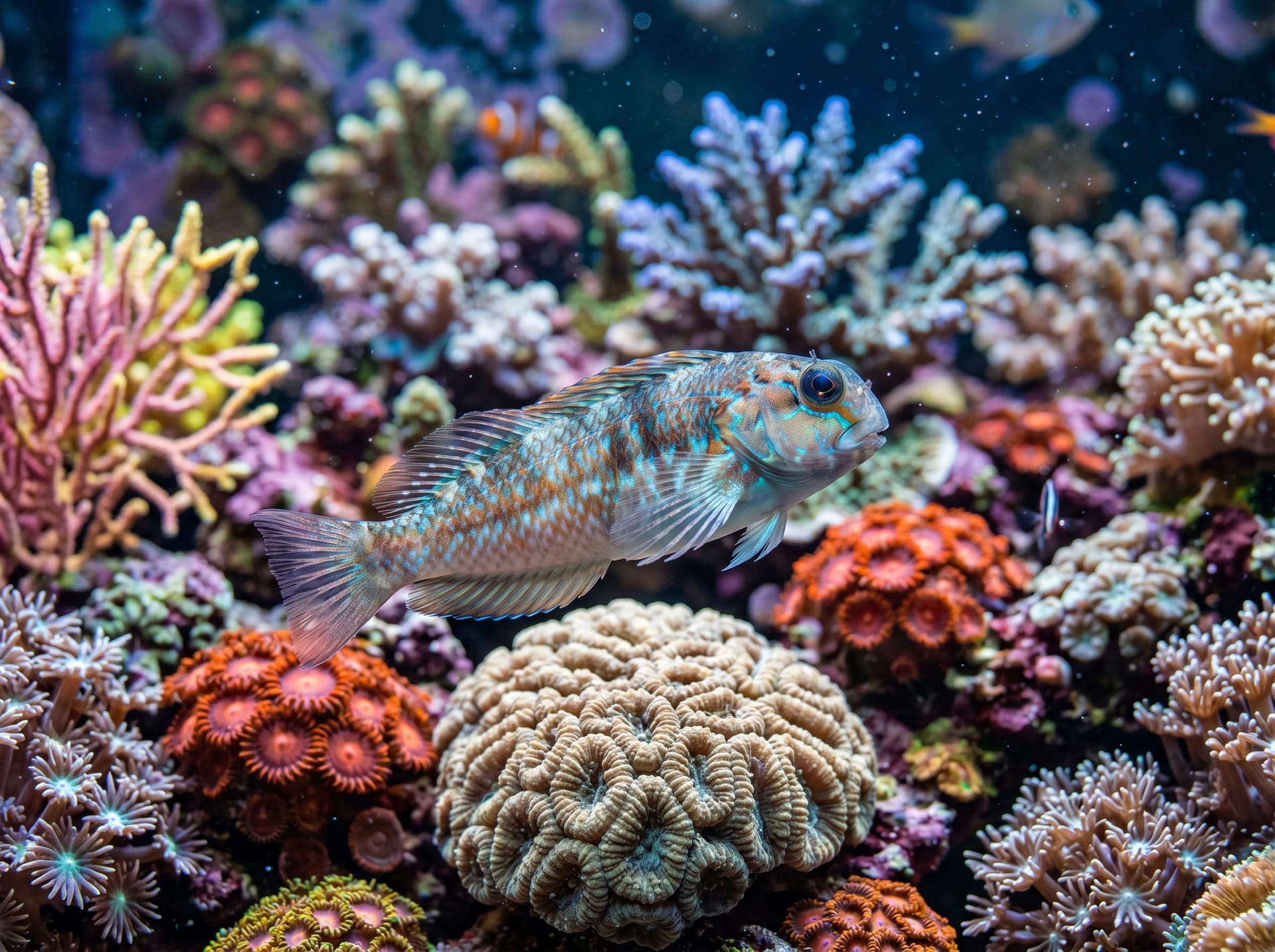
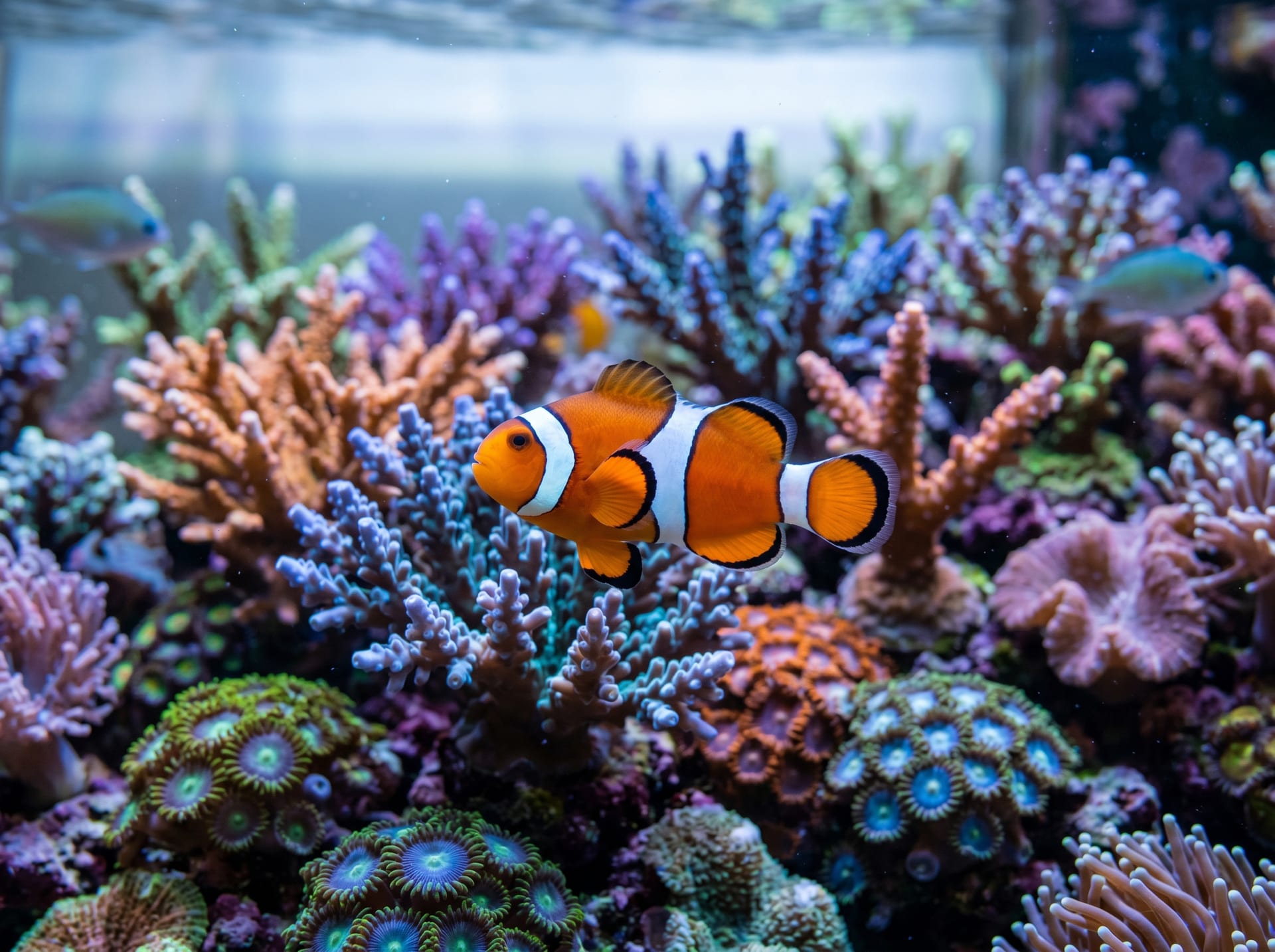
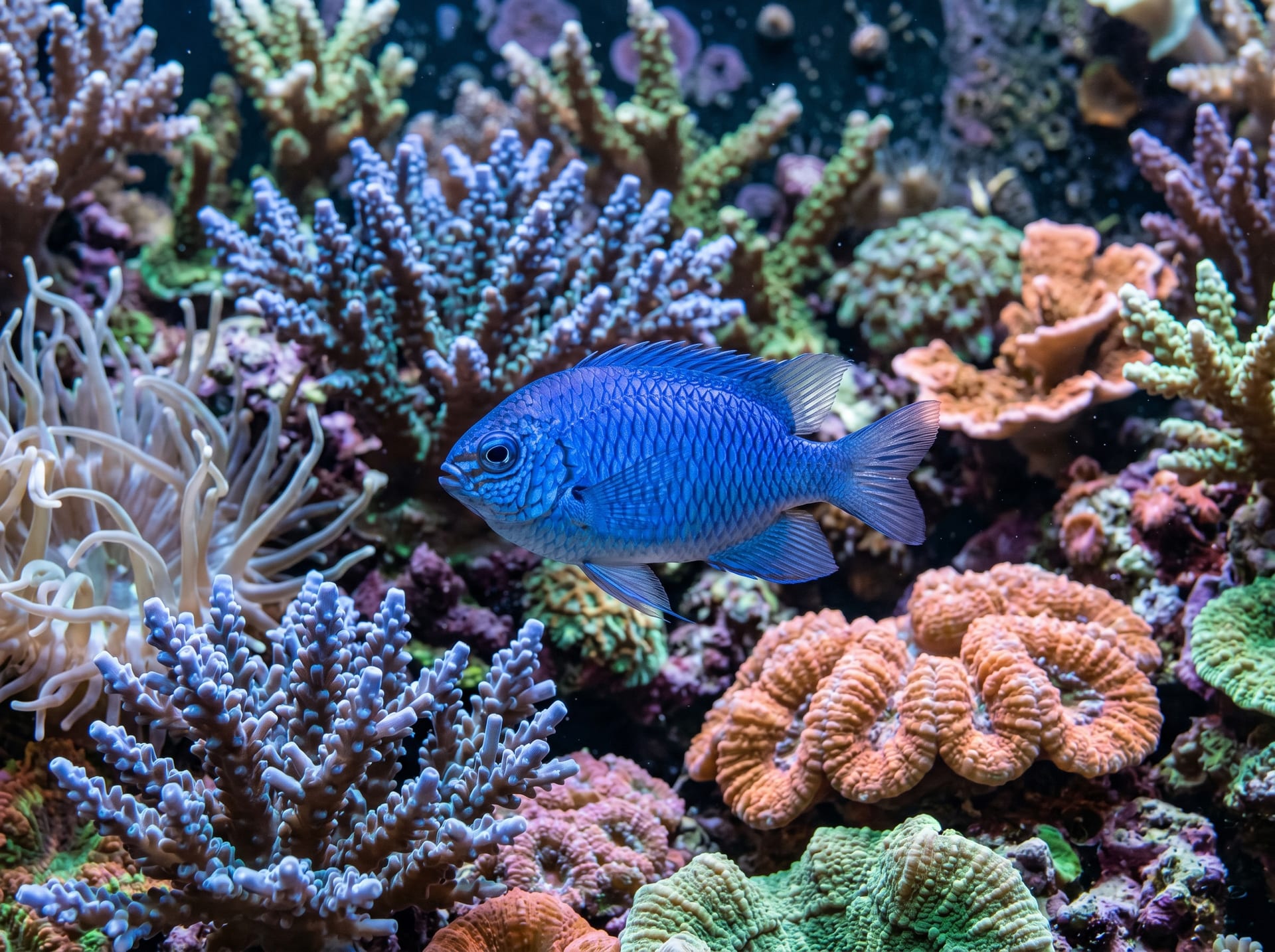
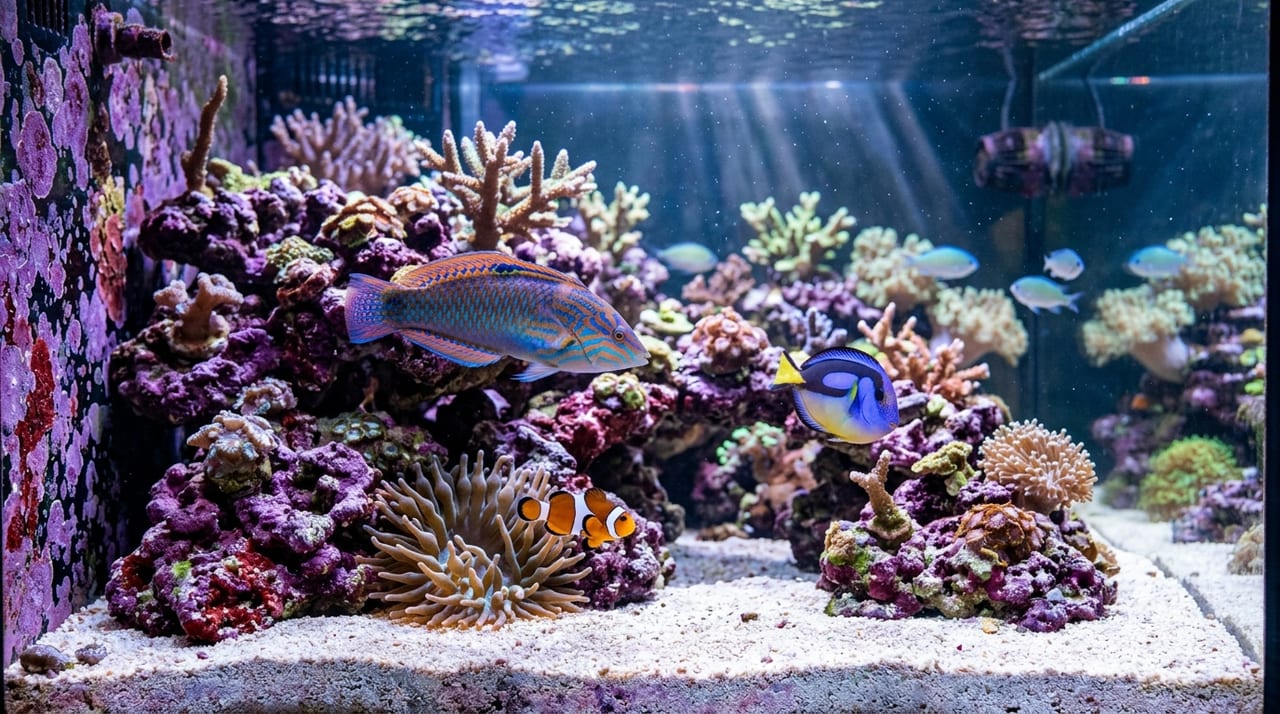
Saltwater fish keeping often gets a reputation for being "difficult" and "expensive," but with the right knowledge and proper equipment, recreating an authentic ocean environment in your own home is far from impossible. Aquariums with clownfish and firefish swimming through them have striking visual presence as interior décor, and once you start, many enthusiasts find themselves deeply captivated by their charm. This article provides a thorough explanation of everything from the fundamentals of saltwater fish keeping to setup procedures and choosing beginner-friendly fish species.
The Critical Differences from Freshwater Keeping
The biggest reason why saltwater fish keeping is considered difficult is the large number of parameters that need to be managed. With freshwater fish, you mainly need to monitor temperature and pH, but with saltwater fish, you must constantly pay attention to the following factors:
Salinity (Specific Gravity) Management
Seawater salinity is measured with a hydrometer and should be maintained in the range of 1.020–1.025. If the specific gravity is too low, fish experience stress in osmoregulation, and if too high, water quality balance deteriorates. An additional complication is "evaporation." Since salt remains even as water evaporates, neglect will gradually increase salinity concentration. Developing a habit of adding small amounts of RO water (reverse osmosis purified water) or distilled water daily to maintain consistent specific gravity is essential.
Sensitivity to Water Quality
Saltwater fish are less tolerant of ammonia and nitrite than freshwater fish, and even slight water quality degradation can easily lead to disease or death. Make it a habit to conduct regular water quality tests and establish a system to respond immediately when abnormal values appear. For detailed information on water quality testing, see Aquarium Water Testing Kit Guide.
The Role of Live Rock
Live rock (living rock) is not merely decorative. It serves as the core of biological filtration, with countless bacteria colonizing its surface. Additionally, small crustaceans and algae attach to it, creating a biodiversity-enhancing effect within the tank. Selecting high-quality live rock is a shortcut to achieving a stable tank environment.
Necessary Equipment and Selection Guide
Saltwater fish keeping requires specialized equipment not needed for freshwater setups. While initial investment is higher, using appropriate equipment leads to long-term stability.
| Equipment | Function | Selection Tips |
|---|---|---|
| Aquarium (60cm or larger recommended) | Provides living space | Smaller tanks tend to be unstable, so 60cm or larger is recommended |
| Protein Skimmer | Removes organic matter through foam | Choose one with processing capacity suited to tank size |
| Live Rock | Base for biological filtration | Aim for about 10–15% of tank volume by weight |
| Circulation Fan | Ensures water flow | Recreates natural ocean currents, supplies oxygen, and prevents dead zones |
| Hydrometer/Refractometer | Monitors salinity | High-precision refractometers offer excellent reliability ◎ |
| Heater/Chiller | Maintains 24–26°C water temperature | Chiller is essential in summer; temperature rise causes disease |
| RO Water Purifier | Produces purified water for water changes | Cost-effective long-term |
The protein skimmer is a device that doesn't exist in freshwater keeping. It removes organic matter from seawater (fish waste, uneaten food, etc.) by adsorbing it onto fine bubbles, preventing water quality deterioration. Consider it essential for saltwater aquariums.
Tank Setup Procedure
Taking time with each step is the key to long-term stability. In particular, skipping the "cycling" period—when beneficial bacteria establish themselves—will lead to ongoing problems later.
- Set up tank and equipment: Install the aquarium and position the filter, protein skimmer, and heater.
- Prepare artificial seawater: Dissolve commercial artificial seawater powder in the specified amount of RO water, adjust to specific gravity around 1.023, and fill the tank.
- Add live rock: Place live rock proportional to tank capacity to serve as a nucleus for bacterial colonization.
- Cycling period (1–4 weeks): Daily measure ammonia, nitrite, and nitrate levels; wait until only nitrate is detected.
- Add fish after water quality confirmation: Start with 1–2 hardy species, then gradually add more every 2–3 weeks.
While the cycling period may feel tedious, establishing bacteria during this phase is fundamental to building a stable tank. Adding fish prematurely risks "new tank syndrome," resulting in mass die-off. For detailed setup procedures, also refer to Aquarium Startup Complete Guide.
Recommended Saltwater Fish for Beginners
Considering hardiness, price, and ease of care, here are beginner-friendly fish species:
Clownfish
A popular species famous from movies. Relatively hardy among saltwater fish and can be kept alone without an anemone. Keeping a pair opens up breeding opportunities for long-term enjoyment. For details, see Clownfish Care Complete Guide.
Blue Green Chromis
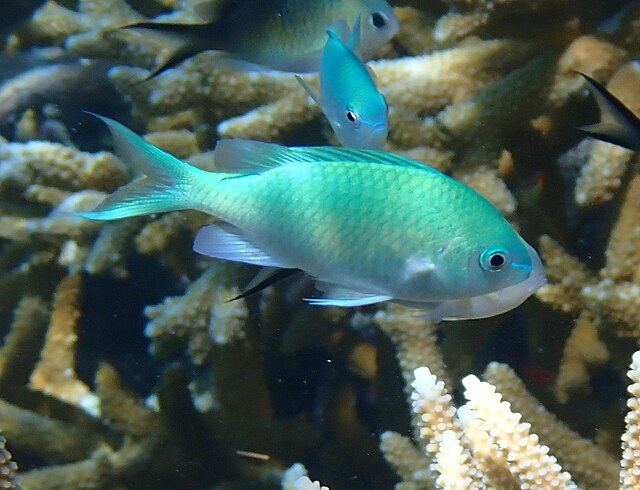
With beautiful blue-green coloring, schooling displays create a mesmerizing atmosphere. Affordable and extremely hardy, making it an ideal choice for the first fish after cycling completes. However, they have strong territorial tendencies, so caution is needed when mixing with other peaceful species.
Firefish Goby
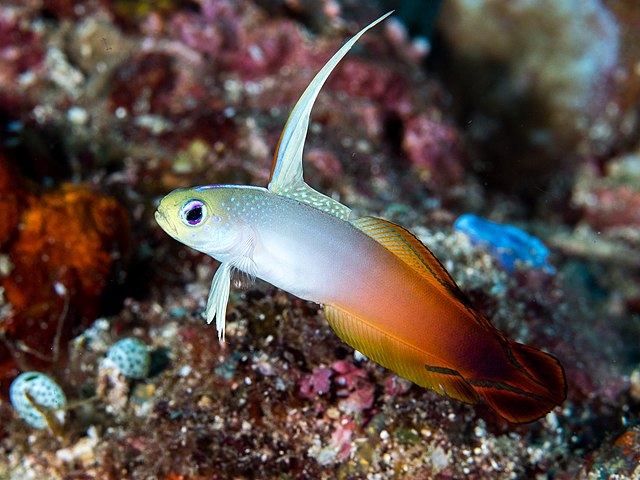
Beautiful white-and-red gradation, peaceful temperament, and excellent compatibility with tankmates. Disease-resistant and beginner-friendly, but they have a habit of jumping out when startled, so always provide a tank cover. For details, see Firefish Goby Care Complete Guide.
Bicolor Blenny
Charming facial features and popularity as a cleanup crew that eats algae. It actively feeds on algae growing on substrate and live rock, making it invaluable for tank maintenance.
As a beginner, start with hardy and easy-to-keep species rather than purchasing expensive fish from the outset.
BreederDirect's Safe and Secure System
Saltwater fish are stress-sensitive during transport, and "environmental shock" often causes health issues when purchased from shops. In contrast, BreederDirect, where you buy directly from breeders, offers these advantages:
- Transparency in breeding environment: Sellers detail their tank conditions, water quality, and feeding practices, allowing you to understand the fish's current state beforehand.
- Selection of healthy specimens: Individuals with long breeding histories have better environmental adaptability and lower mortality risk.
- Direct questions to sellers: Beginners can directly address concerns about keeping fish with the breeder themselves.
- Obtaining captive-bred specimens: Captive-bred individuals are easier to keep than wild-caught and support the conservation of rare species through sustainable trade.
Meeting the right fish is a major key to success in saltwater keeping. In BreederDirect's saltwater fish category, you can source healthy specimens directly from experienced breeders. Whether you're a beginner or not, we encourage you to enjoy interactions with sellers and find your ideal saltwater fish match.