© Jenny (JennyHuang) from Taipei / CC BY 2.0Breeder Direct Breeder Marketplace
Verified Breeder raise captive-bred Marine Fish & Coral with care. Buy direct. Captive-bred / Reef-safe / Live photos / Temperament info guaranteed.
First 3 sales - 0% commission!Register as a breeder by July 31, 2026 and your first 3 sales are commission-free!
Breeder Wanted!
List on BreederDirect and sell directly to customers nationwide!
Every Marine Fish & Coral listing shows Breeder's full disclosure. No wild-caught. Captive-bred priority, tank size guidance, temperament details—transparent aquaculture.
Price
Region
Attributes
Adjust your filters, or get notified when new listings arrive.
Getting alerts is free with a member account. When new listings match your saved search, we'll notify you by email and in-app.
Are you raising marine fish & coral?
Register as a breeder and connect with buyers directly.
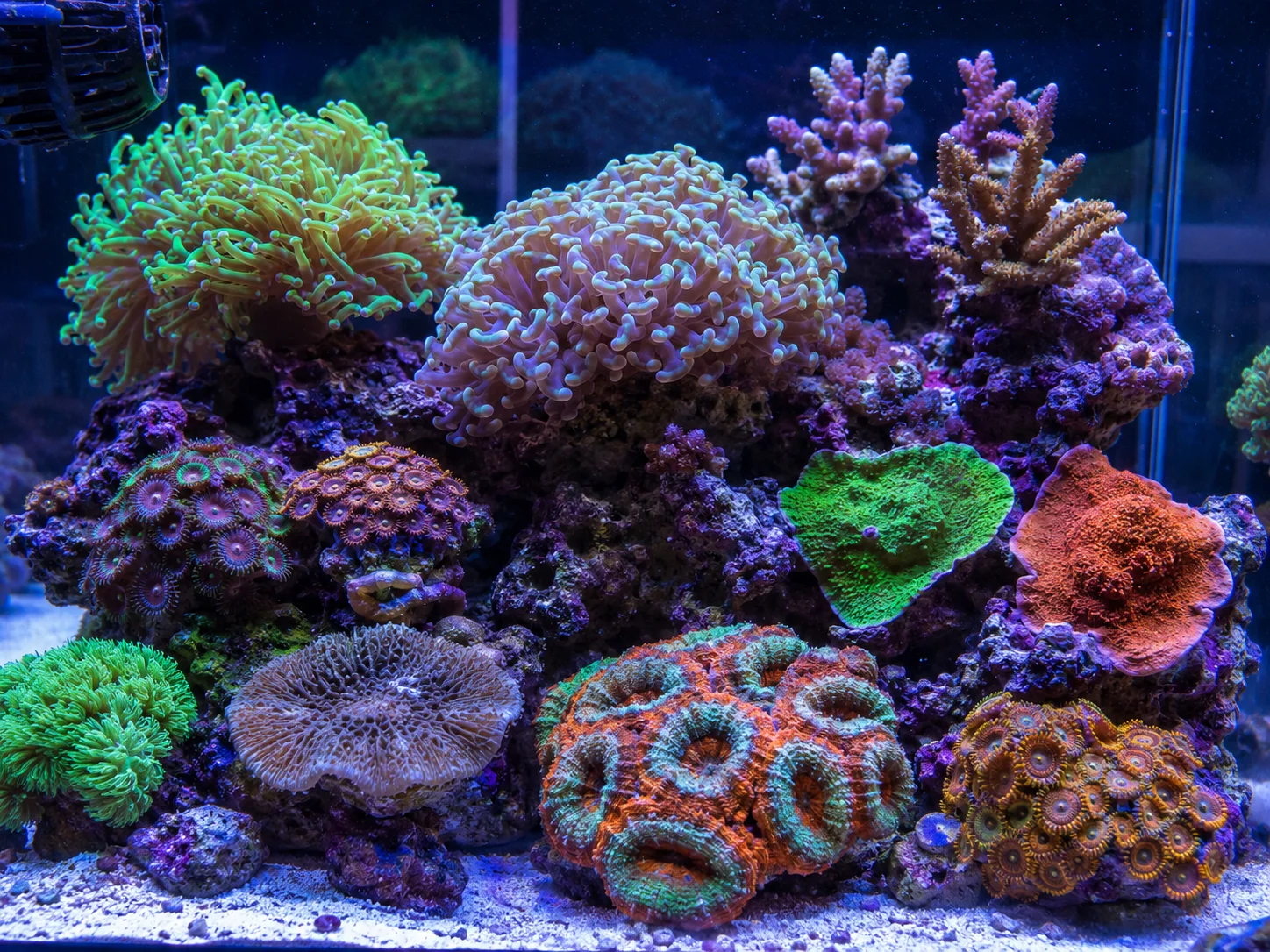
The marine fish category on Bree-Choku lets you welcome colorful saltwater fish — clownfish, gobies, angelfish and more — directly from the breeders and aquarists who raised them. Marine fish need artificial seawater and specific gravity control, so the equipment differs from freshwater, but you can check each fish's condition and rearing environment before deciding. Beginners can choose after learning marine tank cycling, tank-mate compatibility, and reef compatibility.
1Manage artificial seawater and specific gravity
Marine fish need seawater mixed from a synthetic salt mix, kept at a specific gravity of roughly 1.022-1.025. Evaporation raises gravity as water drops, so check it often with a hydrometer and top off as needed. Stable salinity is fundamental to keeping fish healthy.
2Cycle the marine tank to stabilize water quality
Before welcoming marine fish, mature the tank until filter bacteria are established and can break down toxic ammonia and nitrite. Using live rock helps cycling proceed steadily. Setup can take longer than for a freshwater tank, so plan with extra time.
3Set up filtration such as a protein skimmer
In marine tanks, a protein skimmer is widely used to remove organic matter before it breaks down. Ensure adequate filtration alongside it and maintain water quality with regular water changes. Choose equipment matched to your tank volume and the fish you keep.
4Acclimate fish carefully on arrival
Marine fish are sensitive to differences in temperature, specific gravity, and water chemistry. Float the bag to match temperature, then acclimate gradually with the drip method before release. When fish arrive by delivery, acclimate right away and observe them before moving to the main tank.
5Check which fish can be kept together
Many marine fish are territorial, and keeping the same species or similar-looking fish together can cause fighting. Combine fish considering size, swimming zone, and temperament, and provide hiding places. When keeping several species, research compatibility thoroughly in advance.
6Consider compatibility with corals
When adding fish to a coral tank, check whether the species will pick at or bite corals. Fish considered harmless to corals are called reef-safe. If you plan to keep corals in the future, choosing compatible fish now makes building the tank smoother.
7Estimate startup and ongoing costs
Marine tanks tend to need more equipment than freshwater — salt mix, hydrometer, skimmer, lighting and more — plus ongoing costs for salt mix and electricity. Estimate the gear and monthly costs before welcoming fish, and start at a scale you can sustain.