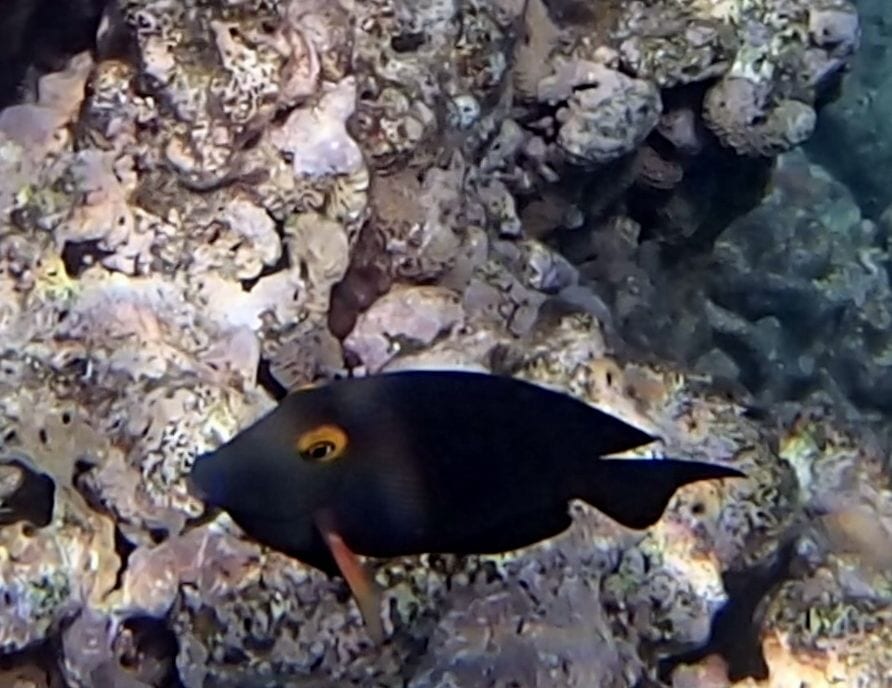
 © Russ Dunn / CC BY 3.0
Kole Tang
The Kole Tang is a small surgeonfish native to the Hawaiian Islands. Its brown body is etched with fine pale-blue lines, accented by a striking gold ring encircling each eye. Generally peaceful in temperament, it tends to get along well with tankmates when kept singly. True to its natural feeding habits, it uses its teeth to graze algae and detritus off rockwork, making it a helpful cleanup crew member in the tank. Adults reach up to about 15 cm, so give them a tank with enough open swimming space. This species suits aquarists with some saltwater experience looking to move beyond beginner-level care.
View Kole Tang encyclopedia →0% commission on your first sales!Register by September 30, 2026 and your first 2 sales are commission-free!
Breeder Wanted!
List on BreederDirect and sell directly to customers nationwide!
BreederDirect's 6 Transparency Promises
Every Marine Fish listing shows Breeder's full disclosure. No wild-caught. Captive-bred priority, tank size guidance, temperament details—transparent aquaculture.
- Captive-bred
- WYSIWYG
- Reef-safe
- Care Info Included
- Origin Disclosed
- Temperament Listed
Browse all 175 breeds
Care Difficulty
Reef-safe
Temperament
No listings match your filters
Adjust your filters, or get notified when new listings arrive.
Getting alerts is free with a member account. When new listings match your saved search, we'll notify you by email and in-app.
Browse other categories
Verified breeders (preview)
Are you raising marine fish?
Register as a breeder and connect with buyers directly.
Apply as a breederAbout Kole Tang
The Kole Tang is a small Hawaiian surgeonfish with fine blue lines and a gold eye-ring, valued as an algae-grazing cleanup fish. Reaching up to 15 cm, it suits intermediate saltwater keepers.
7 things to know before welcoming a Kole Tang
1Give It Room to Swim
Adults grow up to about 15 cm, so a cramped tank can feel confining. Choose a tank with enough open swimming distance and leave clear space between rockwork for it to move around freely.
2Live Rock Is a Must
Kole Tangs naturally graze algae and detritus off rock surfaces with their teeth. Stock your tank with plenty of live rock so there is a steady supply of algae film for them to pick at.
3Best Kept Singly
Territorial disputes are common between individuals of the same species, so one Kole Tang per tank is the general rule. They can also clash with other tang species, so plan tankmates and tank size carefully if combining multiple tangs.
4Watch for Ich
Like many saltwater tangs, Kole Tangs are prone to ich (white spot disease). Quarantine new arrivals, maintain stable water quality, and keep an eye on their condition day to day.
5Mostly a Grazer
Since they lean toward a herbivorous diet of algae and detritus, supplement prepared foods with dried nori or seaweed-based flakes to keep their appetite steady. Do not rely solely on the algae growing naturally in the tank.
6Stability Matters
Kole Tangs can be sensitive to sudden changes in water conditions, so avoiding swings in temperature, salinity, and pH is key to keeping them healthy. Acclimate new arrivals slowly and give them time to settle into their new tank.
7Choose Tankmates Wisely
Generally peaceful and easy to keep alongside other fish, Kole Tangs can still clash with closely related tang species. If adding one to a tank that already houses other tangs, consider size differences and introduction order.
Frequently asked questions about Kole Tang
- Q.Is the Kole Tang suitable for beginners?
- A.According to the species profile, it is considered better suited to intermediate keepers. Some experience with water quality management and feeding routines makes it easier to keep successfully. It is a good idea to gain some saltwater experience before bringing one home.
- Q.Can it be kept with other fish?
- A.Kole Tangs are generally peaceful and mix well with many other species. That said, they can be territorial toward their own kind or closely related tangs, so choose tankmates carefully.
- Q.How large does it grow?
- A.Adults reach up to about 15 cm. Choose a tank size that gives it enough room to swim comfortably.
- Q.What should I feed it?
- A.In the wild, it grazes algae and detritus off rock surfaces with its teeth. In the aquarium, supplement prepared foods with dried nori or seaweed flakes to match its natural diet.
- Q.Is the Kole Tang listed under CITES?
- A.The Kole Tang is not listed under CITES. Keep this in mind when considering the species.
Useful tools for Kole Tang care
Learn more about Kole Tang in the encyclopedia
View Kole Tang encyclopedia entry →
Care difficulty, lifespan, size and diet — all basics covered.
More in this category
Can't find the one you're looking for?
Post your wishes for free and breeders with matching animals will contact you with introductions.