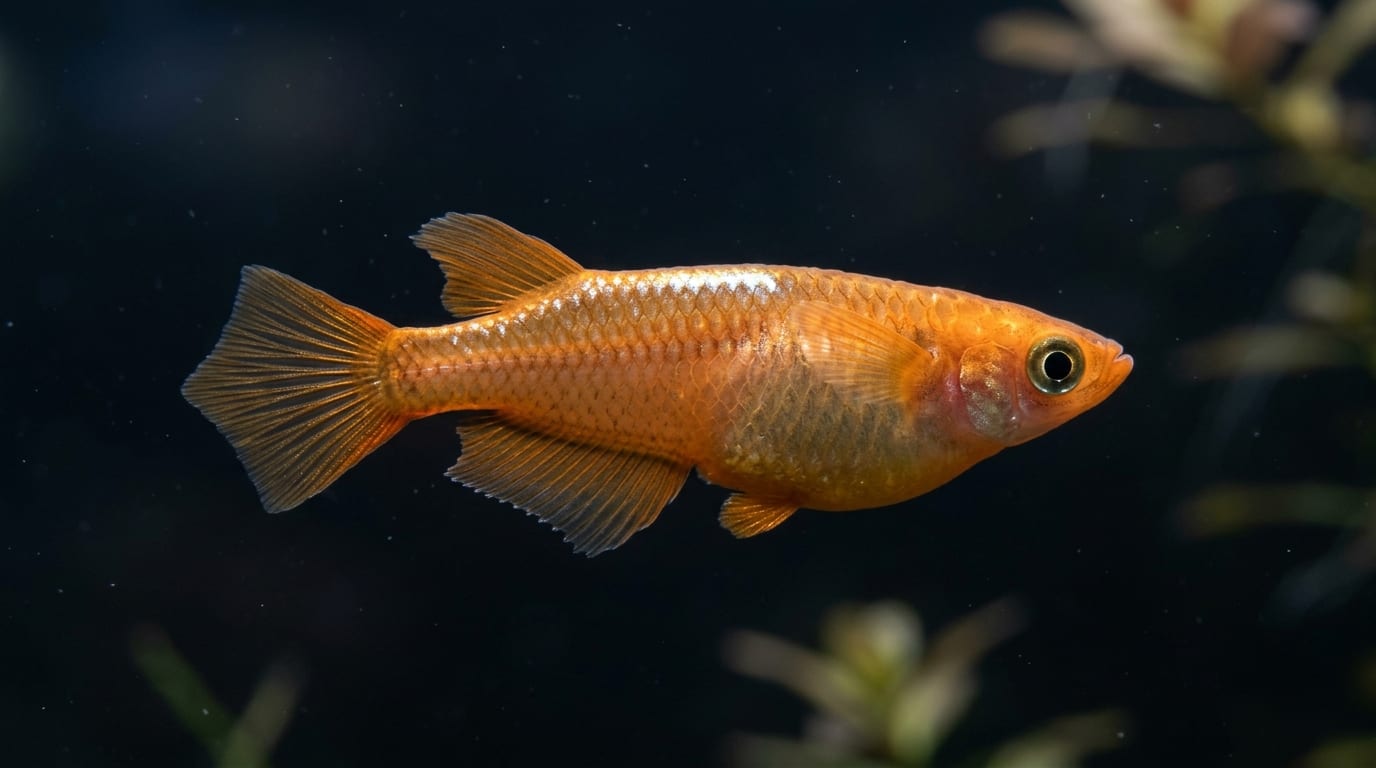
Hikari Daruma Medaka
Hikari Daruma Medaka combine two prized traits in one fish: the light-reflecting Hikari body type and the compact, rounded Daruma body type. They feature a diamond-shaped tail fin paired with a matching anal fin and a similarly shaped dorsal fin, and their body length runs at about half that of standard medaka. When the overall shape is well-balanced, quality is valued regardless of color. Their charming silhouette has made them a favorite among dedicated medaka keepers, but their distinctive body structure means they are generally considered a variety best suited to experienced keepers who understand what the shape requires.
View Hikari Daruma Medaka encyclopedia →Breeder Wanted!
List on BreederDirect and sell directly to customers nationwide!
BreederDirect's 9 Transparency Commitments
Each Medaka listing includes the following from Breeder. Full transparency on color variations (Yokihi/Miyuki/Lame) and lineage guaranteed.
- Variety Name
- Lineage
- Actual Photos
- Color Classification
- Body Type
- Scale Type
- Size
- Origin
- Age/Generation
Browse all 145 breeds
Color
Scale Type
Verified breeders wanted for Medaka
Breeders are signing up now ahead of launch. Subscribe to be notified when new listings go live.
Getting alerts is free with a member account. When new listings match your saved search, we'll notify you by email and in-app.
Browse other categories
Verified breeders (preview)


Hikari Daruma Medaka key facts
- Care level
- Advanced
- Lifespan
- 2-3 years
- Size
- About half the standard body type (standard form up to about 4cm SL)
- Temperature
- 18〜28℃
- Diet
- Prepared medaka food, green water
- Lighting
- The vertically symmetrical body and the size of each fin are the points of interest, and the form also rewards side viewing. Outdoors, guard against summer overheating from direct sun.
- Diet & Nutrition
- Commercial prepared medaka food is the staple, given in an amount finished within a few minutes. Leftovers decay and foul the water, so adjust the quantity. Green water rich in phytoplankton suits fry rearing.
- Water Temperature & Quality
- Slightly acidic to slightly alkaline water is considered ideal, and the water drifts toward acidic as keeping continues. Around one water change per week is the guideline, and because sudden shifts in temperature or pH cause stress, acclimatise new fish by floating the bag. FishBase records the wild water chemistry of this species as pH 7.0-8.0 and hardness 9-19 dH.
- Tank Mates & Compatibility
- A peaceful schooling fish, normally kept as a group of the same variety. One litre of water per fish is the guideline against overcrowding; overstocking causes poor growth, reduced breeding, oxygen shortage and water fouling.
- Breeding
- Producing daruma fish requires water kept warmer than usual. Daruma-to-daruma pairings give few eggs and many infertile ones, and including han-daruma fish in the cross resolves this. Outdoors the spawning season runs from about April to October, once water reaches 18C or above with 12-13 hours of daylight. For year-round indoor breeding, 25-28C water and over 13 hours of lighting are the guideline. Eggs hatch at a cumulative 250 degree-days, about 10 days at 25C.
- Health & Notes
- Bent spines are common in the hikari form, and daruma fish swim poorly and react sharply to changes in temperature and water quality, so the combined type is regarded as one for experienced keepers. Watch also for egg binding and swim bladder trouble. Outdoors the fish become inactive and overwinter near the bottom as water cools, resuming activity in spring once daytime water exceeds 10C. A 0.3-0.5% salt bath is used for ailing fish, with water raised to no more than about 28C.
About Hikari Daruma Medaka
Discover the Hikari Daruma Medaka, a variety combining the Hikari and Daruma body types — key traits, care considerations, and common questions for prospective keepers.
7 things to know before welcoming a Hikari Daruma Medaka
1Hikari x Daruma Body Shape
Hikari Daruma Medaka combine the light-reflecting Hikari body type with the short, rounded Daruma body type. They are also notable for a diamond-shaped tail fin paired with a matching anal fin and dorsal fin.
2Best Suited to Experienced Keepers
Because of their distinctive body shape, this variety is generally considered suited to experienced keepers. First-time medaka owners may want to build confidence with a standard variety before taking on a Daruma type.
3A Compact Body Length
Their body length stays at roughly half that of standard medaka, which can grow up to about 4 cm. This compact size is a natural result of the Daruma body shape.
4Body Shape Defines Quality
For this variety, a well-balanced body shape is valued over color pattern — a fish with good "type" is considered quality regardless of its coloring. Appreciating the form itself, not just color, is part of the appeal.
5Consider Swimming Ability
Because of their compact body shape, individuals can vary in swimming strength compared to standard medaka. When keeping them with other fish, grouping similar body types together can help create a comfortable environment.
6Keep Water Temperature Stable
As with medaka in general, sudden changes in water temperature or quality can be stressful, so extra care is worthwhile during seasonal transitions. Maintaining a stable environment supports healthy keeping.
7Preparing Before You Bring One Home
Before bringing one home, prepare a space where you can acclimate the fish gradually and maintain stable water quality. Take time to observe the fish and understand its body shape before deciding to keep it.
Frequently asked questions about Hikari Daruma Medaka
- Q.Can beginners keep Hikari Daruma Medaka?
- A.Hikari Daruma Medaka are generally considered a variety best suited to experienced keepers due to their distinctive body shape. It's a good idea to build experience with medaka care first before taking one on.
- Q.How is it different from standard medaka?
- A.Its main distinction is combining the shine of the Hikari body type with the rounded shape of the Daruma body type. Its body length is also about half that of standard medaka.
- Q.How big does it grow?
- A.It stays at roughly half the size of standard medaka. Standard medaka can grow up to about 4 cm.
- Q.Should I choose based on color or pattern?
- A.For this variety, a well-balanced body shape matters more than color. As long as the shape is good, the fish is considered quality regardless of coloring.
- Q.Can it be kept with other medaka?
- A.Because of its compact body shape, swimming strength can differ from standard medaka when kept together. Housing it with others of the same body type tends to work better.
Useful tools for Hikari Daruma Medaka care
Learn more about Hikari Daruma Medaka in the encyclopedia
View Hikari Daruma Medaka encyclopedia entry →
Care difficulty, lifespan, size and diet — all basics covered.
More in this category
Can't find the one you're looking for?
Post your wishes for free and breeders with matching animals will contact you with introductions.