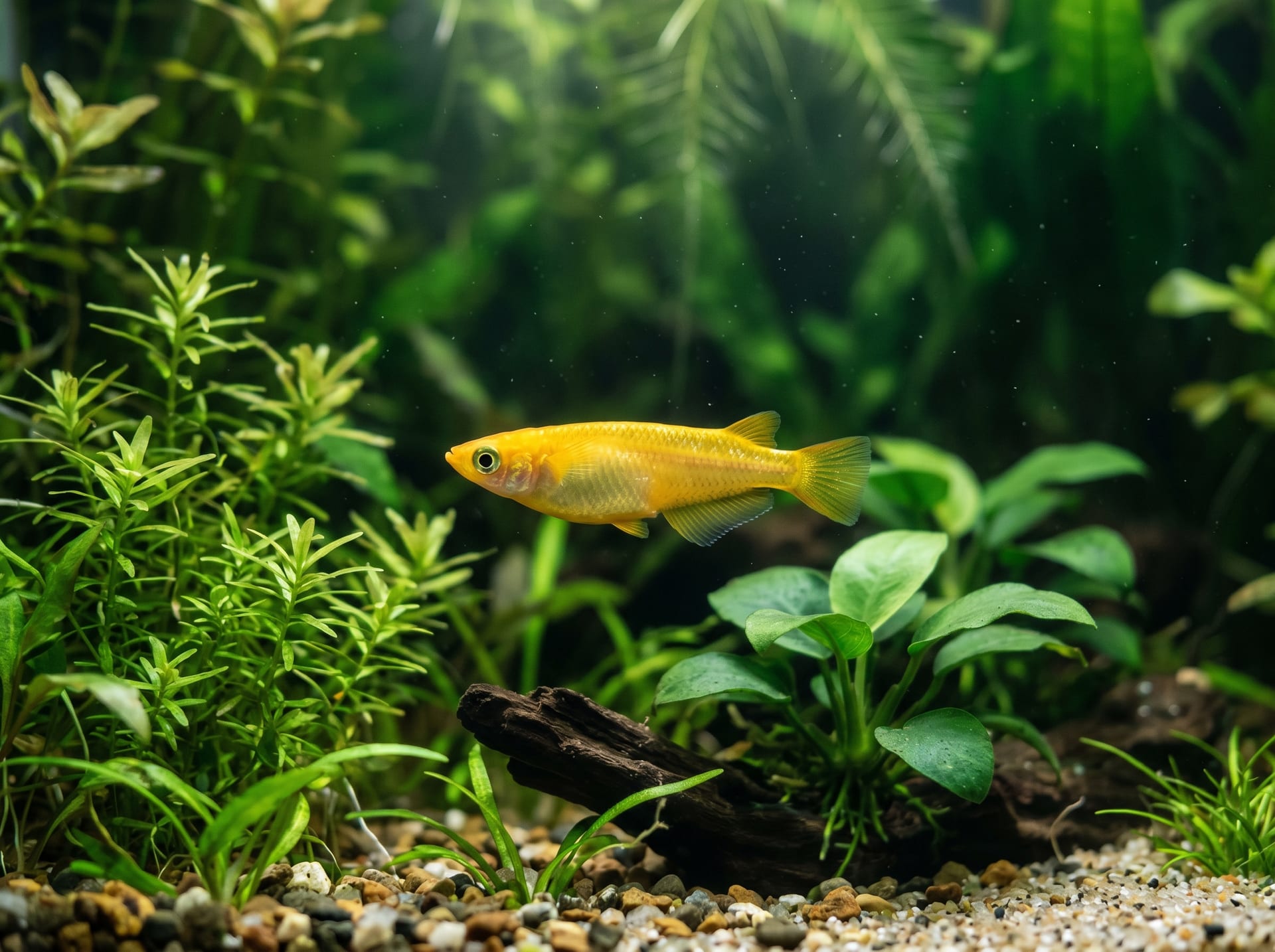
Yamabuki
Yamabuki medaka are prized for their bright, lemon-yellow body color — known in Japanese as "yamabuki iro" — which reads as even brighter than the classic Yohki medaka. Their calm, gentle temperament makes them easy to keep alongside other medaka, and their small adult size of 2 to 4 cm gives them a graceful presence in any tank or water lily bowl. They readily eat both prepared fish food and daphnia, and their hardy nature makes them a great pick for beginners. With a typical lifespan of 2 to 3 years, Yamabuki offer years of enjoyment as their color shifts gently with the seasons.
View Yamabuki encyclopedia →0% commission on your first sales!Register by September 30, 2026 and your first 2 sales are commission-free!
Breeder Wanted!
List on BreederDirect and sell directly to customers nationwide!
9 Transparency Commitments from Br-Choku
Each Medaka listing includes the following from Breeder. Full transparency on color variations (Yokihi/Miyuki/Lame) and lineage guaranteed.
- Variety Name
- Lineage
- Actual Photos
- Color Classification
- Body Type
- Scale Type
- Size
- Origin
- Age/Generation
Browse all 116 breeds
Color
Scale Type
Verified breeders wanted for Medaka
Breeders are signing up now ahead of launch. Subscribe to be notified when new listings go live.
Getting alerts is free with a member account. When new listings match your saved search, we'll notify you by email and in-app.
Browse other categories
Verified breeders (preview)

Yamabuki key facts
- Care level
- Beginner-friendly
- Lifespan
- 2-3 years
- Size
- 2-4cm
- Diet
- Artificial feed, Daphnia
- Housing
- Light-colored container enhances yellow
- Water Temperature & Quality
- Very hardy across 5-30°C and neutral to slightly alkaline water. Can be kept in an outdoor biotope or an indoor tank.
- Diet & Feeding
- Feed prepared food as the staple with daphnia. Leftovers foul the water, so give only what is eaten within a few minutes.
- Breeding & Egg-laying
- Breeds readily and spawns actively once a spawning medium is provided. Color fixation is relatively high, so selection is less demanding.
- Tank Mates & Compatibility
- Gentle temperament; mixes without trouble and can be kept with other peaceful medaka of similar size.
- Notes
- Enjoy refreshing yellow under sunlight
About Yamabuki
Yamabuki medaka are a beginner-friendly variety known for their bright lemon-yellow color and calm, hardy nature. Adults reach 2-4cm and typically live 2-3 years. Here are key care tips and FAQs.
7 things to know before welcoming a Yamabuki
1Sunlight Enhances Color
Yamabuki's signature bright yellow tends to look more vivid with moderate exposure to natural sunlight. Keeping them outdoors or in a well-lit spot can help bring out their best coloring.
2Calm and Sociable
Yamabuki medaka have a gentle temperament and generally get along well with other medaka varieties and small fish. Their low aggression makes them a good choice if you want to keep several varieties together.
3Feed Pellets and Daphnia
They readily eat prepared fish food and also enjoy live foods like daphnia. Offering small amounts several times a day, only as much as they can finish, helps keep the water clean and the fish healthy.
4Water Changes Matter
While medaka are hardy fish, a sudden drop in water quality can still cause health problems. Regular partial water changes help keep temperature and water conditions stable.
5Small Adult Size
Yamabuki stay small even as adults, typically reaching only 2 to 4 cm. This makes them easy to keep in small tanks or water lily bowls, even with limited space.
6Lifespan of 2-3 Years
Yamabuki medaka typically live around 2 to 3 years. Seasonal temperature changes and consistent daily care both play a role in how healthily they live out their lifespan.
7Acclimate Them Slowly
A sudden change in water temperature or quality can stress newly introduced fish. Take time to gradually acclimate them to their new water before releasing them into the tank.
Frequently asked questions about Yamabuki
- Q.Are Yamabuki medaka easy for beginners to keep?
- A.Yes, Yamabuki are hardy and adapt well to a range of conditions, making them a good choice for beginners. Regular water changes and feeding are usually enough to keep them healthy.
- Q.How is Yamabuki different from Yohki medaka?
- A.Both have yellow-toned bodies, but Yamabuki is brighter, with a color closer to lemon yellow than Yohki. Choosing between them often comes down to personal preference for shade.
- Q.Can Yamabuki be kept with other medaka varieties?
- A.Yes, their calm temperament makes Yamabuki easy to keep alongside other medaka varieties. It's still a good idea to acclimate them carefully and avoid sudden changes in their environment.
- Q.Can a Yamabuki's color fade over time?
- A.Environmental factors like lack of sunlight, diet, and water quality can affect how vivid their color appears. Getting some natural light and feeding a balanced diet can help maintain their coloring.
- Q.Is indoor or outdoor keeping better for Yamabuki?
- A.Yamabuki can be kept either indoors or outdoors. Outdoor keeping tends to bring out brighter colors thanks to sunlight, while indoor keeping makes water temperature easier to control.
Useful tools for Yamabuki care
Learn more about Yamabuki in the encyclopedia
View Yamabuki encyclopedia entry →
Care difficulty, lifespan, size and diet — all basics covered.
More in this category
Can't find the one you're looking for?
Post your wishes for free and breeders with matching animals will contact you with introductions.